Raul Delapena Setiawan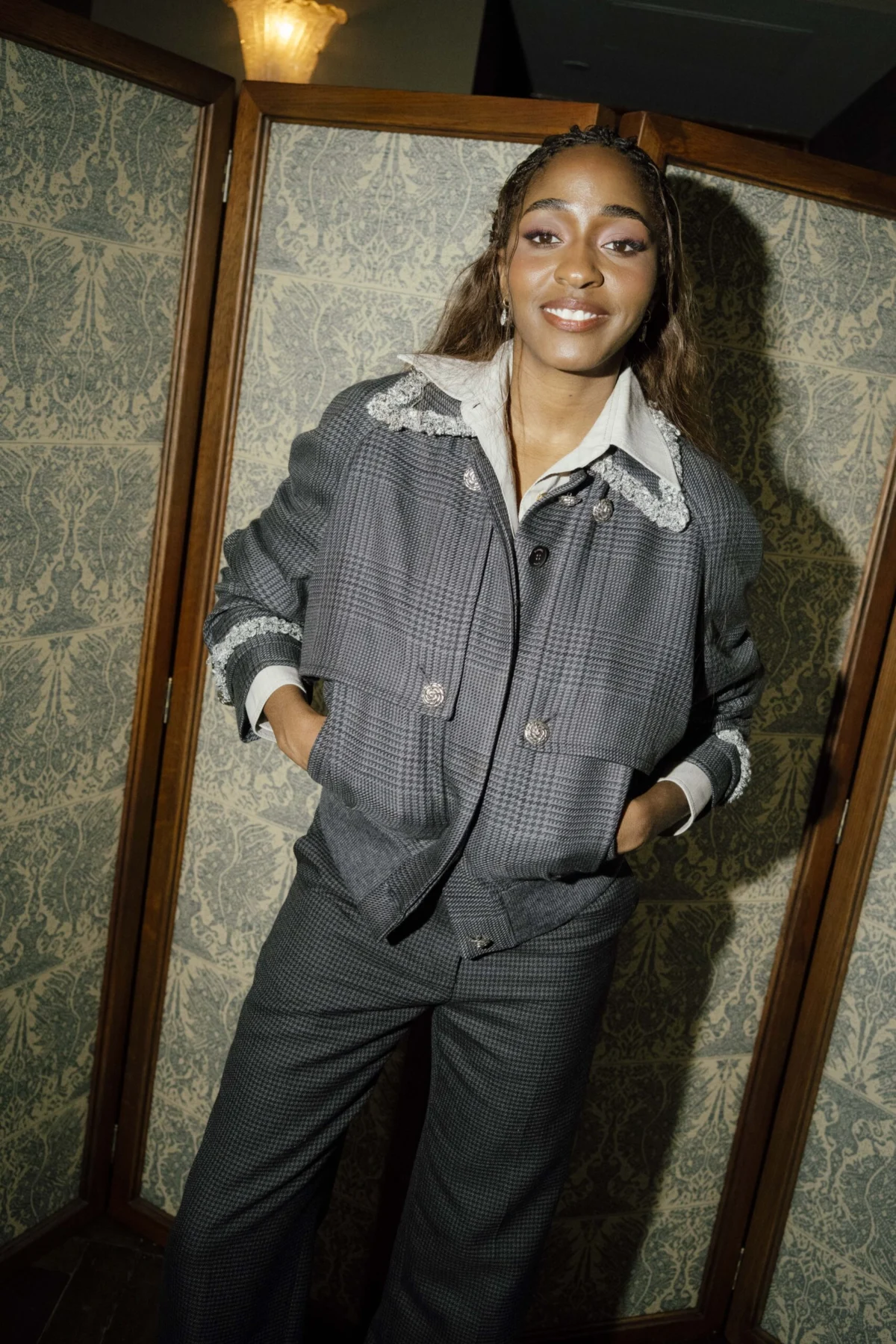
The Toronto International Film Festival (TIFF) is renowned as a launching pad for cinematic masterpieces, but beneath the red-carpet premieres and industry deal-making, it also serves as a critical nexus for advocacy. On Friday night, the annual Variety and Chanel Women in Film dinner transformed from a high-profile industry event into a powerful demonstration of solidarity, highlighting the urgent necessity for gender parity in the upper echelons of the entertainment business.
The evening, which brought together some of the most influential figures in global cinema, served as both a celebration of current creative excellence and a somber reflection on the work that remains to be done to ensure that the "director’s chair" is as accessible to women as it is to their male counterparts.

A Night of Stars and Substance: The Scene at TIFF
The atmosphere was electric from the moment the cocktail hour began. The bar was quickly occupied by some of the most recognizable faces in the industry, marking the event as the “place to be” for those shaping the future of film.
In a display of genuine camaraderie, Oscar winner Michelle Yeoh was greeted with warm embraces by Emmy winners Sarah Paulson and Colman Domingo. The room felt like a confluence of Hollywood’s past, present, and future, with industry stalwarts like Patricia Arquette weaving through the crowd to connect with peers.

The guest list read like a who’s who of contemporary talent, including Chanel ambassadors Ayo Edebiri and Lily-Rose Depp, as well as notable actors and filmmakers such as Noomi Rapace, Luke Evans, David Harbour, India Amarteifio, Rosalind Eleazar, Cole Sprouse, Amber Mudthunder, Jessica Henwick, Charlie Heaton, Anthony Ippolito, Cooper Raiff, Mariana di Girolamo, Emanuela Postacchini, and Mackenzie Davis. This high-wattage turnout underscored a collective commitment to the evening’s mission: championing women and nonbinary voices in a notoriously imbalanced industry.
Chronology of an Empowering Evening
The event flowed with a sense of purpose. Following an intimate cocktail hour, the gathering transitioned into a seated dinner, where the conversation shifted from casual networking to the structural challenges facing the film industry.

As the evening progressed, the focus turned to the “multihyphenate” nature of today’s filmmakers. The program highlighted individuals like actor-director Fala Chen—whose work in "Bloodline" has drawn critical attention—and Courteney Cox, who utilized the platform of the festival to launch her own directorial debut, "Evil Genius." The juxtaposition of established legends and emerging voices served to illustrate the pipeline of female talent that exists, provided that the gatekeepers of the industry are willing to open the doors.
The night concluded on a high note, with the energy remaining vibrant as guests such as Sian Heder, director of "Being Heumann," and star Ruth Madeley celebrated the successful reception of the festival’s opening night. The presence of figures like Seth Rogen and Lauren Miller Rogen added a layer of levity, proving that even amidst serious discussions of systemic change, the spirit of community and shared joy remains the heartbeat of the festival.

Supporting Data: The Reality of the "Glass Ceiling"
While the event was a celebration, the speakers did not shy away from the sobering statistics that define the current landscape of the industry. Variety co-president and co-editor-in-chief Ramin Setoodeh opened the formal remarks with a blunt assessment of the state of Hollywood.
Despite what has been widely touted as a "banner year" for movies at the global box office, the data remains disheartening. As of the 2026 festival season, none of the top 15 highest-grossing films at the box office were solely directed by women. This statistic provided the "why" for the evening: the persistence of the gender gap in top-tier filmmaking.

However, there were glimmers of optimism within the festival’s own programming. TIFF has made an aggressive push for inclusivity, with 35% of the 2026 official selection directed or co-directed by women—a milestone that the organization reached two years ahead of its self-imposed 2028 deadline. Films like Rachel Morrison’s "Love of Your Life" and Beth de Araújo’s "Josephine" were cited as prime examples of the high-caliber work being produced when equitable opportunities are provided.
Official Responses: The Philosophy of Advocacy
The speeches delivered during the dinner provided a roadmap for how institutions like Variety and Chanel view their roles in this cultural shift.

Variety co-president and publisher Dea Lawrence anchored the evening’s thematic core by quoting the iconic activist Gloria Steinem: “Representation is not just who gets to appear in the story. It’s about who gets to tell the story.” Lawrence emphasized that the evening was specifically dedicated to the creators—the writers, producers, and directors—who are actively dismantling barriers for the next generation.
Gregoire Collignon, president of Chanel Canada, contextualized the brand’s involvement as a continuation of a legacy rather than a mere marketing initiative. “At Chanel, it’s nothing new for us to support women—because our founder was a woman,” Collignon noted. He pointed to Coco Chanel’s history of designing for and supporting women in film dating back to the 1930s. The Chanel Women Creators’ Network, established in 2020, serves as the modern iteration of this commitment, offering artistic and personal development for filmmakers.

Jennifer Frees, Chief Business and Marketing Officer at TIFF, echoed these sentiments, stressing that progress is not accidental. “That impressive figure [35% representation] is made possible when organizations like Chanel and publications like Variety hold Hollywood’s decision-makers to account,” she stated.
The Future: Mentorship and Next-Gen Talent
A pivotal moment of the evening was the spotlighting of the 2026 fellows of the Chanel Women Creators’ Network, an extension of the TIFF Share Her Journey Writers’ Lab. The fellows—Shannon Walsh, Hannah Vastinsalo, Shannon Welby, and Amelia Eloisa—were celebrated as the embodiment of the industry’s future.

Frees noted that these creators are not merely participating in the status quo; they are actively expanding perspectives and challenging the conventions that have long dominated cinema. Their work, alongside that of 2025 fellow Carol Nguyen (whose documentary "Still Night, Burning House" is a highlight of the 2026 festival), proves that when investment is made in diverse voices, the quality of storytelling is inherently elevated.
Implications for the Industry
The 2026 Women in Film dinner was more than a glamorous networking event; it was a manifesto for accountability. The primary implication of the evening is that the industry is at a crossroads. While organizations like TIFF are hitting their marks regarding selection diversity, the commercial reality—the lack of women at the helm of the biggest blockbusters—remains the final frontier.

The "call to action" issued by Ramin Setoodeh to the executives in the room—to connect, to mentor, and to bridge the gap between creative potential and industry power—sets a tone for the remainder of the festival. The message is clear: diversity is not just a moral imperative or a box-ticking exercise; it is the essential engine for the next century of cinema.
As the attendees dispersed from the dinner into the cool Toronto night, the sentiment was palpable: the conversation has shifted from "why we need more women" to "how we build the infrastructure to keep them there." With the support of global powerhouses and the persistence of the filmmakers themselves, the goal of true parity appears less like a distant dream and more like an inevitable outcome of sustained, intentional effort.

 Evan Lee Salim
 Nana Wu