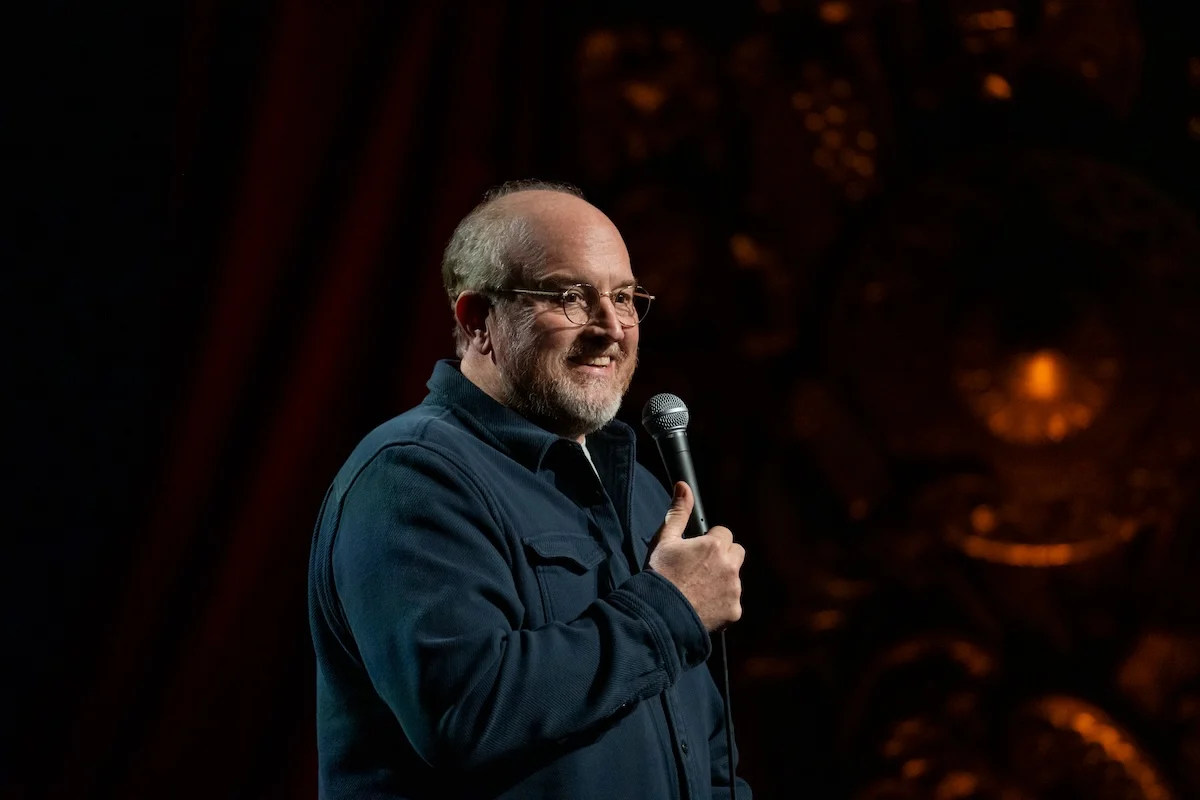
In the landscape of modern stand-up comedy, few figures cast a shadow as long or as contentious as Louis C.K. Once the undisputed architect of the "honest" observational style, his career underwent a seismic shift in 2017 following a New York Times exposé that detailed multiple instances of sexual misconduct, including coerced masturbation in front of colleagues. Years later, after a period of self-imposed exile and self-released content, the comedian has returned to the mainstream fold with his latest Netflix special, Ridiculous. Filmed at New York City’s historic Beacon Theatre, the special serves as a litmus test for a post-cancellation era, raising uncomfortable questions about accountability, the nature of "redemption" arcs in entertainment, and whether a once-revered voice can ever truly regain its resonance after a foundational breach of trust.
The Return to the Mainstream: A Contextual Overview
Ridiculous arrives as the first Netflix project for the comedian since the 2017 scandal. For those unfamiliar with the timeline, the 2017 allegations were not merely rumors; they were corroborated accounts from five women in the comedy industry. The fallout was immediate and historic: C.K. was dropped from projects, saw his distribution deals vanish, and admitted to the behavior in a statement that many critics found to be performative rather than truly repentant.
The special opens with a bit that is emblematic of his current approach—a mixture of fatalism and dark, self-deprecating humor. "So I took an AIDS test today," C.K. tells the Beacon Theatre crowd. "I haven’t had sex in years, I just wanted some good news." He follows the punchline with a grim, flat, "Anyway, turns out I have AIDS." This opening gambit sets the stage for a performance that feels less like a conversation with an audience and more like a man trapped in a feedback loop of his own cynicism.
A Chronology of Decline and Stagnation
To understand the trajectory of Ridiculous, one must look at the four self-released specials that preceded it. Following the 2017 fallout, C.K. chose to bypass traditional industry gatekeepers, releasing content directly to his website. These specials were often viewed by critics as a defensive regression. Rather than engaging in a meaningful public reckoning or demonstrating personal growth, the material frequently leaned into "right-wing" tropes, rebuking the very concept of accountability and playing the role of the victim of a "cancel culture" he helped create.
In Ridiculous, the remnants of the once-sharp, inquisitive comedian are barely visible. In his prime, C.K. was celebrated for his ability to marry the grotesque with the profound. He could start a bit about a mundane domestic task and end it with a searing critique of the human condition. In this new special, the "intellectual rigor" that once bolstered his crude humor is entirely absent. The riffs are half-developed, stopping short of insight just as they begin to brush against the "tortured monster" persona he seems to be curating.

The Anatomy of the Performance: What’s Said and Unsaid
The structure of the special is fragmented. C.K. drifts from topic to topic—the misery of living in New York City, the annoyance of being recognized while walking his dog, and the disturbing nature of his own subconscious. One particularly jarring moment involves a bit about his dreams, during which he describes scenarios—such as urinating on a baby—that are intended to shock.
Perhaps most telling is a closing bit regarding Barely Legal magazine. C.K. attempts a meta-commentary on the nature of being a "monster," suggesting that as long as one stops just short of the line, they remain, technically, "not a pedophile." It is an exhausting exercise in linguistic gymnastics. It reveals a comedian who is obsessed with the boundaries of his own past behavior but lacks the courage or the clarity to actually dismantle it. He says the horrible-sounding thing, but he refuses to do the work to explain why he feels the need to say it, or how it relates to his own history of exploitation.
Supporting Data and the Cost of Silence
The financial and social costs of C.K.’s actions were immense. Reports from the time indicated he "lost $35 million in an hour" following the fallout. Yet, the existence of Ridiculous on a platform as massive as Netflix suggests that the industry’s memory is short, and the demand for his brand of cynicism remains, albeit diminished.
Critically, the special struggles to find a rhythm. As noted by various cultural critics, the material feels "very cynical, even for Louis C.K." When he speaks about the "rude awakening" of coming face-to-face with a stranger after being alone with his own thoughts, the subtext is impossible to ignore. He is a man who had his own "deep, secret self" exposed to the world by those he victimized. Yet, rather than mining this for genuine pathos or truth, he simply pivots to the next joke. This evasion leaves the audience in a state of unease—not the productive, challenging unease of his early work, but the hollow, wearying unease of watching someone repeat the same mistakes without learning.
Implications for the Comedy Industry
The decision by a major streaming service to platform this material raises significant ethical implications. It signals a shift in how the entertainment industry handles the "redemption" of disgraced creators. By providing a stage for a man who has not offered a genuine apology or shown signs of behavioral change, the industry implicitly endorses the "survival of the fittest" narrative—the idea that if you have enough of an audience, you can wait out the consequences of your actions.

Furthermore, it speaks to a broader cultural fatigue. There is a segment of the audience that finds comfort in the familiar, even when that familiarity is poisoned by the context of abuse. However, for many others, seeing C.K. in high-definition, attempting to re-establish his rhythm, is a stark reminder of the power imbalance that allowed his behavior to flourish for years.
Official Responses and Public Reception
While Netflix has remained relatively quiet regarding the specific inclusion of this special in their catalog—treating it as just another piece of content—the public response has been polarized. Some fans argue that the work should be separated from the man, a sentiment that has become increasingly difficult to maintain given how deeply C.K. weaves his own life and psyche into his sets. Others point out that by continuing to offer a platform to a proven predator, the industry is failing the very people it claims to protect.
The critical consensus, if there is one, is that the special is a failure not just morally, but artistically. It lacks the "perspicacity and wit" that defined his early career. It is a set that meanders, complains, and ultimately rings empty.
Conclusion: A Grade of C-
Ultimately, Ridiculous is a document of stagnation. It is the work of a man who is creatively and emotionally trapped. He is a comedian who has become a parody of his own worst impulses. The title is fitting, though perhaps not for the reasons he intended. It is, indeed, ridiculous to expect a man who has refused to look into the mirror to provide us with a meaningful reflection.
The tragedy of the situation is not that C.K. is "canceled" or "silenced." The tragedy is that the public conversation around his work has been reduced to this: a repetitive, uninspired cycle of shock and evasion. He has lost the ability to challenge his audience in any meaningful way, leaving us with nothing but the discomfort of the performance itself. As it stands, Ridiculous is a sad footnote to a once-celebrated career—a hollow, humorless, and ultimately unnecessary return.

Grade: C-
‘Louis C.K. Ridiculous’ is currently available for streaming on Netflix.