Sagoh
Sagoh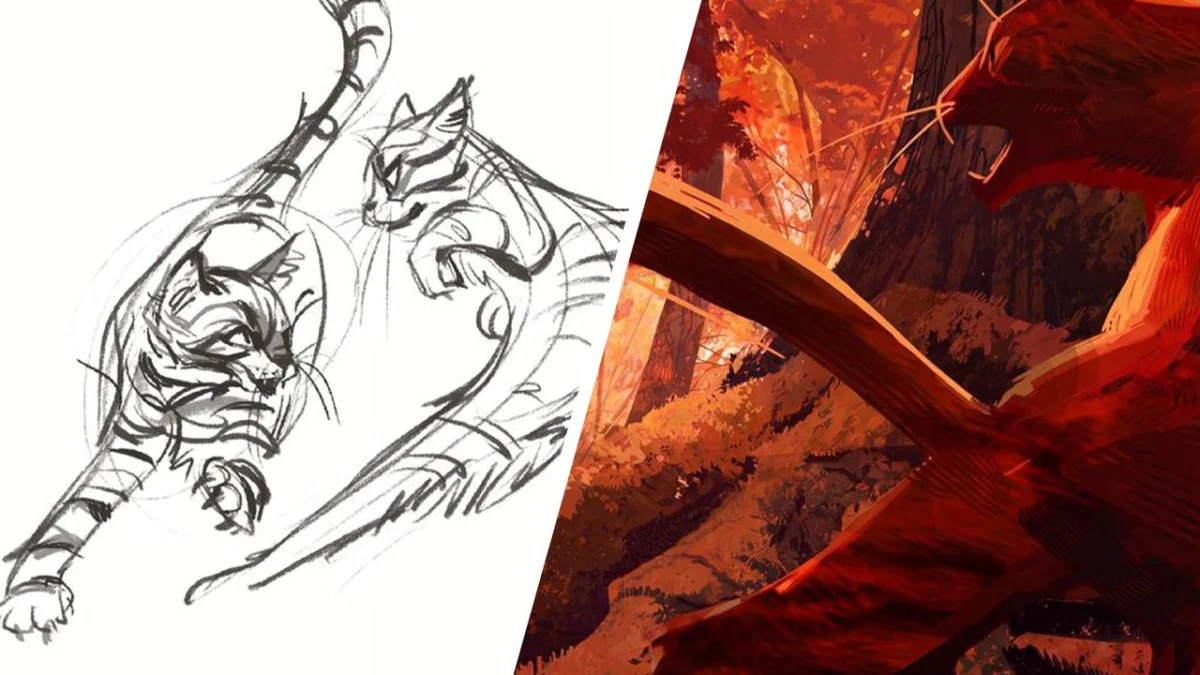
The world of Warrior Cats, Erin Hunter’s sprawling literary phenomenon, has captivated millions of readers for two decades. With its intricate clan hierarchies, complex political maneuvering, and high-stakes feline drama, the series has long been a prime candidate for a major screen adaptation. Now, as production ramps up under the guidance of studio Original Force and series director Rodrigo Blaas, fans are finally getting a glimpse behind the curtain. What has emerged is not the predictable, glossy hyper-realism often associated with modern CG animal features, but a daring, expressive stylistic choice that prioritizes character silhouette and kinetic energy over biological accuracy.
The Shift Toward Stylized Feline Anatomy
For years, the industry standard for animated animals has leaned heavily toward the aesthetic popularized by major studio hits like Zootopia or the Goat film project. These productions often focus on "photorealistic" fur rendering and precise, life-like movement. However, the early concept art, storyboards, and animation tests released for Warrior Cats suggest a departure from this trend.
Instead of chasing the "fluff" factor, the creative team at Original Force is leaning into a "loose" visual language. The character designs for iconic figures like Rusty, Graypaw, and Sandpaw demonstrate this shift clearly. While they are rooted in feline anatomy, the artists have significantly exaggerated their proportions and silhouettes. The cats possess a springy, elongated quality—a design choice that emphasizes their role as warriors rather than house pets. By pushing the boundaries of what a cat’s body can do, the animators are creating characters that feel perpetually ready for action, rather than static models designed to look pretty in a render.
Chronology of the Development
The journey to bring the Clans to life has been a long-gestating project that reflects the series’ massive growth.
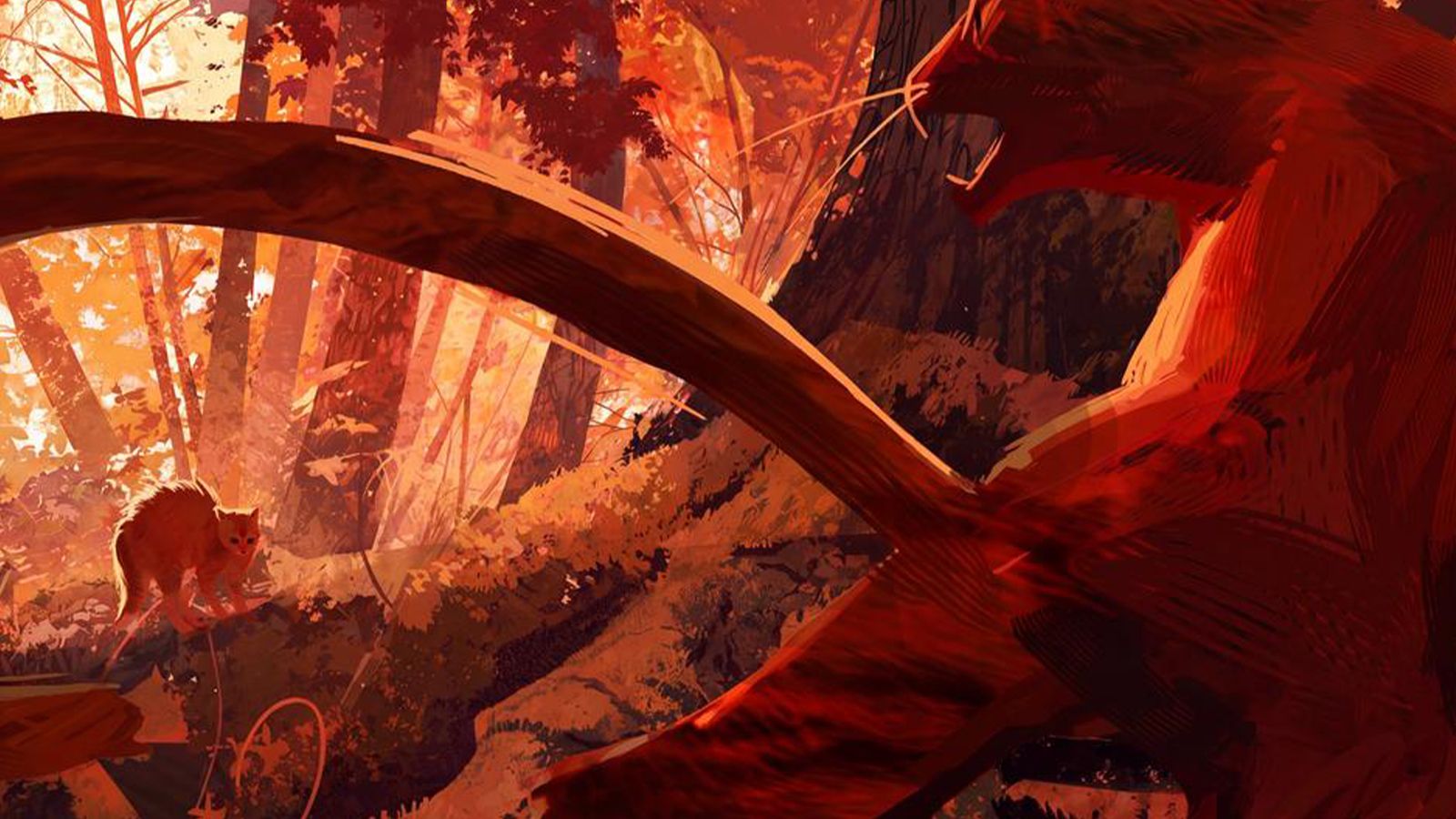
- The Early Years: Warrior Cats launched in 2003 with Into the Wild. The books quickly gained a cult following, with fan art and fan-made animations (often called "MAPs" or Multi-Animator Projects) filling the void for decades.
- The Pivot to Professional Production: Following years of fan speculation, the official greenlight for a professional-grade adaptation brought in industry veterans. Rodrigo Blaas, known for his work on Trollhunters and his expertise in CG storytelling, was tapped to lead the vision.
- The Current Phase: As of late 2024, Original Force—the studio behind the animation—began releasing behind-the-scenes glimpses. This material, which includes initial character sketches, rough storyboards, and early animation tests, represents the current "rules-building" phase of the production, where the visual identity of the Warrior Cats universe is being solidified for a wider audience.
Breaking Down the Visual Language
To manage a project of this scale, the team has had to develop a visual "grammar" that can be understood by hundreds of artists across multiple departments. This is a significant challenge when animating animals that must convey human-like emotion without crossing the line into "uncanny valley" territory.
Skeletal Structure and Silhouette
One of the most critical aspects of the animation process is the "readability" of the characters. During high-speed chase sequences or complex combat scenes, the audience must be able to distinguish between clan members instantly. The design team has focused on unique silhouettes for each character. By varying the length of the limbs, the shape of the muzzle, and the way fur marks are applied, they have ensured that even in a crowd, the individual personality of a cat remains clear.
The Power of Exaggeration
The storyboard work provides the most insight into the film’s "licence with anatomy." In these early sketches, cats are depicted in extreme, almost fluid poses. Bodies twist, tails curl in impossible arcs, and legs stretch to cover distance in ways that defy physics. This is a deliberate choice: in animation, "good" movement is often more important than "real" movement. By prioritizing the emotional weight of a scene—the ferocity of a fight or the tension of a standoff—the animators can capture the spirit of the Warrior Cats books in a way that photorealism simply cannot.
Supporting Data: The Challenge of Scale
Producing an animated series based on a series with dozens of books and hundreds of named characters is a logistical mammoth. Unlike a single feature film, the production requires a consistent visual language that can scale.
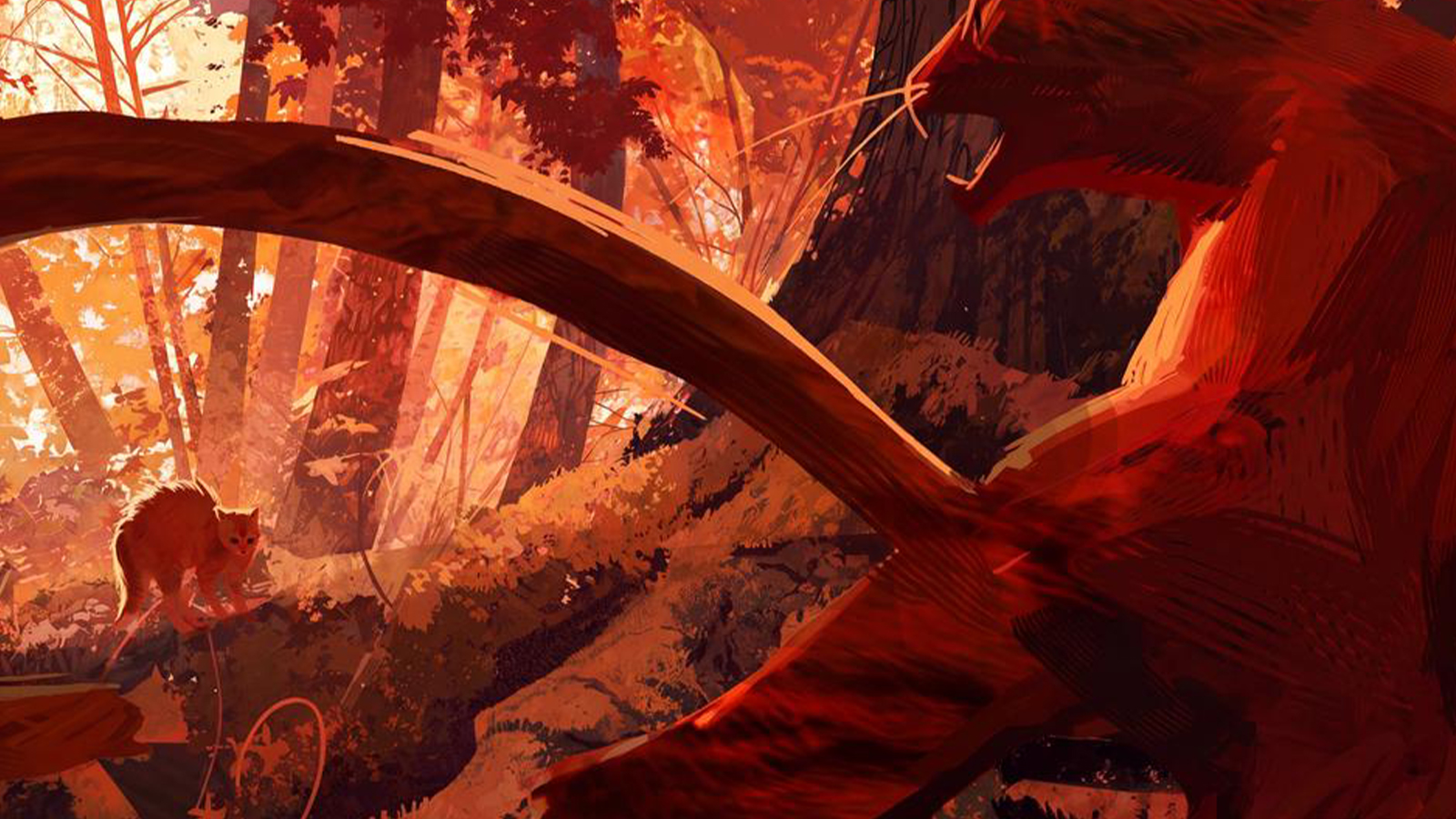
- Consistency vs. Creativity: The studio has established strict rules regarding fur, movement, and camera language. This ensures that when a viewer watches an episode, the "physics" of the Warrior Cats world feels consistent, regardless of which animator worked on a specific shot.
- Expression Management: A core concern for the team is the balance of facial expressions. The goal is to make the cats feel relatable without turning them into "furry little humans." By focusing on the eyes and the slight tilt of the ears, the team is finding ways to communicate complex emotions—loyalty, betrayal, and fear—through feline cues rather than human-like facial contortions.
Implications: A New Era for Book Adaptations?
The decision to avoid "generic CG perfection" has profound implications for the future of book-to-screen adaptations. Warrior Cats is not merely an animal story; it is an epic saga. By choosing a style that leans into artistic interpretation, Original Force is signaling that they are not just looking to recreate the books literally, but to capture the feeling of the original text.
This approach aligns with a broader industry trend seen in projects like Pixar’s Gatto, where there is a growing desire to move away from the hyper-realistic textures that defined the 2010s. If the finished series successfully maintains this expressive energy, it could set a new benchmark for how animated adaptations treat source material. It suggests that for a series as beloved as Warrior Cats, the audience is more interested in a stylized, artistic representation that honors the characters’ internal lives than in a tech-demo of high-fidelity fur rendering.
Official Stance and Future Outlook
While the team has kept much of the plot and release schedule under wraps, their transparency regarding the artistic process has been well-received by the community. By sharing "work-in-progress" materials, Original Force has invited the fans into the fold, acknowledging that the audience for Warrior Cats is perhaps the most knowledgeable base in the world regarding these specific characters.
As the production continues to iterate, the primary goal remains clear: to deliver a visual experience that is as gripping as the narrative. Whether the finished product can truly redefine the genre remains to be seen, but the initial signs are promising. By prioritizing the "soul" of the character over the technical constraints of realism, the Warrior Cats adaptation is positioning itself to be a standout project in the coming years.
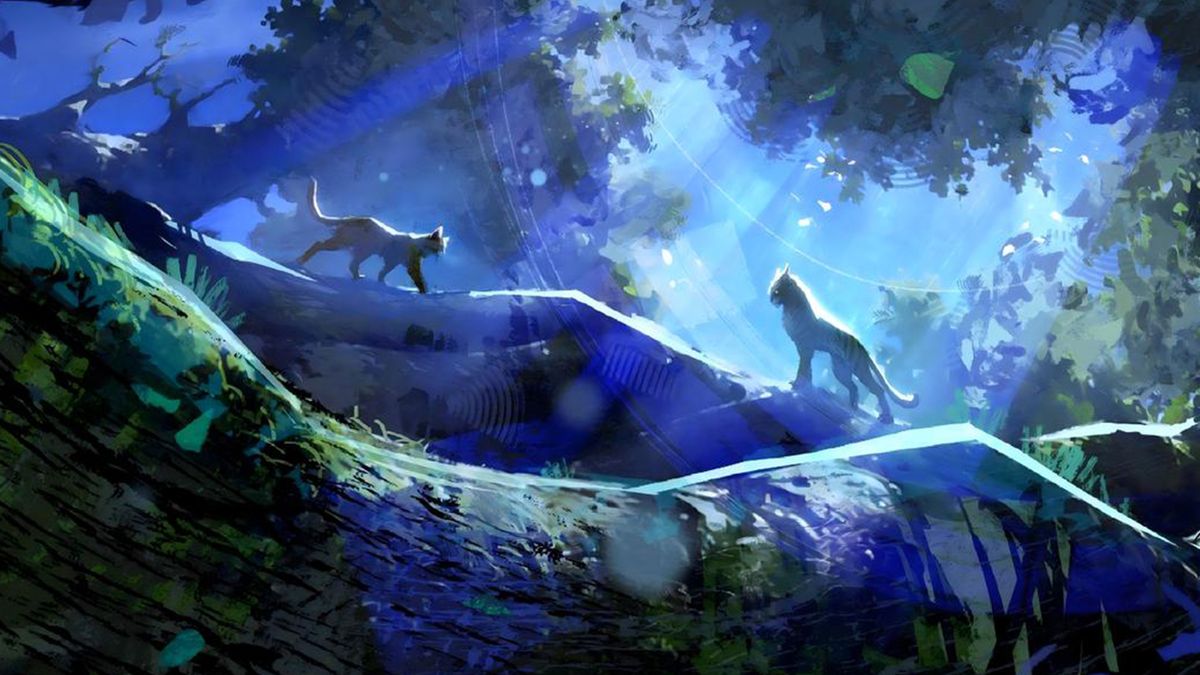
For now, fans are encouraged to monitor the official Warrior Cats website for updates. With a strong focus on maintaining artistic integrity throughout the thousands of shots required for the series, the production team is laying the groundwork for a visual world that will likely define the franchise for a new generation of viewers. The shift toward a more stylized, expressive form of CG may be the key to ensuring that the Warrior Cats legacy not only survives the transition to the screen but thrives within it.

 Lina Irawan
 Nana Wu