Rifan Muazin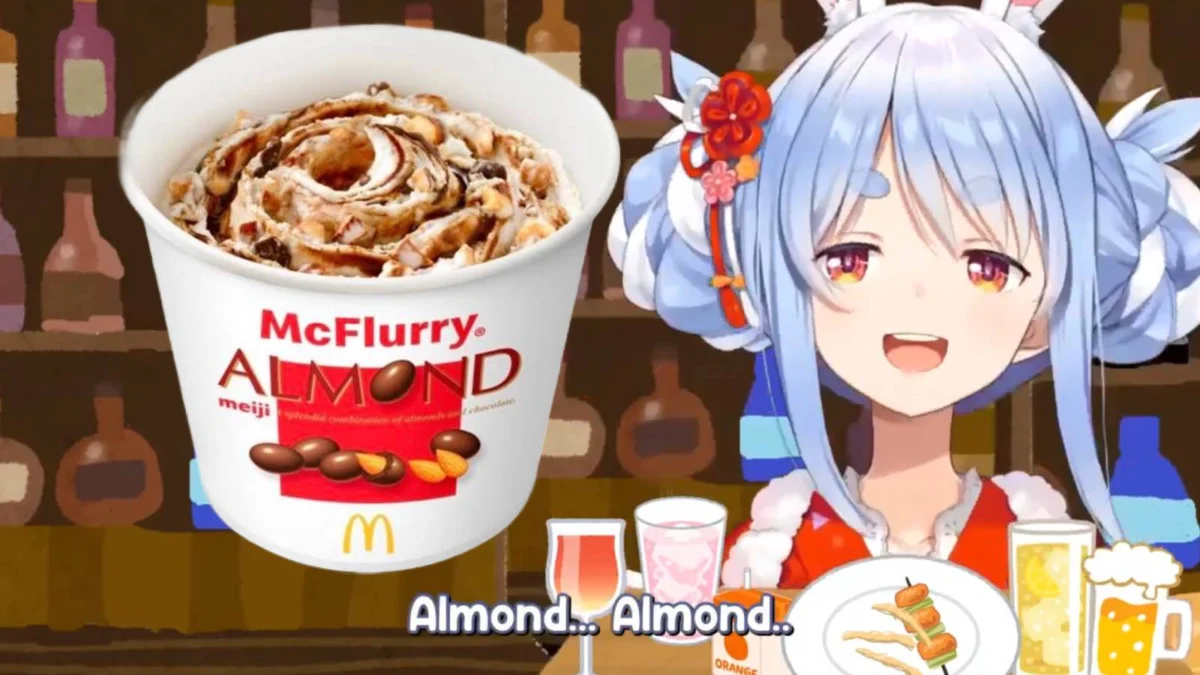
In a masterclass of digital marketing and community engagement, McDonald’s Japan has once again bridged the gap between global corporate branding and the niche, highly passionate world of Virtual YouTubers (VTubers). On September 15, the fast-food giant teased a new promotional campaign for its latest McFlurry flavor—the Meiji Almond Chocolate—featuring a silhouette that fans immediately identified as Usada Pekora, the rabbit-themed superstar from the Hololive agency. By leaning into a long-standing linguistic meme within the VTuber community, McDonald’s has demonstrated an uncanny ability to tap into the "insider" culture of the internet to drive consumer interest.
The Genesis of the "Almond" Meme
To understand the gravity of this collaboration, one must look at the unique relationship between Usada Pekora and her audience. Pekora, known for her chaotic energy, signature rabbit-eared aesthetic, and blue-tinted hair, has been a cornerstone of the Hololive brand for years. Like many VTubers, she utilizes specific verbal tics and greetings that define her on-screen persona.
For years, Pekora has opened her broadcasts with her iconic greeting, "Doumo, doumo!" (a standard Japanese pleasantry meaning "Hello, hello"). However, in the ears of her dedicated fanbase, the sharp, rhythmic pronunciation of this greeting evolved into a phonetic pun: "Almond, almond."
This harmless mishearing blossomed into a cornerstone meme of the "Pekora-verse." It has appeared in fan animations, remix videos, and social media discourse, becoming a shorthand for affection among her followers. By launching an "Almond Chocolate" McFlurry and pairing it with a visual nod to Pekora—complete with the provocative caption, "Wait, what do you hear?"—McDonald’s Japan has effectively turned a fan-originated inside joke into a mainstream marketing asset.
Chronology of a Digital Collaboration
The relationship between McDonald’s Japan and the Hololive agency is not a spontaneous occurrence; it is a calculated evolution of brand-influencer synergy.
The 2024 Precedent: The Tsukimi Connection
The groundwork for this partnership was laid in September 2024. During that period, McDonald’s Japan engaged in a high-profile "Tsukimi" (moon-viewing) promotional campaign. The Tsukimi burger is a seasonal staple in Japan, and it is a known favorite of Pekora. Following her enthusiastic, recurring mentions of the burger during her live streams, McDonald’s recognized the organic marketing potential.
The company teased a rabbit-eared character on social media, which served as the precursor to a formal, sponsored "Tsukimi delivery" livestream. In this broadcast, Pekora actively encouraged her millions of viewers to order the seasonal menu items, creating a direct correlation between streamer enthusiasm and real-world sales. The success of this 2024 campaign proved to stakeholders at both McDonald’s and Cover Corporation (the parent company of Hololive) that the "Pekora Effect" was a viable driver for regional revenue.
The September 2026 Tease
On September 15, 2026, the current campaign began with a short, enigmatic video posted to X (formerly Twitter). The clip featured a character bearing the unmistakable physical traits of Pekora, holding the new Meiji-branded McFlurry. The inclusion of a © COVER copyright notice in the fine print provided legal confirmation that this was an official partnership, not merely a fan-made homage. The subsequent public response was instantaneous, with the Japanese gaming and VTuber community erupting in excitement, immediately decoding the "almond" wordplay and speculating on the depth of the upcoming collaboration.
Supporting Data: The Mechanics of the Launch
The McFlurry Meiji Almond Chocolate, which officially launched on September 16, 2026, is a strategic product release designed to appeal to both the general public and the "otaku" demographic.
- Pricing and Availability: The item is priced at ¥370, positioning it as an accessible, impulse-buy treat. It is scheduled to be available until mid-October, though availability is strictly "while supplies last," a common scarcity tactic used by Japanese fast-food chains to drive early adoption.
- Product Profile: The dessert is a collaborative effort with Meiji, a confectionery giant. It features a blend of chopped almonds and two distinct chocolate sauces designed to emulate the flavor profile of the classic Meiji Almond Chocolate bar.
- The "Pekora" Packaging: While the promotional materials feature the VTuber, it is important to note that the product packaging itself is not currently slated to feature her likeness. The McDonald’s Japan official site notes that the campaign utilizes "original packaging" that is separate from the character assets used in social media teasers. This distinction suggests that the collaboration is primarily a digital-first marketing strategy rather than a physical merchandise overhaul.
Official Responses and Corporate Strategy
McDonald’s Japan has remained tight-lipped regarding the long-term roadmap for this campaign, adhering to its standard policy of releasing promotional details incrementally. However, the use of the official Cover Corporation copyright is a strong indicator of a formal, high-level business agreement.
For Cover Corporation, these collaborations represent a diversification of revenue streams. While VTubers primarily earn through "Super Chats" (donations), merchandise, and concert tickets, aligning with a global titan like McDonald’s provides a level of legitimacy and mass-market visibility that is difficult to achieve otherwise.
For McDonald’s, the strategy is about cultural integration. By acknowledging the "almond" meme, they are demonstrating to the younger demographic that they are listening to the digital zeitgeist. This is a significant departure from the traditional, sterile corporate advertising of the 20th century. Instead of imposing a message from the top down, McDonald’s is participating in a conversation that already exists, effectively co-opting the fan community’s creative output to sell a seasonal dessert.
Broader Implications for the VTuber Industry
The trajectory of the Pekora-McDonald’s collaboration has several implications for the future of influencer marketing and the VTuber industry.
1. The Monetization of Community Jokes
The success of this campaign validates the "meme-as-marketing" strategy. It proves that companies can identify low-cost, high-engagement community tropes and monetize them through direct partnerships. This creates a feedback loop: fans feel seen and heard by a major corporation, and in return, they feel a stronger sense of loyalty to the brand and the streamer.
2. Mainstreaming of VTuber Culture
Once considered a fringe element of Japanese internet culture, VTubing has officially crossed the threshold into mainstream commercial advertising. With McDonald’s Japan leading the charge, other major brands in the retail, food, and beverage sectors are likely to follow suit, viewing VTubers as reliable and highly influential brand ambassadors.
3. The Shift from Traditional Media to Digital Personalities
The 2024 and 2026 collaborations highlight a shift in how companies allocate their marketing budgets. Rather than relying solely on high-cost television spots or celebrity endorsements, companies are finding more value in "micro-communities" built around VTubers. These communities are highly active, loyal, and possess a high conversion rate, as evidenced by the immediate spikes in social media activity following the teaser.
4. Legal and Ethical Considerations
The explicit use of copyright notices (© COVER) signals a maturing industry. As VTubers move into corporate partnerships, the legal framework surrounding their intellectual property becomes increasingly important. The clear labeling of the promotion as "illustrative" and the specific disclaimers about product packaging show that both McDonald’s and Cover Corporation are focused on mitigating consumer disappointment while managing the expectations of a highly scrutinized fan base.
Conclusion: A Sweet Success?
As of mid-September 2026, the McFlurry Meiji Almond Chocolate is making its way into the hands of thousands of Japanese consumers. Whether or not the collaboration expands to include in-store standees, exclusive stickers, or further digital content remains to be seen. However, the initial objective—to generate massive, organic buzz—has already been achieved.
By turning a simple greeting into a marketing hook, McDonald’s Japan has proven that the most effective advertising in the digital age is not necessarily the most expensive, but the most culturally resonant. The "Almond" McFlurry is more than just a dessert; it is a testament to the power of the VTuber phenomenon and the evolving nature of the relationship between global brands and their digital-native consumers. Whether fans are purchasing the treat for the chocolate or for the "Pekora" connection, the result for the bottom line remains the same: a successful launch that tastes, quite literally, like success.

 Dwi Wanna
 Lina Irawan