Nana Muazin
The smartphone camera landscape has long been defined by the battle of computational photography versus optical limitations. For years, Apple has relied on sophisticated algorithms to compensate for the physical constraints of miniaturized sensors and fixed-aperture lenses. With the launch of the iPhone 18 Pro, however, the paradigm has shifted. By introducing a mechanical variable aperture system and a suite of post-capture verification tools, Apple is attempting to bridge the gap between "point-and-shoot" convenience and the granular control traditionally reserved for mirrorless cameras.
Main Facts: The New Optical Frontier
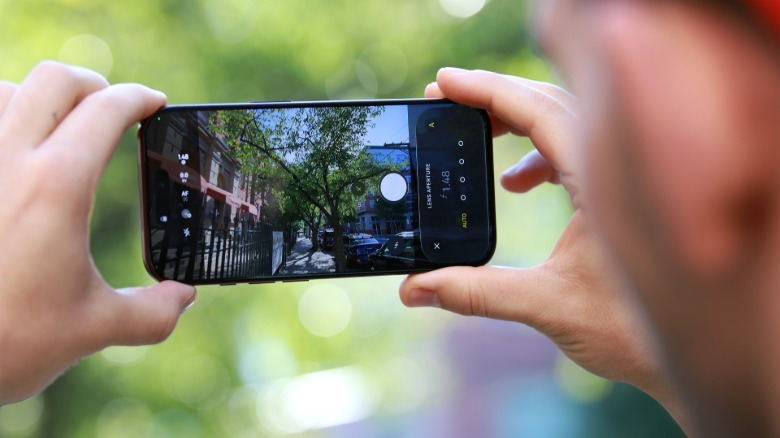
The crowning achievement of the iPhone 18 Pro is undoubtedly the new variable aperture lens system. Utilizing a sophisticated rotor mechanism, Apple has integrated six physical blades that physically constrict or expand the opening to the sensor. Users can toggle between four primary aperture settings: f/1.48, f/1.8, f/2.8, and f/4.0. While the software currently locks these four distinct steps, Apple has confirmed that third-party developers will gain access to a more granular range via the API, opening the door for pro-level photography apps to push the hardware further.
Beyond the hardware, the iPhone 18 Pro introduces a suite of software-driven enhancements:
- Cinematic Effects on Regular Video: The ability to retroactively apply depth-of-field and focus shifts to standard video footage.
- Apple Reference Image: A cryptographic verification system designed to combat AI-generated misinformation.
- Photographic Styles 3: An expanded editing engine that adds a "Texture" layer, including Glow, Soft Skin, and Film grain effects.
- Manual Control Expansion: A shutter speed range spanning from 1/6000s to a full 1 second, providing unprecedented flexibility in low-light and action scenarios.
Chronology: The Evolution of Pro Photography
To understand the magnitude of the iPhone 18 Pro’s updates, one must look at the trajectory of the Pro series over the last three cycles.
The iPhone 17 Pro Era (The Baseline): The predecessor established the industry standard for computational reliability. It excelled in high-dynamic-range (HDR) processing and color science, though it remained tethered to a fixed aperture. Users were forced to rely on "Portrait Mode" software to simulate bokeh—a process that often struggled with edge detection and required specific subject distances.
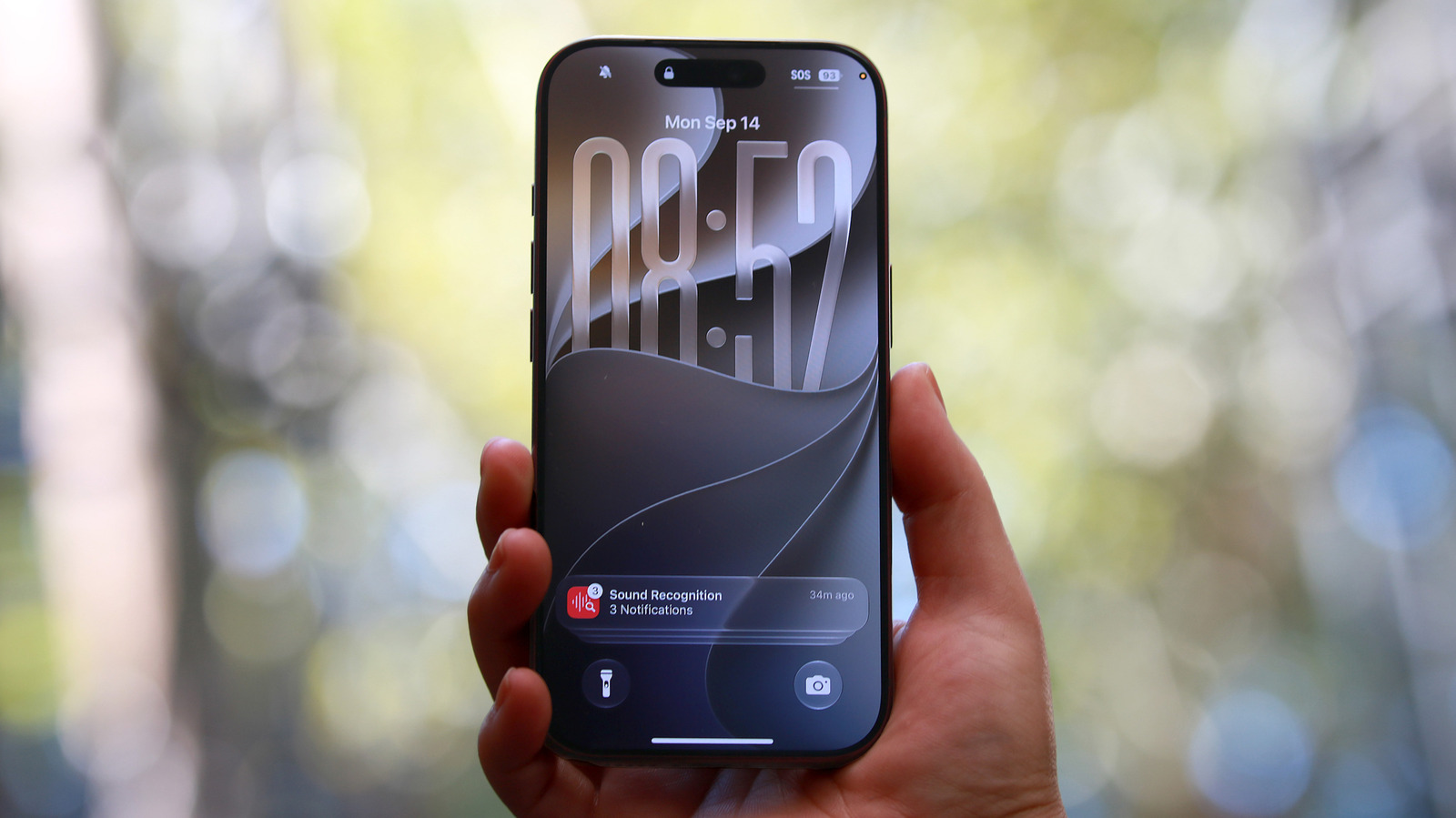
The Transition (Early 2026): As consumer demand for "authentic" photography grew, Apple faced mounting pressure to address the "plastic" look of heavily processed computational images. Rumors of a mechanical aperture began circulating in early Q1, centered on the challenge of fitting a rotor mechanism into the notoriously tight chassis of a smartphone.
The iPhone 18 Pro Launch (Present Day): With the official release, Apple has successfully moved away from purely software-reliant solutions. The launch focused on empowering users to bypass automatic processing, allowing them to exert physical control over light intake and depth of field, effectively signaling the return of "true" optical photography to the mobile form factor.
Supporting Data: Testing the Mechanical Advantage
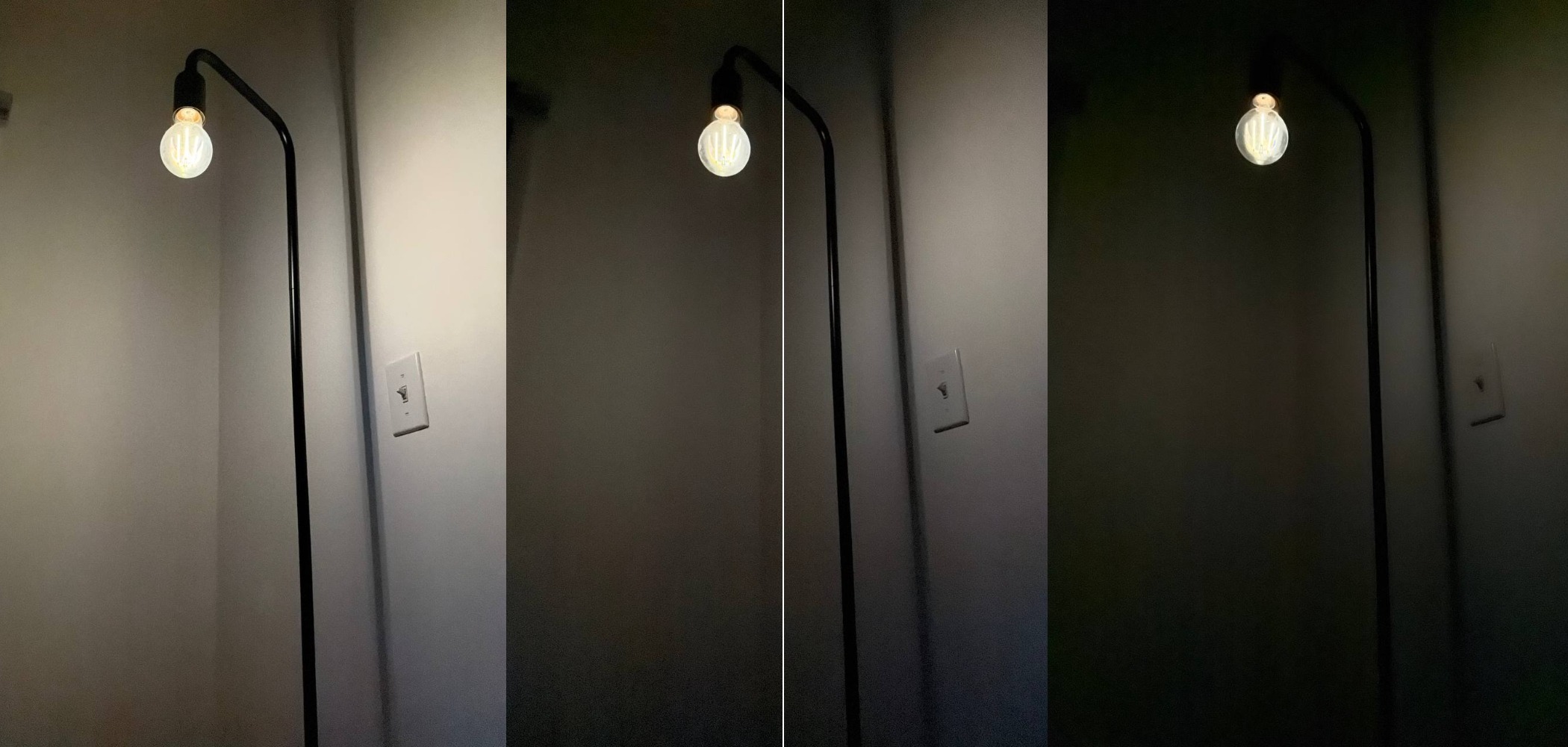
In real-world testing, the impact of the variable aperture is not merely a gimmick—it is a functional utility. At the f/1.48 setting, the sensor captures significant light, making it ideal for low-light environments. Conversely, shifting to f/4.0 allows for greater depth of field, bringing more of a scene into sharp focus, which is particularly useful for landscape shots or architectural photography.
The Impact of Shutter Speed and Aperture Synergy
The true power of the iPhone 18 Pro manifests when pairing the new aperture with manual shutter speed controls. By locking the aperture at f/1.48 and setting the shutter speed to 1/250s, I was able to capture the interplay of light through foliage at dusk—a shot that previously would have been "blown out" by the phone’s auto-exposure algorithm. The resulting bokeh was distinct, characterized by an organic, slightly off-circle shape that feels significantly more natural than the digital blur of previous generations.
The "Reference Image" Verification
Perhaps the most important, albeit less "flashy," feature is the Apple Reference Image. By saving a secondary, sensor-signed RAW file alongside the processed JPEG/HEIF, Apple is creating a trail of custody for visual media. In tests, the comparison tool in the Photos app made it trivial to identify where AI-based "Clean Up" tools had been used. This feature is not just for professionals; it is a vital tool for digital literacy in an era of deepfakes and generative AI.
Official Responses and Developer Integration
Apple’s stance during the launch event was clear: the hardware is only as good as the ecosystem supporting it. "We are moving away from the era where the phone decides for the user," noted an Apple spokesperson. By opening the aperture range to third-party developers, Apple is inviting the photography community to define the next generation of camera apps.
However, the transition has not been without its hitches. The "Cinematic Effects" feature, which allows users to add depth-of-field to standard videos, remains inconsistent. During field tests, the system struggled when subjects moved rapidly toward or away from the camera, occasionally blurring foreground elements that should have remained sharp. Apple maintains that this is a "first-generation implementation" and that machine learning models will continue to improve as more video data is processed via the Neural Engine.
Implications: The Future of Mobile Imaging
The introduction of the iPhone 18 Pro marks a pivotal moment for the smartphone industry. We are witnessing the end of the "black box" camera era—where the user clicks a button and the phone’s processor does the rest.
The Return of the Photographer
By offering physical aperture control, Apple is essentially teaching a new generation of users the fundamentals of the "Exposure Triangle" (ISO, Aperture, Shutter Speed). The implications are profound:
- Professionalization of Mobile: The barrier between a "phone photo" and a "camera photo" is thinner than ever.
- Combating Disinformation: The Reference Image tool is a direct response to the ethical crisis in digital photography. It establishes a standard for verifiable media that competitors will likely feel compelled to follow.
- The End of "Auto" Dominance: While the Camera app will still default to "Auto" for the average user, the existence of these pro-grade tools ensures that the iPhone 18 Pro remains a viable tool for creative professionals.
The Trade-off
It is important to note that these features come with a cost. The complexity of the rotor mechanism and the storage demands of Reference Images mean that the iPhone 18 Pro is a device designed for enthusiasts. For the casual user, the difference between f/1.48 and f/1.8 may be imperceptible, and the additional layer of "Texture" settings in Photographic Styles 3 may seem redundant.
Furthermore, the hardware-exclusivity of these features means that users must upgrade to the Pro model to access them. As iOS 27 rolls out to older devices, many users will find their older iPhones capable of the new software interface, but fundamentally locked out of the mechanical magic that makes the iPhone 18 Pro the most capable imaging device Apple has ever produced.
In conclusion, the iPhone 18 Pro is not a revolution of pixels; it is a revolution of control. By placing the shutter, the aperture, and the verification of reality back into the hands of the user, Apple has successfully repositioned the smartphone as a serious tool for the modern visual storyteller. The road ahead will likely see these features refined, but for now, the iPhone 18 Pro stands as the undisputed king of mobile photography.

 Siti Muinah
 Lina Hope