Ammar Sabilarrohman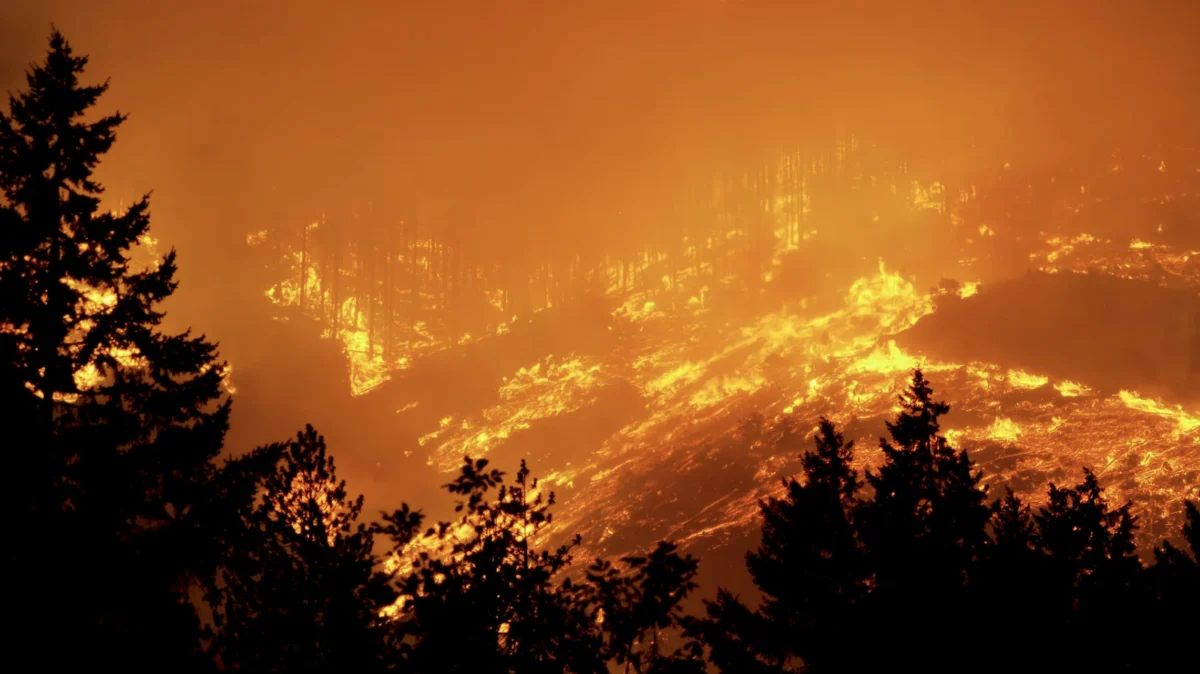
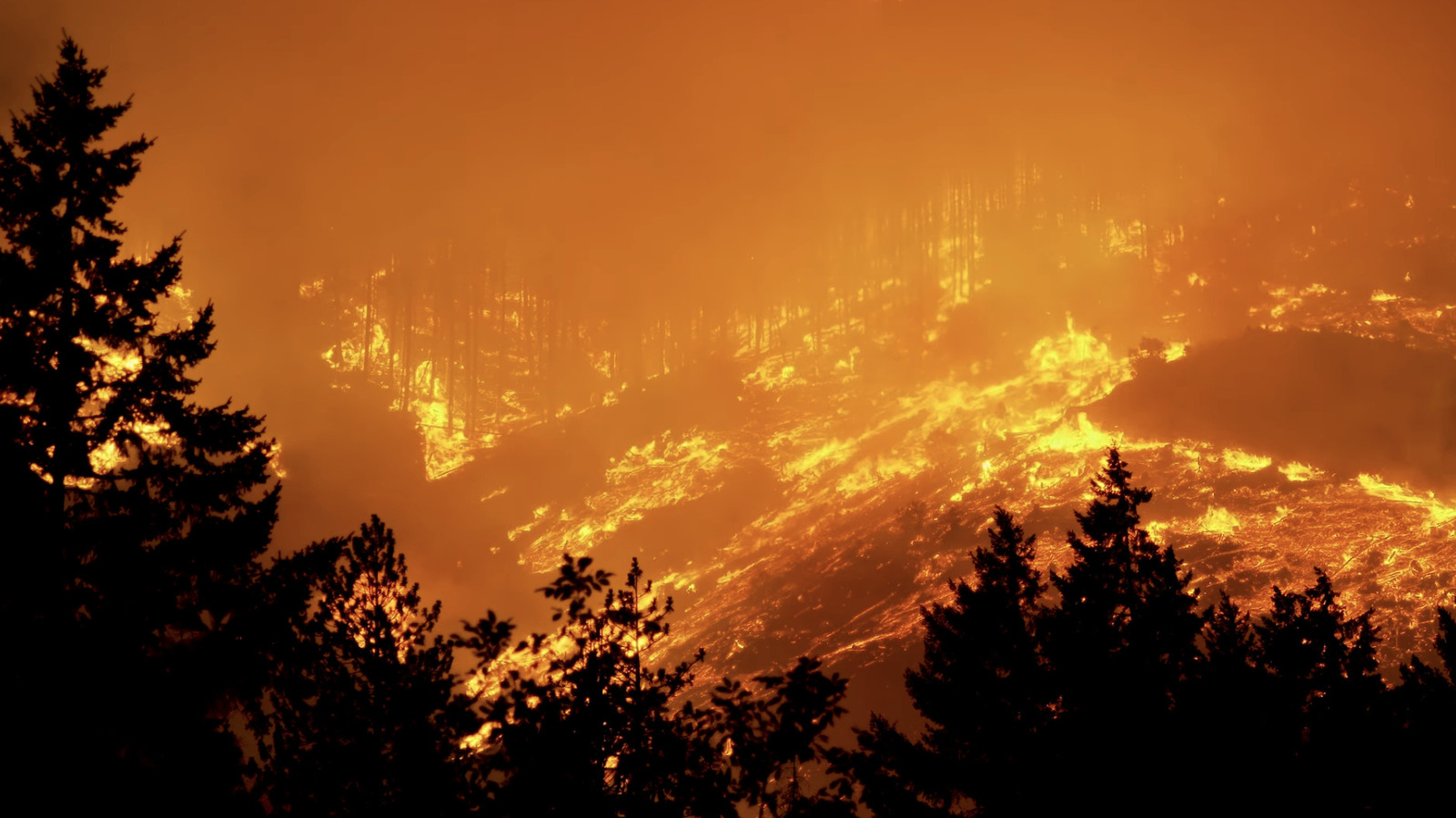
When the average person considers the origins of a wildfire, the mind typically drifts to images of a stray lightning strike, a neglected campfire, or the negligence of a hiker carelessly discarding a cigarette. While these are certainly significant contributors to the nation’s fire statistics, there is a far more ubiquitous—and often overlooked—culprit sitting in driveways across the country: the family car.
As climate change accelerates, resulting in longer, hotter, and drier fire seasons, the margin for error has vanished. Federal and state forestry agencies are increasingly pointing to motor vehicles as a primary catalyst for wildland fires. From the scorching exhaust systems of off-road SUVs to the simple act of driving over dry brush, our daily transportation is playing an outsized role in the escalating ecological crisis facing the United States.
The Magnitude of the Problem: A Statistical Overview
The data is as clear as it is alarming. According to the California Department of Forestry and Fire Protection (CAL FIRE), vehicles are responsible for roughly 10% of all wildland fires in the United States. In some regions, this figure is significantly higher; the Oregon Department of Transportation has identified vehicles as the leading cause of summer wildfires within their state.
The Western Fire Chiefs Association underscores the broader issue: approximately 90% of all wildfires are human-caused. While this category includes everything from downed power lines to arson, the portion attributed to cars, trucks, and off-road vehicles (ORVs) represents a massive, preventable segment of the disaster profile.
The year 2026 has served as a grim milestone for this trend. Since the beginning of the year, the United States has seen nearly 30,000 wildfire starts—a figure that marks the highest frequency in two decades. This surge is not merely a product of climate variables; it is a direct result of the interaction between increased human activity in wildland-urban interfaces and the mechanical realities of modern transportation.
Anatomy of an Incident: The Ocala National Forest Case Study
To understand how a routine drive turns into a catastrophe, one need look no further than the events of April 2026 in Florida’s Ocala National Forest.
A driver navigating a Jeep Wrangler in a remote section of the forest strayed from a designated trail, entering a marshy, brush-heavy area known as Grassy Pond. The vehicle became immobilized in the thick vegetation. As the driver attempted to free the Jeep, the high-temperature exhaust system came into direct contact with the dry, dormant grass.
The ignition was nearly instantaneous. The resulting blaze quickly engulfed the vehicle—a total loss—and spread rapidly to the surrounding environment, consuming 20 acres of the national forest. While 20 acres may seem like a drop in the bucket compared to the forest’s massive 387,000-acre footprint, the incident highlights a dangerous pattern. When multiplied by the thousands of "small" vehicular fire incidents occurring annually across the U.S., the cumulative ecological damage is staggering. Local agencies, including the U.S. Forest Service and Lake County Fire Rescue, spent the better part of two days containing the blaze and managing smoldering hot spots, diverting critical resources away from larger, naturally occurring threats.
Mechanical Culprits: Why Your Car Is a Fire Hazard
The danger posed by vehicles is not limited to extreme off-roading scenarios. In fact, most vehicle-caused fires occur during mundane, everyday driving, often leaving the driver entirely unaware that they have sparked a blaze.
The Catalytic Converter Conundrum
Perhaps the most common, yet least understood, ignition source is the catalytic converter. This essential component of the emissions control system is mandated by federal law to reduce toxic exhaust pollutants. However, these devices operate at extreme temperatures. Under normal driving conditions, they can reach 800°F, but during heavy loads—such as driving up an incline or off-roading—that temperature can climb past 1,500°F.
When a vehicle is parked or driven over tall, dry grass, the converter acts as a heating element against fuel (the grass). Furthermore, catalytic converters are notorious for snagging road debris on their heat shields. If a piece of dry mulch or a stray twig becomes lodged in the heat shield, it can smolder for miles before eventually falling off, ignited and ready to set a roadside shoulder ablaze.
Mechanical Failures and Neglect
Beyond the exhaust system, poor vehicle maintenance serves as a secondary ignition source. Brake pads that have been worn down to the metal backing plate can throw incandescent sparks during sudden stops, particularly on dry, gravel-laden roads.
Tire maintenance is equally critical. Driving on an under-inflated tire causes the sidewall to flex and generate excessive heat; if the tire fails and the driver continues on the wheel rim, the friction against the asphalt or gravel road is essentially a giant spark generator. Similarly, trailer chains that drag on the pavement create a constant shower of sparks—a known cause of large-scale wildfires along major interstate highways.
Official Responses and Preventive Strategies
Fire agencies are shifting their public outreach strategies to address the vehicular threat. The emphasis is moving from "don’t play with matches" to "check your vehicle."
Mandatory Equipment and Modifications
For enthusiasts who frequently head off-road, the use of spark arrestors is non-negotiable. These are small, precision-engineered mesh screens installed inside the muffler that capture carbon embers before they can be expelled from the exhaust pipe. Without a properly maintained spark arrestor, a motorcycle or ATV is essentially a mobile flamethrower in dry conditions.
Public Awareness and Advocacy
State departments of transportation and forest services are lobbying for better roadside vegetation management, such as clearing dry brush from high-risk highway shoulders. However, they emphasize that personal responsibility remains the most effective tool.
Key recommendations for the average motorist include:
- Avoiding Tall Grass: Never pull off the road into tall, dry, or brown grass. The heat from the undercarriage is more than enough to ignite vegetation in seconds.
- Proper Maintenance: Regularly check brake pads, tire pressure, and exhaust integrity.
- Emergency Preparedness: Drivers who frequent remote areas should carry a high-quality, automotive-rated fire extinguisher. Being able to suppress a fire in its first 30 seconds can mean the difference between a minor mechanical mishap and a forest-wide catastrophe.
- Secure Equipment: Ensure that no parts of your vehicle—such as chains, hitches, or low-hanging exhaust pipes—are scraping the ground.
The Broader Implications: A Changing Climate, A Growing Risk
The correlation between vehicle-caused fires and the current state of the American landscape is undeniable. As regional droughts become more severe and the "wildland-urban interface"—the area where human development meets undeveloped land—continues to expand, the frequency of these incidents is likely to rise.
The ecological impact of these fires is profound. They do not just burn trees; they destroy soil integrity, accelerate invasive plant growth, and displace wildlife. When these fires start near residential areas, they also place an immense strain on insurance markets, public safety budgets, and the mental health of communities living in constant fear of evacuation.
Ultimately, the goal is to shift the cultural perception of the automobile. While we view our cars as tools of freedom and utility, we must also recognize them as potential fire-starters. By integrating fire-safety checks into our routine vehicle maintenance and exercising increased caution when navigating wildland areas, we can mitigate one of the most preventable drivers of the wildfire crisis.
The next time you pull your vehicle into a scenic overlook or navigate a dirt path to a campsite, remember: the dry grass beneath your car is just as susceptible to your exhaust as a pile of kindling. In an era of record-breaking fire seasons, a little bit of mechanical awareness can go a long way in protecting our nation’s precious, and increasingly fragile, wild spaces.


 Jia Lissa
 Neng Nana