Nana Wu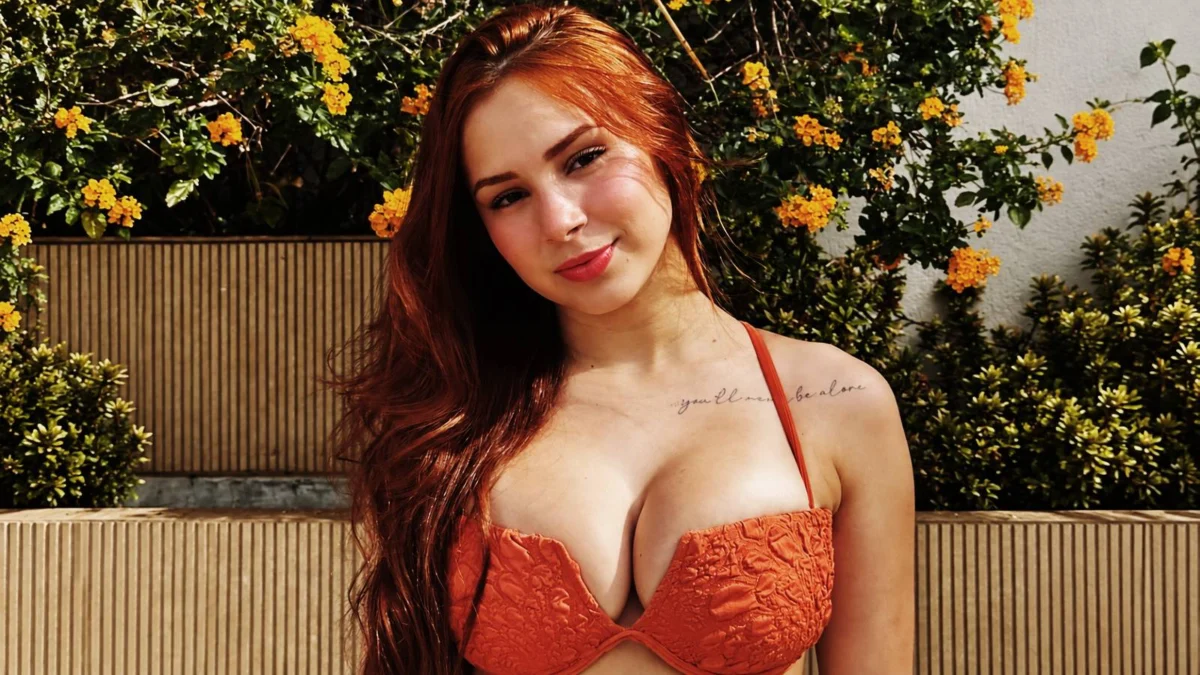
The digital landscape is mourning the sudden and untimely loss of Maria Eduarda Alves dos Santos, known to millions of her followers simply as "Duda Alves." The 22-year-old Brazilian TikTok sensation, whose vibrant personality and relatable humor earned her a massive following of over 750,000 users, passed away on September 13. Her death has sparked a profound outpouring of grief across social media platforms and has reignited a critical, often uncomfortable, global conversation regarding the risks associated with elective cosmetic surgery and the pressures of beauty standards in the influencer era.
The Life and Legacy of Duda Alves
Duda Alves was more than just a face on a screen; she was a cultural touchstone for a generation of young Brazilians who found solace and entertainment in her content. Amassing 27 million likes on TikTok, Alves built her brand on authenticity and sharp, observational humor. She was perhaps best known for her signature "dislikes" series—a recurring segment where she candidly listed the trivial, everyday annoyances of life.
Her content was a testament to the power of the "relatable influencer." By stripping away the curated, often unattainable perfection that defines much of social media, she carved out a niche that felt personal and grounded. Her family, friends, and fans are currently grappling with the silence left behind by a creator who seemed poised for a long and influential career. During her wake at the São João Paulo II Parish in Brasília on September 15, the atmosphere was one of profound heartbreak as loved ones gathered to honor a life that was cut short just as it was reaching its zenith.
A Chronology of the Final Weeks
The timeline leading up to the tragedy has become a subject of intense public scrutiny, largely because Alves was exceptionally transparent about her medical journey with her audience.
- Mid-August: Alves undergoes a breast-reduction surgery. According to reports from the Brazilian outlet UOL, the decision was motivated by physical discomfort and a desire for better body proportionality.
- Early September: Alves begins posting regular updates on her recovery. While she initially sought to share her journey, the narrative shifted as she experienced unexpected physical distress.
- September 8: In a poignant video, Alves reveals that it has been roughly three weeks post-operation. She speaks candidly about the agony of her recovery, citing frequent bouts of vomiting and intense, persistent pain that left her in tears.
- September 9: Alves posts her final TikTok video. Despite her physical suffering, she uses her platform to defend her decision against criticism from men who questioned her choice to undergo the procedure. She reaffirms that the surgery was a personal decision driven by comfort and aesthetic preference.
- September 13: Duda Alves passes away.
- September 15: Her family publicly confirms her death, and a funeral service is held in Brasília.
Investigating the Unanswered Questions
As of this writing, the official cause of death remains undisclosed. The Civil Police of Brazil’s Federal District have launched an official investigation into the circumstances surrounding her passing. However, authorities have been tight-lipped, citing the privacy of the grieving family and the sensitivity of the ongoing inquiry.
It is critical to note that at this stage, there is no established medical link between the breast-reduction surgery and the cause of death. Medical professionals caution against premature speculation, noting that post-operative complications can vary wildly, and that it is entirely possible the surgery was unrelated to the final outcome. Nevertheless, the proximity of the procedure to her passing has naturally drawn the attention of both the public and medical ethics experts.
The Rising Trend of "Influencer Surgery"
The death of Duda Alves does not exist in a vacuum. She is the latest in a series of high-profile deaths involving social media figures who have pursued cosmetic procedures.
The industry of aesthetic medicine has seen an explosive growth, fueled in part by the "TikTok effect," where cosmetic procedures are normalized, marketed, and often glamorized to younger audiences. When influencers document their surgeries—from the operating table to the recovery bed—it creates a sense of "surgical accessibility." This can lead followers to underestimate the inherent risks of anesthesia, infection, and long-term complications.
Recent tragedies underscore this volatility:
- Olivia Oras: The 27-year-old influencer passed away recently following complications from a cosmetic procedure, triggering a police investigation into the medical facility involved.
- Igho “Tiny” Ubiribo: The influencer died following a penis enlargement procedure, highlighting the often-dangerous pursuit of extreme body modification.
These incidents have created a growing chorus of critics who argue that social media platforms are failing to regulate content that promotes dangerous or unnecessary surgical interventions.
The Cultural Implications: Pressure and Transparency
The debate surrounding Alves’ death touches on the intersection of digital fame and body image. Alves, like many others, faced public judgment for her physical appearance. The fact that she felt the need to post a final video defending her decision to undergo surgery against anonymous critics is indicative of the immense pressure influencers face.
When an influencer is scrutinized for their looks, they are often pushed toward surgical solutions to satisfy the "male gaze" or societal beauty standards. When they choose to undergo those surgeries, they are then scrutinized for the procedures themselves. This "damned if you do, damned if you don’t" environment creates a toxic feedback loop that can have fatal consequences.
Furthermore, the "recovery content" genre—where influencers monetize their healing process—raises ethical questions. Is it appropriate for creators to film themselves while in extreme pain, such as the vomiting and crying Alves documented? Does this provide a "real" look at surgery, or does it contribute to a culture that commodifies trauma?
Public Response and Family Mourning
The reaction from the community has been one of shock and deep sadness. Her cousin, Geovana Alves, spoke to the media about the void left by Duda’s passing, reminiscing about a life defined by travel, laughter, and shared dreams. Her father’s remarks at the wake, thanking the fans who supported his daughter, served as a poignant reminder that behind the follower count and the digital persona was a young woman with a family who loved her dearly.
The loss of Duda Alves serves as a somber reminder of the fragility of life. For her 750,000 followers, the screen has gone dark, and the "dislike" lists have ended. For the broader public, her story remains a cautionary tale about the intersection of modern medicine, social media influence, and the relentless pressure to be perfect in an imperfect world.
Looking Ahead: The Need for Stricter Standards
As the investigation in Brazil continues, the medical community and social media companies face mounting pressure to address the safety of the "aesthetic influencer" economy. Experts are calling for:
- Stricter vetting of medical providers who partner with influencers.
- Increased transparency in social media disclosures when procedures are sponsored or gifted.
- Greater psychological screening for patients who are heavily influenced by social media trends.
While we await the findings of the authorities regarding Duda Alves’ death, one thing is certain: her legacy will be defined not just by her humor, but by the vital conversation she has inadvertently forced the world to have. Her death is a tragedy that demands more than just a moment of silence; it demands a critical re-evaluation of how we value, modify, and portray our bodies in the digital age.
For now, the focus remains on the family of Maria Eduarda Alves dos Santos as they navigate their grief, and on the hope that the truth will provide some measure of closure for those who loved her most. The digital world may be fast-paced and fleeting, but the lives lost within it leave marks that are indelible.

 Azzam Bilal Chamdy
 Evan Lee Salim