Nana Muazin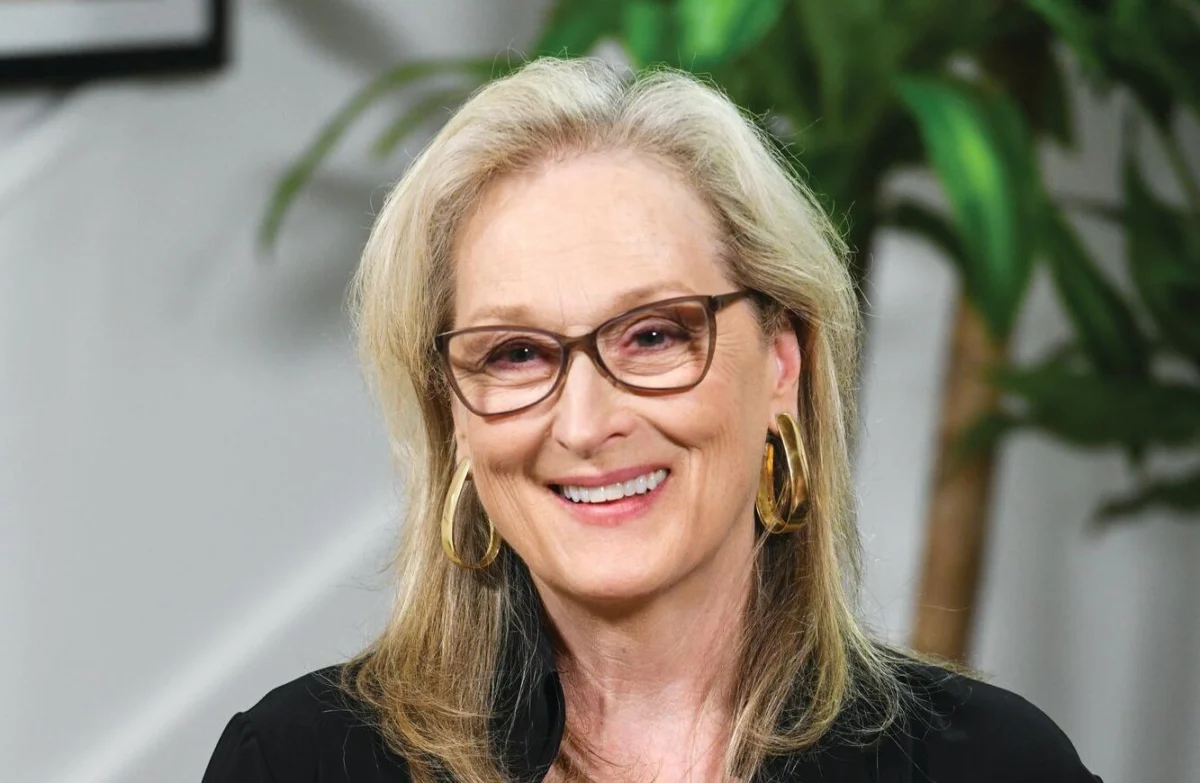
In a move that has sent shockwaves through the cinematic landscape, visionary filmmaker Greta Gerwig has unveiled the cornerstone of her highly anticipated Netflix adaptation of C.S. Lewis’s The Chronicles of Narnia. Rejoining forces with her Little Women collaborator, the legendary Meryl Streep, Gerwig has cast the three-time Academy Award winner as the voice of Aslan, the great lion and deity-like architect of the Narnian universe.
This casting choice serves as a bold declaration of intent for Gerwig’s vision of the beloved fantasy series. By selecting an actor of Streep’s unparalleled pedigree, Gerwig is signaling that her interpretation of the Pevensie-adjacent prequel, The Magician’s Nephew, will eschew standard blockbuster tropes in favor of deep character study, emotional gravitas, and a radical aesthetic departure from previous iterations.
The Genesis of a New Narnia: Main Facts
The Magician’s Nephew, which serves as the narrative prequel to the seminal The Lion, the Witch and the Wardrobe, chronicles the creation of the mystical world. The story follows Digory Kirke and Polly Plummer, two children thrust into an interdimensional journey after being gifted magical rings by Digory’s eccentric and dangerous uncle, Andrew Ketterley—a role set to be played by Daniel Craig.
The project, which represents Gerwig’s first major directorial effort following the global, billion-dollar cultural phenomenon of Barbie, is a massive undertaking for Netflix. The film has recently shifted its release schedule, moving from an original Thanksgiving 2026 slot to a global theatrical premiere on February 12, 2027, followed by a streaming debut on Netflix on April 2, 2027.
The cast is a veritable "who’s who" of contemporary talent. Beyond Streep and Craig, the ensemble includes rising star David McKenna, Beatrice Campbell, Emma Mackey, Carey Mulligan, and the venerable Ciarán Hinds. This collection of actors underscores the prestige nature of the production, positioning it as a significant awards-season contender rather than a mere studio franchise play.
A Visionary’s Rationale: Why Meryl Streep?
The decision to cast Meryl Streep as Aslan—traditionally portrayed as a powerful, masculine figure in previous media—is arguably the most provocative creative choice of Gerwig’s career. However, in an exclusive cover story with Empire, Gerwig articulated a precise, deeply personal reasoning for the selection.
"I wanted someone who was profound but not pretentious, who had gravitas but not morose self-seriousness," Gerwig explained. "Someone who could communicate depth and pathos as well as joy and delight. I wanted someone who was older than 70, so there was a wisdom of experience, but who also had the capacity of fresh wonder, like a child. And also to be one of the greatest actors to ever do it. That list is not a long one."
For Gerwig, Streep embodies the duality of the character: the terrifying, awe-inspiring creator of a world, and the gentle, nurturing presence that guides the innocent. It is a performance that seeks to capture the "wisdom of experience" while maintaining the "fresh wonder" of the world’s first dawn.
The Aesthetic and Sonic Blueprint: A "Rock Opera"
Perhaps the most surprising revelation regarding the film’s tone is Gerwig’s admission that she has looked to the icons of 1970s rock music for inspiration. Far from the pastoral, high-fantasy aesthetic often associated with Lewis’s work, Gerwig envisions this Narnia as a "rock opera."
The look of Aslan himself has been radically reimagined. Drawing inspiration from the late David Bowie, Aslan will feature multicolored eyes and a distinctively striped face, reflecting a surreal, otherworldly beauty rather than literal feline realism.
"David Bowie saved my life," Gerwig confessed to Empire. "Paul McCartney saved my life. David Gilmour saved my life. Pete Townshend saved my life. Jimmy Page, Robert Plant. When I heard their music, I had this deep sense of thinking, ‘You’re gonna be OK.’"
Gerwig views the creation of Narnia through a musical lens. "Narnia is literally a world made out of music. It is a world sung to life by Aslan, and rock ’n’ roll to me felt like a world made out of music." This suggests a film that will prioritize sensory immersion, potentially utilizing a score and sound design that emphasizes the "singing" of the world into existence, mirroring the biblical resonance of the original text through the lens of a classic, anthemic rock aesthetic.
Chronology of Development
The path to The Magician’s Nephew has been a long and winding road for Netflix. Since acquiring the rights to the entirety of C.S. Lewis’s seven-book series in 2018, the streamer has struggled to find the right creative stewardship.
- 2018: Netflix announces a multi-year deal with The C.S. Lewis Company to develop series and films based on The Chronicles of Narnia.
- 2021: Early reports suggest various writers and directors attached, but the project stalls as the studio attempts to find a unified vision for a cinematic universe.
- 2023: Greta Gerwig is officially confirmed to write and direct at least two films in the Narnia cycle.
- 2024: Casting announcements begin to surface, with Daniel Craig and Meryl Streep joining the project.
- 2025: Production begins under a veil of secrecy, with Gerwig citing an extensive prep period to nail the visual language of the "Wood Between the Worlds."
- 2027: The scheduled premiere of The Magician’s Nephew, marking the beginning of the new franchise era.
Implications for the Genre and the Industry
The success or failure of Gerwig’s Narnia will have profound implications for both Netflix and the fantasy genre at large. For Netflix, this is a strategic play to establish an intellectual property (IP) tentpole that can compete with the likes of Disney’s Star Wars or Amazon’s The Lord of the Rings: The Rings of Power.
However, by hiring an auteur like Gerwig, Netflix is betting that audiences are craving a director-driven blockbuster rather than a committee-led franchise. If the "rock opera" vision resonates, it could fundamentally shift how studios approach fantasy adaptations—moving away from the "gray-scale" realism that dominated the 2010s and toward a more stylized, personal, and emotive visual language.
Furthermore, the casting of Streep as Aslan sets a precedent for gender-blind or gender-fluid casting in high-fantasy roles. It challenges the traditional archetype of the "divine father" figure in fantasy literature, suggesting that the divine, in Gerwig’s eyes, is beyond binary constraints.
The Weight of Expectation
Gerwig is no stranger to pressure. Her transition from mumblecore indie darling to the director of the highest-grossing film of 2023 has put a target on her back. With The Magician’s Nephew, she is tackling a literary cornerstone that holds deep sentimental value for generations of readers.
The inclusion of Ciarán Hinds and Carey Mulligan suggests that the supporting cast will provide the necessary human anchor for the more ethereal elements of the plot. As Digory and Polly navigate the Wood Between the Worlds, they will encounter a multiverse of possibility—a concept that fits perfectly with Gerwig’s penchant for exploring the complexities of human maturation and the loss of childhood innocence.
As the release date draws nearer, the anticipation will only build. Fans of the books are already debating the merits of the "rock opera" aesthetic, while cinephiles are eagerly awaiting what is arguably the most ambitious pairing of director and subject matter in recent memory.
In the final analysis, Greta Gerwig’s Narnia appears to be a project that is entirely uninterested in being a carbon copy of what came before. By synthesizing the music of her youth, the dramatic weight of her favorite actors, and the foundational myths of C.S. Lewis, she is attempting to do something rare: to make the familiar feel entirely, startlingly new. Whether or not she succeeds in "singing a new world into life" remains to be seen, but one thing is certain: the world of Narnia will never be the same again.

 Asro
Asro