Pevita Pearce
In the modern urban landscape, silence has become a luxury commodity. As our environments grow increasingly cluttered with the mechanical hum of transit, the drone of HVAC systems, and the relentless chatter of open-office plans, personal audio technology has evolved to provide a sanctuary. Active Noise Cancellation (ANC), once a specialized tool for pilots and high-end audiophiles, has permeated every level of the consumer electronics market. Yet, as this technology becomes ubiquitous, users are discovering that the "on" switch for silence is not a universal panacea. Understanding the physics, the utility, and the potential drawbacks of ANC is essential for any modern listener.
The Science of Silence: How ANC Works
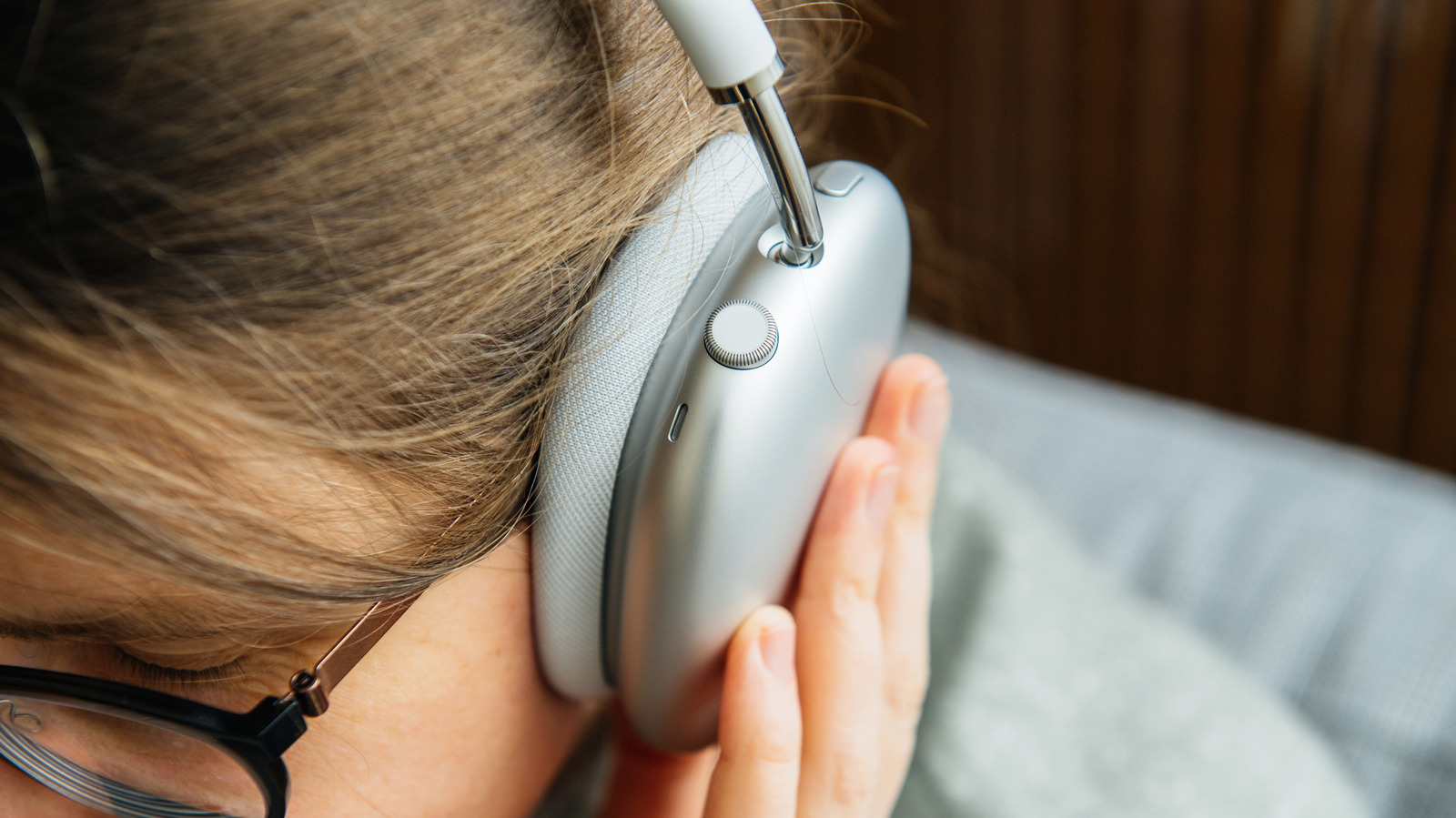
At its core, Active Noise Cancellation is a triumph of real-time signal processing. While passive noise isolation—the simple act of placing a physical barrier between your eardrum and the environment—relies on foam tips or padded earcups, ANC utilizes sophisticated electronic circuitry to combat sound waves directly.
The process begins with an array of integrated microphones that constantly sample the ambient soundscape. These microphones capture the incoming waves, which the headphone’s internal processor analyzes in fractions of a millisecond. The hardware then generates an "anti-noise" signal—a sound wave that is the exact mirror image, or inverted phase, of the ambient noise. When the inverted wave meets the original sound wave, they undergo "destructive interference," effectively neutralizing the sound before it reaches the listener’s ear.
This process requires significant computational power. The latency must be near-zero; even a millisecond of delay would cause the inverted wave to fall out of sync, creating audible artifacts or "chatter" rather than silence. This technical demand explains why ANC-equipped devices carry a higher price point than their non-canceling counterparts and why their battery consumption is significantly higher.
A Chronological Evolution of Audio Isolation
The history of noise cancellation is a testament to the intersection of industrial necessity and consumer demand.
- 1930s–1950s (The Experimental Era): The fundamental patents for noise cancellation were filed by Dr. Paul Lueg in 1933, but the technology remained theoretical due to the lack of miniaturized electronic components.
- 1950s–1970s (Aviation Focus): Dr. Amar Bose, frustrated by the roar of airplane engines during a transatlantic flight in 1978, began researching how to create a more peaceful listening experience. His work led to the first commercially viable ANC headsets for pilots, aimed at preventing hearing loss caused by cockpit noise.
- 1989 (The Consumer Breakthrough): Bose released the first noise-canceling headset available to the general public, primarily marketed toward airline travelers.
- 2000s (The Digital Age): With the advent of digital signal processing (DSP), ANC became more accurate and adaptive. Brands like Sony, Sennheiser, and later Apple began integrating these chips into portable earbuds.
- 2020s–Present (The Transparency Era): The modern era is defined by "Hybrid ANC." Manufacturers now prioritize ambient sound modes—Transparency or Pass-through modes—acknowledging that total silence is not always the desired outcome.
The Tangible Benefits of ANC
The proliferation of ANC technology is driven by undeniable advantages that extend beyond mere comfort.
Enhanced Audio Fidelity
When listening to music in a noisy environment, the human brain struggles to distinguish the nuances of a recording against the "noise floor" of the surroundings. By suppressing the external environment, ANC allows the listener to hear the full dynamic range of their audio at lower volumes. This provides a cleaner, more immersive experience that prevents the listener from "cranking up" the volume to drown out the world—a primary cause of noise-induced hearing loss.
Psychological and Physiological Relief
For many, the benefits of ANC are neurological. Constant exposure to low-frequency background noise (the "white noise" of a train or airplane) has been linked to increased cortisol levels and mental fatigue. By removing this sensory overload, ANC helps users maintain focus, reduce anxiety, and improve productivity. There is even a growing market for "sleep-focused" earbuds that leverage ANC to mask snoring or city traffic, enabling deeper restorative sleep for light sleepers.
Professional Utility
In the post-pandemic era of hybrid work, ANC has become an essential professional tool. Integrated microphone systems now often use beamforming and ANC algorithms to isolate the speaker’s voice from background noise, ensuring that video conference participants sound clear even if they are working from a busy coffee shop.
The Shadow Side: Limitations and Hidden Costs
Despite its brilliance, ANC is not without significant caveats. Users must be aware of the trade-offs inherent in this technology.
The Frequency Gap
Physics dictates the limitations of ANC. It is exceptionally effective at canceling continuous, low-frequency, predictable sounds (the hum of a jet engine, the drone of a refrigerator). However, it struggles with "transient" or high-frequency sounds—sudden, sharp noises like a baby crying, a dog barking, or a car horn. Because these sounds happen too quickly for the processor to sample and invert, they often "bleed" through, which can be startling for a user who has become accustomed to total silence.
The "Eardrum Sensation"
A subset of users reports a feeling of pressure, often described as a "vacuum" effect, when using ANC headphones. While this is not actually changing air pressure, the brain interprets the sudden absence of low-frequency sound as a change in atmospheric pressure. This can lead to headaches or nausea for sensitive individuals.
The Safety Paradox
The most critical downside to ANC is the compromise of situational awareness. By design, these devices isolate the user from their environment. When walking, cycling, or driving, the inability to hear approaching vehicles, emergency sirens, or verbal warnings can lead to dangerous situations. This is precisely why many jurisdictions are debating regulations regarding the use of noise-canceling technology in public thoroughfares.
Battery Drain and Environmental Impact
ANC is a power-hungry feature. Because the processor must constantly sample and invert audio waves, the battery life of ANC headphones is significantly lower than that of non-ANC models. Furthermore, the reliance on high-performance batteries and complex circuitry complicates the lifecycle of these products, often making them more difficult to recycle or repair compared to traditional analog wired headphones.
Implications for the Future
The industry is currently pivoting toward "Adaptive ANC," a feature where the software automatically adjusts the level of cancellation based on the environment. If you are in a quiet office, the system reduces the intensity to prevent the "pressure" feeling; if you step onto a subway, the system ramps up to full power.
Additionally, the rise of "Transparency Mode" is an essential development. This feature uses the external microphones to pipe in ambient sound, allowing the user to engage in a conversation without removing their headset. This hybrid approach suggests that the future of audio is not just about blocking out the world, but about having the agency to choose exactly how much of the world you want to let in.
For the consumer, the choice remains a personal one. While ANC is a transformative technology that can enhance focus and protect hearing, it requires a mindful approach. Turning off the feature when navigating the physical world or during quiet, controlled environments can save battery life and ensure that your ears remain connected to the environment when it matters most. As with all powerful technologies, the key to success lies in moderation and awareness.

 Ammar Sabilarrohman
 Jia Lissa