

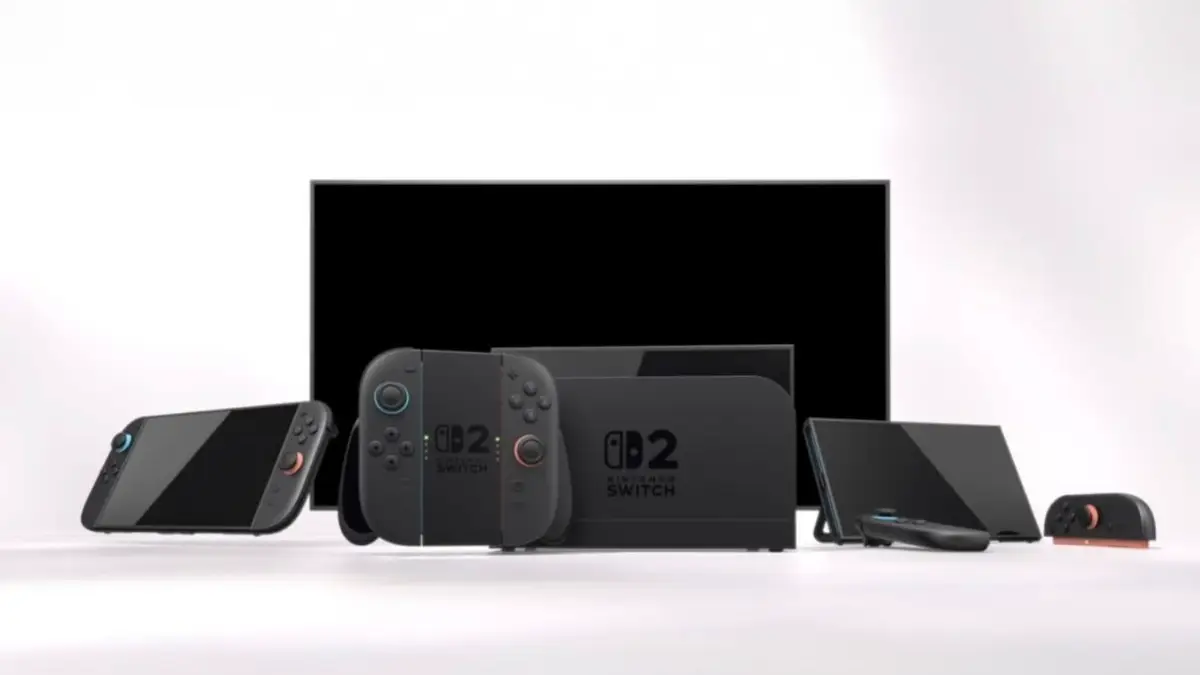
REDMOND, WA – Nintendo, the venerable Japanese video game giant, is reportedly planning a significant ramp-up in the production of its highly anticipated next-generation console, widely referred to as the "Switch 2." According to sources familiar with the matter, the platform holder is aiming to produce 20 million units, a substantial increase from its earlier, more conservative forecast of 16.5 million units for the upcoming fiscal year. This reported 20% surge in production signals Nintendo’s heightened confidence in the Switch 2’s market potential and its strategy to meet what is expected to be robust global demand.
The news, initially reported by Bloomberg, underscores a strategic shift for Nintendo, which has historically been known for its cautious projections. While these production targets are reportedly not yet final and remain subject to market demand fluctuations, the upward revision provides a strong indication of the company’s internal expectations for its latest hardware offering. This move comes on the heels of an exceptionally strong financial year for Nintendo, largely driven by the successful launch and initial performance of the Switch 2, which has already demonstrated an "extremely fast" pace of adoption.
Main Facts
Production Surge for Nintendo’s Next-Gen Console
Nintendo is reportedly setting its sights on manufacturing an ambitious 20 million units of its next-generation console, the Switch 2, for the upcoming fiscal year. This figure represents a considerable escalation from the company’s initial internal projection of 16.5 million units, marking a notable 20% increase in anticipated production volume. The report, citing unnamed sources close to the matter, suggests a proactive measure by Nintendo to preemptively address what it expects to be a fervent consumer demand for the new hardware. The decision to scale up production underscores a potential shift in Nintendo’s typically conservative forecasting approach, reflecting a strong belief in the Switch 2’s immediate market appeal and long-term trajectory.
However, it is crucial to note that these figures, while indicative of Nintendo’s current strategic thinking, are not yet solidified. The sources emphasize that the production targets are fluid and could be adjusted further based on real-world market dynamics, supply chain capabilities, and evolving consumer demand post-launch. This flexibility allows Nintendo to adapt to unforeseen challenges or opportunities, a lesson perhaps learned from past console launches where supply often struggled to keep pace with initial enthusiasm.
Contextualizing Nintendo’s Strategic Playbook
This aggressive production target for the Switch 2 can be understood within the broader context of Nintendo’s established market strategies. The company has a well-documented history of issuing conservative sales forecasts, only to significantly surpass them once its products hit the market. A prime example is the original Nintendo Switch, where initial internal projections before its launch were reportedly around 15 million units. However, the console went on to sell a remarkable 19.9 million units in its first full year, demonstrating the company’s tendency to under-promise and over-deliver. This strategic approach minimizes potential investor disappointment and allows Nintendo to celebrate exceeding expectations, thereby fostering positive market sentiment.
The decision to boost Switch 2 production is further bolstered by the robust financial performance Nintendo has already experienced in the fiscal year following the Switch 2’s launch. The company reported a phenomenal 98.6% increase in net sales, reaching an astounding ¥2.3 trillion (approximately $14.6 billion USD). Dedicated platform sales, encompassing hardware, software, and accessories, also saw a monumental 106.7% increase, totaling ¥2.2 trillion ($14 billion USD). These figures paint a clear picture of a company in robust health, with the financial muscle and market momentum to support an ambitious production schedule for its new flagship console. The increased production is a direct reflection of this current success and the anticipated continuation of strong sales for the Switch 2.
Chronology of Projections and Performance
From Conservative Estimates to Market Reality
Nintendo’s journey with its hardware projections has often followed a predictable pattern: cautious initial outlooks followed by impressive overperformance. This pattern is particularly evident when examining the trajectory of the original Nintendo Switch. Prior to its highly anticipated launch in March 2017, internal projections for its initial sales year were reportedly conservative, hovering around the 15 million unit mark. Yet, the hybrid console defied these modest expectations, captivating a global audience and ultimately selling approximately 19.9 million units within its first full fiscal year. This significant overperformance established a precedent for Nintendo’s "lowballing" strategy, a calculated move to manage expectations and create positive news cycles when targets are inevitably surpassed.
Fast forward to the present, and a similar narrative appears to be unfolding with the Switch 2. Following its launch, Nintendo initially forecast sales of 16.5 million units for the upcoming fiscal year. This forecast itself represented a slight decline compared to the previous fiscal year’s performance of the combined Switch family, suggesting a careful, measured approach to market penetration for the new console. However, the initial market reception and rapid adoption rate of the Switch 2 seem to have quickly outstripped these preliminary conservative estimates, prompting a swift re-evaluation within the company.
The Latest Revision: A Bold Leap
The most recent development in this ongoing saga is the reported decision to elevate the Switch 2’s production target to 20 million units. This marks a substantial 20% upward revision from the 16.5 million unit forecast, signaling a more aggressive stance from Nintendo in anticipating and meeting consumer demand. This isn’t merely an incremental adjustment; it reflects a significant vote of confidence in the Switch 2’s ability to maintain its early momentum and capture a larger market share than initially projected.
The timing of this increase is particularly noteworthy, occurring relatively early in the Switch 2’s lifecycle. It suggests that internal data, perhaps from initial sales trends, pre-orders, and market research, indicates a stronger-than-expected appetite for the new console. By committing to a higher production volume, Nintendo aims to mitigate potential supply shortages, which have plagued numerous console launches in the past, including those from competitors like Sony and Microsoft. Ensuring adequate stock on shelves is paramount for capitalizing on launch window excitement and preventing frustrated consumers from delaying purchases or seeking alternative entertainment options. This proactive adjustment highlights Nintendo’s intent to sustain the Switch 2’s rapid adoption pace and build a robust installed base as quickly as possible.
Supporting Data and Market Analysis
Analyst Insights on Nintendo’s Playbook
Industry analysts have long observed Nintendo’s distinctive approach to market forecasting, often characterizing it as a deliberate strategy of under-promising and over-delivering. Serkan Toto, a prominent industry analyst, articulated this dynamic clearly, stating, "For them, there is no real downside in lowballing numbers first and then surpassing them later. The just-finished fiscal year is a good example." This strategy not only sets achievable benchmarks for investors but also generates positive media attention when the company inevitably exceeds its own modest targets. It creates a narrative of consistent success and resilience, even in challenging market conditions.
Toto himself had predicted a more optimistic 18 million units sold for the fiscal year, a figure that now appears conservative in light of Nintendo’s reported 20 million unit production target. His earlier prediction, made despite recent price increases for the Switch 2, underscored a belief in the console’s inherent appeal and Nintendo’s ability to navigate economic headwinds. The analyst’s perspective highlights that while external factors like price adjustments might seem detrimental on the surface, Nintendo often finds "creative ways… to soften the blow, such as with bundles." This adaptability and strategic bundling could further bolster sales and justify the increased production.
Financial Health and Growth Drivers
Nintendo’s financial reports following the Switch 2’s inaugural fiscal year paint a picture of extraordinary success and provide a solid foundation for the increased production targets. The company announced a staggering 98.6% increase in net sales, reaching an impressive ¥2.3 trillion (approximately $14.6 billion USD). This near doubling of revenue underscores the profound impact of the Switch 2’s introduction and its immediate resonance with consumers globally. Such significant financial growth provides Nintendo with considerable capital and confidence to invest heavily in its manufacturing and distribution capabilities.
Further reinforcing this robust financial standing, dedicated platform sales—which encompass hardware, software, and accessories—soared by an even more remarkable 106.7%, totaling ¥2.2 trillion ($14 billion USD). This metric is particularly telling, as it indicates a strong performance across the entire Switch 2 ecosystem, not just the console itself. The substantial increase in software and accessory sales suggests that early adopters are not only purchasing the hardware but are also heavily investing in the broader Switch 2 experience. This robust ecosystem engagement is a critical driver for long-term profitability and reinforces the justification for a larger installed base, which the 20 million unit production aims to achieve. The strong attachment rate of software and accessories per console sold contributes significantly to the overall revenue, making the expanded hardware production a strategically sound decision.
Navigating Economic Headwinds: Price Adjustments
The current economic climate, characterized by inflationary pressures and supply chain complexities, has led to increased manufacturing costs across the electronics industry. Nintendo has not been immune to these pressures, having implemented recent price increases for its hardware. Nintendo President Shuntaro Furukawa openly attributed these price adjustments to "current market conditions" and sustained component costs. This transparency, while acknowledging a potential hurdle for consumers, positions the price hike as a necessary response to broader economic realities rather than a unilateral decision to increase profit margins.
However, the perceived impact of these price increases on consumer purchasing decisions is a key consideration for Nintendo. Serkan Toto’s analysis offers insight into how the company might mitigate this. He suggested that "Consumers will get used to the higher cost eventually, and there are creative ways for Nintendo to soften the blow, such as with bundles." This highlights Nintendo’s potential strategy to offer value-added packages that combine the console with popular games or accessories, thereby making the overall proposition more attractive despite a higher baseline price. Bundles can effectively mask the sting of a price increase by offering perceived savings and immediate gratification with compelling content. This strategic pricing and bundling approach is crucial for maintaining sales momentum, especially with a higher volume of units entering the market.
Official Responses and Strategic Vision
President Furukawa’s Stance on Momentum
Nintendo President Shuntaro Furukawa has consistently articulated a confident yet measured outlook regarding the Switch 2’s market performance. In his statements concerning the initial 16.5 million unit forecast for the upcoming fiscal year, Furukawa emphasized that this projection "takes into account current sales momentum and the sales performance in the second year of our past dedicated video game systems." This contextualization is crucial, as it suggests a forecast rooted in historical data and contemporary market trends, rather than pure speculation. It reflects a cautious, data-driven approach, characteristic of Nintendo’s corporate culture.
Furukawa’s optimism for the Switch 2’s trajectory is palpable. He confidently stated, "The pace of adoption of Switch 2 is extremely fast, even when compared to the Switch, and we do not see any particular concerns about its momentum at this time." This assertion directly addresses any potential skepticism about the console’s ability to replicate the monumental success of its predecessor. By explicitly comparing the Switch 2’s adoption rate to the original Switch, Furukawa underscores the new console’s strong early performance and its promising future. His lack of "particular concerns" signals internal satisfaction with the console’s market entry and its ability to capture consumer interest rapidly.
Long-Term Strategy for Ecosystem Growth
Beyond immediate sales figures, Nintendo’s strategic vision for the Switch 2 extends to fostering a robust and enduring ecosystem. Furukawa outlined a clear long-term plan focused on sustained engagement and growth. He emphasized, "Going forward, we have many new titles for Switch 2 prepared, and we will carefully convey the appeal of each title to encourage people to transition to Switch 2 at their own pace." This statement highlights the critical role of software in driving hardware sales and ensuring the console’s longevity. A steady stream of high-quality, exclusive titles is often the primary motivator for consumers to invest in a new gaming platform. Nintendo’s commitment to showcasing these titles meticulously underscores its understanding of effective marketing and consumer engagement.
The ultimate goal, as articulated by Furukawa, is multifaceted: "In that context, we will work to increase the Switch 2 installed base over the medium to long term and increase software sales and the number of annual playing users." This holistic approach acknowledges that hardware sales are merely the entry point into a broader, more lucrative ecosystem. By expanding the installed base, Nintendo creates a larger audience for its software, which typically carries higher profit margins. Furthermore, increasing the "number of annual playing users" points to a focus on sustained engagement and retention, crucial for the success of digital storefronts, subscription services, and continued software purchases. This long-term strategy aims to transform initial enthusiasm into enduring loyalty, ensuring the Switch 2 remains a central pillar of the gaming landscape for years to come.
Implications for the Market and Future Outlook
Competitive Landscape and Industry Impact
Nintendo’s aggressive production targets for the Switch 2 send a clear and unequivocal message to its primary competitors, Sony’s PlayStation and Microsoft’s Xbox. By aiming for 20 million units, Nintendo is not just seeking to meet demand; it’s asserting its intent to dominate the market segment it occupies. The Switch 2’s unique hybrid nature—offering both portable and home console experiences—positions it in a distinct category, reducing direct head-to-head competition in terms of raw power with its rivals. However, in the broader battle for consumer leisure time and discretionary spending, a strong Switch 2 launch could divert attention and resources from other platforms.
A robust Switch 2 performance could influence developers and publishers, potentially encouraging them to prioritize the platform for new titles or optimize existing ones. This could lead to a richer software library, further cementing the console’s appeal. For the gaming industry as a whole, Nintendo’s continued success validates innovative hardware concepts and the enduring power of strong first-party intellectual properties. It also highlights the growing importance of accessibility and flexibility in gaming, a trend that the Switch 2 is poised to capitalize on.
Investor Confidence and Consumer Expectations
The reported increase in Switch 2 production is a significant positive signal for investors. Higher production numbers directly translate to higher potential sales volumes, which, combined with Nintendo’s strong financial performance, paints a picture of a company poised for sustained growth. This could lead to increased investor confidence, potentially driving up stock value and solidifying Nintendo’s position as a reliable investment in the volatile tech sector. Investors often view a company’s willingness to invest heavily in production as a strong indicator of its internal belief in a product’s success.
For consumers, the news of increased production is equally reassuring. It suggests that Nintendo is actively working to avoid the frustrating stock shortages that have plagued many console launches, including the PlayStation 5 and Xbox Series X/S. Knowing that more units will be available can alleviate anxiety for those eager to purchase the console, potentially reducing the prevalence of scalping and making the Switch 2 more accessible at its standard retail price. Meeting demand effectively during the critical launch window and holiday seasons is crucial for building positive consumer sentiment and ensuring a smooth market penetration.
The Road Ahead: Sustained Growth and Innovation
Nintendo’s strategy for the Switch 2 clearly extends beyond initial sales; it’s about building a sustainable ecosystem. The commitment to a large installed base, coupled with a promise of "many new titles," suggests a long-term vision for the console’s lifecycle. This implies a steady stream of first-party blockbusters, potentially complemented by strong third-party support, to keep players engaged for years. Furthermore, Nintendo’s history suggests that the company is rarely content with stagnation. Future innovations, whether in the form of new accessories, software enhancements, or even mid-generation hardware revisions, are likely to be part of the Switch 2’s evolution.
The ability to maintain its unique market position—offering a distinct, family-friendly, and innovative gaming experience—will be key to the Switch 2’s sustained success. By effectively managing production, leveraging its powerful intellectual properties, and adapting to market conditions, Nintendo appears well-prepared to not only meet but potentially exceed its ambitious goals for the Switch 2, solidifying its enduring relevance in the dynamic global gaming industry. The increased production target is not merely a number; it is a testament to Nintendo’s strategic prowess and its unwavering commitment to delivering compelling interactive entertainment.












No comments yet. Be the first to join the conversation!