Sagoh
Sagoh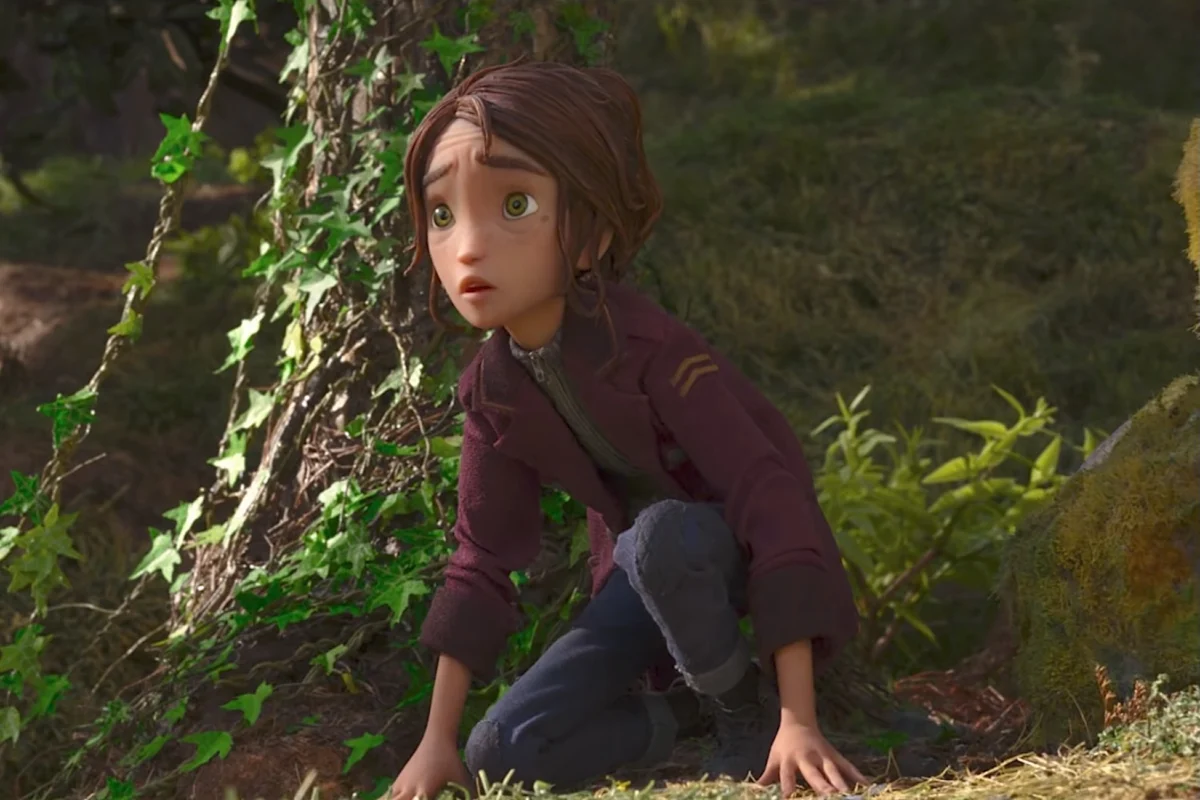
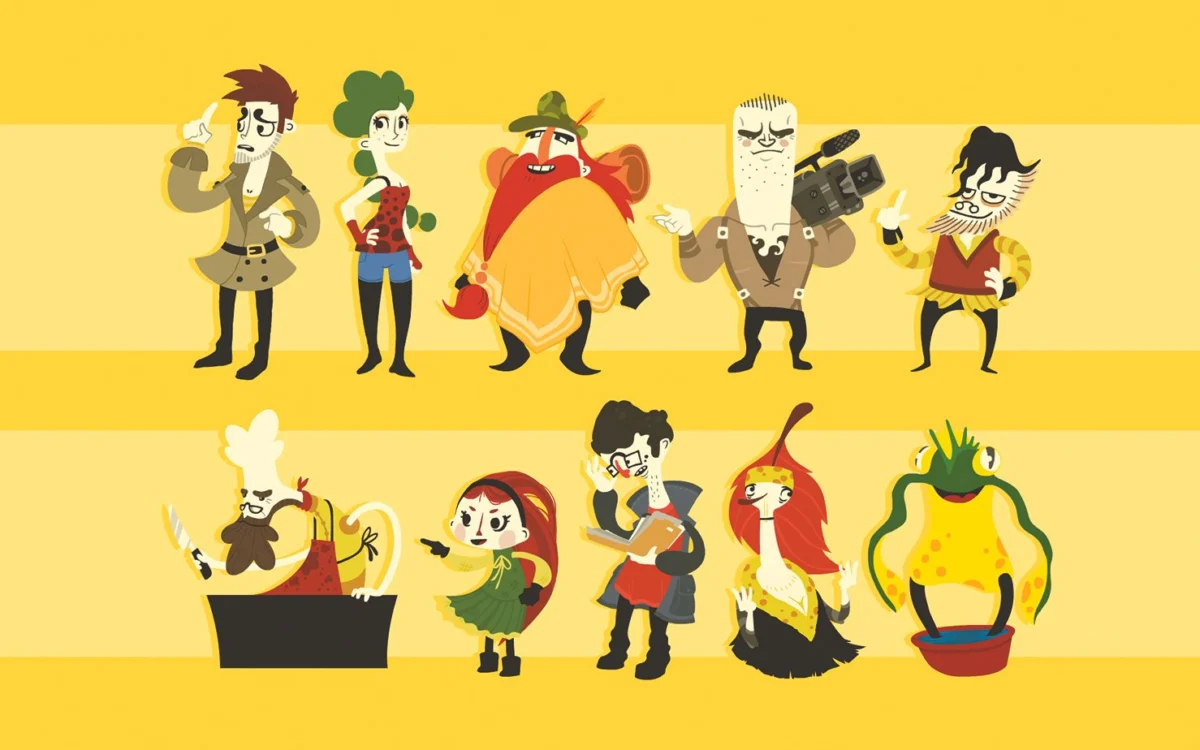
The anticipation surrounding Laika’s latest stop-motion masterpiece, Wildwood, has reached a fever pitch. As the studio prepares to unveil its most ambitious project to date, the final trailer provides a haunting, visceral glimpse into a world that is as dangerous as it is enchanting. Based on the celebrated novel by Colin Meloy—the lead singer of The Decemberists—and brought to life through the distinctively intricate illustrations of Carson Ellis, Wildwood is poised to redefine the boundaries of animated storytelling.
Directed by Travis Knight (Kubo and the Two Strings) and written by Chris Butler (ParaNorman), the film explores the harrowing journey of Prue McKeel, a teenager who ventures into the "Impassable Wilderness" of Portland, Oregon, to rescue her abducted baby brother. While the premise carries the hallmarks of a classic fantasy quest, the film’s narrative scope promises to delve far deeper, examining the corrosive nature of grief and the complex ethical landscape of a hidden magical realm.
Main Facts: A Convergence of Talent and Vision
Wildwood represents a monumental achievement for Laika, the studio renowned for its painstaking attention to detail and commitment to the tactile art of stop-motion animation. The film is scheduled for a wide theatrical release on October 23rd, marking a significant milestone in the studio’s ongoing mission to blend high-concept fantasy with grounded, human emotional stakes.
The production boasts a stellar ensemble voice cast, including Peyton Elizabeth Lee as the headstrong Prue McKeel and Jacob Tremblay as her loyal, if somewhat hapless, classmate Curtis Mehlberg. They are joined by a roster of industry heavyweights, including Carey Mulligan, Mahershala Ali, Angela Bassett, Awkwafina, Jake Johnson, Charlie Day, Amandla Stenberg, Jemaine Clement, Maya Erskine, Tantoo Cardinal, Tom Waits, and Richard E. Grant.
The film is not merely an adaptation; it is a labor of love that seeks to honor the immersive, sprawling nature of Meloy’s source material. By maintaining the dark, moody aesthetic of the original novel, the production team aims to transport audiences into a world where every frame is imbued with history, danger, and mystery.
Chronology: From Page to Screen
The journey of Wildwood began long before it arrived at the doors of Laika’s studios. When the novel was published in 2011, it was immediately lauded for its rich world-building and its refusal to talk down to younger readers. The story—centered on the kidnapping of a child by a murder of crows—served as a modern folktale, rooted in the specific geography of Portland’s Forest Park.
For years, the prospect of a film adaptation remained a subject of speculation among fans. It was not until the creative synergy between Travis Knight and the studio’s veteran animators was solidified that the project gained true momentum. Development was characterized by a meticulous dedication to world-building; the team spent thousands of hours conceptualizing the flora, fauna, and architecture of the Impassable Wilderness.
Throughout 2023 and 2024, the studio began releasing teasers that showcased the film’s visual evolution. The most recent final trailer highlights the escalating conflict within the forest, moving away from the "wonder-filled" tone of early previews and instead leaning into the high-stakes battle for the forest’s future. This narrative progression underscores the film’s intent to portray the Wilderness not as a playground, but as a living, breathing, and often unforgiving ecosystem.
Supporting Data: The Anatomy of a Laika Production
What sets Wildwood apart in the current landscape of computer-generated blockbusters is its dedication to physical reality. Stop-motion is a notoriously slow medium, often requiring animators to move puppets by mere millimeters over the course of a single day. Laika’s process involves:
- Puppetry Excellence: Every character is designed with hundreds of interchangeable parts, allowing for a range of facial expressions that feel fluid yet distinctively "handmade."
- Environmental Scaling: The "Impassable Wilderness" required the construction of massive, multi-level sets that reflect the scale of the forest described in the book.
- Narrative Fidelity: While the book is extensive, the screenplay by Chris Butler has been designed to distill the core themes—loss, ambition, and the "terrible choices" forced upon those suffering from grief—without sacrificing the book’s intricate plotting.
This commitment to the "old ways" of filmmaking provides a unique texture to the final product. The audience can sense the weight of the objects, the grit of the forest floor, and the tangible presence of the magical creatures, creating an immersion that digital effects often fail to replicate.
Official Responses: Insights from the Director
Travis Knight has been vocal about the emotional weight the film carries. In a recent interview with Empire, Knight articulated the philosophical core of the movie, noting: "The movie wanders, sometimes gently, sometimes not, through the long corridors of loss and grief; through the strange ways people carry what can’t be set down."
This statement is pivotal. It reframes the film from a standard rescue mission into a character study. Prue McKeel is not just saving her brother; she is confronting a world that mirrors her own internal struggles. The "terrible choices" mentioned in the production notes are not merely plot devices—they are windows into the characters’ humanity. By casting such a diverse and accomplished group of actors, Knight and his team have ensured that these complex motivations are delivered with the necessary emotional gravity.
The studio has emphasized that the "darker" elements of the book—the warring factions of magical creatures, the political machinations of the forest’s powerful figures, and the looming threat to the balance of nature—are central to the viewing experience. This is a film that respects its audience’s ability to handle mature themes within a fantasy setting.
Implications: The Future of Hand-Crafted Cinema
The release of Wildwood arrives at a time when the film industry is increasingly reliant on AI and procedurally generated imagery. Laika’s persistence in the stop-motion format serves as a vital counterpoint to this trend. If Wildwood succeeds, it will prove that there is still a massive, hungry audience for films that prioritize craftsmanship, tactile beauty, and narrative depth over spectacle alone.
Furthermore, the film’s success could pave the way for more adaptations of complex, mid-grade fantasy literature. The literary world is filled with dense, imaginative stories that have previously been considered "unfilmable" due to their scale. Laika’s ability to tackle the sprawling Wildwood narrative suggests that the studio may become the go-to destination for high-quality, author-driven adaptations.
The implications for the animation industry are equally significant. By proving that stop-motion can handle large-scale, epic-fantasy battles without losing its soul, Laika is setting a new standard for the medium. They are demonstrating that animation is not a genre, but a medium—one that is perfectly suited to handle the "corridors of loss and grief" that Knight so eloquently described.
Conclusion
As October 23rd approaches, the excitement for Wildwood is more than just hype; it is a recognition of the rare, dedicated artistry being presented on screen. With its blend of Portland-based urban fantasy, deep emotional resonance, and the unparalleled visual language of Laika, the film promises to be a haunting, transformative experience.
Prue McKeel’s journey into the Impassable Wilderness is a journey into the heart of what it means to grow up, to lose, and to fight for what is right. Whether you are a fan of Colin Meloy’s original prose or a devotee of Laika’s previous works like Kubo and ParaNorman, Wildwood stands as a must-see event—a testament to the enduring power of stories that are crafted, piece by piece, with unwavering care and conviction. As the final trailer suggests, the forest is waiting, and it is a place where we might all find a little bit of ourselves, provided we are brave enough to follow the crows.

 Jia Lissa
 Pevita Pearce