Lina Irawan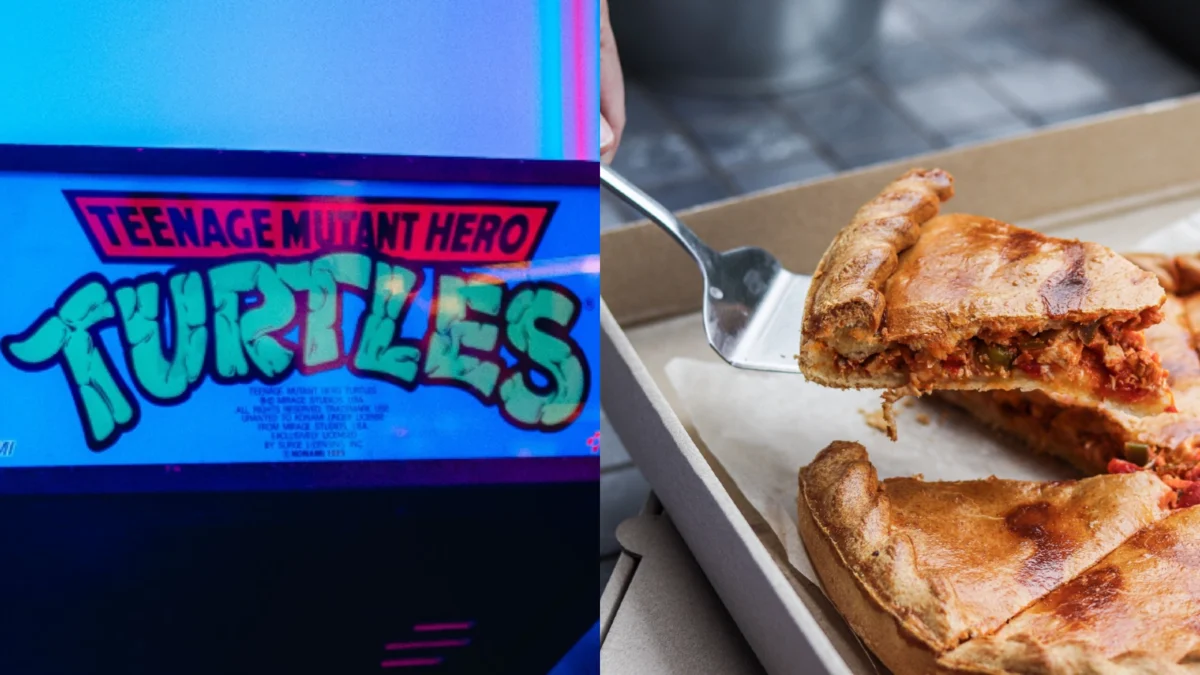
In the competitive landscape of Chicago’s culinary scene, branding is everything. For "Cowabunga! Pizza Pies," a local establishment that staked its reputation on 90s nostalgia and the iconic imagery of anthropomorphic, pizza-loving turtles, the goal was simple: transport customers back to a time of neon lights and Saturday morning cartoons. However, the shop has recently found itself at the center of a volatile digital controversy, transforming from a quaint, theme-heavy eatery into a cautionary tale about the intersection of customer service, artificial intelligence, and the unforgiving nature of online reputation management.
What began as an attempt to streamline operations through automation has devolved into a viral nightmare, characterized by "AI-voiced" customer support agents, aggressive management responses, and a massive wave of review-bombing that has left the establishment’s digital footprint in tatters.
The Genesis of the Conflict: A Tech-Forward "Nostalgia" Trap
The friction began when Cowabunga! Pizza Pies implemented an automated phone system designed to immerse customers in their brand identity. Rather than a standard, sterile hold music or a generic customer service representative, the shop integrated an AI-powered voice interface that reportedly mimicked the personas of the Teenage Mutant Ninja Turtles.
While the owners likely envisioned this as a whimsical touchpoint for their brand, the implementation hit a wall of skepticism almost immediately. In an era where data privacy and cybersecurity are at the forefront of the consumer consciousness, asking patrons to provide credit card details and personal information to a synthetic, cartoon-inspired voice proved to be a bridge too far for many.
Chronology of the Controversy
The situation escalated rapidly over the course of a single week in September 2026. The sequence of events highlights how quickly a local business grievance can escalate into a global social media phenomenon.
- September 15, 2026: The AI phone system goes live. Reports of confusion begin to surface on local neighborhood forums, with residents questioning the efficacy of the automated order-taking process.
- September 17, 2026: User @tgmt_nikkitine posts a viral thread on X (formerly Twitter), detailing their interaction with the system. The post includes a transcription of their failed attempt to order, culminating in the line: "Sorry, I don’t want to give my card details to AI Michelangelo."
- September 18, 2026: The store’s official account on Google Reviews begins replying to negative feedback with unprecedented hostility. The replies, which included terms like "dorks," "morons," and "dumb," are screenshotted and shared across Reddit and X.
- September 19–20, 2026: The shop experiences a surge of "review-bombing." Thousands of one-star reviews are posted by users who have never visited the establishment, citing the "insulting" management as their primary motivation.
- September 21, 2026: The story gains traction among mainstream tech and food culture outlets, leading to national coverage of the "AI-driven PR disaster."
The "Human" Element: A Breakdown in Communication
The core of the backlash is not merely the presence of AI, but the perceived lack of accountability in the store’s management. When confronted with feedback, the owner—or whoever operates the shop’s social media account—abandoned standard business etiquette.
One particularly infamous exchange involved a customer who complained about a malfunctioning coupon code. Instead of offering a resolution, the business responded: "Cool story bro! Welcome to the future! Maybe if you weren’t such a dork you could figure out how to copy and paste. Get a life!"
This combative posture transformed a technical failure into a moral one. In the eyes of the public, the use of AI became secondary to the perceived arrogance of the leadership. By treating the customer as an adversary, the shop validated the frustrations of those who felt that the "90s vibe" was merely a thin veneer for poor service and an impersonal experience.
Supporting Data: The Impact of Review-Bombing
The economic consequences for Cowabunga! Pizza Pies are severe. In the modern hospitality industry, a Google Review rating is often the primary factor in a potential customer’s decision-making process.
According to preliminary data from review-tracking platforms, the shop’s rating plummeted from a respectable 4.2 stars to a dismal 1.3 stars within a 72-hour window. While Google’s algorithms are designed to detect and remove "inauthentic" review-bombing, the damage to the brand’s image may be irreversible.
Financial analysts note that independent eateries often operate on razor-thin margins. A sudden loss of foot traffic, combined with the potential for payment processors to flag the account due to high chargeback rates or disputes, could force the shop into insolvency. The "AI-Ninja" experiment, intended to save costs on labor, has likely cost the business significantly more in lost revenue and potential legal or platform-related repercussions.
Official Responses and Public Reaction
As of this writing, Cowabunga! Pizza Pies has not issued a formal apology. Attempts by various media outlets to reach the ownership for comment have been met with silence or, in some cases, further automated, AI-generated responses that continue to parrot the "radical" brand persona.
The public reaction remains polarized. A small, vocal segment of the internet has praised the shop for "trolling" their critics, viewing the hostility as a form of performance art or a rejection of "corporate-safe" customer service. However, the majority of the discourse remains negative. Critics argue that the shop has fundamentally misunderstood the assignment of the "nostalgia economy," which requires a sense of warmth and authenticity, not the cold, detached efficiency of a synthetic voice.
Implications for the Hospitality Industry
The "Cowabunga! Pizza Pies" saga offers a sobering lesson for small business owners eyeing the rapid integration of AI.
1. The Uncanny Valley of Service
AI is highly effective for administrative tasks, such as inventory management or scheduling. However, when applied to customer-facing interactions, particularly in service-oriented industries like hospitality, the "uncanny valley" becomes a liability. Consumers expect empathy, nuance, and human connection—traits that current AI models, even those trained to sound like childhood icons, cannot genuinely replicate.
2. The Danger of Aggressive Digital Persona
There is a growing trend among some businesses to cultivate a "sassy" or "irreverent" online personality—a strategy famously employed by brands like Wendy’s. However, this strategy is high-risk. When a brand lacks the underlying infrastructure of quality service and genuine brand equity, that "sass" is quickly reinterpreted as genuine malice.
3. The Fragility of Digital Reputation
The case proves that an establishment is only as strong as its last digital interaction. The speed at which a local shop was thrust into the international spotlight demonstrates that the barrier between a "local favorite" and a "global joke" is thinner than ever.
Conclusion
Cowabunga! Pizza Pies set out to celebrate a bygone era, but they were ultimately undone by the complexities of the modern digital landscape. By prioritizing a gimmick—the AI-voiced turtle—over the fundamental human-to-human connection that defines the restaurant experience, they alienated their core demographic.
Whether the shop survives this controversy remains to be seen. However, the lesson for other businesses is clear: technology should be a tool to enhance the human experience, not a shield to hide behind when the service falls short. In the race to adopt the latest tech, companies must remember that a pizza shop’s most important ingredient will always be its human heart. Without it, even the best pies in Chicago will struggle to find a slice of success in the court of public opinion.


 Dwi Wanna
 Pevita Pearce