

By Craig Robinson, Senior Editor | Updated: May 21, 2026
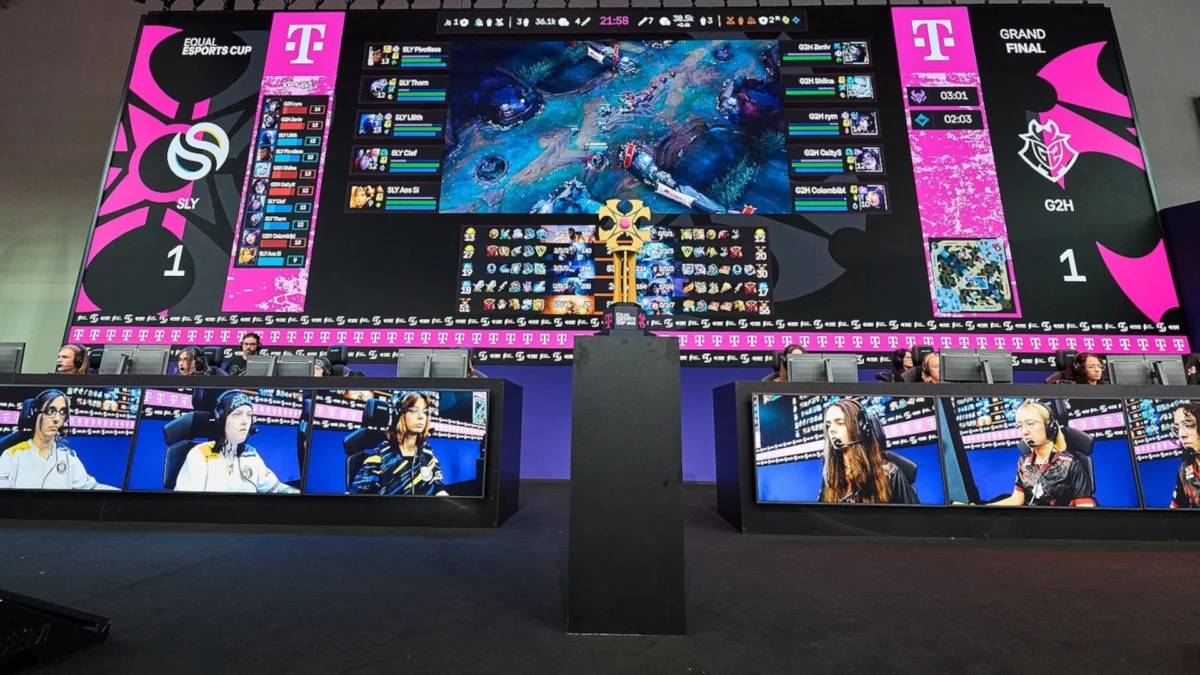
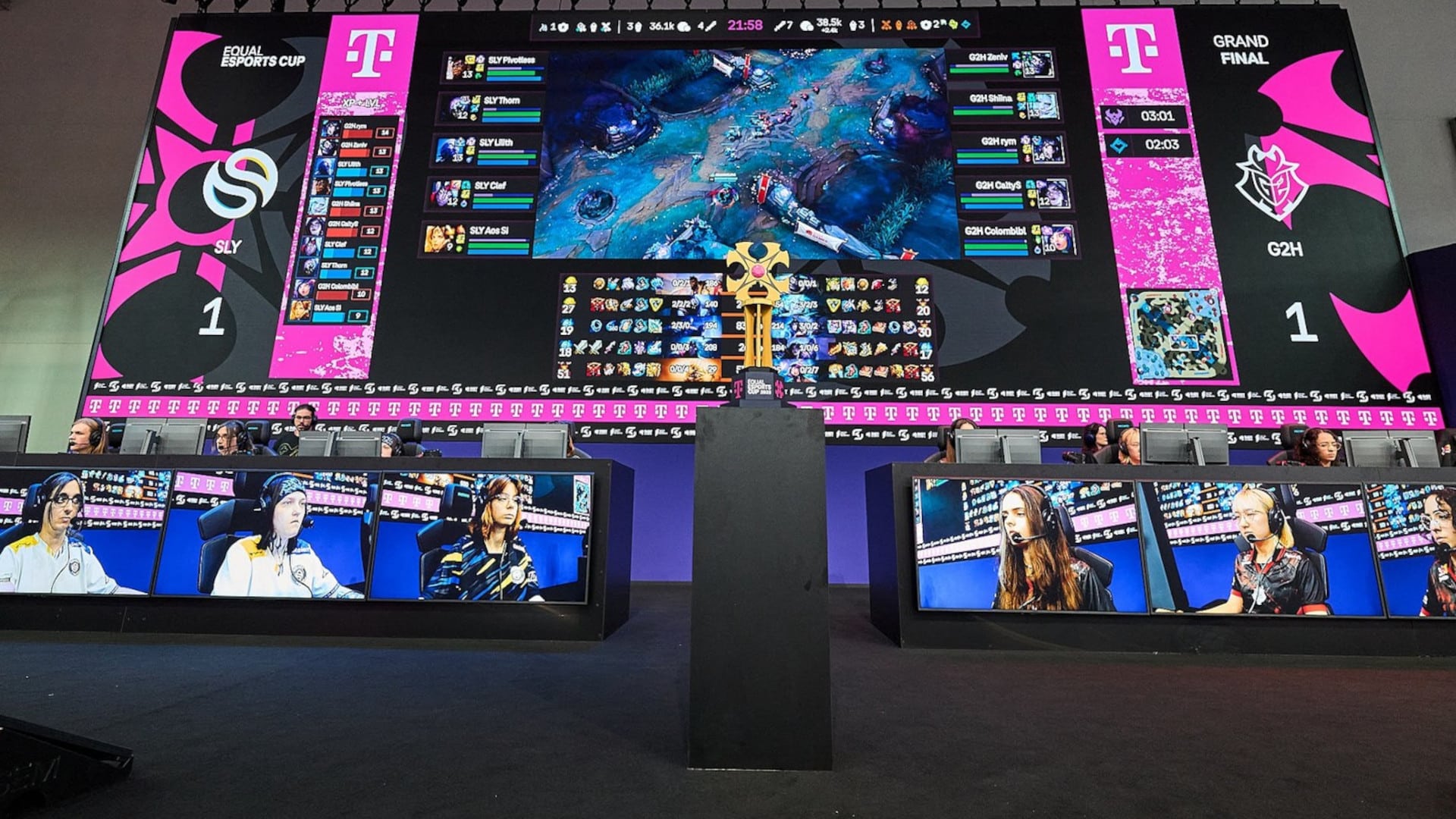
The competitive landscape for women and non-binary players in esports is entering a critical juncture. As the industry continues to navigate a complex mix of rapid growth, corporate sponsorship shifts, and cultural scrutiny, the announcement of the 2026 edition of the Equal Esports Cup (EEC) serves as a beacon of stability and progression. Returning for its fifth consecutive year, the tournament has cemented its reputation as a premier B-tier circuit dedicated to fostering talent and providing a structured, high-stakes environment for marginalized genders in gaming.
The 2026 Invitational Field: Defending Crowns and New Alliances
The organizers, spearheaded by the Esports Player Foundation, have officially confirmed the four invited teams for this year’s tournament. These organizations represent the current vanguard of the European scene:
- SK Avarosa: A stalwart of the scene, consistently pushing the competitive ceiling.
- G2 Hel: The defending champions, entering the tournament with a revamped roster and high expectations.
- Vitality Bee Rising: A powerhouse looking to translate its organizational pedigree into a tournament victory.
- Mental Rush: An emerging force that has proven its mettle against top-tier opposition.
These four organizations will headline the event, joining four additional teams that will emerge from a rigorous open qualifier process. With the first open qualifier already concluded—resulting in the successful qualification of Eterna and Eclipse—the path to the main stage remains open for two final slots. Interested teams comprised of women and non-binary players are currently encouraged to register for the second open qualifier, a process designed to ensure that the tournament remains a meritocratic ladder for rising talent.
G2 Hel’s Strategic Pivot: Welcoming Izzeri
The most significant roster development heading into the 2026 EEC is undoubtedly the announcement from G2 Esports regarding their Hel lineup. Following the team’s triumphant run in the 2025 iteration of the cup, the organization has undergone a strategic restructuring.
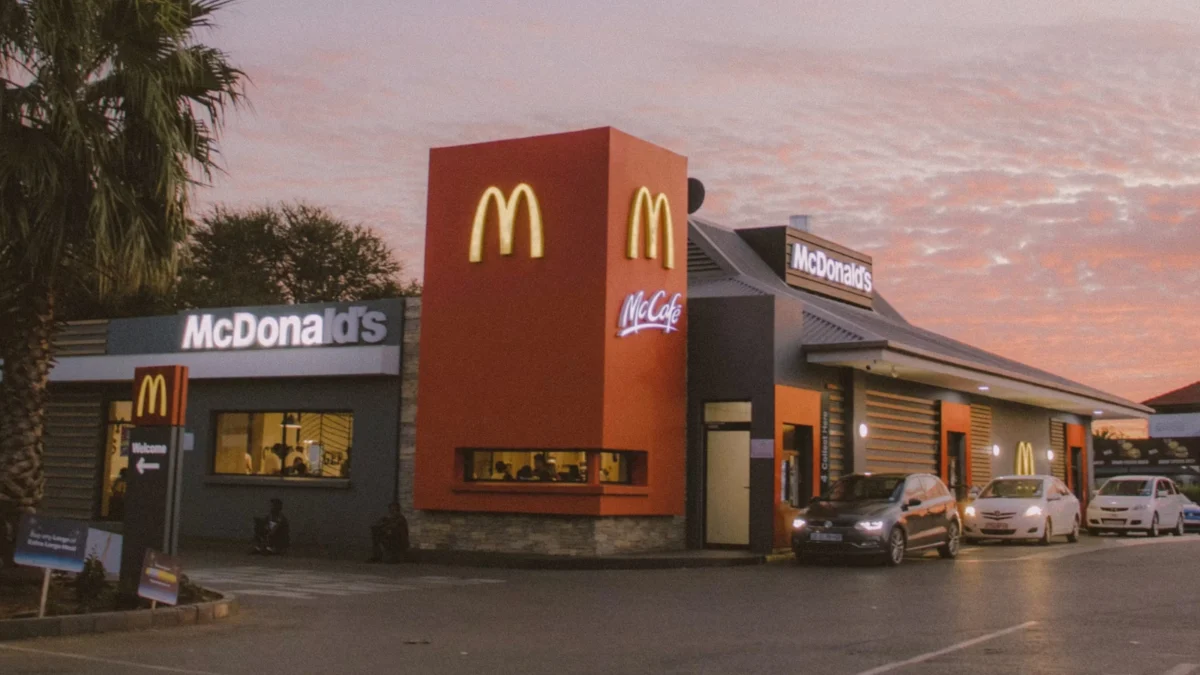
On May 19, 2026, alongside a high-profile sponsorship deal with McDonald’s, G2 unveiled their new roster, including the addition of the British ADC player, Izzeri. This move is indicative of a broader trend: top-tier organizations are increasingly treating their women’s rosters with the same analytical rigor as their flagship teams. Izzeri’s integration into G2 Hel is not just a tactical adjustment; it is a signal of intent. The team is not merely aiming to defend its crown at the Equal Esports Cup; it is positioning itself to be a dominant force across the entire 2026 competitive calendar, including the highly anticipated Riot-backed Game Changers circuit.
A Chronology of the 2026 Equal Esports Cup
The tournament structure for 2026 is designed to test the endurance and strategic depth of the participating squads. The competition is mapped out as follows:
- Early Phase (May – June): Open Qualifier registration and bracket stages.
- Group Stage Commencement: The action kicks off officially on July 7, 2026.
- Regular Season Windows: Matches are set for July 8, 9, 14, and 15, creating a consistent rhythm of play designed to mitigate burnout while maintaining viewer engagement.
- Playoff Intensity: The tournament shifts to a high-pressure environment from July 28 through August 16.
- Grand Finals: The crowning of the 2026 champion is scheduled for August 29, 2026.
The Evolution of the Equal Esports Cup: A Five-Year Legacy
Since its inception in 2021, the Equal Esports Cup has grown from a grassroots initiative into a cornerstone of the European esports ecosystem. Conceived by stakeholders in the DACH region—including SK Gaming and major telecommunications partners like Telekom—the event was born out of a perceived vacuum in competitive opportunities for women and non-binary players.
Over the past five years, the tournament has evolved from a fledgling experiment into a professionalized circuit. Its longevity is a testament to the commitment of the Esports Player Foundation. By providing a consistent B-tier platform, the EEC has bridged the gap between amateur play and the professional leagues, offering players a venue to showcase their skills in front of scouts, sponsors, and fans.
The Broader Ecosystem: Riot’s Game Changers and Industry Challenges
The 2026 season arrives at a complex time for the industry. While the Equal Esports Cup provides a consistent competitive outlet, it exists within a larger, often volatile ecosystem. The marketing push behind Riot Games’ Game Changers initiative, which begins its own season on May 29, suggests that major publishers are finally acknowledging the commercial and cultural value of these events. Many of the teams competing in the EEC will also be active in Game Changers, creating a cross-pollination of talent that strengthens the overall skill level of the female competitive scene.
However, this progress is not without its setbacks. The last 18 months have been marked by significant controversy and institutional friction. Reports regarding the safety and inclusivity of certain regional markets—specifically concerning influence from Saudi-backed initiatives—have sparked widespread debate about the integrity of the esports space. Furthermore, internal organizational issues, such as those reported at Guild Esports, and public relations missteps, like the widely criticized Heroic "Sydney Sweeney" marketing joke, have highlighted how fragile the industry’s relationship with its female fanbase can be.
Implications: Why the EEC Remains Vital
Why does the Equal Esports Cup remain so critical in 2026? The answer lies in the concept of "safe and sustainable competition."
The challenges mentioned above underscore the necessity for independent, mission-driven tournaments. While top-tier events like Game Changers receive the lion’s share of headlines, the EEC provides the foundation. It is where professional habits are formed, where team chemistry is tested, and where the next generation of talent is identified.
For the sponsors—such as the aforementioned McDonald’s and the legacy partners from the DACH region—supporting these events is no longer just a "corporate social responsibility" box to check. It is an investment in the long-term viability of esports. As the audience for gaming continues to diversify, brands that align themselves with inclusive, merit-based platforms are finding deeper levels of engagement with younger, more global demographics.
Conclusion: Looking Ahead to July
As we approach the July 7 start date, the narrative is clear: the 2026 Equal Esports Cup is not just a tournament; it is a proving ground. For G2 Hel, it is an opportunity to prove that their new roster can sustain the success of their predecessors. For the teams emerging from the open qualifiers, it is a chance to disrupt the established hierarchy.
The industry is watching closely. In an era where "diversity" is often a buzzword, the Esports Player Foundation is focusing on the practical application of the term—providing the infrastructure, the funding, and the platform for players to compete on their own terms. Whether this year’s event will mark the start of a new era of dominance or a surprise rise for a dark-horse contender remains to be seen. But one thing is certain: the Equal Esports Cup continues to be the most important bellwether for the health and trajectory of women’s esports in Europe.
Craig Robinson is a Senior Editor at Esports News UK. Having covered the industry since 2015, he specializes in the intersection of policy, player advocacy, and the evolving competitive landscape. For the latest updates, follow our coverage on Google News.










No comments yet. Be the first to join the conversation!