Reynand Wu
For decades, the professional workstation and the gaming rig were considered mutually exclusive entities. The former was defined by clinical aesthetics, high-ECC memory, and stability-focused drivers; the latter by neon-drenched chassis, aggressive cooling, and a focus on frame rates above all else. However, with the launch of the HP Omen Max 16, that divide has not only blurred—it has effectively evaporated.
In this review, we examine whether a machine designed to run Control: Resonant at maximum settings can truly stand up to the grueling demands of a professional 3D artist’s workflow in Blender or Unreal Engine 5.
Main Facts: A Technical Overview
The HP Omen Max 16 arrives as a heavyweight contender in a surprisingly slim package. At the heart of this machine lies the NVIDIA GeForce RTX 5080, paired with the formidable Intel Core Ultra 9 275HX processor. With 32GB of RAM and a 1TB SSD, the hardware is clearly targeted at power users who refuse to compromise.
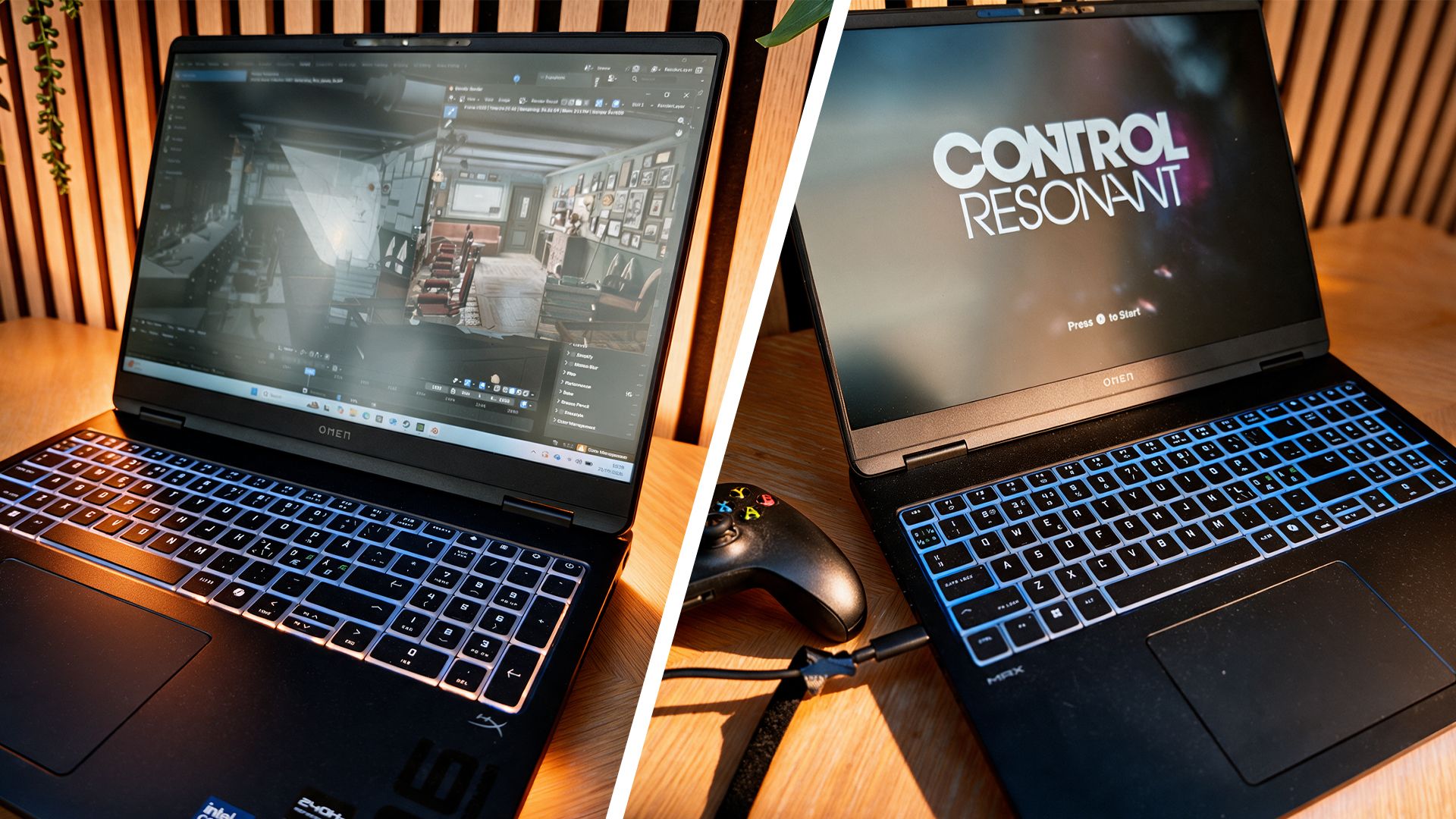
The most striking feature for the user is the duality of the machine’s "personality." Upon opening the lid, the keyboard LEDs pulse in an array of blues and purples—a hallmark of the "gamer DNA" that HP has cultivated. Yet, beneath the flashy exterior lies a workstation-grade engine capable of handling high-fidelity rendering, path-traced lighting, and massive texture sets.
Chronology: From Concept to Reality
The evolution of the "hybrid" laptop has been a long-standing goal for NVIDIA and its hardware partners. For years, the industry pushed the narrative that RTX technology could serve both masters: gamers would benefit from DLSS 4 and the emerging potential of DLSS 5, while creators would leverage CUDA and OptiX cores to accelerate rendering in Cycles.
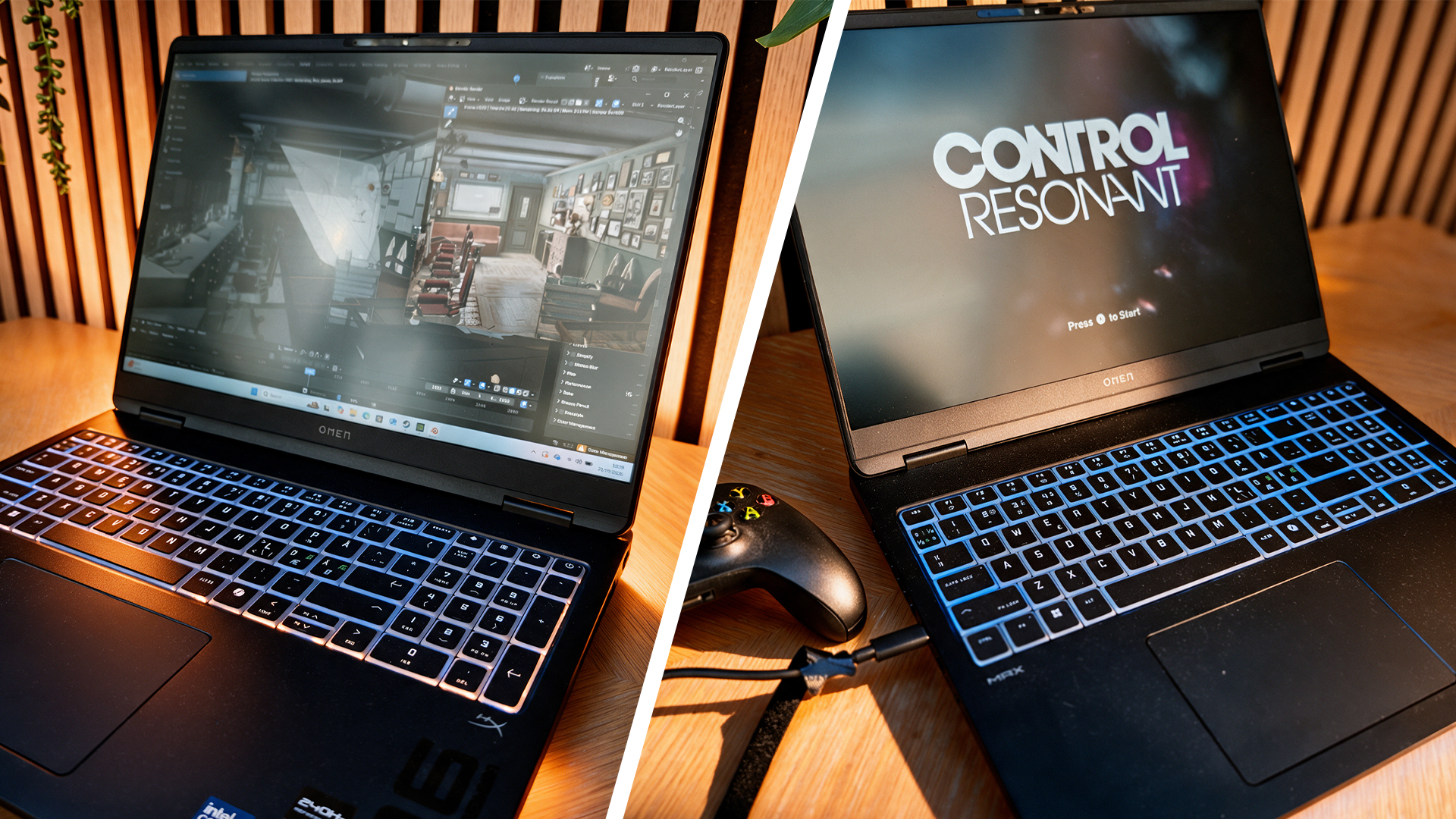
During our testing, the transition between these two worlds was surprisingly fluid. Through the software interface, users can toggle between "Gamer Ready" drivers and "Studio" drivers with a few clicks. This allows the machine to pivot from a high-intensity creative workstation in the morning to a premium gaming platform in the evening. This isn’t just a marketing slide; it is a functional, daily routine that challenges the necessity of owning two separate devices.
Supporting Data: Performance Under Pressure
In our stress tests, the Omen Max 16 performed exceptionally well. When working in Blender, the viewport remained fluid, even with complex scenes that typically induce stuttering on mid-range hardware.
Key Performance Metrics:
- Rendering: Cycles rendering times were slashed compared to standard mid-tier laptops, thanks to the 16GB of GDDR7 VRAM.
- Storage: While 1TB is standard, the speed of the NVMe drive ensures that loading large assets for Unreal Engine 5 is nearly instantaneous.
- Portability: Despite its internal power, the chassis is lighter than most RTX 5080-equipped laptops, making it a viable companion for commutes to lecture halls or client meetings.
However, power comes at a cost. The battery life, unsurprisingly, is the machine’s Achilles’ heel. When pushed to its limits, the Omen Max 16 drains rapidly, tethering the user to a power outlet for any serious creative endeavor.
The Cost of Professional Ambition
The Omen Max 16 carries an RRP of £2,999, though promotional pricing at retailers like Very has brought it closer to the £2,600 mark. While this represents a significant discount, it remains a steep investment, particularly for students.
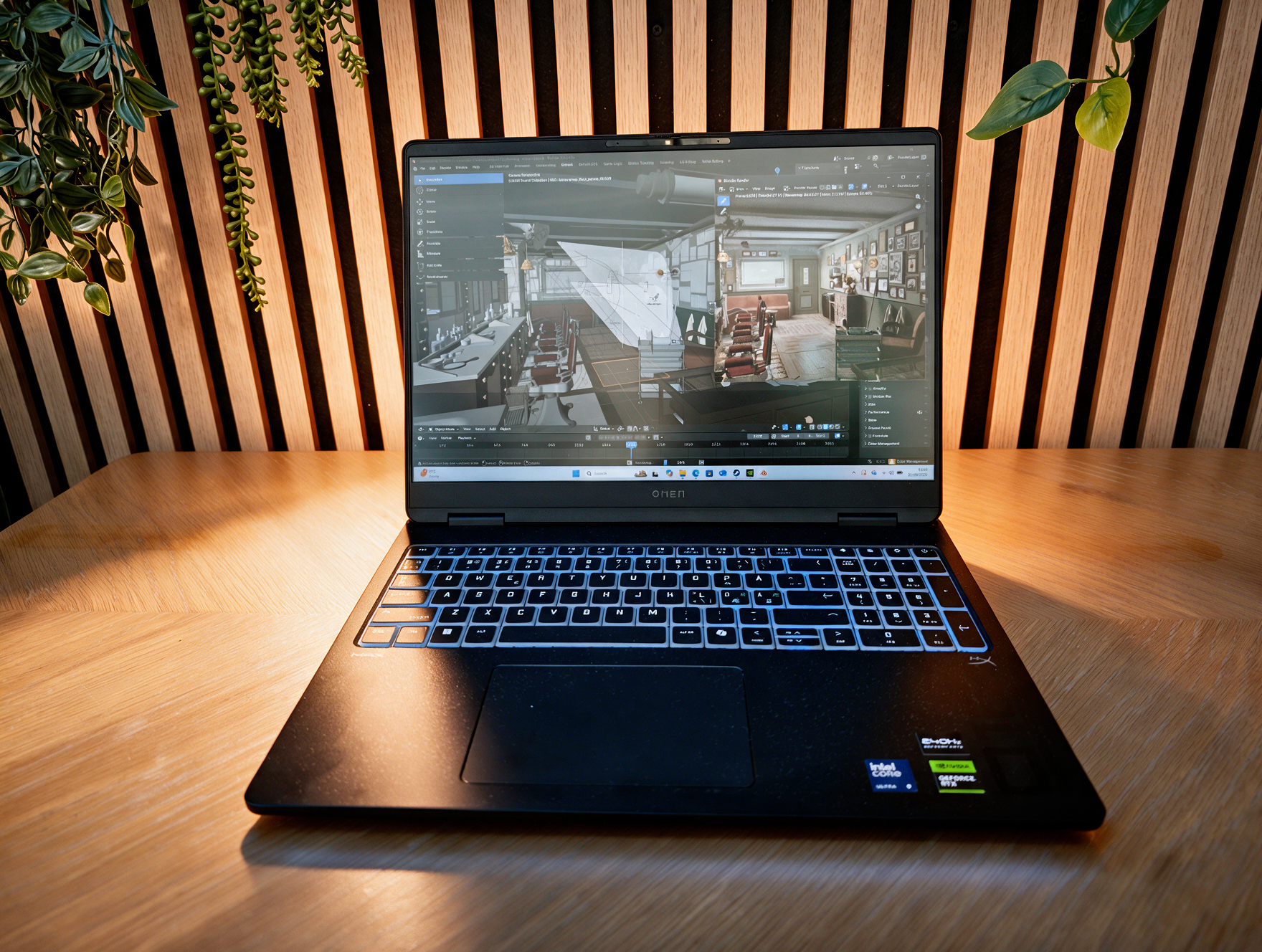
The temptation to opt for a lower-specced model is high. For instance, the standard Omen 16 with an RTX 5060 is available for roughly £1,300. On paper, it looks like a bargain. However, a deeper analysis of the hardware reveals the hidden cost of "saving" money. The lower-specced machine cuts VRAM in half, limits RAM to 16GB, and reduces the processor core count.
While storage and system RAM can often be upgraded later, VRAM is soldered to the GPU. This creates a "performance ceiling." If a student buys the cheaper model today, they may find themselves hitting that wall in their final year of study, precisely when their showreel needs to be at its most technically impressive.
Implications for the Creative Industry
The rise of hybrid laptops like the Omen Max 16 suggests a shift in how we educate and train the next generation of digital artists.
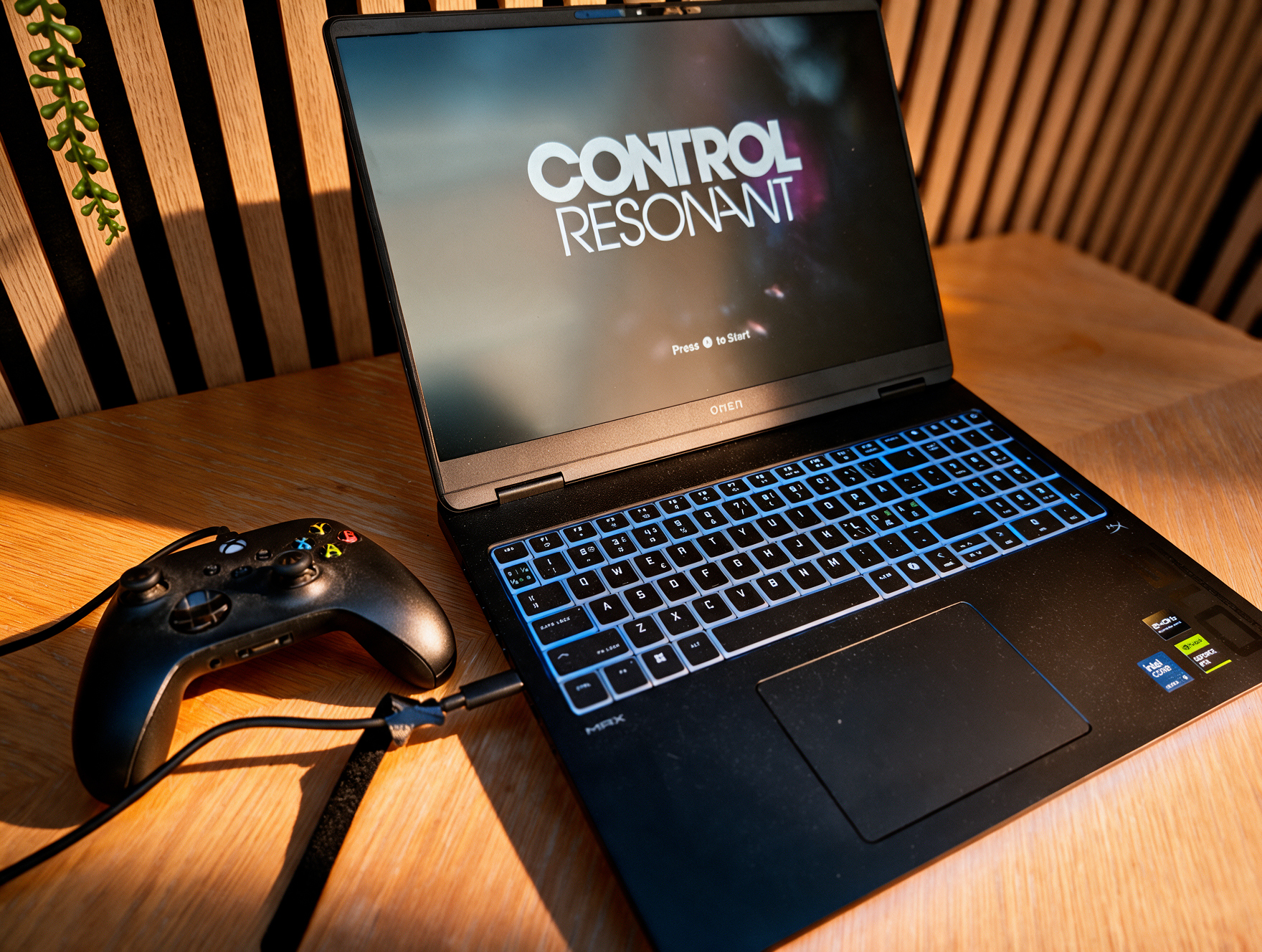
- The End of the "Workstation" Aesthetic: We are seeing a move away from the bland, silver-grey laptops of the early 2000s. Creative professionals are increasingly comfortable with devices that offer a "gamer" aesthetic, provided the performance remains top-tier.
- Economic Disparity: The high barrier to entry for this level of hardware poses a challenge to accessibility. With credit options and high APRs often marketed to students, the danger of falling into debt to secure "future-proof" hardware is very real.
- The "One-Device" Future: The Omen Max 16 proves that one machine can handle both professional-grade 3D sculpting and high-end gaming. For a student or a freelance artist, this consolidates the hardware budget, provided they can justify the upfront cost.
Final Thoughts
Is the HP Omen Max 16 worth the investment? If you are a casual hobbyist, it is likely overkill. However, if you are a serious student or a professional for whom time is money, the argument becomes compelling.
The machine essentially pays for itself by preventing the technological bottlenecks that often plague students in their third or fourth year of university. While the LEDs may need to be dimmed during client presentations, the underlying power is undeniable. It is a rare example of a product that successfully balances the indulgent needs of a gamer with the rigorous demands of a creative professional, proving that you don’t always need two laptops to do two jobs—you just need one very good one.
Disclaimer: When considering high-end technology purchases, particularly as a student, it is vital to review the terms of any credit or financing options. High interest rates, such as the 44.9% APR cited in some retail agreements, can turn a useful investment into a long-term financial burden.


 Suro Senen
 Siti Muinah