Raul Delapena Setiawan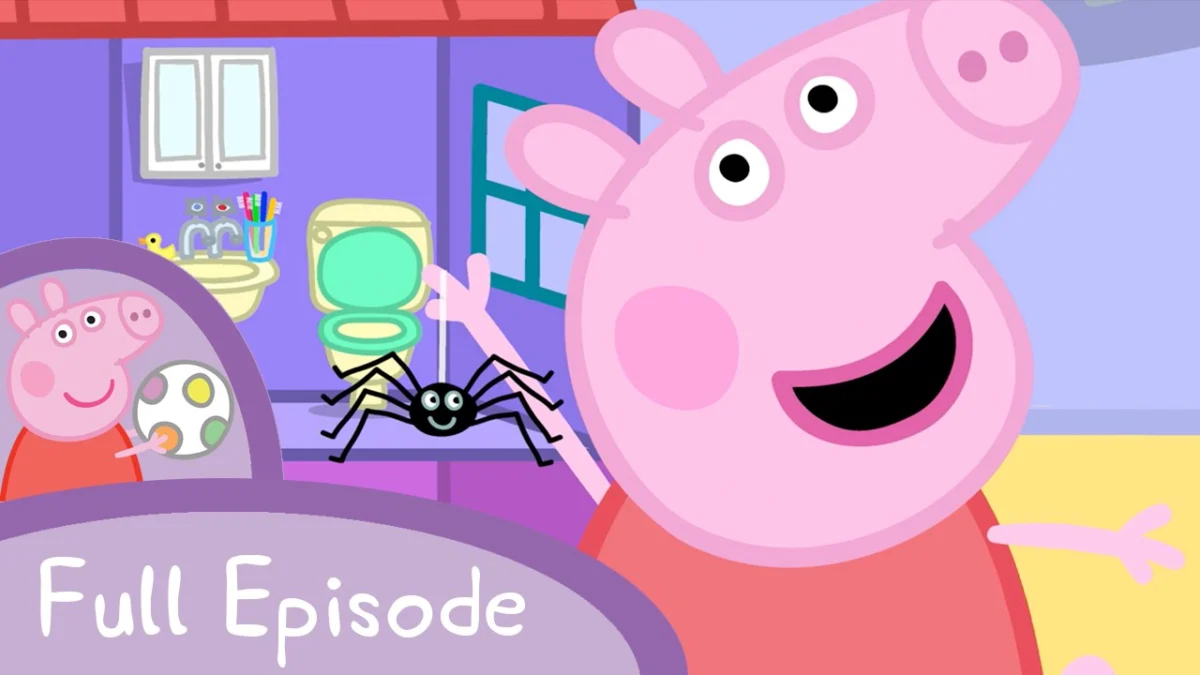
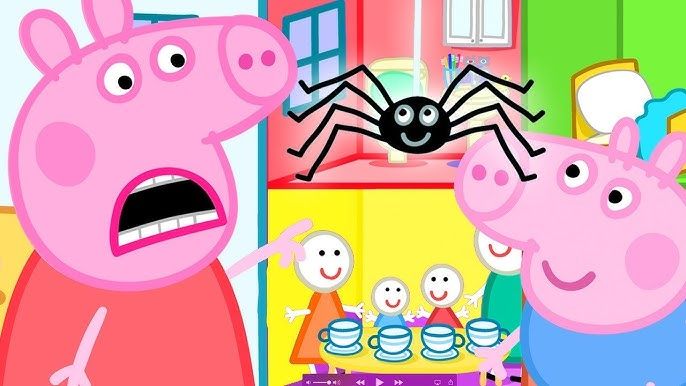
For over two decades, Peppa Pig has reigned as a global titan of children’s entertainment. With its simple aesthetic, relatable family dynamics, and gentle moral lessons, it has become a cornerstone of early childhood media. Historically, the most significant controversy to hit the franchise was a 2012 incident in Australia, where a single episode titled "Mister Skinnylegs"—which suggested that spiders were harmless—was briefly pulled from the airwaves due to fears it might encourage children to handle dangerous local arachnids.
That incident, while memorable, was a localized hiccup in the show’s otherwise spotless record. Today, however, the British animated series is embroiled in a far more existential crisis, one that mirrors the broader, volatile intersection of artificial intelligence, labor rights, and the ethics of digital consent. At the center of the storm is a series of contract clauses introduced by Hasbro—the toy and entertainment giant that acquired the Peppa Pig brand in 2019—which require child voice actors to sign away the rights to their voices for the purposes of AI training.
The Genesis of the Dispute: A New Frontier in Contracting
The controversy erupted following reports that talent agencies representing young performers were being presented with standardized contract addenda. These documents include provisions that grant the studio perpetual, royalty-free rights to utilize the child’s recorded voice performances to train, develop, and refine artificial intelligence models.
In the rapidly evolving landscape of media production, AI-driven voice synthesis—often called "voice cloning"—has become a contentious flashpoint. While studios argue that such technology allows for more efficient post-production, localized dubbing, and the creation of new content without the physical presence of the actor, labor unions and advocacy groups view it as an existential threat to the profession. When applied to children, the issue transcends traditional labor disputes, entering the complex territory of minor rights and long-term digital identity.
Chronology: How the "Peppa Pig" Crisis Unfolded
The trajectory of this controversy has moved from private industry frustration to a public, high-stakes standoff.
- Mid-2024: Reports begin circulating among talent agents that major international animation franchises, including the Peppa Pig brand, have quietly updated their standard performer agreements. These updates include specific language regarding "synthetic voice generation" and "machine learning integration."
- Early 2025: The Agents of Young Performers Association (AYPA) begins receiving a flood of inquiries from parents and agents regarding these non-negotiable clauses. Many families express alarm, noting that they were given no room to negotiate the terms, with producers implying that refusal to sign would lead to the immediate loss of the role.
- June 2026: An open letter, drafted by the AYPA and signed by nearly 1,000 industry professionals, artists, and concerned parents, is published. While the letter references an "unspecified international children’s franchise," the timing and the nature of the grievances clearly point toward the Peppa Pig production team.
- Present Day: The controversy has sparked a global debate, with labor groups demanding legislative intervention to protect the digital likeness and voice of minors, while production companies scramble to justify their new operational standards.
The Ethical Minefield: Consent and Future Identity
The central argument against these clauses is one of informed consent. In the legal world, children are protected by specific frameworks precisely because they lack the developmental maturity to understand the long-term consequences of binding legal agreements.
"No child should have their future professional identity shaped by an AI model created before they were old enough to understand its consequences," states the AYPA in their open letter. The concern is that by training an AI on a child’s voice, a corporation can effectively "clone" that child’s unique vocal signature. This digital clone can then be used to generate new lines of dialogue, narrate audiobooks, or feature in merchandise indefinitely, potentially long after the child has moved on to other career paths or grown out of the "child actor" demographic.
Critics argue that parental approval should not be treated as a "blanket license" for a corporation to harvest a child’s biometric data. Once a child’s voice is digitized and incorporated into a proprietary AI model, it becomes a permanent asset of the studio. This raises the alarming possibility that the child could, in the future, be "replaced" by their own digital doppelgänger, depriving them of future income and creative autonomy.
The Industry Context: A Growing Trend
The Peppa Pig situation is not an isolated incident; it is merely the most high-profile example of a broader industry shift. As seen in the recent "Amazon GenAI Creators’ Fund" debacle, where animators expressed deep concern over the use of their work to train generative models, the creative sector is currently in a state of high tension.
Industry insiders suggest that these clauses are rapidly becoming standard practice across the board. Larger studios are attempting to secure "all-encompassing rights" before legislative bodies have the chance to regulate the use of AI in entertainment. The goal for these corporations is clear: to minimize production costs by creating "digital assets" that can be manipulated in real-time, reducing the need for constant studio time and human interaction.
However, the consequences of this trend are profound. If the voice of a character is no longer tied to a human performer’s ongoing labor, the relationship between the audience and the actor is severed. In children’s programming, this is particularly sensitive, as the emotional connection between a young viewer and their favorite character is predicated on the humanity and consistency of the performer.
Official Responses: Navigating the Backlash
Hasbro has faced immense pressure to address these concerns. In a carefully worded statement, the company attempted to frame its position within the context of industry evolution.
"The protection of child performers is core to who Hasbro is; it’s part of our DNA," the statement read. "As industry standards around AI continue to evolve, we are committed to engaging with this issue in a responsible and transparent manner."
For many, however, this statement rings hollow. Critics point out that "responsible and transparent" is often corporate shorthand for "we will continue our current practices until forced to stop by law or public relations disaster." The disconnect between Hasbro’s stated commitment to child protection and the reality of their aggressive contract clauses remains the primary source of the public outcry.
Implications for the Future of Animation
The implications of this controversy are vast and will likely influence the next decade of animation and film production.
1. The Need for New Legislation
The current legal framework, designed for an era of analog recordings, is ill-equipped to handle the nuances of AI. We are likely to see a push for "Digital Identity Rights," which would prevent the unauthorized synthesis of a person’s voice or likeness without specific, time-limited, and revocable consent.
2. Shifting Power Dynamics in Casting
If talent agencies continue to push back against these clauses, we may see a divide in the industry. Some production houses may find themselves unable to source high-quality child performers, leading to a "talent boycott" that could impact the quality of upcoming seasons of major shows.
3. The "Human-First" Movement
There is a growing consumer appetite for "human-made" content. As AI becomes more ubiquitous, it is possible that future marketing campaigns for children’s shows will emphasize the fact that the voices were recorded by real children in a real studio, using the "Human-Made" label as a badge of quality and ethical integrity.
4. The Erosion of Childhood Labor Protections
Perhaps the most worrying implication is the precedent this sets for the future of child labor. If we allow for the "digitization" of children, we risk creating a new form of labor exploitation that is invisible, permanent, and difficult to regulate.
Conclusion: The Moral Imperative
The Peppa Pig AI controversy serves as a microcosm for the larger battle between human creativity and technological efficiency. While the efficiencies promised by AI are undeniable, they cannot come at the cost of fundamental rights, particularly those of the most vulnerable members of our society.
As the industry stands at this crossroads, the message from advocates is clear: technology should serve the artist, not replace them. When it comes to the voices that define the childhoods of millions, the human element is not a variable that can be optimized or replaced—it is the very heart of the experience. The resolution of this dispute will not only determine the future of Peppa Pig but will likely set the legal and ethical precedent for how children are protected in the age of the machine.


 Suro Senen
 Asep Darmawan