Suro Senen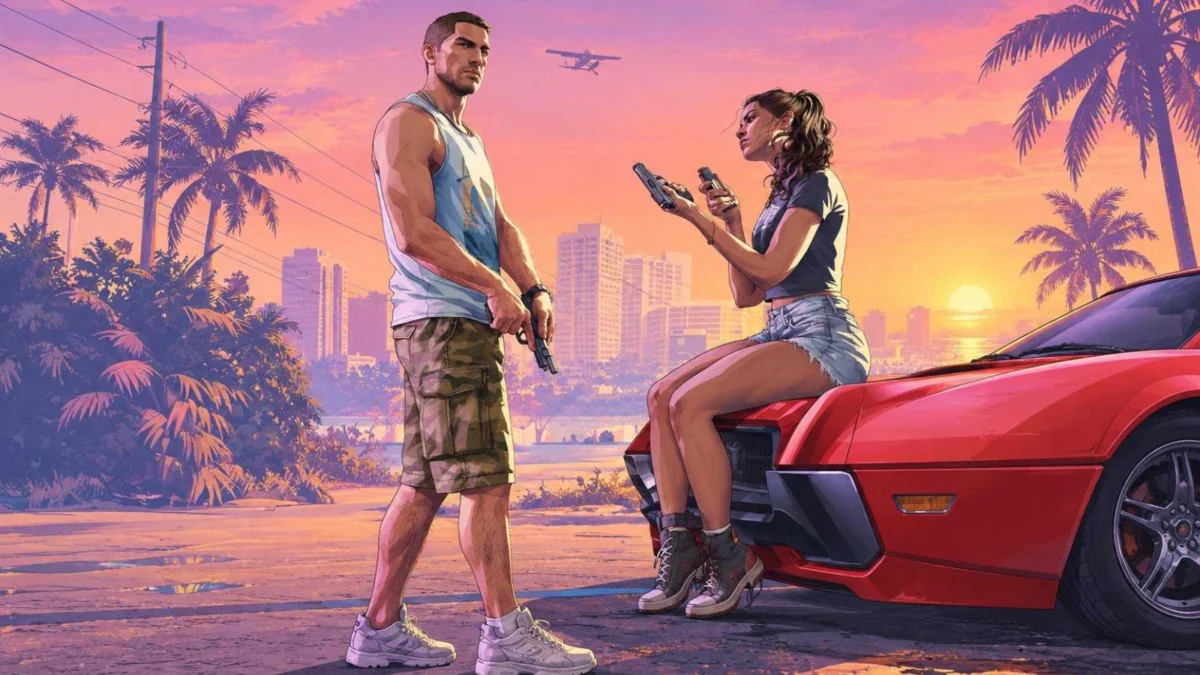
As the calendar inches closer to November 19, 2026, a peculiar phenomenon is beginning to ripple through the upper echelons of professional sports. It is not an injury crisis, a labor dispute, or a radical shift in league policy. Instead, it is the impending release of Rockstar Games’ Grand Theft Auto VI, a title so culturally significant that it has become the subject of strategic concern for athletes and coaches alike.
Leading the charge in these unconventional warnings is Houston Rockets center Steven Adams. Known for his dry wit and grounded perspective, the NBA veteran has suggested that the highly anticipated return to the state of Leonida may trigger a temporary, league-wide dip in professional performance across the NBA, NFL, and NHL.
The Main Fact: A Cultural Event, Not Just a Game
Grand Theft Auto VI represents more than just a software launch; it is arguably the most anticipated piece of entertainment in the history of the medium. With its sprawling open world, advanced AI, and the promise of a return to the neon-soaked streets of Vice City, the game has transcended the gaming community.
Steven Adams, speaking at the Rockets’ media day on September 22, didn’t mince words when asked about the potential impact of the game’s November 19 release. "You guys should anticipate November," Adams told reporters. "So look at the NFL, look at all the leagues, and watch them plummet."
For Adams, the allure of the digital world—exploring the marshes, cities, and illicit activities of Leonida—poses a genuine threat to the rigorous schedules of professional athletes. He posits that the transition from game-film study to gaming sessions is a bridge that many players, and even staff, will be unable to resist crossing.
Chronology of the Hype Cycle
To understand why a basketball player is discussing the release date of a video game, one must look at the timeline of Grand Theft Auto VI’s development and the subsequent fever pitch of anticipation:
- February 2022: Rockstar Games officially confirms that development for the next entry in the Grand Theft Auto series is "well underway."
- December 2023: The debut trailer shatters records, garnering over 90 million views in its first 24 hours, signaling that this was no ordinary gaming release.
- Late 2025 – Early 2026: The hype cycle shifts from speculation to genuine cultural obsession, with various industries noting that their workforce is planning around the eventual launch date.
- September 2026: During the NBA media day circuit, high-profile athletes like Steven Adams explicitly name-check the title, bringing the gaming conversation into the realm of professional sports analysis.
- November 19, 2026: The scheduled launch date, which many analysts are now calling "The Great Distraction."
Supporting Data: Why the Fear is Real
The concern expressed by Adams is not entirely without precedent. In the era of high-speed internet and connected consoles, professional athletes are increasingly drawn to the same competitive gaming landscapes as their fans.
Reports have surfaced suggesting that the cultural gravity of GTA 6 is already shifting workplace policies. A California-based automotive company recently made headlines by announcing it would pause operations on the game’s launch day, citing the reality that a significant portion of its workforce had already requested leave to be among the first to explore the game’s map.
Even more startling is the report regarding a U.S. Army battalion, which allegedly offered a four-day pass to soldiers who agreed to re-enlist, with the timing specifically aligned to allow for extended gameplay. While the authenticity of this memo remains unverified, its circulation across social media platforms underscores the "must-play" status the title has achieved.
Furthermore, the emotional weight of this release is captured in the stories of fans who have been waiting over a decade for a sequel. The recent public appeal from a daughter to Rockstar Games, requesting that they help her terminally ill father experience the game before he passes, highlights that for many, GTA 6 is not just a leisure activity—it is a significant milestone they are desperate to reach.

Official Responses and Professional Implications
The implications for professional leagues are significant. Coaches and scouts operate on razor-thin margins of preparation. If, as Adams suggests, the coaching staff and front-office personnel find themselves more preoccupied with the state of Leonida than the state of their respective playbooks, the competitive integrity of early-season games could theoretically fluctuate.
"The coaching and scouts are going to be horrendous, just for November," Adams noted with a smirk. "But it should bounce back in December, hopefully."
While league offices have remained largely silent on the matter, team performance coaches are reportedly keeping a closer eye on "sleep hygiene" and recovery habits as the release date approaches. In a league like the NBA, where travel and game frequency are brutal, any disruption to a player’s recovery cycle—whether it be excessive gaming or late-night sessions—is viewed as a liability.
However, the "Adams Theory" also suggests a natural correction. Most professional athletes are masters of their craft, and the demands of their contracts and the competitive drive inherent to their status will likely lead to a quick pivot back to professional responsibilities. The "plummet" Adams warns of is framed as a temporary, albeit chaotic, adjustment period.
The Economic and Psychological Impact
The phenomenon of "Gaming-Induced Productivity Loss" is an emerging topic in human resources, but GTA 6 is testing the limits of this theory. When an entertainment product is so pervasive that it impacts the logistics of the U.S. Army and the operations of private firms, it becomes a macroeconomic factor.
For the sports industry, the financial stakes are different. Athletes are individual brands. A drop in performance, a missed meeting, or a social media slip-up related to gaming can have lasting impacts on an athlete’s reputation and salary negotiations. The warning from a player as respected as Adams serves as a "shot across the bow" to his peers: enjoy the game, but don’t lose the game.
As the days tick down to November 19, the sports world will be watching not just the scoreboard, but the sidelines. Will we see a dip in defensive intensity? Will there be uncharacteristic mental errors in the fourth quarter? Or will the professionals prove they can balance the allure of a digital criminal underworld with the demands of their real-world careers?
Steven Adams remains optimistic, albeit cautious. He believes that by December, the initial frenzy will subside, and the focus will return to the hardwood and the gridiron. Until then, however, the professional sports world is on high alert. The "Vice City Effect" is real, and for one month, the most important scouting report might just be a mission guide for Grand Theft Auto VI.
In conclusion, the intersection of gaming culture and professional sports has never been more visible. Whether or not the leagues suffer the "plummet" that Adams predicts, the discourse surrounding the launch proves one thing: Grand Theft Auto VI has reached a level of cultural saturation that few products in history ever achieve. For the athletes, coaches, and staff, the coming weeks will be a test of discipline, priorities, and perhaps, a race to see who can finish their missions before the tip-off.


 Rifan Muazin
 Nila Kartika Wati