Suro Senen
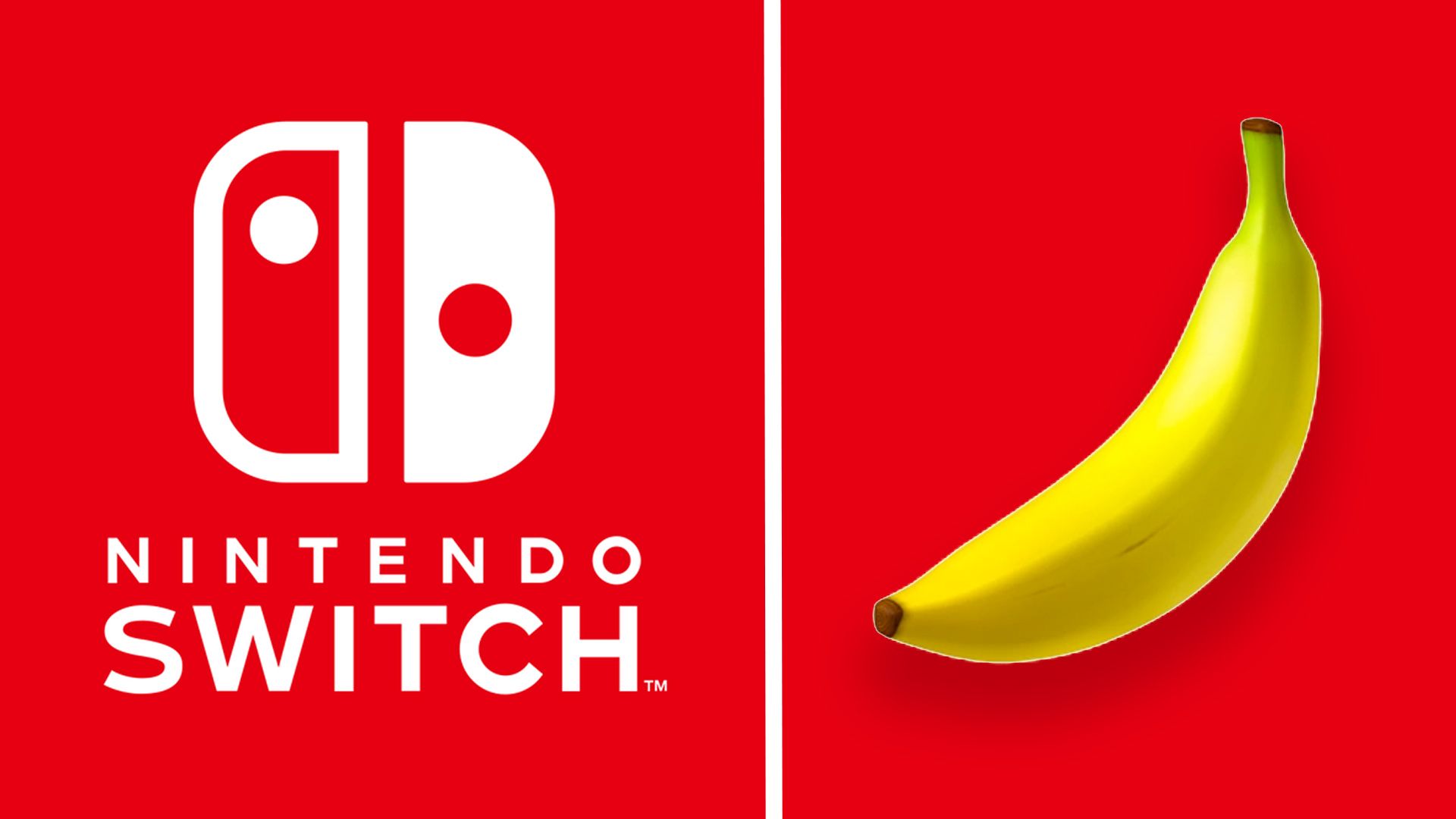
In a bizarre intersection of high-end gaming and grocery shopping, a peculiar digital phenomenon has taken over social media. Gamers across the United States have discovered a glitch in the Walmart online checkout system that allows them to bypass category restrictions and apply grocery-specific discount codes to high-priced Nintendo Switch titles. The key to this "hack"? A single, humble banana.
While the retail giant continues its massive Nintendo Switch tariff refund sale, this unintended workaround has become a viral sensation, with reports even suggesting that some local Walmart stores are experiencing localized banana shortages as consumers flock to the produce aisle to "unlock" their savings.
The Anatomy of the Loophole: How the Glitch Works
At the heart of this controversy are two specific promotional codes: FAST30 and SAVE3X. These codes are explicitly intended to incentivize first-time users to try Walmart’s grocery pickup and delivery services. Under normal circumstances, these discounts are restricted to food and household essentials.
However, a technical oversight in the checkout validation logic has created a vulnerability. When a user adds a high-value item—such as the newly released Fire Emblem: Fortune’s Weave—to their cart, the system initially rejects the grocery-specific codes. By adding a single, low-cost grocery item (most commonly a banana, costing roughly $0.20) to the basket, the system’s logic is triggered to recognize the entire order as a "grocery purchase."
Once the code is applied and the discount is calculated, the system applies the savings across the entire cart. In many documented cases, this allows shoppers to shave up to $20 off the price of a standard $79.99 game, effectively lowering the cost to approximately $60.
The "Banana" Effect
The choice of the banana as the primary "key" for this glitch is likely a mixture of necessity and internet humor. Bananas are inexpensive, widely available, and perhaps ironically, a nod to the Donkey Kong franchise, a staple of the Nintendo ecosystem.
Curiously, some users have reported that the glitch is even more robust than it appears. Once the discount code has been successfully registered and applied to the subtotal, some shoppers have claimed that they can remove the banana from their cart, and the discount remains active on the remaining gaming hardware or software.
Chronology of the Discovery
The discovery began shortly after the launch of Fire Emblem: Fortune’s Weave, which hit physical retail shelves just last week.
- Launch Week: Early adopters attempting to secure the game at a discount began testing various generic promo codes found on aggregate coupon sites.
- The Initial Report: The first documented reports appeared on X (formerly Twitter) and Reddit, where users noted that the checkout page was failing to recognize gaming software as eligible for grocery-based promotions.
- The Banana Breakthrough: A user, likely experimenting with cart contents to satisfy the code’s "grocery" requirement, successfully added a banana to their order. The confirmation of the discount triggered a wave of "try it yourself" posts.
- Viral Saturation: Within 48 hours, the trick moved from niche gaming forums to mainstream social media feeds, leading to a surge in traffic to the Walmart checkout page.
- Inventory Impacts: By the end of the weekend, anecdotal reports surfaced claiming that local Walmart stores in several regions were reporting "out of stock" status for bananas, a direct result of the high volume of "test" orders placed by gamers.
Supporting Data and User Experiences
The inconsistency of the glitch has been a major talking point. Not every shopper experiences the same success, which suggests that Walmart’s internal systems may be applying regional filters or updating their validation logic in real-time.
"If the code doesn’t work, try switching to pickup," one user advised on X. "If that doesn’t work, add a banana."
This advice highlights a key element of the exploit: the fulfillment method. The codes are specifically tied to the "Grocery Pickup or Delivery" service. Users who attempt to order games for standard shipping often find that the codes remain inert. The "banana method" essentially tricks the system into routing the order through the internal grocery fulfillment pipeline, which is where the discount logic is incorrectly applied.
Regional Variations
Market analysts observing the trend note that the "banana shortage" is likely a logistical anomaly rather than a genuine supply chain failure. Because the orders are routed to local stores for fulfillment, the sudden influx of orders containing single bananas creates a mismatch between a store’s inventory management software and the actual physical stock on the shelves. When a picker goes to fulfill an order and finds no bananas, the entire order—including the discounted game—may be canceled, leading to frustration for the shopper.
Official Responses and Corporate Strategy
As of this writing, Walmart has not issued a formal press release or a technical acknowledgment regarding the "Banana Glitch." However, industry experts suggest that the company is likely monitoring the situation closely.
Typically, in cases of coupon abuse or technical loopholes, retailers employ one of three strategies:
- Silent Patching: Updating the checkout validation code in the background to exclude specific SKUs (like video games) from being grouped with grocery orders, regardless of the cart contents.
- Order Cancellation: Flagging accounts that use promo codes in an "unintended manner" and canceling those orders before they are processed.
- Blacklisting: Temporarily disabling the specific promo codes during high-traffic sales periods to prevent further exploitation.
For now, the silence from Walmart suggests they may be weighing the cost of the lost revenue against the public relations fallout of mass-canceling orders from loyal customers.
The Broader Implications for Digital Retail
The "Banana Glitch" serves as a case study in the fragility of modern e-commerce automation. As retailers strive for "omnichannel" integration—where groceries, electronics, and home goods are all managed by a single, unified digital platform—the complexity of these systems increases.
Security vs. User Experience
Retailers face a constant battle between user experience (UX) and security. By making promo codes easy to apply and keeping cart systems fluid, they risk creating loopholes like this one. If they tighten security too much, they risk alienating legitimate customers who simply want to use a valid coupon.
The Impact on Gaming Retail
For the gaming industry, this highlights the ongoing pressure on physical game pricing. With digital distribution becoming the standard, physical retail outlets like Walmart are constantly looking for ways to drive foot traffic. When a game launches at a premium price point of $79.99, consumers are increasingly seeking any available discount. The willingness of gamers to engage in "checkout theater" to save $20 is a testament to the current economic climate and the high demand for physical copies of titles like Fire Emblem.
A Note to Prospective Shoppers
If you are currently considering attempting this exploit, it is worth noting that it is not a guaranteed success. The inconsistency reported by users suggests that Walmart is actively iterating on its checkout rules.
Furthermore, relying on a system glitch to finalize a purchase carries inherent risks:
- Order Cancellation: If a store’s inventory management system detects an error, your entire order, including the game you intended to purchase, may be voided.
- Account Flags: Repeated attempts to use promotional codes in a way that violates their terms of service could potentially lead to your account being restricted from future promotional offers.
- Inconvenience: The time spent troubleshooting checkout errors often outweighs the actual financial benefit.
For those who simply want a reliable discount, there are legitimate, authorized sales currently ongoing for the Nintendo Switch library. Whether you are waiting for the next generation of hardware—the rumored "Switch 2," which many enthusiasts are already eyeing—or simply looking to build your current collection, it is often safer and more reliable to utilize official sale channels.
As the retail landscape continues to shift toward more complex, automated systems, the "Great Banana Glitch" will likely go down in internet history as a humorous, if minor, chapter in the evolution of digital commerce. For now, it stands as a reminder that even the most sophisticated retail algorithms can be defeated by a piece of fruit and a bit of collective internet ingenuity.


 Siti Muinah
 Asep Darmawan