
 Layla Zulfa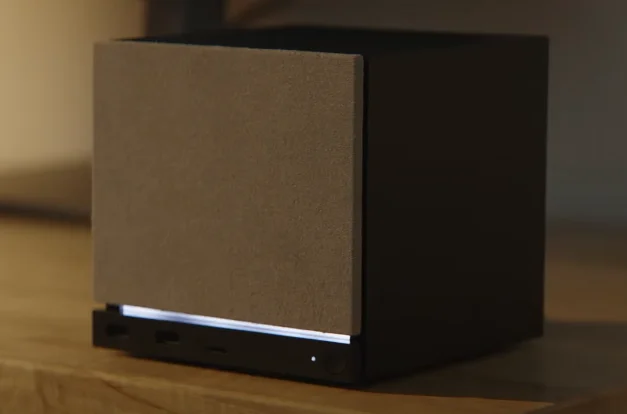
By Matthew Wilson | Tech News Correspondent
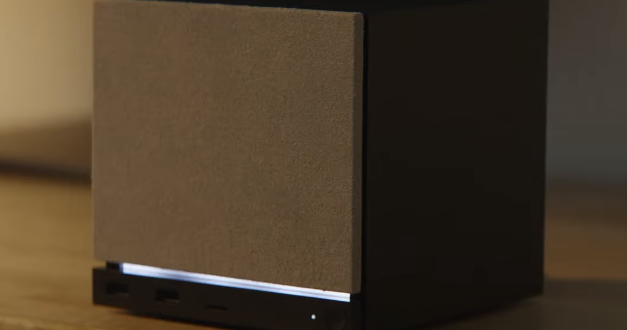
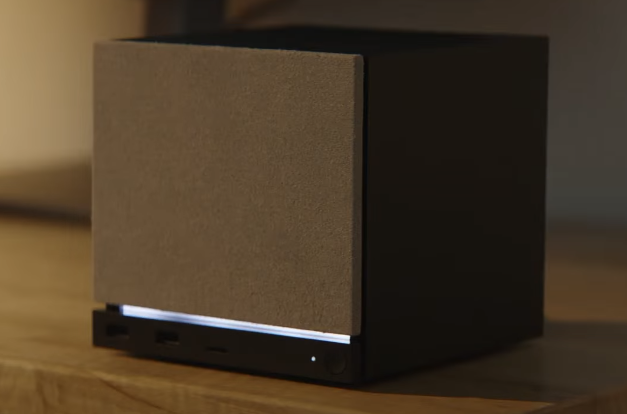
Valve Corporation appears to be on the precipice of a major hardware release. Following the successful, albeit supply-constrained, launch of the latest iteration of the Steam Controller, the gaming giant is reportedly applying lessons learned from that rollout to its next ambitious project: the Steam Machine. Recent data mining efforts by the community, coupled with significant logistical activity, suggest that Valve is preparing to bypass the chaos of retail scalping by implementing a structured reservation system for its upcoming console hardware.
The Evidence: Datamining and Logistics
The speculation surrounding an imminent launch is not merely based on rumor, but on concrete evidence unearthed within the latest Steam client update. Tech-savvy users on platforms like Reddit have successfully deconstructed recent patch files, revealing specific string references that point to a multi-tiered product rollout.
According to these findings, the backend infrastructure for a reservation system is already present within the Steam codebase. The data suggests that Valve has prepared for four distinct "packages" regarding the Steam Machine, with an additional two packages dedicated to a product referred to as the "Steam Frame." While the specific definitions of these packages remain under wraps, industry analysts believe they correspond to varying storage capacities—likely 512GB and 2TB models—with bifurcated options that include or exclude the proprietary Steam Controller.
This digital footprint is corroborated by physical-world logistical data. Over the past several weeks, customs and import records have highlighted a surge in shipments categorized as "game consoles" arriving at locations associated with Valve’s distribution network. The scale of these imports indicates that Valve is currently stockpiling inventory to ensure that, unlike the Steam Controller’s initial release, the launch will have enough volume to meet at least the initial wave of demand.
Chronology of a Hardware Evolution
To understand the significance of this move, one must look at the trajectory of Valve’s hardware philosophy over the last decade.
- The Initial Vision (2013-2015): Valve’s original attempt at the Steam Machine concept focused on a "living room" experience powered by SteamOS. While the project didn’t achieve the mass-market dominance Valve initially hoped for, it laid the groundwork for the Proton compatibility layer that would eventually allow Windows games to run seamlessly on Linux.
- The Steam Controller Lessons: When Valve released its recent controller hardware, the demand far outstripped the initial supply. Scalpers utilized bots to sweep up inventory, leaving legitimate enthusiasts empty-handed. This led to widespread frustration and high resale prices on secondary markets.
- The "Steam Deck" Proof of Concept: The overwhelming success of the Steam Deck taught Valve that the key to a successful hardware launch is vertical integration. By controlling the storefront, the software (SteamOS), and the hardware distribution, Valve has minimized the friction that typically plagues third-party console manufacturers.
- The Present Day: The current preparation for the Steam Machine represents a synthesis of these experiences. By instituting a reservation system, Valve is essentially attempting to "verify" its customer base, ensuring that units go to active Steam accounts rather than automated purchasing scripts.
The Mechanics of the Reservation System
The reservation system is a strategic tool designed to stabilize market prices and manage expectations. Unlike a traditional "first-come, first-served" online storefront, a reservation system typically requires a small, refundable deposit. This acts as a barrier to entry for bots, which generally cannot handle the complexities of account-linked deposits or the KYC (Know Your Customer) steps that Valve might implement.
By staggering the rollout through reservations, Valve gains a significant advantage: accurate demand forecasting. Instead of guessing how many units to ship to specific regions, the reservation data allows Valve to allocate stock based on real-world geography, ensuring that distribution centers are prepared for the influx of orders.
Supporting Data: Pricing and Market Positioning
While Valve has remained tight-lipped regarding the price tag, the hardware specifications—particularly the shift toward 512GB and 2TB storage options—suggest a premium device. Market analysts speculate that Valve will likely position the Steam Machine as a "console-killer" that bridges the gap between high-end PC gaming and the convenience of a console like the PlayStation 5 or Xbox Series X.
If the 512GB model serves as the entry-level offering, it may be priced aggressively to capture the mid-range market. However, the inclusion of a 2TB variant suggests that Valve is targeting the "power user" demographic, who are willing to pay a premium for high-fidelity gaming without the need for manual storage upgrades.
The "Steam Frame," the other device identified in the code, remains the greatest mystery. Speculation suggests it could be a standalone display dock or a modular accessory meant to enhance the Steam Machine experience, possibly serving as a high-refresh-rate output solution for users looking to play on monitors rather than televisions.
Official Responses and Corporate Strategy
Valve’s official stance remains one of "calculated silence." The company has historically preferred to let its product updates speak for themselves rather than engaging in traditional PR cycles. This strategy serves two purposes: it prevents the "hype cycle" from becoming unmanageable, and it gives the developers the flexibility to delay or pivot without public backlash.
However, the presence of these strings in the Steam client is, for all intents and purposes, a soft launch. Valve is essentially testing the plumbing of its reservation system in a live environment. By integrating the system directly into the Steam client, they are leveraging their existing ecosystem of millions of active users, removing the need for customers to navigate a third-party website or external retail portal.
Implications for the Gaming Industry
The potential launch of a new Steam Machine has broad implications for the broader gaming landscape:
- Linux Gaming Dominance: A successful Steam Machine launch would serve as the ultimate validation for Linux-based gaming. If Valve can prove that a dedicated hardware platform running SteamOS can outperform or match the experience of Windows, it could lead to a massive migration of developers prioritizing Linux compatibility.
- The Death of Scalping: If the reservation system proves effective, it could set a new industry standard. Major console manufacturers have struggled with scalper-driven shortages for years; if Valve successfully manages its supply through account-based reservations, it could force Sony, Microsoft, and Nintendo to adopt similar, more consumer-friendly distribution models.
- The "Console" Definition: The Steam Machine blurs the lines between a PC and a console. By providing a "console" that is actually a powerful, open-architecture PC, Valve is appealing to gamers who are tired of the closed-off "walled garden" approach of traditional console manufacturers. It empowers users to mod, upgrade, and repair their devices, which stands in stark contrast to the trend of planned obsolescence.
Final Thoughts: The Road Ahead
As the days pass, the evidence continues to mount. The convergence of datamined code, logistical shipping data, and the lessons learned from the Steam Controller launch paints a clear picture: Valve is ready to re-enter the living room with a vengeance.
The final hurdle remains the price. For a device that acts as a gateway to the massive Steam library, the cost-to-performance ratio will be the ultimate arbiter of success. If Valve can deliver a powerful, reliable machine at a competitive price point, they may well disrupt the console market in a way that hasn’t been seen since the launch of the original Xbox.
For now, enthusiasts and industry observers alike are watching their Steam clients closely, waiting for the "Reserve Now" button to appear. When it does, it will mark not just a new piece of hardware, but a new chapter in Valve’s mission to make PC gaming as accessible and ubiquitous as the living room console. The Steam Machine is no longer a "what if"—it is a "when."


 Pevita Pearce
 Reynand Wu




