Reynand Wu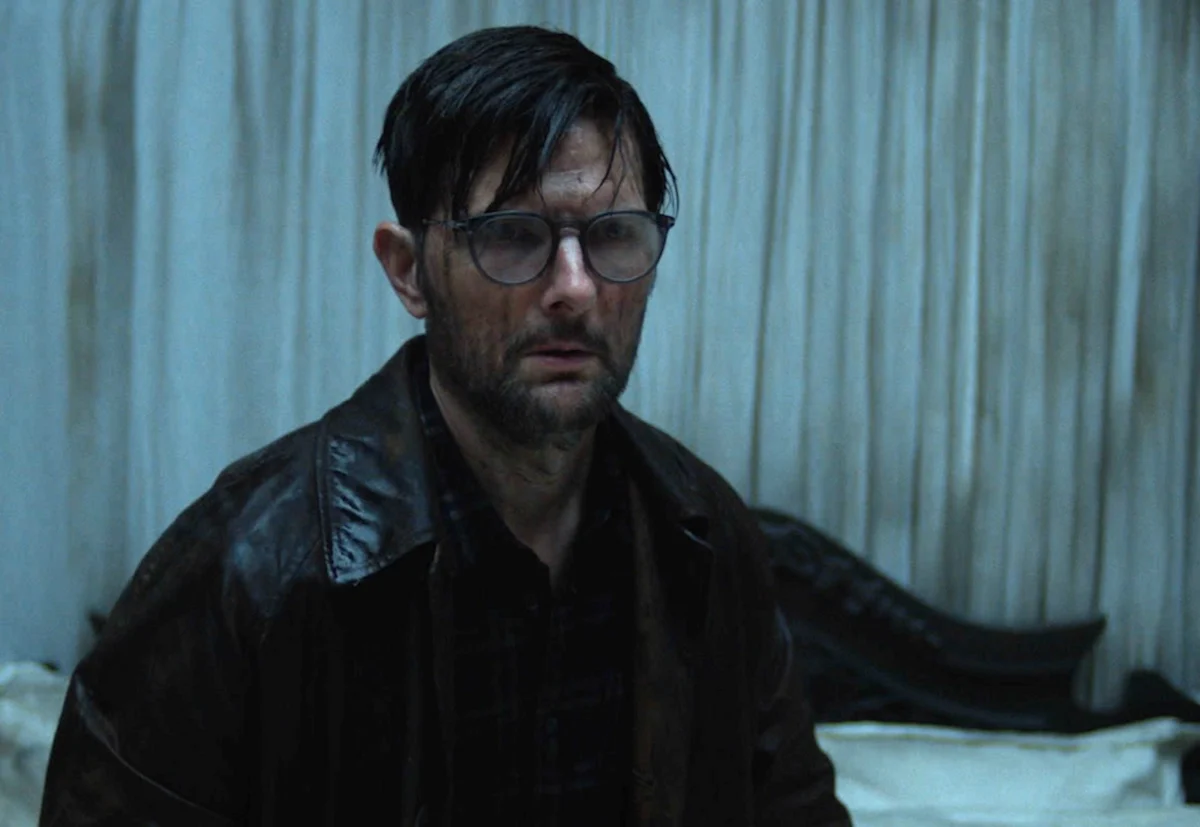
In the landscape of contemporary psychological horror, few filmmakers have cultivated a visual language as claustrophobic and deeply unsettling as Irish writer-director Damien McCarthy. Following the success of his previous features, Caveat (2020) and the widely lauded Oddity (2024), McCarthy returns with his third major project, Hokum. While the title may suggest a playful subversion of expectations, the film is a masterclass in atmospheric dread, positioning itself as a significant contribution to the genre. As the film prepares for its digital debut on Hulu on October 10, 2026, anticipation is mounting for what critics are calling a visceral exploration of grief, folklore, and the "beautiful" nature of monsters.
Main Facts: The Premise of Hokum
At its core, Hokum defies the conventions of the standard "haunted hotel" trope. The narrative follows Ohm Bauman, a disillusioned and notably cantankerous novelist portrayed by Adam Scott. Bauman’s journey is rooted in an act of performative duty: he travels to a secluded, atmospheric inn in the Irish countryside—a location steeped in his own family’s history.
The ostensible purpose of his visit is to inter his parents’ ashes, but the structure of the inn and the surrounding landscape soon dismantle his skepticism. What begins as a personal pilgrimage quickly devolves into an immersive descent into Irish folk horror. The film is populated by a collection of unsettling motifs: an enigmatic witch, the carcass of a goat, and a cast of characters whose moral alignment remains dangerously fluid. The film does not rely on cheap jump scares; instead, it leverages McCarthy’s signature style of sustained tension, forcing the audience to confront the intersection of human cruelty and the supernatural.
Chronology: The Director’s Path to Hokum
Damien McCarthy’s trajectory within the horror genre has been defined by a meticulous, slow-burn approach to narrative. To understand the significance of Hokum, one must look at the foundation laid by his earlier works.
The Rise of a Genre Specialist
- 2020: Caveat: McCarthy’s debut feature served as an introduction to his ability to craft terror out of stillness. The film focused on a drifter with memory loss tasked with watching a woman in an isolated house. It established his reputation for using domestic spaces as psychological prisons.
- 2024: Oddity: With his sophomore effort, McCarthy expanded his reach. The film was met with widespread critical acclaim, lauded for its intricate puzzle-box narrative and its ability to blend tactile, physical horror with emotional stakes. It solidified McCarthy’s status as a visionary of the "Irish Weird."
- 2026: Hokum: The current project represents a maturation of his craft. By moving the setting from a house to an inn—a transient space of transition and history—McCarthy explores themes of generational trauma and the haunting nature of memory.
Supporting Data: The Cast and Production
The strength of Hokum lies not just in its directorial vision but in a carefully curated ensemble cast that brings the film’s tense, isolated world to life.
Adam Scott, best known for his versatility in both comedic and dramatic roles, anchors the film with a performance that balances cynicism with deep-seated vulnerability. His portrayal of Ohm Bauman serves as the audience’s proxy, grounded in human frustration before the narrative forces him into a supernatural crucible.
Joining Scott are:
- Peter Coonan: Known for his commanding screen presence, Coonan adds a layer of unpredictable menace to the film.
- David Wilmot: A veteran of Irish cinema, Wilmot brings a grounded, earthy quality to the film’s darker elements.
- Florence Ordesh, Will O’Connell, and Michael Patric: This supporting cast rounds out the inhabitants of the inn, each contributing to the web of secrets that Bauman must navigate.
The inclusion of the "dead goat" in the promotional materials—a detail that has already become a focal point of discussion among horror aficionados—highlights the film’s commitment to grotesque, symbolic imagery that bypasses rational explanation to strike at primal fears.
Official Perspectives: Decoding the Narrative
The ambiguity of Hokum is a deliberate narrative choice, one that has been noted by critics and those close to the production. In her review for Reactor, Leah Schnelbach captures the essence of what makes this film distinct:
"Sometimes monsters just ARE. Sometimes things that seem like monsters to our human eyes are actually beautiful. Maybe the supernatural elements are ‘real’ and maybe they aren’t—it doesn’t matter when the story’s good enough. And that’s what Hokum is doing."
This perspective shifts the conversation around the film from "is the monster real?" to "what does the monster represent?" McCarthy has been vocal in interviews regarding his interest in the "rabbits of it all"—a metaphorical exploration of the hidden, burrowing nature of secrets in the Irish countryside. By refusing to clarify the exact nature of the supernatural entities, the film respects the intelligence of the audience, allowing the dread to manifest through atmosphere rather than exposition.
Implications: Hokum and the Future of Folk Horror
The release of Hokum on Hulu during the "spooky season" of 2026 is a strategic move that highlights the growing appetite for high-concept, culturally specific horror.
Cultural Resonance
Irish folk horror has seen a renaissance in recent years, with films like The Hole in the Ground and You Are Not My Mother paving the way. Hokum differentiates itself by stripping away the comfort of modern technology and connectivity. The inn is a liminal space, disconnected from the velocity of the modern world, which allows the ancient, rural fears of Irish folklore to surface with greater impact.
The Streaming Impact
The decision to bring Hokum to a major streaming platform like Hulu is a testament to the shift in how horror is consumed. While the theatrical experience provides the communal jump-scare, the intimate, unsettling nature of McCarthy’s films often benefits from the solitary, late-night viewing experience afforded by streaming.
A New Standard for Psychological Horror
As the industry looks toward the end of 2026, Hokum stands as a benchmark for how directors can use genre tropes to explore complex human emotions. The film does not seek to reinvent the wheel; instead, it rolls it through the mud, forcing the viewer to look closely at the grit and history left behind.
Conclusion
Damien McCarthy has once again proven that he is one of the most exciting voices in modern horror. Through the lens of Hokum, he forces us to consider the fine line between the domestic and the demonic. Whether the supernatural elements are literal manifestations of spirits or simply the projection of Ohm Bauman’s fractured psyche, the result is the same: an unforgettable, harrowing experience that lingers long after the credits roll.
For those eager to step into the inn and confront the secrets buried within, the wait is almost over. As October 10, 2026, approaches, viewers should prepare themselves for a film that refuses to offer easy answers, choosing instead to settle into the marrow of the viewer’s bones, much like the folklore it so expertly invokes. In the quiet, dusty corners of an Irish inn, McCarthy shows us that sometimes, the most terrifying thing in the room isn’t the monster—it’s the truth we bring with us.

 Sagoh
Sagoh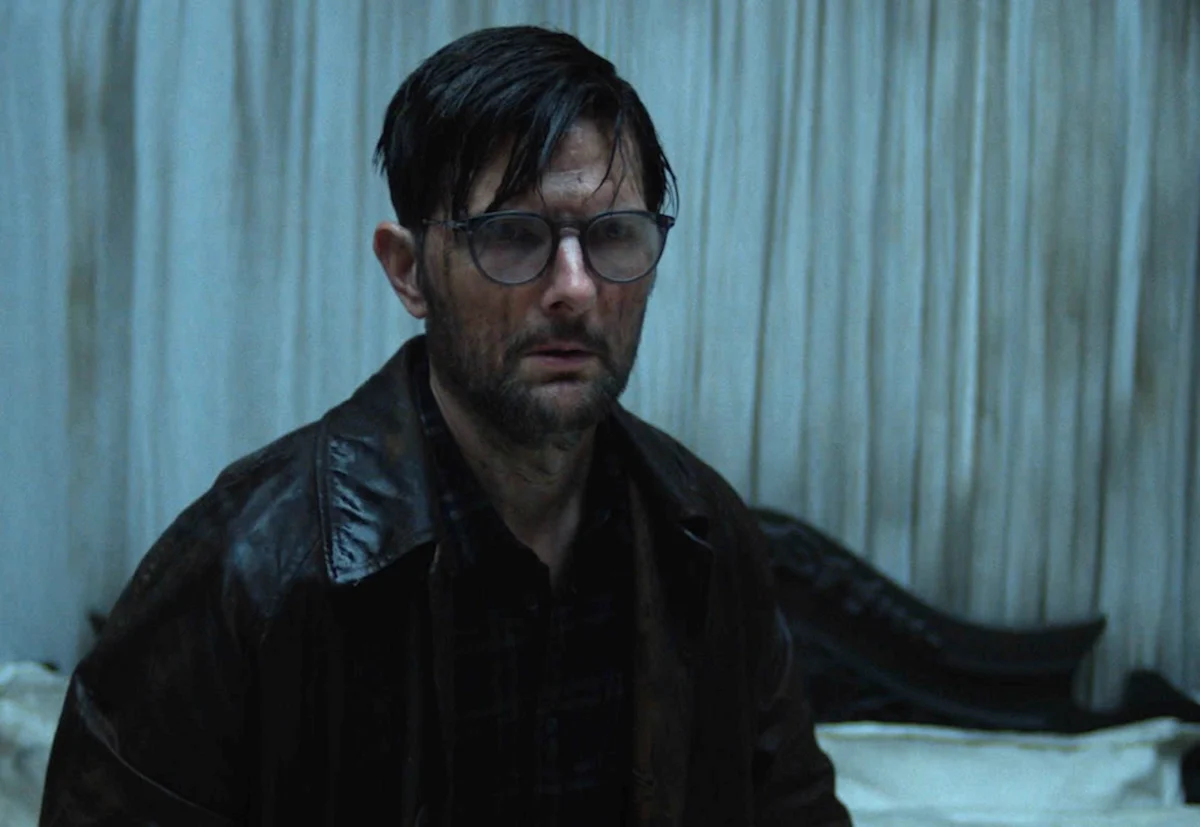
 Basiran