

Spoiler Warning: This retrospective contains significant spoilers for Black Sun, the early stages of Fevered Star, and broad narrative arcs throughout the Between Earth and Sky trilogy. Readers who have yet to complete the series are advised to proceed with caution.
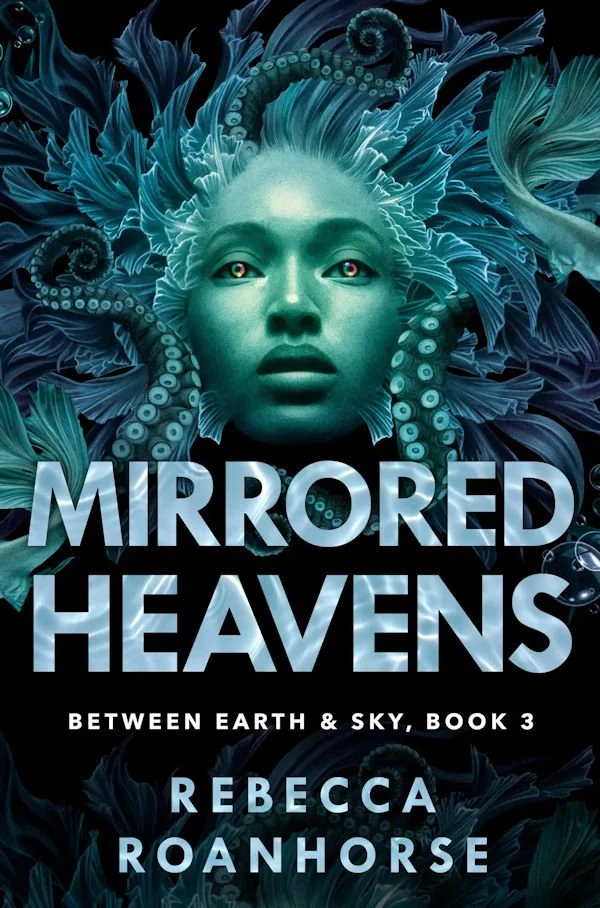
In the landscape of contemporary epic fantasy, few series have managed to construct a world as visceral, politically complex, and mythically resonant as Rebecca Roanhorse’s Between Earth and Sky trilogy. Concluding with the 2026 release of Mirrored Heavens, the series stands as a monumental achievement in genre fiction. Despite its acclaim, the trilogy remains a criminally under-discussed pillar of modern literature. For those who have yet to traverse the continent of Meridian, the time to start is now; Roanhorse has not only crafted a trilogy, but a cultural phenomenon that challenges the very foundations of the "chosen one" narrative.
A Chronology of Chaos: The Arc of Meridian
The saga begins in the holy city of Tova, a hub of spiritual and political power, during the winter solstice. This sacred event serves as the catalyst for a near-apocalyptic shift in the continent’s balance of power. The narrative is anchored by four primary perspectives, each representative of the complex social strata within the Meridian:
- Naranpa: The Sun Priest, a survivor from the disenfranchised “dry-earth” regions who has clawed her way to the pinnacle of the Celestial Tower, serving as the voice of the four Sky-made clans.
- Serapio: A vessel of vengeance, groomed by his mother via a gruesome ritual to host the Crow god and dismantle the Celestial Tower.
- Xiala: A Teek sea captain whose siren-like songs and moral ambiguity make her an invaluable, albeit reluctant, player in the unfolding prophecy.
- Okoa: The son of the Carrion Crow matron, whose journey from political pawn to reluctant warrior defines the moral center of the series.
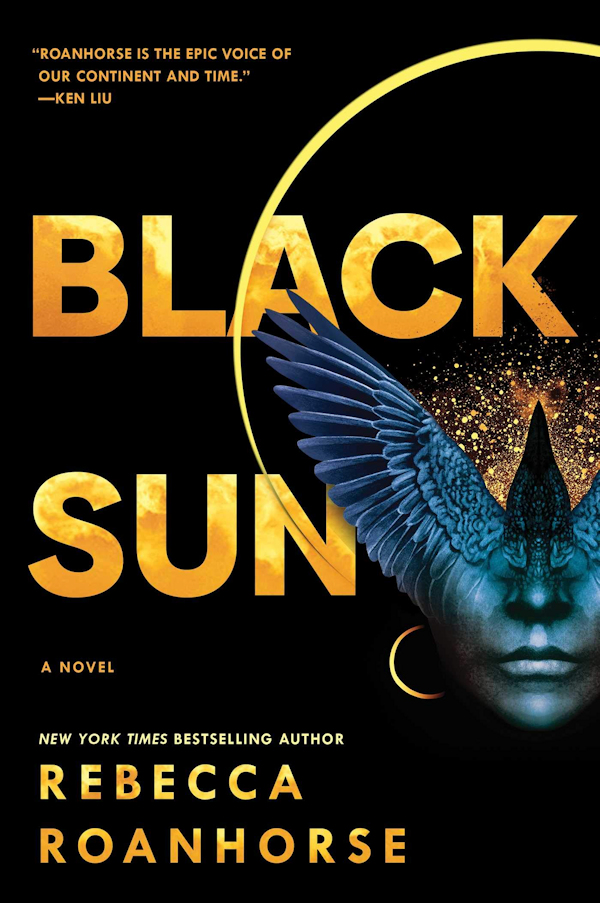
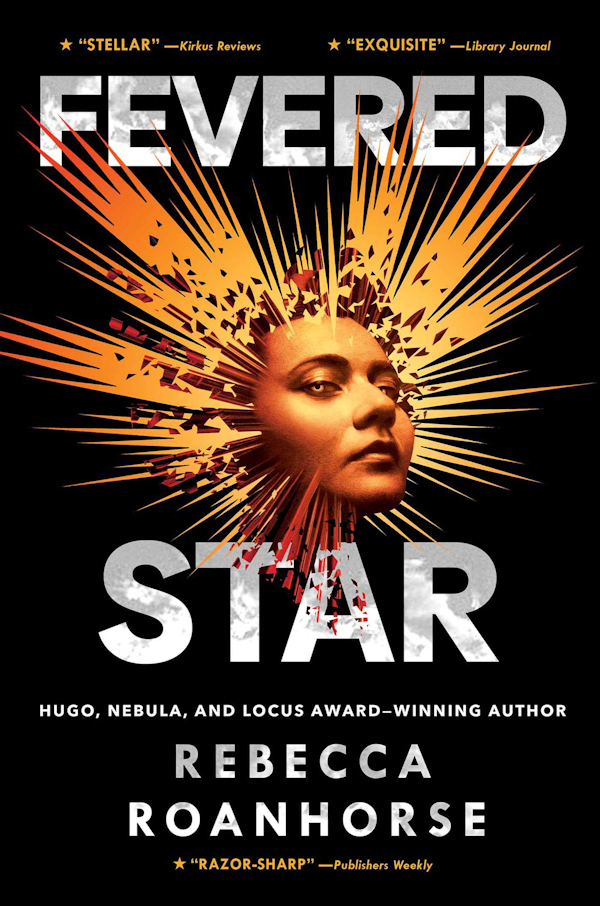
The chronology of the series is marked by the violent rupture of the solstice. In Black Sun, Serapio’s successful invocation of the Crow god leads to the massacre of the Watchers—the priestly council—and the descent of Tova into a permanent eclipse. This event shatters the Treaties that held the peace for generations, triggering a domino effect of war, betrayal, and divine retribution that spans Fevered Star and concludes in the climactic Mirrored Heavens.
Supporting Data: Character Dynamics and Worldbuilding
What separates Between Earth and Sky from its contemporaries is the sheer caliber of its character work. Roanhorse avoids the pitfalls of flat archetypes, instead presenting individuals defined by their internal contradictions.

The Nuance of Perspective
Roanhorse’s ability to distinguish voice is nothing short of clinical. If one were to redact the names at the head of every chapter, the reader would still be able to identify the POV character based solely on cadence, vocabulary, and emotional disposition. Xiala’s cynicism regarding naval superstition contrasts sharply with Naranpa’s heavy burden of duty. This depth allows the series to tackle heavy themes—such as the trauma of parental expectation and the weight of ancestral gods—without the story ever feeling bogged down by its own philosophy.
The Architecture of the World
The worldbuilding in Meridian is a masterclass in organic exposition. Rather than relying on tedious info-dumps, Roanhorse weaves the history of the Sky-made clans (Carrion Crow, Winged Serpent, Water Strider, and Golden Eagle) into the daily lives and superstitions of her characters. Whether it is the political maneuvering in the city of Hokaia or the desolate, god-haunted atmosphere of the grave of the gods, every setting feels lived-in and historically layered.
Official Critiques and Literary Implications
The series has been lauded for its bold departure from Eurocentric fantasy tropes, opting instead for a narrative rooted in pre-Columbian inspiration and unique myth-making. However, critical discourse has not been without debate.
The Controversy of Redemption
While the series is near-flawless, some readers have pointed to the redemption arc of Iktan as a point of contention. As a character whose narcissism and betrayal set the stage for the initial slaughter, Iktan’s reintegration into the narrative serves as a polarizing plot point. For many, this arc challenges the reader’s capacity for forgiveness, though some argue that it slightly undermines the gravity of the character’s initial actions.
The Anatomy of an Antagonist
Conversely, the characterization of the primary antagonist, Balam, has been universally praised. Unlike many fantasy villains who operate through brute force, Balam is a master of the long game—a white jaguar prince whose shadow magic and dreamwalking capabilities turn the entire series into a complex puzzle. Watching the pieces of Balam’s influence fall into place is one of the most rewarding experiences in modern fantasy, turning what initially seemed like a series of unfortunate coincidences into a calculated masterpiece of manipulation.
Thematic Resonance: The Illusion of Choice
A central theme of the trilogy is the concept of fate versus agency. Each protagonist is a young adult, theoretically in control of their future, yet all find themselves funneled toward a singular, catastrophic collision by the machinations of a preceding generation.
The brilliance of this setup is how it utilizes the "chosen one" trope only to subvert it. Serapio, for instance, is not a hero in the traditional sense; he is a weapon that gains consciousness. His journey from a blinded child of ritual to a leader of the Carrion King is a testament to the idea that one can be shaped by their circumstances without being entirely defined by them.
The meta-fictional awareness of the characters—their internal recognition that their fates are intertwined—adds a layer of sophistication that respects the reader’s intelligence. It creates a sense of "inevitable tragedy" that keeps the stakes high while allowing for genuine character growth.
The Legacy of Meridian
Looking back at the trajectory of the series, it is clear that Rebecca Roanhorse has established herself as a titan of the genre. As early as 2020, critics identified Black Sun as a watershed moment for fantasy. With the completion of Mirrored Heavens, that promise has been fulfilled.
The Between Earth and Sky trilogy serves as a reminder of what the fantasy genre can achieve when it leans into non-Western mythologies and focuses on the intersection of intimate character arcs and grand-scale political upheaval. The series does not simply exist; it demands to be analyzed, discussed, and celebrated.
For the literary community, the takeaway is clear: the conversation around this series should be loud. Whether you are a fan of high-stakes political intrigue, profound character studies, or breathtaking worldbuilding, the continent of Meridian offers an experience that is as harrowing as it is rewarding. As we look toward the future of the genre, it is certain that Roanhorse’s work will be cited as a foundational text for a new generation of fantasy writers.
If there is any complaint to be made, it is only that the trilogy has concluded. One can only hope that the author returns to this rich, shadow-drenched universe, whether through short fiction, prequels, or new tales from the Sky-made clans. Until then, the Between Earth and Sky trilogy stands as a finished, cohesive, and deeply satisfying achievement that sets a new gold standard for the field.











No comments yet. Be the first to join the conversation!