Lina Hope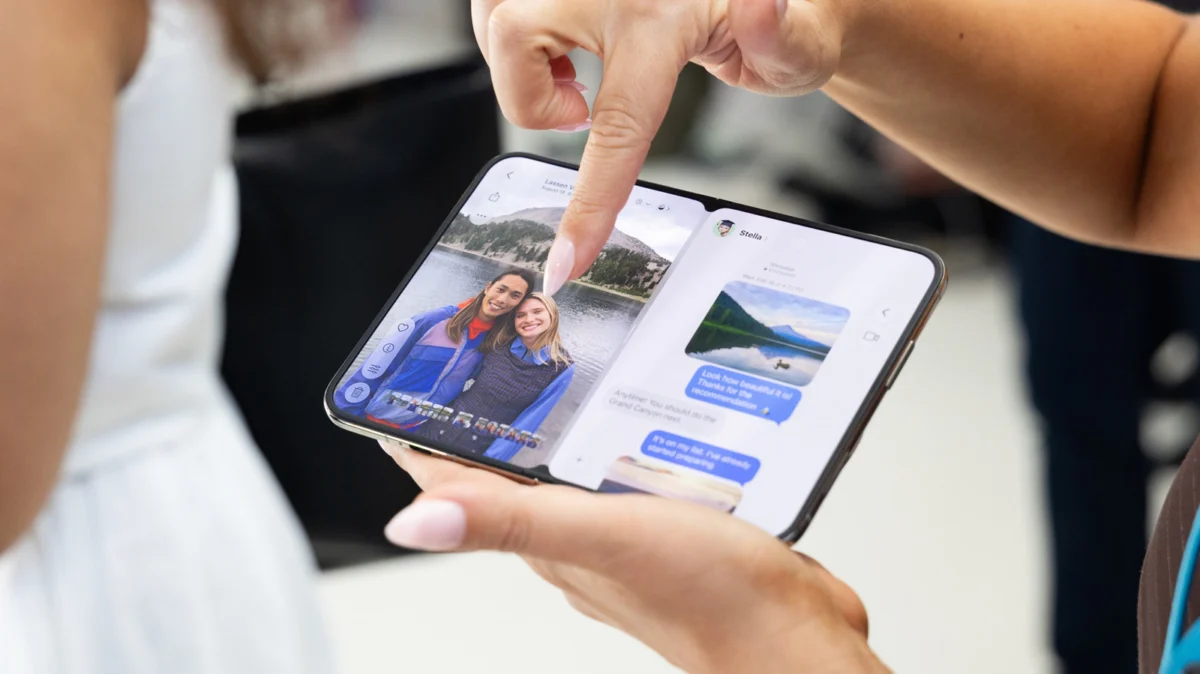
The smartphone industry has long been defined by a singular, persistent challenge: the “foldable crease.” Since the debut of the first generation of foldable devices, manufacturers have engaged in a high-stakes engineering arms race to mitigate the physical indentations that occur where a display flexes. Now, with the highly anticipated launch of the iPhone Duo, Apple has entered the fray, banking on a novel nano-texture display to solve what has historically been an eyesore. However, as the device prepares for its retail debut next month, industry experts and consumers alike are left with a lingering question: Does this new technology offer a permanent solution, or is it merely a temporary reprieve from the inevitable?
The Main Facts: Innovation Meets Physics
The core of the iPhone Duo’s design philosophy centers on a sophisticated approach to screen aesthetics. Unlike competitors who rely solely on mechanical hinge engineering to stretch the screen taut, Apple has introduced a specialized nano-texture matte coating. This surface treatment is designed to diffuse light, effectively masking the visual depth of the crease that forms at the fold point.
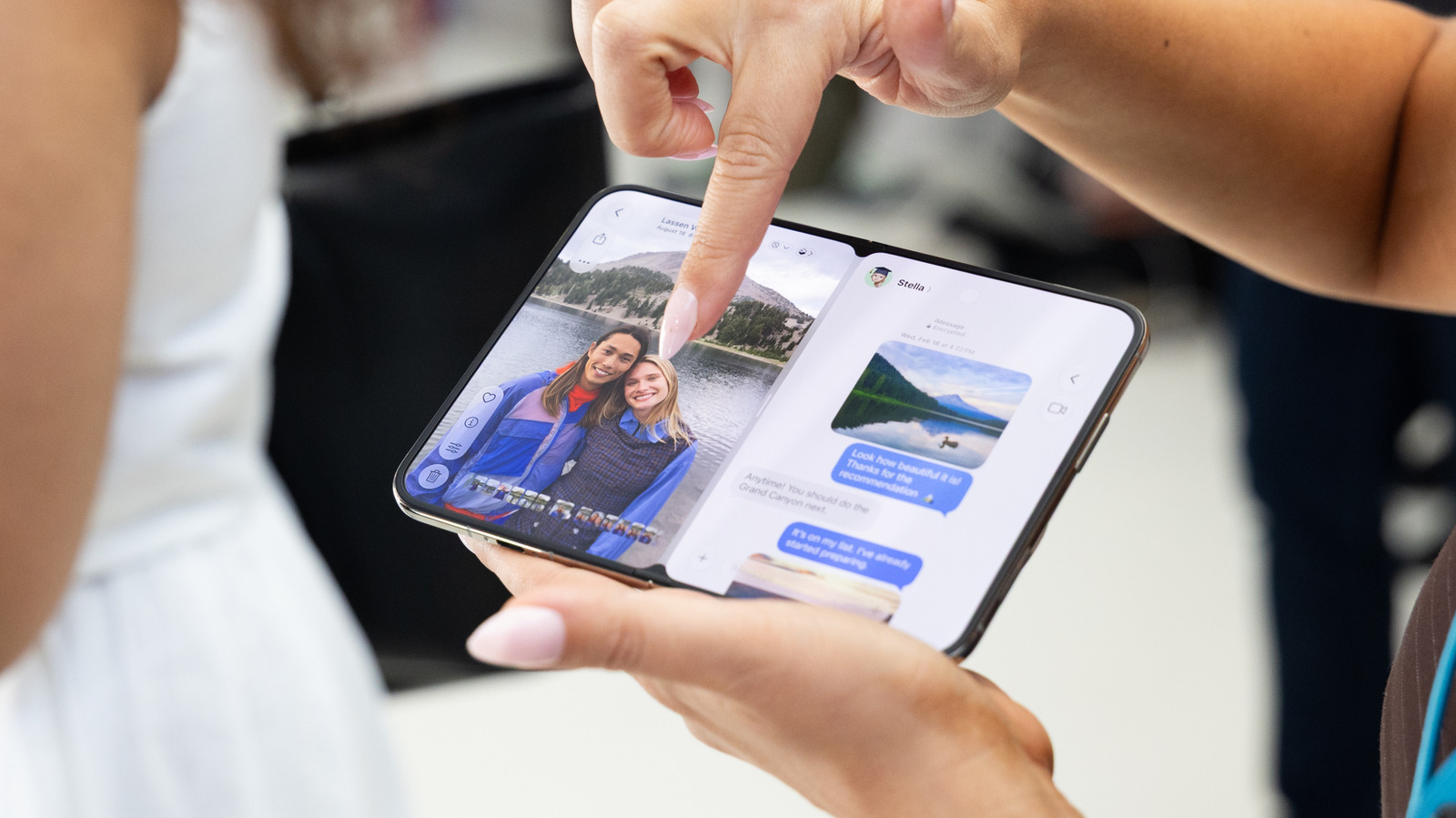
During early hands-on sessions, the results have been striking. Observers noted that while the crease remains tactile—something one can feel when running a finger across the center of the display—it is significantly harder to discern visually. The matte finish obscures the refraction that typically highlights the indentation under direct lighting. Yet, this raises a fundamental question of physics versus optics. While the coating may camouflage the crease to the human eye, it does not prevent the underlying materials from undergoing the structural stress associated with thousands of cycles of folding and unfolding.
A Chronology of the Foldable Struggle
To understand why the iPhone Duo’s longevity is currently under such intense scrutiny, one must look at the trajectory of the foldable market over the last five years:
- 2019: The "Beta" Era. The launch of early-generation foldables was marred by fragility. Screens were prone to cracking, and the crease was deep, wide, and impossible to ignore.
- 2021-2023: Mechanical Refinement. Companies like Samsung began integrating "teardrop" hinge designs, which allow the screen to tuck into the device’s chassis more effectively, reducing the sharpness of the fold. These improvements made the crease shallower but never fully eradicated the physical depression.
- 2024: The Apple Entry. Apple’s entry into the space signifies a shift toward material science. By utilizing the nano-texture coating—a technology previously seen on high-end desktop monitors—Apple is attempting to solve the problem by manipulating light rather than just relying on hinge mechanics.
- The Present Day: We find ourselves in a "wait-and-see" period. As the device approaches its commercial release, the tech community is preparing for the first wave of long-term testing that will determine if the nano-texture coating maintains its integrity or degrades with repetitive friction.
Supporting Data: The Reality of Cumulative Damage
The skepticism surrounding the iPhone Duo is rooted in historical data regarding foldable screen fatigue. Foldable displays are multilayered composites consisting of flexible polymers, touch-sensitive digitizers, and protective layers. When a phone is folded, these layers must accommodate a shift in geometry.
The Mechanism of Failure
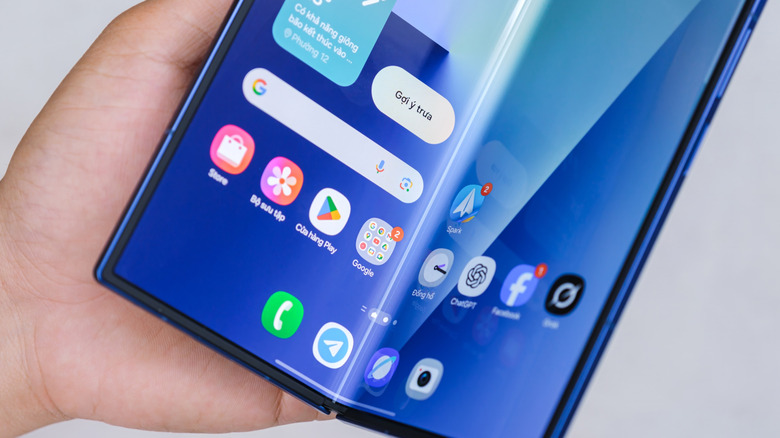
When a device is brand new, the tension in the display is uniform. However, after several months of use, the material begins to "settle." This is often referred to as plastic deformation. In devices like the Galaxy Z Fold series, users have documented that the crease becomes progressively more visible as the hinge mechanism settles and the screen’s protective layer loses its initial factory tension.
Current consumer reports and Reddit threads dedicated to foldable maintenance show a consistent pattern: early-stage screen protectors often begin to peel at the crease, and the screen itself may develop micro-fractures in the protective coating. Apple’s challenge is to ensure that its proprietary coating does not fall victim to the same accelerated wear. If the nano-texture layer begins to rub off or accumulate oils and debris within the trough of the crease, the visual benefits of the matte finish could rapidly diminish.
Official Responses and Corporate Strategy
Apple executives have been notably bullish regarding the iPhone Duo’s durability. In recent interviews, leadership within the hardware engineering division has emphasized the proprietary nature of the hinge, describing it as the most durable implementation in the industry.
"We didn’t just build a hinge; we built an ecosystem for the display," one spokesperson noted during the announcement event. Apple claims that their ceramic-shield-infused polymer layer is specifically calibrated to work in tandem with the nano-texture finish, creating a synergistic effect that resists both surface scratches and the long-term indentation that plagued previous generations of foldable phones.
However, Apple has remained guarded about the specific repair protocols for the screen. If the nano-texture layer is damaged, does it require a full display replacement? Does the matte finish degrade under the pressure of a stylus or fingernails? These remain critical questions that the company has yet to answer with full transparency.
Implications for the Smartphone Industry
The implications of the iPhone Duo’s performance are significant. If Apple succeeds in maintaining a "crease-free" visual experience for the life of the product, it will effectively set a new industry standard. Competitors will likely be forced to pivot their R&D away from purely mechanical hinge solutions and toward similar optical and material-science fixes.
Conversely, if the iPhone Duo begins to show significant crease wear within the first six months, it could reinforce the narrative that foldable technology is fundamentally "disposable." This would be a blow to the premium smartphone market, which is currently attempting to market these devices as long-term investments rather than high-end toys.
The "Influencer Test" and Future-Proofing
In the coming months, we can expect a deluge of content from independent reviewers and tech-focused YouTubers who specialize in "extreme durability tests." These tests—often involving robotic arms that fold the phone tens of thousands of times—will provide the first empirical data on how the iPhone Duo handles long-term mechanical stress.
While these tests are often criticized for being overly aggressive compared to "real-world" use, they provide a necessary benchmark for consumer confidence. For the average user, the true test will be the daily carry: in pockets, purses, and environments with varying temperatures, all of which contribute to the breakdown of screen adhesives and coatings.
Conclusion: A Promising Start, A Long Road Ahead
Apple deserves credit for addressing the crease in a way that feels uniquely "Apple"—prioritizing the user’s visual experience through intelligent design. The initial impressions of the iPhone Duo are undeniably positive, and the decision to tackle the issue via a nano-texture screen demonstrates a creative departure from the status quo of the foldable market.
However, the industry’s history is littered with promising technologies that failed the test of time. Whether the iPhone Duo represents a true breakthrough or a cleverly masked iteration of the same old problems will only be determined by time. Until then, consumers should view the "invisible" crease with a healthy dose of realistic expectation. We are witnessing the first chapter of a new era for the iPhone; the final chapter will be written by the millions of users who will put these devices to the ultimate test in their own pockets, day in and day out. The crease may be hidden today, but the true measure of Apple’s engineering will be whether it stays that way tomorrow.

 Nana Muazin
 Iffa Jayyana