Iffa Jayyana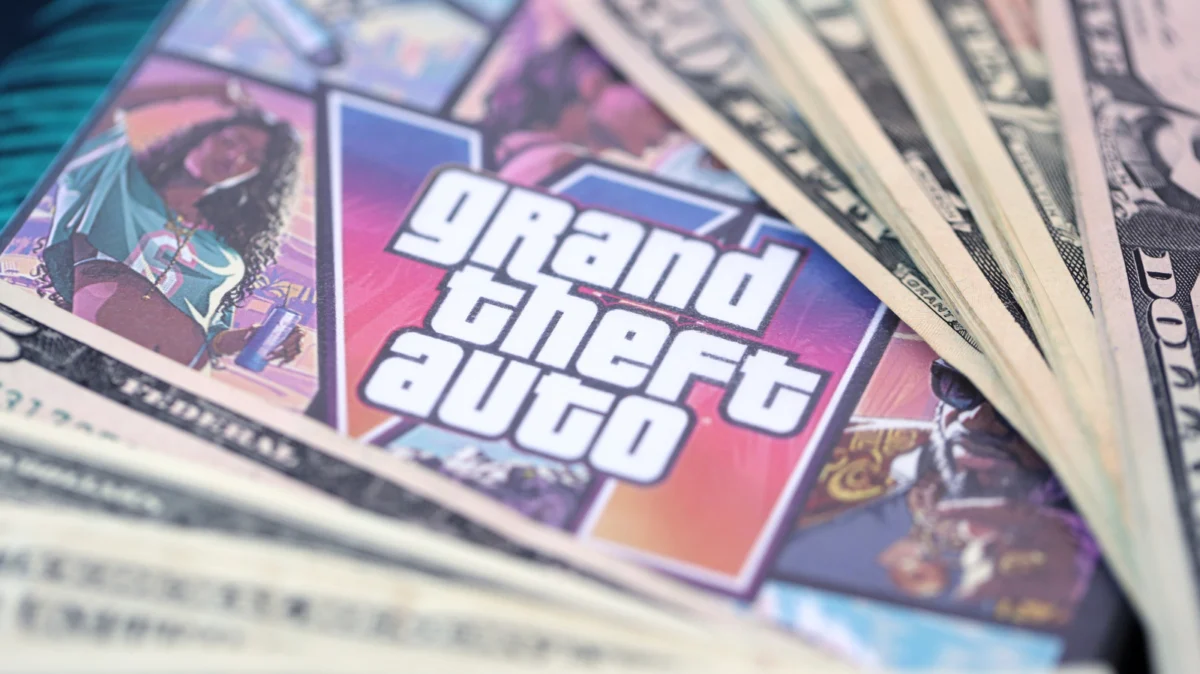
The anticipation surrounding Rockstar Games’ Grand Theft Auto VI has reached a fever pitch. As one of the most significant cultural milestones in the history of interactive entertainment, its eventual arrival represents more than just a game launch—it is a global event. However, with the Standard Edition priced at $80 and the feature-rich Ultimate Edition retailing for $100, the barrier to entry has become a point of contention for many fans.
In a digital landscape increasingly defined by subscription models and rising "AAA" pricing tiers, a growing segment of the Xbox community has turned to a creative, albeit patient, strategy: leveraging Microsoft’s ecosystem to effectively neutralize the cost of the game. By meticulously accumulating Microsoft Rewards points and utilizing specialized financial tools, these players are demonstrating that while the game isn’t cheap, it doesn’t necessarily have to come out of one’s primary bank account.
The Economics of Modern Gaming: Why GTA VI Costs More
The price jump for Grand Theft Auto VI from the traditional $60 console standard to the $80–$100 range reflects a broader industry shift. As development cycles for high-fidelity open-world games extend into the better part of a decade and production budgets balloon into the hundreds of millions, publishers are increasingly passing those costs to consumers.
The $100 Ultimate Edition, in particular, targets "power users"—those looking for a head start in the inevitable GTA Online environment, exclusive digital assets, and early access to side activities. For the average gamer, shelling out a full "C-note" for a single title is a significant financial commitment. This reality has sparked a grassroots movement on platforms like Reddit, where users are sharing "frugal gaming" blueprints, turning the grind for rewards points into a meta-game of its own.
Chronology: From Announcement to Digital Accumulation
The strategy to secure a free copy of the game didn’t happen overnight. It began in earnest following the official pricing announcements from Rockstar Games.
- The Reveal: Following the long-awaited trailer and the subsequent confirmation of the game’s multi-tiered pricing, the community began analyzing how to mitigate the cost.
- Early Adopters: Savvy users, such as Reddit’s Financial_Specific24 and Automatic_Ad1665, began publicizing their methods. Their success stories acted as a catalyst, encouraging others to look at their Microsoft account balances as a potential "pre-order fund."
- The Accumulation Phase: Over the past several months, these players have been systematically checking off daily tasks, maintaining streaks, and maximizing their engagement with the Microsoft ecosystem.
- The Target Window: With the game’s release slated for the coming months, the window for "earning" the game is narrowing, turning the final stretch into a high-stakes race to hit the 100,000-point threshold required for a $100 gift card.
Supporting Data: The Math of the "Free" Game
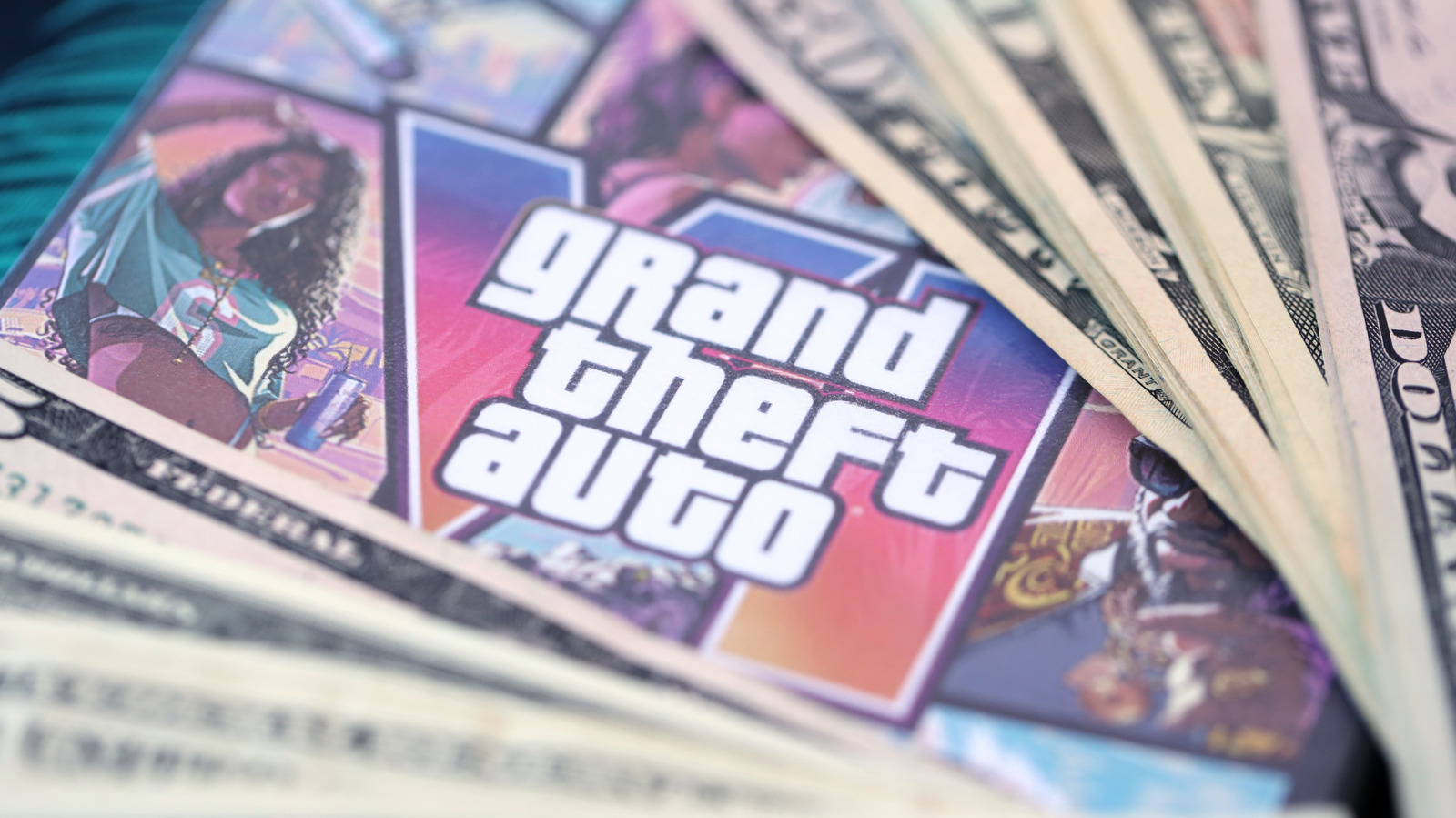
To understand how these players are achieving this, one must look at the math behind Microsoft Rewards. The exchange rate is relatively transparent: roughly 1,000 points equates to $1 in local currency. To acquire the $100 Ultimate Edition for free, a player requires 100,000 points.
The Multiplier Effect
The speed at which a player earns points is heavily dependent on their status within the Microsoft ecosystem.
- Game Pass Ultimate: Subscribers with this tier earn points at an accelerated rate—often four times faster than non-subscribers—by participating in exclusive Quests.
- Search Engine Integration: Utilizing Bing as a primary search engine and the Bing mobile app provides a consistent, low-effort drip of points.
- Daily Streaks: The most successful players emphasize the importance of "streaks." Microsoft rewards consistency; by completing daily sets of polls and quizzes on the Rewards dashboard, the daily yield increases over time.
While the Xbox Mastercard offers a more direct path through cashback-style point accumulation on purchases, it carries the inherent risk of credit card debt. The Rewards dashboard, by contrast, remains the "hard way"—it requires time, discipline, and a daily commitment, but it is entirely risk-free.
Official Stance and Ecosystem Design
Microsoft has long positioned its Rewards program not just as a loyalty scheme, but as a central pillar of its gaming strategy. By gamifying the act of using their search engine, web browser, and gaming console, Microsoft creates a "sticky" ecosystem.
While Rockstar Games has not commented on these specific player tactics, the ability to use third-party gift cards (like those redeemed through Microsoft Rewards) to pay for games on the Xbox Store is a fundamental feature of the platform. Microsoft effectively subsidizes these purchases for the most active members of its community, viewing the loss in immediate revenue as a gain in long-term platform engagement and user retention.
For the player, the corporate incentive is irrelevant; the result is a copy of one of the most anticipated games in history without a direct debit from their checking account.
The Implications of "Reward-Based" Consumption
The emergence of this trend signals a shift in how players interact with the cost of gaming. In an era of inflation, the "grind" is no longer just for digital gear or character levels; it is for the purchase price itself.
The Psychology of the "Free" Game
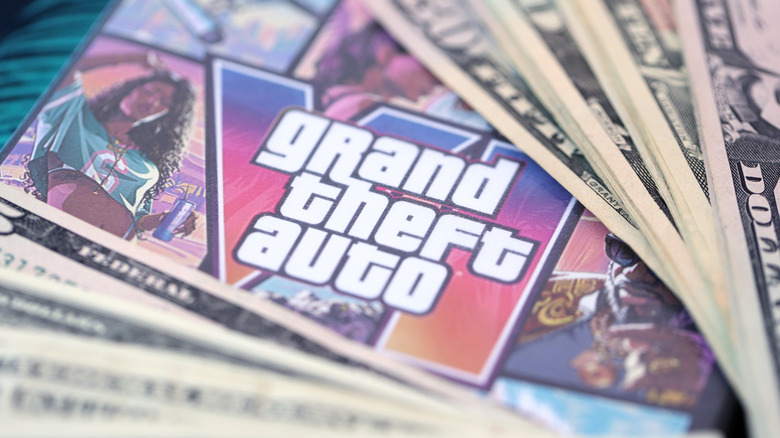
There is a profound psychological satisfaction in securing a $100 item through effort rather than cash. It turns the pre-order into a reward for months of digital labor. However, this model also creates a form of "digital labor" where players perform data-entry tasks, perform web searches, and maintain streaks for a corporation in exchange for entertainment. Critics might argue that the time spent earning these points could be better spent elsewhere, but for those with limited disposable income, this is a legitimate path to participation in a major cultural event.
Sustainability and Future Outlook
As more players catch onto these methods, the viability of the "free game" strategy may change. We have already seen Microsoft adjust the point-earning potential of certain activities over the last year. If too many players successfully "game the system" to acquire high-priced titles, it is possible that the requirements for redemption will increase or the availability of points-earning activities will be capped.
Conclusion: A Blueprint for the Budget-Conscious Gamer
Grand Theft Auto VI will undoubtedly be a financial success for Rockstar Games, regardless of how individual players fund their purchase. However, the success of the Xbox community in "earning" their way to Vice City highlights a resourceful approach to modern consumerism.
For those willing to put in the time—maintaining streaks, engaging with the Bing ecosystem, and maximizing Game Pass Quests—the dream of a "free" blockbuster release is achievable. It requires patience and a methodical approach, but as the launch date approaches, those 100,000 points will represent far more than just a currency exchange; they will represent a hard-earned ticket to one of the most significant digital experiences of the decade.
Whether you choose the credit card route or the long, steady climb of daily rewards, one thing is certain: the residents of Los Santos and Vice City will be waiting, and for many, the cost of admission will have been paid in dedication long before the first mission begins.

 Lina Hope
 Nana Muazin