Muslim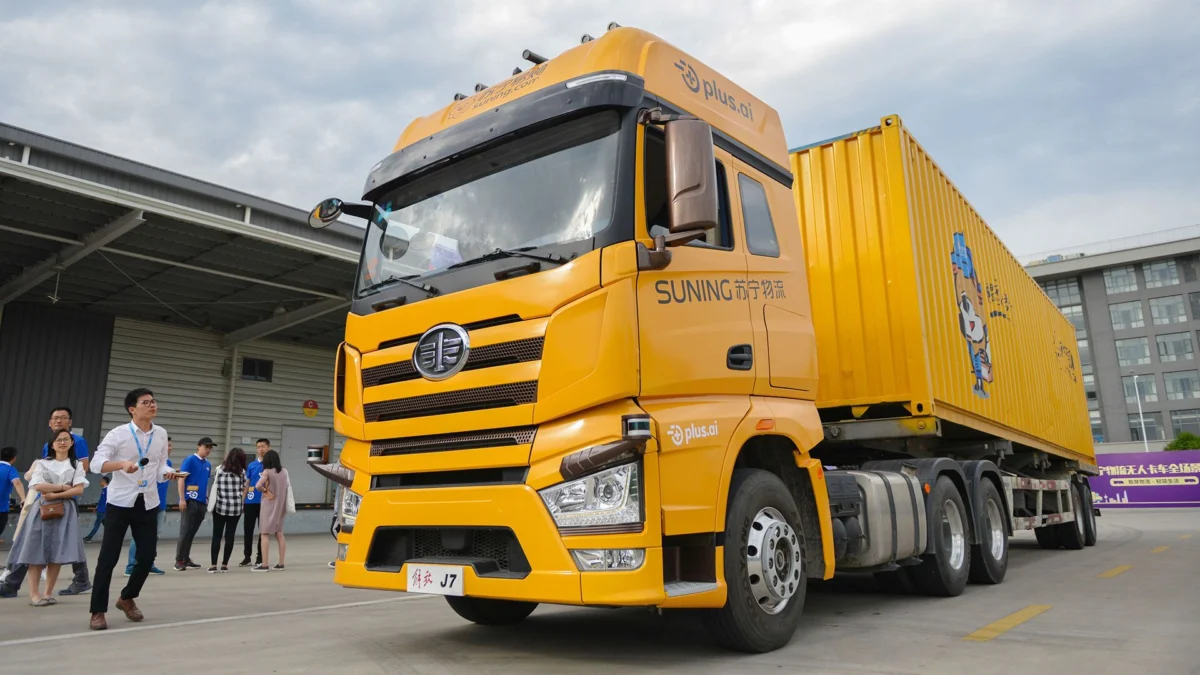
In a bizarre intersection of high-stakes artificial intelligence development and low-tech criminal desperation, an attempted robbery targeting autonomous trucking startup PlusAI has highlighted the growing peril facing the tech industry’s supply chain. While the theft of two branded trailers might have seemed like a lucrative score for a criminal syndicate targeting Nvidia’s coveted AI hardware, the perpetrators were left with nothing more than 40,000 pounds of industrial sand.
This incident serves as a surreal footnote in an increasingly violent and sophisticated trend: the systematic targeting of the AI hardware ecosystem by organized crime. As global demand for high-performance GPUs and data center components skyrockets, these items have effectively become the "gold bars" of the 21st century.
The Chronology of a Failed Heist
The attempted theft involved PlusAI, a company at the forefront of autonomous trucking technology, which maintains a strategic partnership with Nvidia to develop its self-driving systems. Given this association, PlusAI trucks and trailers frequently feature prominent co-branding, serving as a beacon for those looking to intercept shipments of cutting-edge semiconductors.
According to reports, the thieves identified two trailers bearing the markings of both PlusAI and Nvidia. Operating under the assumption that these vehicles were transporting high-value GPU arrays destined for a data center or research facility, the criminals successfully intercepted and relocated the trailers. However, the reality of the cargo was a far cry from the multi-million-dollar haul they anticipated. Upon forcing the doors open at an undisclosed location, the thieves found that the trailers were ballasted with approximately 20,000 pounds of sand each.
The irony of the situation—that criminals risking prison time for an AI-powered windfall ended up with industrial aggregate—has underscored the unpredictability of modern cargo theft. While the heist failed, it highlights a chilling reality: the sheer brazenness of criminal groups who are now actively monitoring and targeting companies involved in the AI supply chain.
The Economic Drivers: Why Hardware is the New Currency
To understand why a criminal syndicate would go to such lengths, one must look at the unprecedented demand for AI infrastructure. The "AI Gold Rush" has transformed the PC component market, driving the price of high-end GPUs, such as the Nvidia H100 and A100, into the stratosphere.
The Scarcity Premium
The global semiconductor shortage, while easing in some sectors, has been exacerbated by the insatiable appetite for AI computing power. As enterprises and hyperscale cloud providers scramble to build out data centers, they are effectively "hoarding" the world’s supply of GPUs. This scarcity has created a black market where these chips can be sold for thousands of dollars over retail price, with few questions asked by overseas buyers or illicit mining operations.
From Petty Theft to Cargo Hijacking
The theft of high-value electronics is no longer confined to porch pirates swiping DDR5 RAM from suburban doorsteps. The problem has migrated to the supply chain’s most vulnerable points: the highways. In recent months, we have seen a dramatic escalation in tactics. Thieves have moved from "snatch and grab" operations to highly organized, violent heists.
In one documented incident in California, criminals used extreme force, literally ramming and spinning security escorts off the road to seize a truckload of high-end graphics cards. These are not opportunistic criminals; these are organized cells using tactical maneuvers usually reserved for action cinema.
Supporting Data: The Rising Tide of Cargo Crime
The scale of the threat is documented by both law enforcement and logistics monitoring firms. In the past year, cargo thefts involving tech components have risen by double-digit percentages.
- Financial Impact: Recent heists in the Chicago area alone saw the recovery of $1 million in equipment and $300,000 in copper wiring—a small fraction of the total losses estimated in the logistics sector.
- The Copper Connection: While GPUs are the crown jewels, the theft of copper cabling used in data center infrastructure has become a secondary industry for criminals. The volatile price of base metals, combined with the massive amounts of cabling required to wire a modern AI data center, has made these construction sites primary targets.
- The "Decoy" Reality: The PlusAI incident suggests that logistics companies are becoming aware of the threat. The use of sand as ballast is a common, if rarely discussed, practice in high-security logistics to test for weight distribution and to act as a deterrent against unauthorized cargo access.
Official Responses and Industry Security Posture
While PlusAI has not issued a detailed statement regarding the security protocols surrounding the "sand heist," the incident has triggered a wave of internal security audits across the tech industry.
Major hardware manufacturers and their logistics partners are now implementing a "defense-in-depth" strategy:
- Increased Security Escorts: As seen in the California incidents, companies are now hiring private security teams to shadow high-value shipments. However, as the criminals become more aggressive, the question arises: what happens when the security teams are outgunned?
- Real-time Telemetry: Modern shipping containers are increasingly equipped with IoT sensors that track not only GPS coordinates but also light sensors, vibration, and door-opening alerts. This allows for real-time monitoring and immediate alerts to law enforcement if a trailer deviates from its pre-planned route.
- Anonymization of Cargo: In the wake of these thefts, there is a growing movement to stop branding trailers with the names of high-profile tech companies. By removing the "Nvidia" or "PlusAI" logos, companies hope to lower their profile and avoid becoming targets for organized crime syndicates that operate based on visual reconnaissance.
Implications for the Future of AI Development
The implications of this security crisis extend far beyond the balance sheets of tech companies. If the supply chain for AI hardware becomes too dangerous or too expensive to secure, it could slow down the pace of AI innovation.
Escalating Operational Costs
When companies have to factor in the cost of armed security, specialized tracking, and increased insurance premiums for shipping hardware, those costs are inevitably passed down to the consumer. This creates a "security tax" on every AI-powered service, from chatbots to autonomous driving software.
The Cybersecurity of Physical Assets
For years, the industry has focused on the "cyber" aspect of AI security—protecting models from data poisoning or prompt injection. The "sand heist" serves as a brutal reminder that the physical security of the hardware is the foundational layer of AI integrity. If an attacker can intercept a shipment of GPUs, they could potentially install malicious hardware implants (a "supply chain interdiction") before the equipment ever reaches the data center.
A Call for Federal Oversight
There is a growing chorus of voices calling for federal intervention in the protection of AI infrastructure. Because these hardware components are now considered essential national infrastructure—critical to defense, intelligence, and the national economy—some experts argue that thefts should be treated with the same severity as crimes against public utilities.
Conclusion: A Surreal Warning
The story of the PlusAI trailers filled with sand is, at its heart, a modern fable. It highlights the absurdity of our current era, where a mountain of sand is worth more to a company than the potential chaos caused by a successful GPU heist. However, the humor should not mask the gravity of the situation.
Organized crime has identified the AI revolution as a vulnerable target. As the industry continues to scale, the gap between the value of the goods being transported and the security measures protecting them must be closed. Until then, the "sand heist" will likely remain one of the more fortunate outcomes for a company targeted by a new generation of high-tech bandits. The industry is currently in a race—not just to build the best AI, but to ensure that the hardware powering that AI actually reaches its destination.

 Asep Darmawan
 Jia Lissa