Asep Darmawan
For the open-source community, the trajectory of software development is often a slow, methodical march toward stability. Unlike the proprietary cycles of major OS vendors, the Linux ecosystem thrives on transparency, community-driven bug reports, and the tireless work of volunteer contributors. Sometimes, this process takes weeks; other times, it spans years.
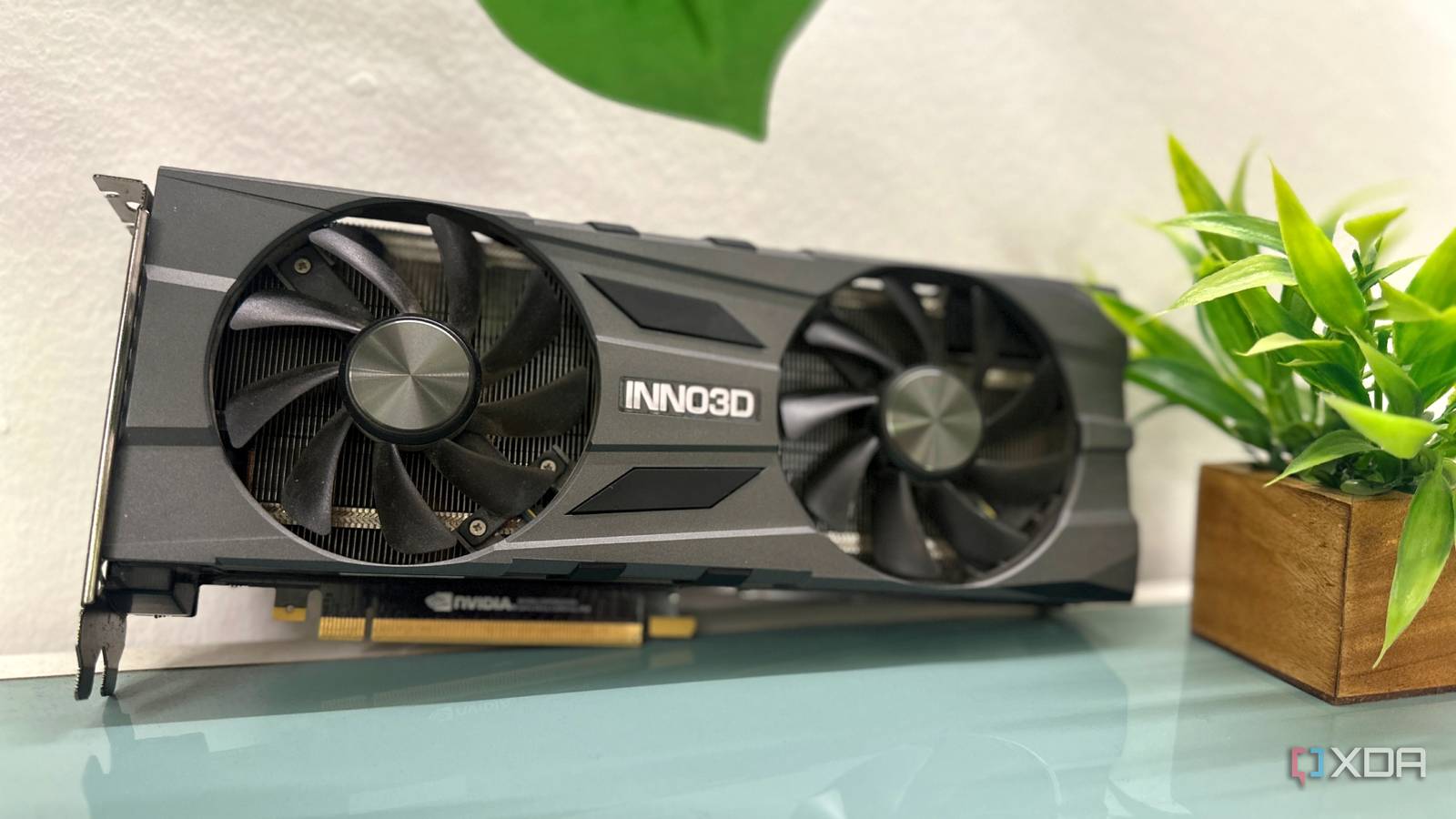
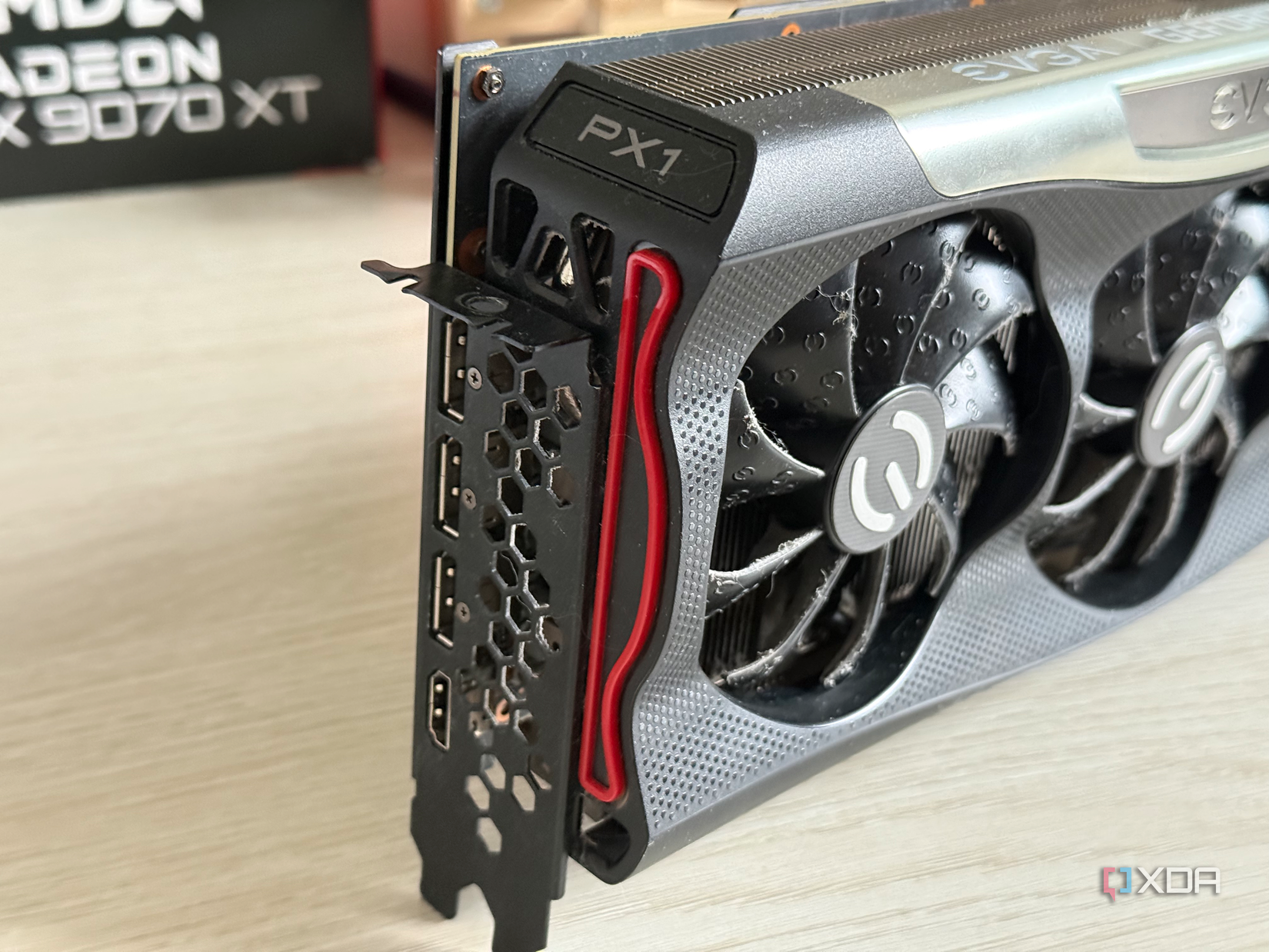
The latest development in the KDE Plasma ecosystem is a testament to this persistence. According to the most recent "This Week in Plasma" update, the upcoming version 6.8 is set to re-enable triple buffering by default for Nvidia GPU users—a feature that has been effectively sidelined for nearly two years due to persistent compatibility issues. This long-awaited fix marks a significant turning point for Linux gamers and power users who rely on Nvidia hardware, promising a smoother, more responsive desktop experience.
The Long Road to Resolution: A Chronology of the Bug
To understand the significance of this update, one must look back to the state of the Linux desktop in late 2024. During that period, the KDE development team encountered a series of complex rendering bugs when attempting to implement triple buffering—a technique designed to synchronize frame delivery and reduce stuttering—on Nvidia’s proprietary driver stack.
For many users, the conflict between KWin (KDE’s window manager) and Nvidia’s driver architecture resulted in visual artifacts, input latency, and, in some cases, total system instability. Faced with these issues, the development team made the difficult decision to disable triple buffering by default in October 2024.
For nearly 24 months, the feature remained in a state of "functional limbo." While advanced users could theoretically force-enable it, the lack of official support meant that the majority of the user base experienced a less-than-optimal desktop and gaming experience. The persistence of these bugs led to a lengthy period of debugging, cross-referencing driver updates, and iterative testing between the KDE team and the broader Wayland-on-Nvidia community.
Understanding Triple Buffering and Its Importance
To the layperson, "triple buffering" may sound like technical jargon, but its impact on user experience is profound. In computer graphics, a "buffer" is a memory space where the GPU renders frames before they are sent to the monitor.
- Single Buffering: The GPU draws directly to the screen, often leading to "tearing" where two half-finished frames appear at once.
- Double Buffering: The GPU renders into one buffer while the screen displays the other. This is standard, but if the GPU misses a cycle, the system often has to repeat a frame, leading to perceived stuttering.
- Triple Buffering: This adds a third buffer. It allows the GPU to continue rendering new frames even if the monitor isn’t ready to refresh, effectively creating a "cushion" that prevents frame drops.
For Linux users, particularly those gaming or performing high-end creative work, triple buffering is the difference between a fluid, console-like experience and one that feels "choppy" or stutter-prone. By re-enabling this by default in KDE Plasma 6.8, the project is finally closing a significant performance gap that has hampered Nvidia users for years.
The "This Week in Plasma" Transparency Model
One of the unique advantages of the KDE project is its commitment to public development. Through the "This Week in Plasma" blog, developers Xaver Hugl and others provide a window into the granular changes occurring within the KWin compositor.
This transparency serves a dual purpose: it holds the development team accountable to their roadmap while inviting the community to test and verify fixes before they hit the stable release branch. The inclusion of the merge request (kwin MR #9472) in the official report confirms that the specific bugs that necessitated the 2024 disablement have been thoroughly addressed.
Implications for the Linux Gaming Landscape
The re-introduction of triple buffering comes at a critical time for Linux gaming. With the Steam Deck and the explosion of Proton-based gaming, the number of users moving to Linux has reached an all-time high. Nvidia remains a major player in the GPU market, and for years, the narrative surrounding Linux has been that "Nvidia hardware provides a second-class experience compared to AMD."

By smoothing out the rendering pipeline, the KDE team is not just fixing a bug; they are sending a message that the Linux desktop is maturing. A smoother desktop experience is a prerequisite for wider adoption, and by ensuring that triple buffering works out-of-the-box, the barrier to entry for casual gamers and professional creators is lowered significantly.
What to Expect in Plasma 6.8
While the announcement has generated significant excitement, users will need to exercise patience. KDE Plasma 6.8 is currently slated for an October 2026 release. This release window suggests that the team is taking a "measure twice, cut once" approach, ensuring that the integration is robust enough to handle the varying configurations of Nvidia users.
In the interim, the community can expect:
- Beta Testing Cycles: As we approach October, the KDE project will likely release beta versions of 6.8. Users with Nvidia hardware are encouraged to participate in these tests to ensure that the triple buffering implementation remains stable across different GPU generations (from the RTX 20-series up to the latest hardware).
- Driver Synergy: The success of this implementation relies heavily on the latest Nvidia proprietary drivers. Users should ensure their systems are configured to receive the latest driver updates, as the KWin fixes are likely optimized for modern driver features.
- Refined Compositing: Beyond just triple buffering, the focus on KWin improvements suggests that KDE is doubling down on its "Wayland-first" strategy, aiming to make the compositor as efficient as possible.
The Broader Context: Software Longevity and Community Effort
The story of the triple buffering fix is a microcosm of the open-source ethos. In a proprietary environment, a feature like this might have been abandoned entirely if the ROI (Return on Investment) wasn’t high enough. In the KDE ecosystem, however, the project is defined by its commitment to its user base.
The fact that volunteers spent two years wrestling with complex driver interactions to deliver a feature that improves the experience for thousands of users is a testament to the power of the community. As we look toward the release of Plasma 6.8, it serves as a reminder that the "Linux Year of the Desktop" isn’t a single event; it is a cumulative process of thousands of these small, hard-won victories.
Conclusion: A Smoother Future Ahead
As we look forward to the fall of 2026, the prospect of a more fluid KDE Plasma experience is undoubtedly welcome. The decision to re-enable triple buffering is more than a technical patch—it is the final step in resolving a legacy issue that has defined the Nvidia-on-Linux experience for far too long.
For the everyday user, this means that when you finally upgrade to Plasma 6.8, your windows will move more smoothly, your games will stutter less, and the overall desktop environment will feel significantly more responsive. It is a win for the developers, a win for the community, and ultimately, a win for the Linux desktop itself.


 Ali Ikhwan
 Sagoh
Sagoh