
 Reynand Wu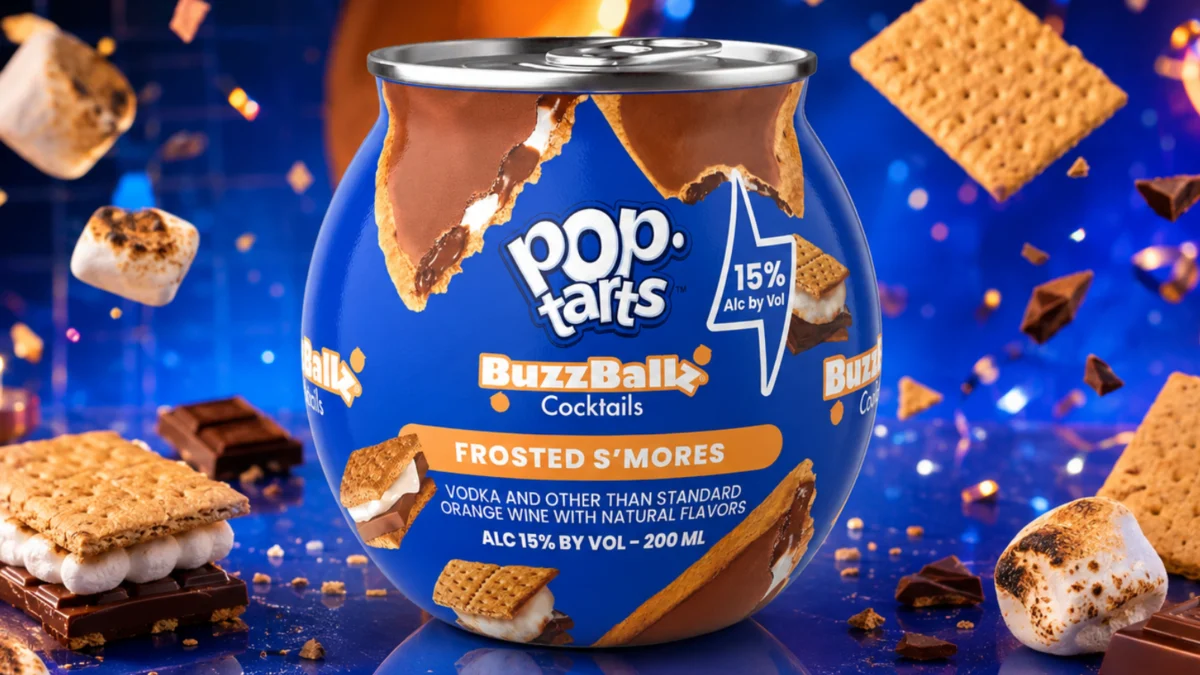
In a dramatic pivot that highlights the growing tension between corporate branding strategies and public health advocacy, the snack food giant Mars—the parent company of Pop-Tarts—has officially terminated its high-profile partnership with the pre-mixed cocktail brand BuzzBallz. The decision, which comes just weeks after the August 2026 launch of the collaborative alcoholic beverages, marks a significant retreat for a major consumer packaged goods company in the face of mounting criticism regarding the marketing of alcohol to younger demographics.
The collaboration, which sought to translate the nostalgic, comfort-driven flavors of Frosted S’mores and Frosted Brown Sugar Cinnamon into 15% alcohol-by-volume (ABV) cocktails, was marketed with the unmistakable aesthetic of the beloved toaster pastry. However, the move triggered an immediate and intense backlash from public health organizations, setting off a month-long firestorm that ultimately forced Mars to reevaluate its brand positioning.
A Chronology of a Controversial Collaboration
The trajectory of the Pop-Tarts x BuzzBallz partnership was remarkably brief, characterized by a rapid market entry followed by an equally swift exit.
- Mid-August 2026: The partnership is announced. The two brands unveil a co-branded line of ready-to-drink cocktails, packaged in BuzzBallz’s signature spherical plastic containers. The design featured the iconic Pop-Tarts blue branding, recognizable typography, and imagery of the pastries, creating a visual synergy between a staple breakfast treat and a high-proof alcoholic beverage.
- Late August 2026: Retail distribution begins. The drinks, priced at a modest $3.99 per 200ml unit, hit shelves across various liquor retailers. The accessibility and price point, paired with the familiar branding, quickly draw the attention of industry watchdogs.
- Early September 2026: Public health organizations, led by the US Alcohol Policy Alliance (USAPA), begin mobilizing. Concerns are raised that the use of a brand synonymous with childhood breakfast on an alcoholic product could serve as a "gateway" aesthetic, blurring the lines between sugary snack foods and adult beverages.
- Late September 2026: Following a series of meetings between Mars executives and advocacy groups, the company announces the cessation of the partnership. Marketing efforts are halted, and production is confirmed to have ceased.
The Anatomy of the Brand Strategy
To understand why this collaboration caused such an uproar, one must examine the intersection of "nostalgia marketing" and the ready-to-drink (RTD) alcohol sector. For years, major beverage companies have attempted to capture the "Gen Z" and "Millennial" markets by leaning into childhood favorites. By associating an alcoholic product with the positive, safe, and habitual memories of eating a Pop-Tart, brands aim to build an immediate emotional connection with the consumer.
However, critics argue that this strategy inherently risks normalizing alcohol consumption among those who have long been conditioned to associate that specific visual branding with non-alcoholic food. At 15% ABV, the BuzzBallz products were significantly stronger than standard hard seltzers or light beers, placing them in a category of high-intensity RTD beverages. When wrapped in the colorful, playful packaging of a breakfast snack, the product created a dissonance that proved unsustainable in the current regulatory and social climate.
Official Responses and the Power of Advocacy
The turning point for the partnership came when a coalition of over 30 public health organizations penned a formal letter of protest to Mars. The letter was not merely a critique of the product design; it was a demand for a fundamental change in corporate responsibility standards regarding the intersection of alcohol and youth-oriented intellectual property.
Mike Marshall, CEO of the US Alcohol Policy Alliance, was a vocal critic throughout the process. In a statement following the cancellation, Marshall articulated the core ethical concern: "Using one of America’s most recognizable childhood food brands to help sell a high-alcohol product should never have happened. Childhood brands should not become tools for normalizing or promoting alcohol consumption."
The pressure proved effective. Sources familiar with the internal discussions suggest that Mars expressed regret over the oversight, acknowledging that the branding synergy, while intended to be a creative marketing experiment, failed to account for the ethical implications of co-opting a childhood staple for the adult beverage market. Mars has since signaled that Pop-Tarts will avoid future alcohol co-branding partnerships, establishing a new boundary for the brand’s licensing agreements.
The Implications for the Alcohol Industry
The collapse of the Pop-Tarts x BuzzBallz deal serves as a cautionary tale for the broader beverage industry. As the RTD market continues to grow—driven by convenience, variety, and the "premiumization" of canned cocktails—brands are under increasing pressure to stand out on crowded shelves. This often leads to "brand stretching," where companies license their names to diverse categories.
However, the "Pop-Tarts Incident" demonstrates that the court of public opinion now wields significant power over these strategic alliances. Implications for the industry include:
- Stricter Vetting Processes: Future collaborations between food and beverage companies will likely undergo much more rigorous "social license" testing. Boards of directors will be forced to ask, "Just because we can brand this, should we?"
- Regulatory Scrutiny: The swift reaction from health organizations may invite greater oversight from groups like the Federal Trade Commission (FTC) or state-level alcohol boards, who may move to codify rules against packaging that mimics products marketed to minors.
- The End of "Nostalgia Baiting": Brands that have traditionally relied on childhood imagery to sell adult products may find themselves retreating from such tactics to avoid the reputational damage associated with being labeled as "predatory" by health advocates.
BuzzBallz’s Pattern of Provocation
It is worth noting that for BuzzBallz, this controversy is part of a larger pattern of unconventional, and at times polarizing, marketing. The company has carved out a niche as an "agent provocateur" in the spirits space. Prior to the Pop-Tarts partnership, the company gained viral notoriety for releasing giant, cocktail-shaped swimming pools and offering a $35,000 diamond engagement ring designed in the shape of their iconic round bottles.
While these stunts have undoubtedly helped BuzzBallz maintain a high profile in a competitive market, they also underscore a marketing philosophy that prioritizes virality above all else. In the case of the Pop-Tarts collaboration, however, that philosophy collided with the deeply guarded territory of child-focused branding, leading to a rare instance where corporate marketing goals were forced to yield to public health concerns.
Conclusion: A New Standard for Corporate Responsibility
The termination of the Pop-Tarts x BuzzBallz collaboration is a significant victory for public health advocacy, but it also reflects a changing corporate landscape. In an era where consumers—and the organizations that represent them—are increasingly vocal about the ethical implications of commercial branding, companies must act with greater foresight.
As Mars moves forward, the decision to shutter the project serves as a definitive statement: some brand identities are too deeply embedded in the cultural fabric of childhood to be leveraged for the sale of high-alcohol products. This episode will likely be studied in marketing seminars for years to come, not as a successful example of "synergy," but as a quintessential case study in the risks of prioritizing aesthetic trends over social responsibility. The breakfast table, it seems, remains a space that the alcohol industry should approach with extreme caution, if at all.


 Suro Senen
 Pevita Pearce




