

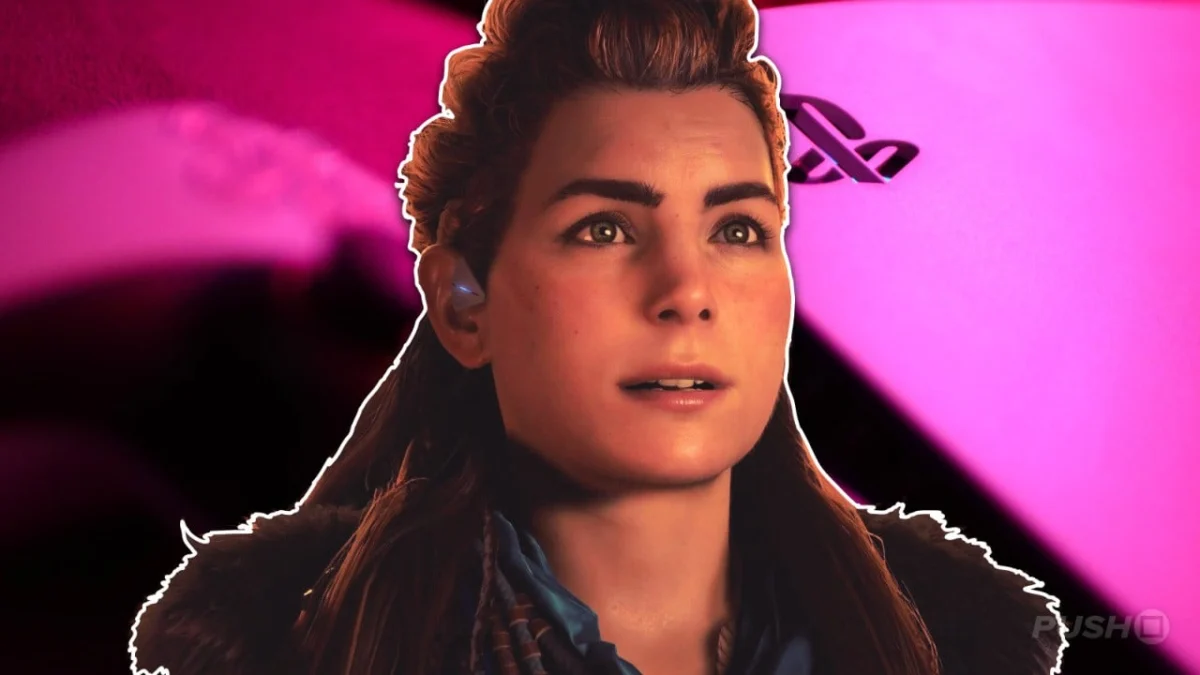
In a significant unveiling of its strategic direction, Sony has articulated a clear and nuanced approach to the integration of Artificial Intelligence (AI) within its PlayStation ecosystem. Emphasizing that AI will serve as a potent tool to augment human creativity and streamline development processes, the tech giant has firmly positioned itself against the notion of AI replacing its talented workforce. This forward-thinking strategy, detailed during a recent financial results Q&A session, signals a commitment to leveraging AI’s capabilities to enhance game development, personalize player experiences, and ultimately, deliver more compelling and innovative entertainment.
The Guiding Principle: AI as an Amplifier of Human Ingenuity
At the core of Sony’s AI philosophy lies a steadfast conviction: "Human creativity must remain at the centre," as stated by Sony President and CEO Hiroki Totoki. This declaration serves as a powerful counterpoint to widespread anxieties surrounding AI’s potential to displace human jobs, particularly in creative industries. Totoki elaborated on this sentiment, describing AI not as a substitute for artists or creators, but as a "powerful tool," an "amplifier of human imagination and catalyst for new possibilities." This framing suggests a symbiotic relationship, where AI empowers human talent rather than superseding it.
This overarching principle is being meticulously translated into actionable strategies across PlayStation’s various divisions. The company’s leadership has made it clear that AI’s primary role will be to enhance efficiency, unlock new creative avenues, and enrich the player experience. This approach aims to strike a delicate balance, harnessing the computational power of AI while safeguarding the unique vision and emotional resonance that human creators bring to the table.
A Phased Integration: AI in Action Within PlayStation Studios
The practical application of AI within PlayStation’s first-party development studios is already well underway, according to Hideaki Nishino, CEO of Sony Interactive Entertainment. He revealed that game developers are actively utilizing AI solutions to automate laborious and repetitive tasks, thereby freeing up valuable time and resources for more impactful creative endeavors.
"Within our studios, game developers are automating repetitive workloads, improving software engineering productivity, and accelerating areas like quality assurance, 3D modeling, and animations through new AI power tools," Nishino explained. This strategic deployment of AI addresses the often time-consuming and technically demanding aspects of game development, allowing for a more fluid and efficient workflow.
Case Study: Mockingbird and the Animation Revolution
One concrete example of this AI integration is a proprietary tool dubbed "Mockingbird." This innovative solution leverages machine learning to automate the animation of 3D facial models based on performance capture data. Traditionally, such a process would demand hours of painstaking manual work from animators. Mockingbird, however, significantly accelerates this by intelligently interpreting captured performances and translating them into realistic facial animations.
This technology has not remained confined to the development lab. Studios renowned for their meticulous attention to detail, such as Naughty Dog and San Diego Studio, have already adopted Mockingbird. Its impact is evident in recently released titles, including Horizon Zero Dawn Remastered, where the technology has contributed to the visual fidelity and polish of character performances.
Streamlining Complex Tasks: Hair Animation and Beyond
Beyond facial animation, AI is proving invaluable in tackling other complex and resource-intensive aspects of game development. The animation of hair, a notoriously challenging element to render realistically in 3D environments, is another area where AI/machine learning is making a significant difference.
Nishino highlighted a method where teams are using videos of real hairstyles to train AI tools. These tools then generate intricate 3D models of hair, complete with hundreds of individual strands. This sophisticated approach dramatically reduces the manual effort required, allowing artists to focus on the artistic direction and overall aesthetic rather than getting bogged down in the minutiae of hair simulation.
The overarching benefit of these practical AI applications, as emphasized by Nishino, is that they enable development teams to "spend less time on manual, high effort tasks, and to instead reinvest their time into building richer worlds and gameplay for our players." This direct reallocation of resources towards enhancing the player experience underscores Sony’s commitment to delivering higher quality and more immersive games.
Gran Turismo Sophy: Pushing the Boundaries of AI in Gameplay
The innovative potential of AI extends beyond development tools to directly impact the player experience. Nishino pointed to Gran Turismo 7‘s AI driver, Sophy, as a prime example of how AI can lead to "new types of experiences for fans." Sophy, a sophisticated AI developed through a collaboration between Sony AI and Polyphony Digital, has demonstrated the ability to learn and adapt, even surpassing the performance of professional human drivers in certain scenarios.

This showcases a different facet of AI’s role: not just as a tool for creators, but as a component that can actively contribute to groundbreaking gameplay and challenge players in novel ways. The development of Sophy represents a significant step forward in the exploration of AI as an interactive element within games, promising more dynamic and intelligent non-player characters and potentially, entirely new game mechanics.
A Crucial Distinction: Augmentation, Not Generation
It is imperative to note the specific nature of the AI technologies Sony is currently employing. The examples provided—Mockingbird, hair animation tools, and Gran Turismo Sophy—do not appear to utilize generative AI. This is a significant distinction, given the widespread concerns surrounding the ethical implications and potential misuse of generative AI in content creation. Generative AI, which can create new content like text, images, or music, often raises questions about authorship, copyright, and the authenticity of creative output.
Sony’s focus on AI for process optimization and augmentation, rather than content generation, suggests a deliberate strategy to mitigate these concerns. Nishino reiterated this point emphatically: "The vision, the design, and the emotional impact of our games will always come from the talent of our studios and performers. AI is meant to augment their capabilities, not to replace them." This clear stance aims to reassure both creators and players that the core artistic integrity and human touch will remain paramount.
Enhancing the Consumer Experience: AI in the PlayStation Store
The influence of AI within the PlayStation ecosystem is not limited to the development floor; it is also poised to transform how players discover and interact with games. As AI-driven development pipelines lead to an ever-increasing volume of diverse gaming content, the need for sophisticated recommendation systems becomes paramount.
Nishino highlighted the PS Store as a key area where AI is being leveraged to enhance the consumer experience. The company is actively investing in machine learning to provide "the best value possible to our customers." The rationale is straightforward: as AI enables the creation of more choices for players, the value of the PlayStation platform will increasingly lie in its ability to "recommend and personalize at scale."
The vision extends beyond simply suggesting the next game a player might enjoy. The ambition is to create a deeply personalized consumer journey, encompassing "the next gameplay moment, subscription, accessory, or merchandise that best reflects their passion." This consumer-centric approach aims to ensure that players are consistently presented with content and offerings that align with their individual tastes and preferences, fostering greater engagement and satisfaction.
The Role of AI Upscaling in Next-Generation Visuals
Furthermore, AI is playing a role in pushing the boundaries of visual fidelity. The mention of PSSR (PlayStation Spectral Super Resolution) points to the integration of AI upscaling technology. Recent improvements to this technology are designed to deliver "even better visuals and performance for PS5 Pro players," indicating a commitment to leveraging AI to enhance the graphical capabilities and smooth gameplay of future hardware iterations. This not only benefits players by offering a more visually stunning experience but also allows developers to optimize their games for a wider range of hardware.
Navigating a Complex Landscape: Challenges and Adaptability
While Sony’s outlook on AI integration within PlayStation is largely positive and strategic, the company acknowledges that the path forward is not without its challenges. Totoki pointed to ongoing issues such as "memory shortages and ‘geopolitical complexity’ affecting supply chains" as factors that require careful navigation. These external pressures necessitate a high degree of adaptability within the company.
"Adaptability will be crucially important," Totoki stated. "We cannot rely on assumptions that have supported us in the past." This forward-looking statement underscores Sony’s recognition that the global business environment is dynamic and unpredictable. The ability to pivot and adjust strategies in response to evolving market conditions and technological advancements will be key to their continued success.
In conclusion, Sony’s comprehensive AI strategy for PlayStation is characterized by a clear prioritization of human creativity, a pragmatic approach to integrating AI as a tool for enhancement and efficiency, and a forward-thinking vision for personalizing the player experience. By carefully distinguishing between augmentation and generation, and by addressing both development and consumer-facing applications, Sony is positioning itself to harness the transformative power of AI while safeguarding the artistic soul of its renowned gaming platform. The company’s commitment to adaptability in the face of evolving challenges suggests a robust and well-considered plan for navigating the future of interactive entertainment.












No comments yet. Be the first to join the conversation!