Ali Ikhwan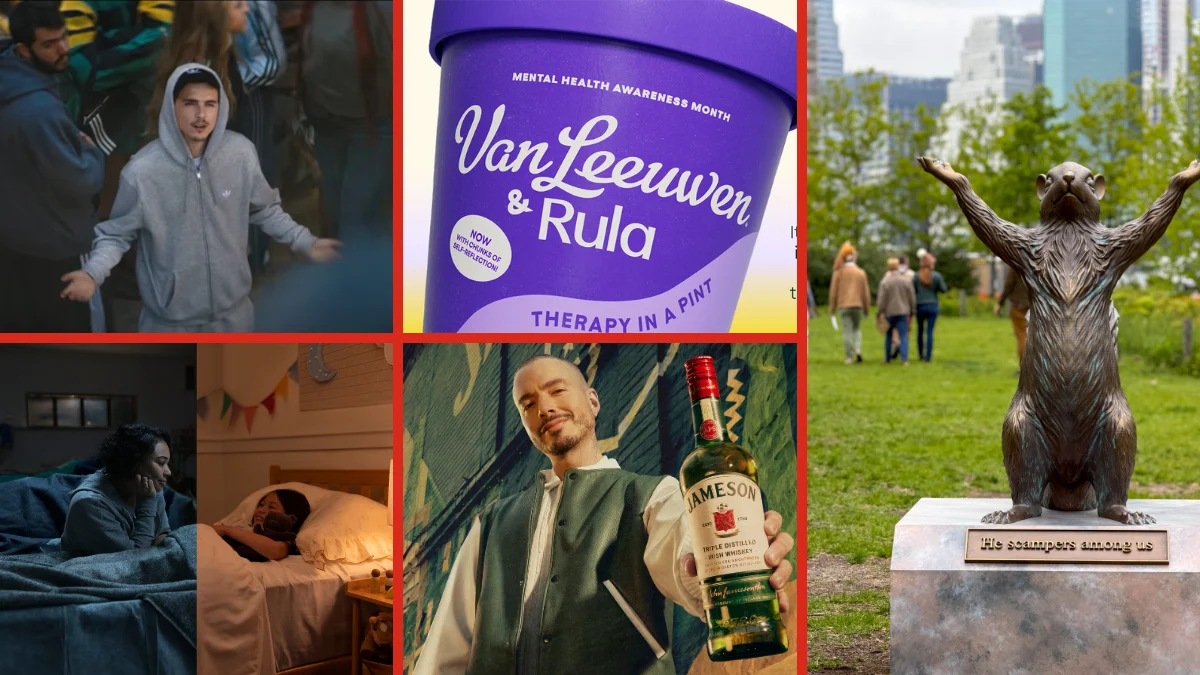
In the rapidly evolving ecosystem of global advertising, the gold standard for success has shifted. As consumer attention spans dwindle and ad-skipping technology becomes ubiquitous, brands are moving away from traditional, product-centric messaging toward high-concept, narrative-driven storytelling. This week, a series of creative campaigns—ranging from the high-octane energy of global sports icons to the quiet, intimate moments of generational bonding—demonstrated that the secret to cutting through the noise lies in humor, subversion, and the art of the unexpected.
As the industry looks toward the upcoming Cannes Lions festival—the premier stage for the world’s most influential creative thinkers—these recent campaigns provide a blueprint for how to engage a modern, discerning audience.
The Landscape of Creativity: A Chronology of This Week’s Standouts
The past seven days have offered a masterclass in varied creative execution. From street-level stunts to cinematic brand films, the following campaigns defined the industry conversation:
- Monday: The Absurdist Stunt. Canva launched its new brand platform with a surreal, squirrel-themed activation in Brooklyn, effectively disrupting the daily routine of urban commuters to highlight the brand’s creative versatility.
- Tuesday: The Unscripted Connection. S.Pellegrino released a candid, unscripted dinner conversation featuring Formula 1 champion Lewis Hamilton, proving that authenticity in celebrity partnerships remains a powerful tool for brand affinity.
- Wednesday: The Cinematic Pivot. Adidas unveiled "Backyard Legends," a star-studded campaign featuring Timothée Chalamet assembling a dream World Cup squad, blending pop culture magnetism with athletic aspiration.
- Thursday: High-Stakes Storytelling. Liquid Death continued its streak of provocative marketing by leaning into "danger" in its latest outdoor campaign, maintaining its reputation as the industry’s most irreverent disruptor.
- Friday: The Emotional Anchor. Disney+ released a spot emphasizing the lasting impact of quality storytelling, connecting the generational experience of watching films to the streaming service’s vast library.
Analyzing the Creative Pillars: Why These Ads Resonated
The Power of Unexpected Casting
The most notable trend emerging this week is the subversion of celebrity tropes. Rather than utilizing A-list stars for traditional endorsements, brands are opting for "unexpected casting." The most poignant example involves a 94-year-old mother stealing the spotlight from a Hollywood veteran in a recent commercial spot. By prioritizing genuine human connection and comedic timing over standard vanity-based marketing, the brand achieved a level of relatability that is often absent in high-budget campaigns.
The Rise of Absurdist Marketing
Canva’s Brooklyn squirrel stunt represents a pivot toward "experiential absurdity." By placing something entirely out of context in a public space, brands create a "shareability loop." When a consumer sees a squirrel-themed event, the immediate impulse is to capture it on social media. This turns the audience into the distribution channel, effectively lowering the cost-per-acquisition while increasing brand sentiment.
Supporting Data: Measuring Effectiveness
In partnership with EDO, our "Most Effective Ad of the Week" metrics indicate that viewers are responding most favorably to campaigns that offer a "sweet" payoff—whether that is a humorous conclusion, an emotional resolution, or a clear brand benefit delivered with wit.
According to EDO’s engagement tracking, ads that utilize a narrative arc longer than 30 seconds are seeing a 14% higher completion rate compared to the industry average for shorter, high-frequency spots. This suggests that while "short-form" is the king of social media, "long-form narrative" remains the queen of brand building. When viewers are invested in the story, they are significantly more likely to research the brand or visit the website immediately following the spot.
Official Responses and Strategic Implications
The "Backyard Legends" Strategy
Adidas’ decision to tap Timothée Chalamet for "Backyard Legends" was not merely a celebrity play; it was a strategic alignment with Gen Z culture. An official statement from the Adidas creative team noted: "We wanted to capture the essence of the game—not the stadium version, but the one played in backyards and on local pitches. Chalamet brings a level of cultural currency that resonates with a demographic that values style as much as substance."
The Shift Toward Human-Centricity
For Disney+, the focus was on the "lifetime of a story." Their internal marketing brief highlighted the importance of emotional resonance in a streaming market saturated with content. By positioning the brand as a custodian of memories rather than just a utility for content consumption, Disney+ is successfully insulating itself against the churn common in the streaming wars.
Implications for the Future of Advertising
As we prepare for Cannes Lions 2026, the trajectory of these campaigns suggests several critical implications for CMOs and creative directors:
1. The Death of the "Corporate Tone"
The success of Liquid Death’s "danger" campaign proves that consumers are exhausted by sterile, risk-averse brand communication. Brands that embrace a "voice"—even if that voice is polarizing—are the ones winning the battle for market share. If your brand isn’t willing to be disliked by some, it is unlikely to be deeply loved by many.
2. Narrative Over Features
Canva and Disney+ have moved beyond listing features. Instead, they are selling a world. Canva sells the feeling of being a creator, and Disney+ sells the feeling of being a lifelong fan. Features are temporary; feelings are proprietary. In an era where AI can generate product descriptions in seconds, the brand’s ability to weave a human story is its only remaining moat.
3. The Return of the "Water Cooler" Moment
The fragmentation of media has made it difficult to capture a collective consciousness. However, stunts like the Brooklyn squirrel activation or high-profile spots featuring unexpected pairings demonstrate that "event-based advertising" is making a comeback. By creating a physical moment that feels like a shared experience, brands can generate the same "water cooler" buzz that defined the Golden Age of television.
Conclusion: The Path to Cannes
The landscape of 2026 advertising is defined by a tension between high-tech delivery and low-tech, human-centric storytelling. As we look toward the upcoming industry gatherings, the winners will be those who recognize that the medium—whether it’s a squirrel in Brooklyn or a dinner party with Lewis Hamilton—is secondary to the truth of the story being told.
The most successful brands this week did not just shout at their audience; they invited them into a narrative. They used humor to disarm, casting to surprise, and storytelling to retain. As the industry continues to iterate, the lesson is clear: the most effective ad is the one that doesn’t feel like an ad at all. It feels like a moment, a conversation, or a shared memory.
Join ADWEEK for the ongoing conversation at Cannes Lions 2026. As we analyze the most effective campaigns of the year, we will continue to highlight the leaders who are daring to tell stories that matter. In an age of infinite content, the brands that can make us laugh, cry, or stop in our tracks are the only ones that will truly survive the cycle.

 Rifan Muazin
 Pevita Pearce