Muslim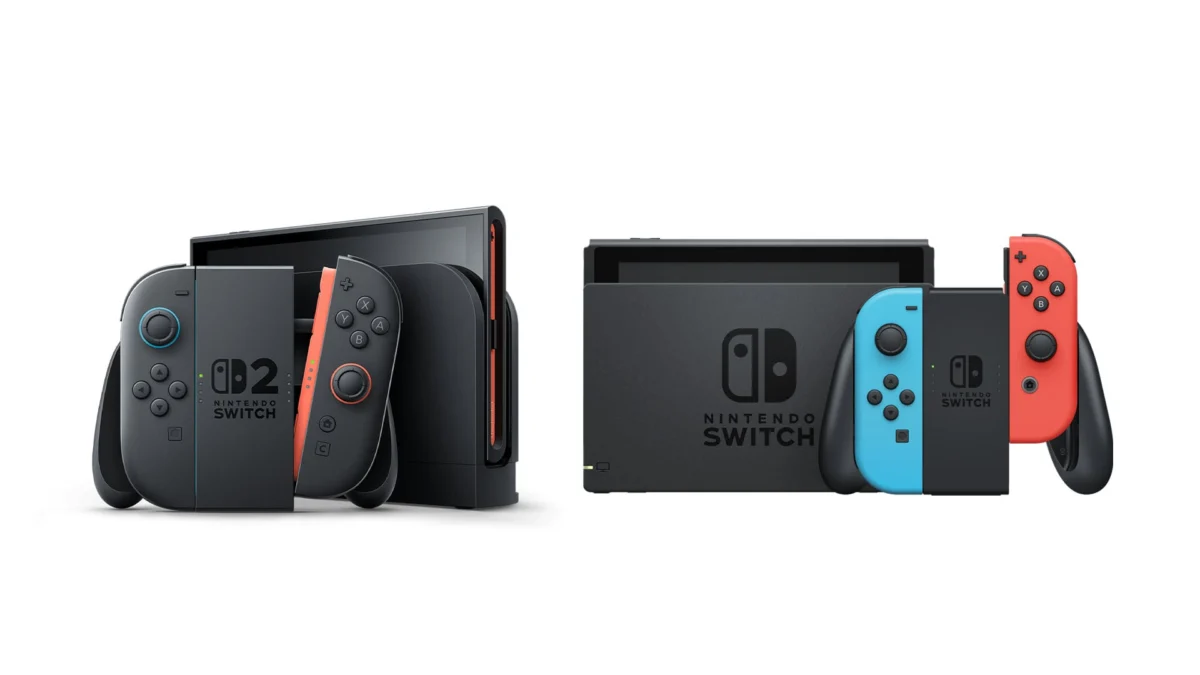
FOR IMMEDIATE RELEASE
Kyoto, Japan – In a significant move set to reshape its market strategy and impact consumers worldwide, Nintendo Co., Ltd. has formally announced widespread price increases for its highly anticipated next-generation console, the Switch 2, alongside its current-generation Nintendo Switch models and the Nintendo Switch Online subscription service. The company attributes these adjustments to evolving global market conditions, inflationary pressures, and a strategic re-evaluation of its pricing structure across key regions. The announcement, disseminated via Nintendo’s official corporate channels, signals a pivotal shift in the company’s approach to hardware and service affordability.
The most prominent change targets the forthcoming Switch 2, which will see its price rise by $50 USD in North America, €30 in Europe, and a substantial ¥10,000 in Japan for its local-language system. Similar increases are slated for the original Switch family of consoles in Japan, alongside a revised pricing tier for the Nintendo Switch Online membership, aimed at achieving greater regional alignment. This comprehensive overhaul reflects Nintendo’s commitment to maintaining profitability and investing in future innovations amidst an increasingly complex global economic landscape.
Main Facts: A Global Price Adjustment Across Nintendo’s Ecosystem
Nintendo’s official statement details a multi-faceted price revision impacting its core gaming hardware and essential online services. The flagship adjustment targets the Nintendo Switch 2, the company’s next-generation console, which is still relatively new to the market.
In the United States, the price of the Nintendo Switch 2 will increase from its current $449.99 USD to $499.99 USD, representing a $50 hike. Canadian consumers will face a similar increase, with the price moving from $629.99 CAD to $679.99 CAD. European markets will see the Switch 2’s price adjust from €469.99 to €499.99 on the My Nintendo Store, marking a €30 increase.
The Japanese market will experience the most substantial absolute price increase for the Switch 2 Japanese-Language System, which will jump from ¥49,980 to ¥59,980, a significant ¥10,000 increase. Interestingly, the price of the "Nintendo Switch 2 Multi-Language System" available from the My Nintendo Store in Japan will remain unchanged, suggesting a strategic differentiation for regional and international distribution channels.
Beyond the new console, the current-generation Nintendo Switch family will also see price revisions, though these are currently confined to the Japanese market. The Nintendo Switch (OLED Model) will increase from ¥37,980 to ¥47,980. The standard Nintendo Switch console will move from ¥32,978 to ¥43,980. Even the entry-level Nintendo Switch Lite will not be spared, with its price rising from ¥21,978 to ¥29,980. These increases, ranging from approximately 25% to 33%, underscore the depth of the pricing adjustments within Nintendo’s home territory.
Finally, the Nintendo Switch Online subscription service, a critical component for online multiplayer and access to classic game libraries, will also undergo a price restructuring in Japan. Individual 1-month memberships will rise from ¥306 to ¥400, 3-month memberships from ¥815 to ¥1,000, and 12-month memberships from ¥2,400 to ¥3,000. Family memberships will see a jump from ¥4,500 to ¥5,800 for 12 months. The Expansion Pack tier, offering additional retro libraries and DLC, will also increase: individual 12-month memberships from ¥4,900 to ¥5,900, and family 12-month memberships from ¥8,900 to ¥9,900. These revisions for online services are described by Nintendo as necessary to "support appropriate alignment among regions," indicating a potential global standardization effort or a response to increased operational costs.
Chronology: Staggered Implementation Reflecting Market Specifics
Nintendo has outlined a carefully staggered implementation timeline for these price revisions, reflecting the company’s nuanced approach to different markets and product categories. The phased rollout suggests an attempt to manage inventory, consumer reaction, and regional economic factors.
Japanese Market Adjustments
The first set of price increases will take effect in Japan, impacting both the new Switch 2 console and the existing lineup of Nintendo Switch systems.
- Effective Date for Hardware in Japan: May 25, 2026
- This date marks the revision of the manufacturer’s suggested retail prices (MSRP) for the Nintendo Switch 2 Japanese-Language System, Nintendo Switch (OLED Model), standard Nintendo Switch, and Nintendo Switch Lite. The decision to implement these changes relatively swiftly in Nintendo’s home market, less than three weeks from the announcement date, indicates a pressing need to address the "changes in market conditions" that Nintendo cited. This could also allow Nintendo to clear existing stock at the old prices before the new pricing structure takes hold, minimizing immediate disruption.
Following the hardware adjustments, the Nintendo Switch Online subscription service in Japan will also see its new pricing tiers come into effect.
- Effective Date for Nintendo Switch Online in Japan: July 1, 2026
- This slightly later date for online services provides a brief grace period for current subscribers and those considering renewal. It allows users to potentially secure a longer-term subscription at the current, lower rate before the increase. The two-month gap between hardware and service price changes in Japan suggests that Nintendo views these as distinct, though related, market adjustments. This might also reflect the different operational considerations and billing cycles associated with subscription services versus physical hardware sales.
Western Market Adjustments
Price revisions for the Nintendo Switch 2 in the United States, Canada, and Europe are slated for a later date, providing a longer lead time for consumers and retailers in these key Western markets.
- Effective Date for Switch 2 in United States, Canada, and Europe: September 1, 2026
- This four-month lead time, compared to the rapid implementation in Japan, is notable. It could be a strategic decision to allow for a prolonged period of sales at the original price point in these major regions, particularly important for a new console’s initial sales momentum. The longer notice period also gives retailers ample time to adjust their inventory and marketing strategies. Furthermore, the September 1st date places the price increase just before the crucial holiday shopping season, potentially prompting some consumers to purchase the console at the current price during the summer months, thus driving sales ahead of the hike. This strategy could mitigate potential negative consumer sentiment by offering a clear window to buy before the change. The delay could also be linked to logistical challenges, such as re-labeling or updating pricing systems across vast retail networks in these territories.
The staggered approach underscores Nintendo’s careful market management, balancing the immediate need to address economic pressures with strategic considerations for consumer sentiment and sales cycles in different geographic regions.
Supporting Data: Unpacking the Economic Rationale and Market Context
Nintendo’s decision to implement these widespread price increases is framed within the context of "changes in market conditions" and the "global business outlook." To fully understand the implications, it’s essential to delve into the underlying economic factors and market dynamics that likely influenced this move.
Global Economic Headwinds and Inflationary Pressures
The most prominent factor driving such a decision is often the prevailing global economic climate. For several years leading up to 2026, the world economy has grappled with persistent inflation, rising energy costs, and significant disruptions to global supply chains. These pressures directly impact the cost of manufacturing electronic hardware.
- Component Costs: The production of sophisticated gaming consoles like the Switch 2 relies heavily on various electronic components, including semiconductors, memory chips, and display panels. The cost of these components has been steadily increasing due due to high demand, limited supply, and rising raw material costs. Even slight increases in the price of dozens of individual components can accumulate into a substantial additional cost per unit for the manufacturer.
- Logistics and Shipping: Global shipping costs have experienced unprecedented volatility. Factors such as fuel prices, port congestion, and labor shortages have driven up the expense of transporting finished goods from manufacturing hubs to distribution centers and ultimately to retailers worldwide. These increased logistical overheads are often passed down the supply chain.
- Labor Costs: Wages in manufacturing and distribution sectors have been on an upward trajectory globally, particularly in regions where Nintendo’s products are assembled. These rising labor costs contribute to the overall increase in production expenses.
- Currency Fluctuations: Nintendo, as a Japanese multinational corporation, is particularly susceptible to exchange rate fluctuations. The weakening of the Japanese Yen (JPY) against major currencies like the US Dollar (USD) and Euro (EUR) means that while products are sold at a certain price in foreign markets, the converted revenue in JPY might be lower than anticipated, or the cost of importing components (often priced in USD) becomes more expensive when paid in JPY. The significant ¥10,000 increase in Japan for the Switch 2, compared to the $50 USD and €30 EUR increases, might partly reflect a need to offset the impact of a weaker yen on the company’s domestic profitability and component sourcing.
Strategic Pricing and Market Positioning
Beyond reactive economic adjustments, these price hikes also reflect Nintendo’s strategic positioning within the competitive gaming market.
- Premium Product Perception: For the Switch 2, a $499.99 USD price point positions it firmly in the premium segment, aligning it more closely with the launch prices of competing consoles from Sony (PlayStation) and Microsoft (Xbox). This could be an intentional move to reflect the console’s advanced technology, enhanced capabilities, and perceived value, rather than attempting to undercut competitors solely on price. The higher price might also allow for better profit margins per unit, which can be reinvested into game development, research, and marketing.
- Current-Gen Switch Longevity: The substantial price increases for the original Switch family in Japan are particularly noteworthy. While potentially aimed at covering increased production costs for these older models, it could also be a strategic move to gradually push consumers towards the Switch 2, making the older models less attractive from a pure price perspective, or signaling a shift in their market role. For example, the OLED model’s jump to ¥47,980 makes it only slightly cheaper than the new Switch 2, potentially making the decision for new buyers to opt for the latest hardware easier.
- Nintendo Switch Online Justification: Nintendo’s statement that the NSO price revisions aim to "support appropriate alignment among regions" suggests a drive towards standardization and a reflection of the evolving value proposition of the service. Over time, Nintendo has expanded the NSO offerings to include more classic games, cloud saves, and exclusive deals. The price increase could be a recalibration to match the perceived value of these expanded services or to bring Japan’s pricing more in line with what other regions might already be paying, or are expected to pay in the future. It could also cover increased server infrastructure costs and content licensing fees.
Historical Context and Industry Trends
Historically, console price increases after launch are relatively uncommon unless there’s a significant mid-lifecycle refresh or a dire economic necessity. However, the current global economic environment, characterized by sustained inflation, has seen similar price adjustments from other major players. Both Sony and Microsoft, for example, have made regional price adjustments for their PlayStation 5 and Xbox Series X/S consoles in response to rising costs. This trend indicates that Nintendo’s move, while impactful, is not entirely isolated but rather part of a broader industry response to challenging macroeconomic conditions. The fact that Nintendo is applying these increases to a relatively new console (Switch 2) and older models simultaneously underscores the severity of the cost pressures they are facing.
Official Responses: Nintendo’s Stated Rationale and Forward-Looking Statements
Nintendo’s official announcement serves as its primary public statement regarding these price revisions. The language used is professional and measured, aiming to explain the necessity of the changes while reiterating the company’s commitment to its products and services.
The core message from Nintendo revolves around adapting to an unpredictable and challenging global economic environment. For the hardware price increases, the company explicitly states: "In light of changes in market conditions, and after considering the global business outlook, Nintendo will revise the manufacturer’s suggested retail prices (MSRP) of the Nintendo Switch 2 system and Nintendo Switch systems in Japan as follows." This phrasing attributes the decision to external, macroeconomic factors rather than internal strategic shifts alone.
Regarding the price adjustments for the Switch 2 outside of Japan (United States, Canada, and Europe), Nintendo reiterates a similar justification: "Given that the impact of various changes in market conditions is expected to extend over the medium to long term, price revisions are also planned outside Japan as described below." The inclusion of "medium to long term" is crucial here, indicating that Nintendo does not view the current economic pressures as temporary but rather as sustained challenges requiring more permanent pricing adjustments. This suggests that the company expects the increased costs of production, logistics, and raw materials to persist, necessitating a recalibration of their pricing strategy to maintain healthy profit margins and sustainable business operations.
For the Nintendo Switch Online service, a slightly different rationale is provided. Nintendo states that NSO "is offered as a globally unified service, and pricing will be revised to support appropriate alignment among regions." This implies a desire for greater consistency in pricing across its diverse global markets, potentially addressing historical discrepancies or preparing for a more standardized global offering. It could also reflect the rising costs associated with maintaining extensive online infrastructure, licensing content for its retro game libraries, and developing new features for the service. By ensuring "appropriate alignment," Nintendo aims to balance its operational costs with the perceived value and accessibility of its online offerings across different economic zones.
While the announcement doesn’t include direct quotes from specific executives, the corporate tone conveys a strategic and considered approach. The company’s communication focuses on transparency regarding the reasons for the changes, emphasizing the necessity driven by external economic forces. The careful segmentation of price increases by region and product, along with the staggered effective dates, further suggests a meticulously planned strategy rather than an impulsive reaction.
Industry analysts, responding to Nintendo’s announcement, have largely echoed the company’s sentiment regarding the challenging economic climate. "This isn’t surprising given the sustained inflation and supply chain issues we’ve observed," stated Dr. Emily Chen, a senior analyst at Global Tech Insights. "Nintendo, like other hardware manufacturers, is facing increased costs across the board. Absorbing all of these would significantly impact their profitability, which isn’t sustainable for long-term investment in R&D and new game development. The tiered approach also shows a careful consideration of market sensitivities."
Another perspective came from Mr. Kenji Tanaka, a gaming industry consultant based in Tokyo: "The significant increase in Japan for the older Switch models and the online service could also be an indirect way of promoting the Switch 2, or simply a reflection of the yen’s weakness making domestic production and imports more expensive. For the Switch 2, a $50 increase still keeps it competitive, and Nintendo likely believes the value proposition of their ecosystem, especially their exclusive software, is strong enough to absorb this hike." These expert interpretations support Nintendo’s official narrative, contextualizing the price adjustments within broader economic and strategic industry trends.
Implications: Impact on Consumers, Sales, and Nintendo’s Future Trajectory
The global price increases announced by Nintendo carry significant implications across various facets of its business, affecting consumers, sales forecasts, and the company’s long-term strategic direction.
Impact on Consumers
For consumers, the most immediate implication is the increased financial barrier to entry for Nintendo’s hardware and online services.
- Affordability Concerns: The $50 increase for the Switch 2 in Western markets pushes its price to $499.99, placing it squarely in the premium console segment alongside its competitors. For many households, particularly those with tighter budgets, this additional cost could be a deterrent, potentially delaying purchase decisions or leading some to reconsider. In Japan, the ¥10,000 increase for the Switch 2 and even larger percentage increases for the older Switch models could make these consoles significantly less accessible, especially for younger demographics or those seeking an entry-level gaming device.
- Consumer Sentiment and Backlash: While Nintendo’s official reasoning points to external economic factors, price increases, especially for new hardware, can often lead to negative consumer sentiment or backlash. Gamers, already accustomed to previous generations of consoles launching at specific price points, might view this as an unfavorable development. The impact will depend on the perceived value of the Switch 2 and its launch titles. If the software lineup is compelling enough, some resistance might be overcome.
- Subscription Value: The increased cost of Nintendo Switch Online, particularly in Japan, will prompt subscribers to re-evaluate the value proposition of the service. While "appropriate alignment" might be Nintendo’s goal, individual consumers will weigh the cost against the benefits of online multiplayer, cloud saves, and the growing library of classic games. This could affect subscriber growth and retention, especially for the Expansion Pack tier.
Impact on Sales and Market Share
The effect on sales figures for both the Switch 2 and the older Switch models will be closely watched by industry analysts.
- Switch 2 Sales: A higher price point could temper initial sales momentum for the Switch 2, particularly in regions where economic conditions are already challenging. While Nintendo benefits from strong brand loyalty and exclusive titles, a $500 price tag requires a significant investment from consumers. The staggered launch, with Western markets receiving a longer lead time, might mitigate some immediate negative impact by allowing consumers to purchase at the lower price for a few more months. However, the long-term effect on the console’s install base will depend heavily on the software support and future innovations.
- Current-Gen Switch Sales (Japan): The substantial price increases for the Nintendo Switch (OLED Model), standard Switch, and Switch Lite in Japan could significantly reduce their sales volume in that market. This might be a deliberate strategy to phase out older hardware and encourage adoption of the Switch 2, or simply a reflection of the prohibitive costs of continuing to manufacture and sell them profitably at previous price points. It risks cannibalizing sales from consumers who might not be ready for the Switch 2’s price or features.
- Market Share: Nintendo’s market share in the console space could be influenced. While the Switch 2 is a new console, its increased price, coupled with potentially more competitive pricing from rivals in the future, might affect its growth trajectory relative to PlayStation and Xbox. However, Nintendo’s unique market position, often seen as complementary rather than directly competitive due to its exclusive first-party titles, might offer some insulation.
Financial Implications for Nintendo
From Nintendo’s perspective, these price increases are fundamentally about maintaining financial health and profitability.
- Revenue and Profit Margins: The primary goal is likely to offset rising manufacturing, logistics, and operational costs, thereby protecting or improving profit margins on each unit sold and each subscription renewed. Even if unit sales slightly decline, the increased revenue per unit could lead to a net positive effect on overall profitability.
- Investment in Future Development: Healthy profit margins are crucial for funding future research and development, which is essential for innovation in hardware and software. By adjusting prices, Nintendo aims to secure the financial resources needed to develop the next generation of games and consoles, ensuring its long-term competitiveness.
- Shareholder Confidence: Announcing proactive measures to address economic headwinds can also bolster investor confidence, demonstrating a commitment to prudent financial management and sustained profitability.
Broader Industry Impact and Strategic Trajectory
The move by Nintendo also carries broader implications for the gaming industry and Nintendo’s strategic trajectory.
- Industry Trend Setter: As a major player, Nintendo’s decision might set a precedent or reinforce a trend for other companies facing similar cost pressures. It could normalize the idea of mid-lifecycle or post-launch price increases for hardware and services.
- Software Sales and Ecosystem: While hardware price increases can be challenging, Nintendo’s strength lies in its software. If the price increase leads to a slower hardware adoption rate, it could indirectly impact software sales initially. However, Nintendo’s robust first-party lineup typically drives hardware sales regardless. The focus will be on strengthening the overall ecosystem, including digital storefronts, Nintendo Switch Online, and mobile initiatives, to ensure diversified revenue streams.
- Long-Term Vision for Switch 2: The pricing strategy for the Switch 2 is critical to its lifecycle. A premium price point suggests Nintendo views the console as a powerful, feature-rich device. This pricing also affords Nintendo flexibility in future promotional activities or potential price cuts later in the console’s lifecycle, which could then stimulate sales. The company will likely rely on its unique intellectual properties and innovative gameplay experiences to justify the higher cost, emphasizing value beyond raw technical specifications.
In conclusion, Nintendo’s global price adjustments represent a significant strategic response to a complex global economic environment. While posing challenges for consumers, the move is designed to safeguard Nintendo’s financial stability, support continued innovation, and align its pricing with the realities of modern manufacturing and service provision. The success of this strategy will ultimately be measured by its impact on sales volumes, consumer satisfaction, and Nintendo’s ability to maintain its unique position in the highly competitive gaming market.


 Lina Irawan
 Sagoh
Sagoh