

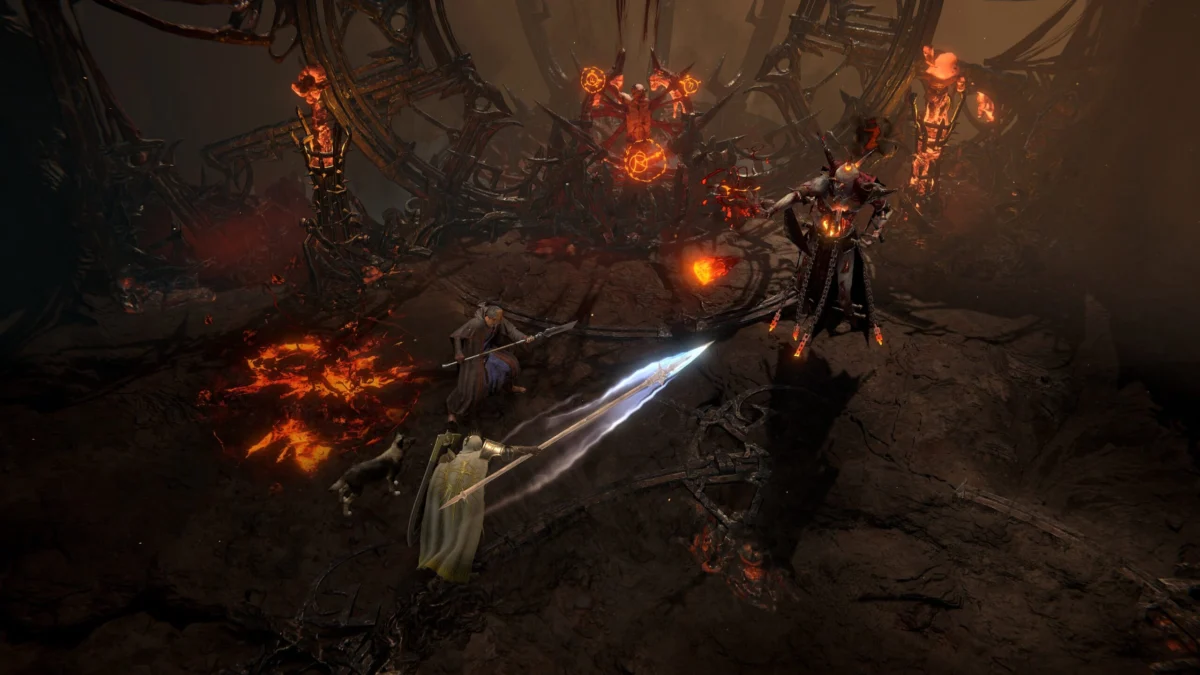
SANCTUARY – As the demonic hordes of the Burning Hells continue their relentless assault on Sanctuary, adventurers across the globe are bracing for a pivotal moment in the ongoing saga of Diablo 4. Blizzard Entertainment is on the cusp of launching its most significant post-release content yet: the highly anticipated Lord of Hatred expansion. This colossal addition, promising to reshape the very fabric of the game, will arrive hand-in-hand with the game’s thirteenth seasonal update, dubbed "Season of Reckoning." However, a critical distinction has emerged that will significantly alter the experience for players, particularly those who opt not to purchase the new expansion.
While the Season of Reckoning will be accessible to all players, continuing the established free-to-play seasonal model, Blizzard has confirmed that its scope and thematic depth will be notably curtailed for those without the Lord of Hatred. This strategic decision means that while all will partake in the basic seasonal progression — including the Season Rank chase, accumulation of Smoldering Ashes, and chapter rewards — the rich tapestry of new gameplay mechanics, unique seasonal themes, and expansive questlines typically associated with Diablo 4‘s seasonal updates will be predominantly reserved for expansion owners. This move has sparked considerable discussion within the community, highlighting Blizzard’s evolving strategy for integrating major paid content with its ongoing free live-service model.
The Nexus of Releases: Lord of Hatred and Season of Reckoning
The simultaneous launch of a major paid expansion and a free seasonal update is a well-established practice in the live-service gaming landscape. For Diablo 4, this moment represents a critical juncture, defining the trajectory of its content delivery for the foreseeable future. The Lord of Hatred expansion, a direct continuation of the core narrative following the events of the base game, promises a journey into the lush, perilous jungles of Nahantu, the ancestral home of the Spiritborn. Players will confront the insidious influence of Mephisto, the titular Lord of Hatred, whose essence was last seen bound within the soulstone carried by Neyrelle. This expansion is set to introduce a wealth of new content, including a brand-new playable class, the Spiritborn, along with new regions, dungeons, enemies, and substantial updates to the endgame systems.
Conversely, the Season of Reckoning serves as the backdrop against which this epic conflict unfolds. While past seasons have introduced innovative mechanics – from the vampiric powers of Season of Blood to the construct companions of Season of the Construct – Season of Reckoning, for non-expansion players, appears to be designed as a more streamlined experience. This approach, as outlined by Blizzard, allows the primary development focus to be on the expansive content of Lord of Hatred, while still providing a baseline seasonal refresh for the entire player base. The question then becomes: what exactly does this "lighter" season entail, and what does it mean for the diverse player base of Diablo 4?
A Divergent Path for Free Players: The Lighter Season of Reckoning
For players who choose not to purchase the Lord of Hatred expansion, Season of Reckoning will offer a more foundational seasonal experience. While previous seasons have been characterized by their distinct themes and game-altering mechanics that often introduce entirely new ways to play, this upcoming season will largely stick to the established core progression loops.
What Free Players Can Expect:
- Season Rank Chase: The familiar progression system where players earn experience and complete objectives to advance through a multi-tiered reward track.
- Smoldering Ashes: A seasonal currency earned through the Season Rank, which can be spent on Season Blessings.
- Season Blessings: Temporary buffs and quality-of-life improvements that enhance gameplay within the seasonal realm, such as increased experience gain, gold find, or crafting material drops. These blessings are a staple of seasonal play and will continue to provide meaningful advantages.
- Chapter Rewards: Completion of seasonal chapters will still grant various rewards, including cosmetics, crafting materials, and potentially unique gear.
- Battle Pass: A battle pass will be available, featuring the usual four Reliquaries. The first Reliquary is typically free, offering a taste of the cosmetic and utility rewards, while subsequent tiers and the premium track require a purchase.
- More Goals and Objectives: Blizzard has indicated that there will be a greater number of standard goals and objectives to tackle, offering players more ways to engage with the existing content and progress through the season.
What Free Players Will Likely Miss:
The "less meaty" aspect primarily refers to the absence of the novel, season-specific gameplay mechanics and narrative elements that have defined previous Diablo 4 seasons. For example, Season of the Malignant introduced Malignant Hearts, Season of Blood brought vampiric powers, and Season of the Construct featured a customizable companion. These elements fundamentally altered character builds, combat strategies, and the overall rhythm of play within their respective seasons. Without a comparable, expansion-agnostic, unique seasonal mechanic, free players will be engaging with the core Diablo 4 experience, albeit with the standard seasonal progression systems layered on top. This means the primary innovations and fresh content will be tied directly to the Lord of Hatred expansion.
Delving into the Lord of Hatred Expansion: The Full Experience
To truly understand what non-expansion players are missing, it’s crucial to examine the scope of the Lord of Hatred expansion. This paid content represents a significant investment by Blizzard, aiming to deliver a substantial upgrade and continuation of the Diablo 4 experience.
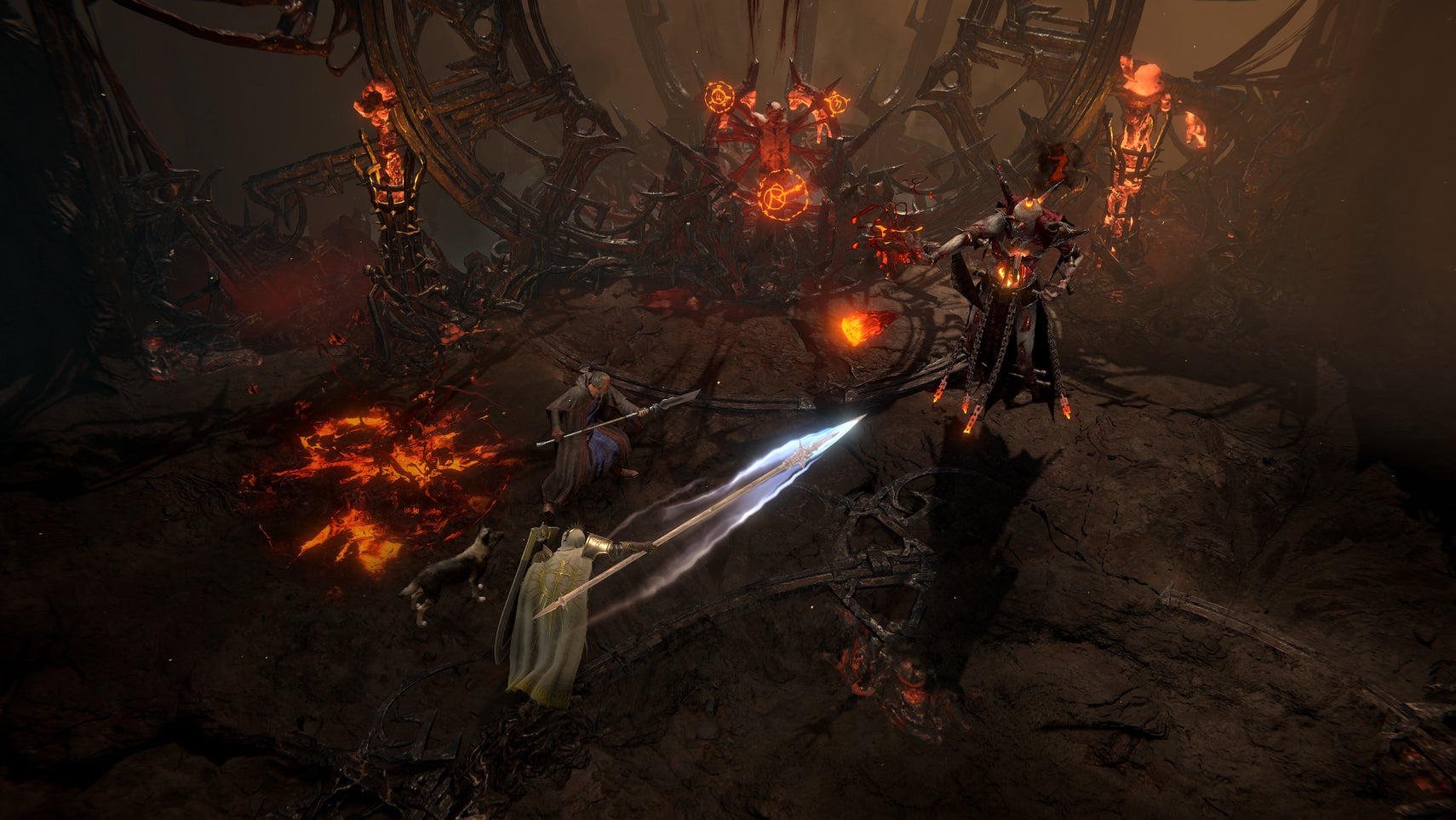
Key Features of Lord of Hatred:
- New Region: Nahantu: Players will venture into the vast, untamed jungles of Nahantu, a region rich in ancient lore and perilous dangers. This new zone is expected to be as expansive and meticulously crafted as the regions in the base game, offering new environments, enemy types, and a distinct atmosphere.
- New Class: The Spiritborn: A completely new playable class will be introduced, adding fresh gameplay mechanics and build diversity to the Diablo 4 roster. The Spiritborn are described as masters of nature, channeling primal energies and wielding unique combat styles. This alone is a major draw for many players, offering a completely new way to experience Sanctuary.
- Continuation of the Main Storyline: The narrative picks up directly after the base game, focusing on Neyrelle’s fateful journey with Mephisto’s soulstone. Players will confront the consequences of her actions and delve deeper into the complex lore surrounding the Prime Evils. This is not just a side story but a critical advancement of the Diablo 4 saga.
- New Dungeons, Strongholds, and World Events: Nahantu will be teeming with new challenges, including never-before-seen dungeons, strongholds to conquer, and dynamic world events that encourage cooperative play.
- Major Endgame Updates: While specifics are often revealed closer to launch, expansions typically bring significant overhauls or additions to endgame content, providing new avenues for character progression, gear optimization, and long-term engagement beyond the main campaign. This could include new boss encounters, unique activity types, or system refinements.
- Visual Enhancements and Quality of Life: Expansions often serve as a vehicle for broader game improvements, including graphical updates, user interface enhancements, and general quality-of-life adjustments that benefit all players, regardless of expansion ownership.
The sheer volume and narrative significance of Lord of Hatred underscore why Blizzard might have chosen to make Season of Reckoning a more understated affair for those without the expansion. The focus is clearly on directing players towards the premium content as the primary source of innovation and progression during this period.
Blizzard’s Rationale: Prioritizing Expansion Development
The decision to offer a "lighter" free season alongside a major paid expansion is not arbitrary; it reflects a strategic allocation of development resources. Creating an expansion of the scale of Lord of Hatred demands immense effort from a development team. From designing new regions and a completely new class to crafting an intricate story and revamping endgame systems, the workload is substantial.
By streamlining the free seasonal content, Blizzard can ensure that its primary creative and technical efforts are concentrated on delivering a high-quality, impactful expansion. This approach aims to prevent resource dilution, which could otherwise lead to compromises in either the expansion or the free seasonal content. It’s a calculated move to prioritize the flagship paid product, which is vital for the game’s long-term financial viability and continued development.
Moreover, this strategy encourages players to invest in the expansion if they desire the most comprehensive and evolving Diablo 4 experience. It creates a clear distinction between the base game’s ongoing support and the premium content that drives significant narrative and gameplay advancements. Blizzard has explicitly stated that future seasons will revert to the "classic format," implying that this particular seasonal structure is a temporary measure tied specifically to the expansion launch. This promise seeks to reassure the free-to-play community that the robust seasonal content they’ve come to expect will return once the initial expansion push has settled.
Technical Preparations: Pre-loading and Patching
For all players, regardless of Lord of Hatred ownership, the technical preparations for this monumental update are already underway. Blizzard has made the pre-load for the expansion content available across all platforms. This is a crucial step for a seamless launch, allowing players to download the bulk of the new data in advance.
The pre-load package, identified as Patch 3.0.0, includes all of the Lord of Hatred content. This means even players who do not intend to purchase the expansion will download these files. This is a common practice in game development, as it simplifies patching and ensures that all players have the necessary assets, even if they are locked behind a paywall. Having the expansion content locally ensures that if a player decides to purchase Lord of Hatred later, the unlock process is instantaneous, requiring no further large downloads.
Upon the official launch on April 27/28 (depending on region), players will need to download a smaller, subsequent patch, version 3.0.1. This smaller update will likely contain final bug fixes, last-minute adjustments, and the activation codes for the expansion content. By separating the large data download from the final activation patch, Blizzard minimizes server strain on launch day and ensures a smoother transition for the entire player base.
Community Reception and Strategic Considerations
The announcement of a "lighter" free season has naturally elicited a range of reactions from the Diablo 4 community. Some players, particularly those who have been dedicated free-to-play seasonal participants, might feel a sense of disappointment, viewing it as a diminished experience. The expectation for Diablo 4 seasons has been consistent: a new theme, new mechanics, and a fresh reason to dive back into Sanctuary. A season that primarily relies on existing systems, even with more objectives, may not provide the same level of novelty.

On the other hand, many long-time Diablo fans anticipate Lord of Hatred as the true next evolution of the game, akin to past expansions like Lord of Destruction for Diablo 2 or Reaper of Souls for Diablo 3. For these players, the focus on the expansion is understandable and even welcomed, as it promises substantial, permanent additions to the game rather than temporary seasonal mechanics.
Blizzard’s strategy here walks a fine line. On one hand, it’s a clear incentive to purchase the expansion, ensuring that those who invest financially receive the most comprehensive and innovative content. On the other, it risks alienating a segment of the free-to-play audience who might feel left behind or less engaged during this particular seasonal cycle. The success of this approach will largely depend on the perceived value and quality of Lord of Hatred itself, and whether the promised return to "classic format" seasons truly delivers compelling free content in the future.
The critical reviews of Lord of Hatred, such as the one referenced in the original article, will play a significant role in shaping public perception. If the expansion is widely praised for its narrative impact, new class, and gameplay enhancements, then Blizzard’s decision to prioritize its development will be largely vindicated. Conversely, if the expansion falls short of expectations, the "lighter" free season might exacerbate community frustrations.
Looking Ahead: The Promise of Future Seasons
Blizzard’s assurance that "future seasons will follow the classic format" is a crucial detail that aims to mitigate potential dissatisfaction among the free-to-play community. This statement implies that Season of Reckoning is an exception, a necessary compromise during the launch of a monumental expansion. Once Lord of Hatred has been released and integrated, subsequent seasons are expected to revert to the model players have come to expect: a dedicated theme, new seasonal mechanics, unique questlines, and potentially new types of challenges or rewards that are accessible to all players, independent of expansion ownership.
This commitment is vital for the long-term health of Diablo 4 as a live-service title. A consistent stream of engaging free seasonal content is essential for retaining players who may not always purchase every expansion. It ensures that the base game remains fresh and provides compelling reasons for players to return, even if only for a seasonal refresh. The "classic format" likely refers to the introduction of substantial, game-altering mechanics similar to those seen in earlier seasons, which profoundly impact gameplay and build crafting.
The future success of Diablo 4‘s live-service model will hinge on Blizzard’s ability to balance the compelling nature of its paid expansions with a robust and consistently engaging free seasonal experience. The Season of Reckoning and Lord of Hatred launch will be a significant test of this delicate equilibrium, setting the precedent for how Diablo 4 evolves in the years to come.
Conclusion: A Defining Moment for Diablo 4
The impending launch of Diablo 4‘s Lord of Hatred expansion alongside Season of Reckoning marks a defining moment for the title. It signifies a clear bifurcation in the player experience, with expansion owners receiving the full breadth of new content and narrative progression, while free players will engage with a more streamlined seasonal offering. This strategic decision, driven by the immense development demands of a major expansion, underscores Blizzard’s commitment to delivering significant premium content.
While the "lighter" nature of Season of Reckoning for non-expansion owners may present a temporary shift from established seasonal expectations, the promise of a return to the "classic format" for future seasons offers a glimmer of reassurance for the broader player base. As Sanctuary once again braces for war, the coming weeks will reveal how this two-pronged content strategy impacts Diablo 4‘s community and solidifies its trajectory as a dynamic, evolving entry in the legendary action RPG franchise. For those seeking the deepest dive into Mephisto’s insidious plans and the future of Sanctuary, the path leads directly into the heart of Nahantu, a journey exclusively reserved for the bearers of the Lord of Hatred.











No comments yet. Be the first to join the conversation!