

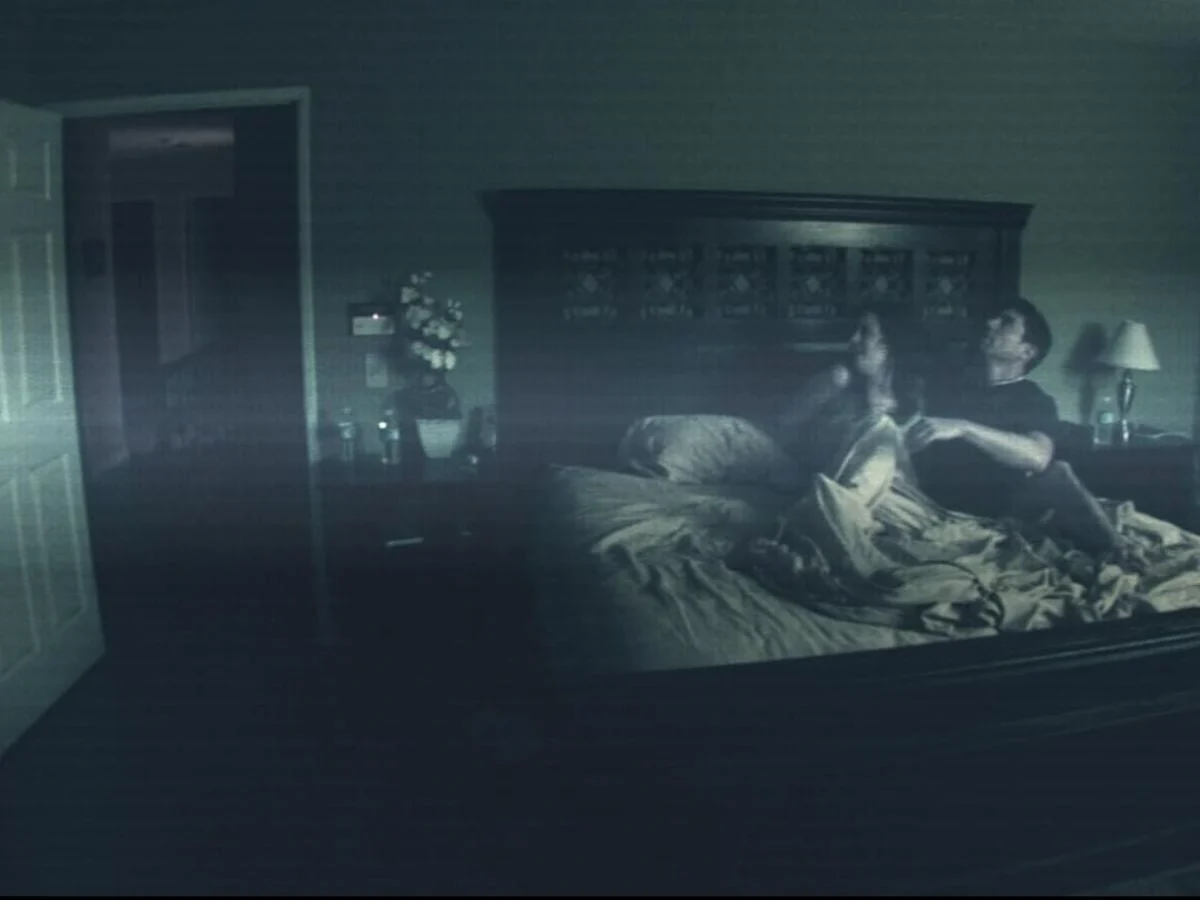
In a move that has sent shockwaves through the independent horror gaming community, the highly anticipated project Paranormal Activity: Threshold has been officially cancelled. The game, which was set to bring the iconic found-footage film franchise into the realm of interactive horror, was being spearheaded by Brian Clarke, the creative force behind the critically acclaimed cult-hit The Mortuary Assistant.
The announcement, delivered via a candid statement on social media, marks a definitive end to a partnership that once promised to redefine licensed horror gaming. For fans who had already sampled the game’s terrifying mechanics at industry events, the cancellation represents more than just the loss of a product—it is a poignant reminder of the growing friction between corporate mandates and the creative integrity of independent developers.
The Chronology of a Project
The trajectory of Paranormal Activity: Threshold was, for a time, marked by immense optimism. When the project was first announced in 2024, it was met with immediate intrigue. The combination of the Paranormal Activity brand—a franchise that popularized the low-budget, high-impact aesthetic—and the expertise of Darkstone Digital, under the stewardship of Brian Clarke, seemed like a match made in gaming heaven.
Following the success of The Mortuary Assistant, which garnered praise for its systemic horror elements and unsettling atmosphere, Clarke’s involvement suggested a deep understanding of what makes a horror experience truly harrowing. The project moved quickly through development phases, eventually reaching a playable state. In 2024, the game was featured at PAX East, where it drew significant crowds. The demo was widely lauded for its tension-building mechanics and its ability to replicate the signature dread of the Paranormal Activity films.
However, behind the scenes, the development cycle was encountering significant turbulence. As the release window tightened, pressure mounted from Paramount to meet specific commercial deadlines. The fundamental impasse—a classic conflict in the modern gaming industry—revolved around the schedule. Clarke, prioritizing the final quality of the product, requested an extension to ensure the game met his personal standards. When the studio denied this request, the partnership effectively hit a dead end, culminating in the formal cancellation of the project this week.
The Stance of the Developer: Quality Over Commerce
Brian Clarke’s departure from the project was framed by a philosophy of artistic self-preservation. In his official statement on X (formerly Twitter), Clarke was blunt about the binary choice he faced: "Rush through development and release a sub-par product I would not be proud of, or request we go our separate ways. I chose the latter."
This decision, while undoubtedly difficult, has resonated deeply with the gaming community. In an era where the industry is frequently criticized for releasing "unfinished" or "bug-ridden" titles to appease shareholders or meet fiscal year-end targets, Clarke’s willingness to walk away from a major IP rather than sacrifice his reputation is being heralded as an act of professional integrity.
Clarke clarified that he is not stepping away from the industry entirely. "I may need a small vacation," he noted, "but I am excited and eager to return to my corner of horror that you all have generously allowed me to occupy." His closing remark—"On to the next grave to discover what horrors I may unearth"—serves as both a farewell to the Paranormal Activity license and a promise of future, untethered creative endeavors.
Industry Implications: The Indie-Corporate Divide
The cancellation of Paranormal Activity: Threshold serves as a case study in the risks associated with intellectual property (IP) licensing. For independent studios, working with established movie franchises offers a massive marketing boost and instant brand recognition. However, it often comes at the cost of creative autonomy.
When a developer is accustomed to the flexibility of a small, agile team—where they can iterate on mechanics until they feel "right"—transitioning into a corporate structure managed by a massive studio like Paramount can be a jarring shift. The "crunch culture" that often plagues the triple-A gaming sector is a direct result of rigid scheduling and a refusal to acknowledge the non-linear nature of creative design.
By choosing to exit the project, Clarke has highlighted a growing trend: the "Indie Exodus." Many developers who found fame through the indie scene are increasingly wary of entering into restrictive partnerships that threaten their ability to deliver a polished experience. The backlash against "rushed horror slop" in the comments sections of his announcement demonstrates that the modern consumer is becoming more sophisticated. Players are increasingly willing to wait for a high-quality product rather than consume a rushed, brand-heavy game that fails to deliver on its promises.
Fan Reception and the Future of Horror Gaming
The reaction to the news has been overwhelmingly supportive, shifting the narrative from disappointment to validation. While fans are naturally saddened that they will not get to play the version of Paranormal Activity envisioned by the team behind The Mortuary Assistant, there is a palpable sense of respect for the developer’s choice.
One supporter wrote, "Although sad, I’m really happy to hear you made this choice. We have enough rushed horror slop out there. Thank you for preferring to not add to it and instead take the time to make something great." This sentiment reflects a broader movement within the gaming community that prioritizes long-term brand health over short-term releases.
For Darkstone Digital and the wider independent horror community, the focus now shifts to what comes next. The success of The Mortuary Assistant proved that there is a massive market for indie horror that leans into psychological terror and innovative gameplay mechanics rather than relying solely on established cinematic brands.
As we look to the future, the cancellation of this project may actually prove beneficial for the industry at large. It forces a conversation about the necessity of realistic production timelines and the value of developers as artists rather than just content producers. Clarke’s exit signals that the power dynamic is shifting; talented creators are no longer willing to sacrifice their vision for the sake of a corporate logo.
Conclusion: Lessons Learned
The story of Paranormal Activity: Threshold is one of missed potential, but also one of profound professional courage. In an industry defined by its constant drive for output, Brian Clarke’s decision to stop the presses serves as a stark warning to studios that hold the keys to lucrative IPs.
When you hire a creator with a specific, successful voice, the attempt to force them into a rigid corporate box often results in the loss of that very "magic" that made them desirable in the first place. For now, the "Threshold" has been closed. However, the fans who have followed Clarke’s career are arguably more invested in his future projects than they were before. By choosing his own path, Clarke has not only preserved his integrity but has also ensured that his next "grave" will be one he digs entirely on his own terms.
As the dust settles, the industry is left with a clear takeaway: if you want the best work from a developer, you must give them the time to craft it. Until then, we will continue to look toward the indie sector for the next great evolution in horror, knowing that the best games are often the ones that are allowed to grow, rather than those that are forced to bloom.









No comments yet. Be the first to join the conversation!