

Published May 8, 2026, 8:00 AM EDT
The highly anticipated sequel, Mortal Kombat 2, has unleashed its full, unadulterated fury upon audiences, aiming to rectify the perceived shortcomings of its 2021 predecessor. At the heart of the Mortal Kombat franchise, both in its video game and cinematic iterations, lies an unwavering commitment to extreme violence, particularly through its iconic "Fatalities." These gruesome finishing moves are not merely decorative; they are the very essence of the series’ identity, a bloody promise to fans that their thirst for over-the-top, imaginative gore will be quenched.
While Mortal Kombat 2 undeniably delivers on the promise of hard-R Fatalities, offering eight distinct displays of visceral carnage, critical reception is mixed regarding their overall creativity and impact. This article meticulously examines each Fatality, ranking them by their "gnarliness" and analyzing their narrative significance and contribution to the film’s overarching tone.
The Enduring Legacy of Gore: A Chronological Look at Mortal Kombat’s Impact
The Mortal Kombat franchise is intrinsically linked to the history of video game violence and its cultural reception. When the first Mortal Kombat arcade game launched in 1992, its unprecedented level of digitized blood and graphic finishing moves ignited a moral panic across North America. Parents, politicians, and media watchdogs decried its content, leading to sensational congressional hearings in the United States. These hearings, spearheaded by figures like Senator Joe Lieberman, ultimately served as a catalyst for the creation of the Entertainment Software Rating Board (ESRB) in 1994, a system still in use today to rate video games based on their content.

For fans, however, the Fatalities were not merely shock value; they were a reward, a darkly humorous celebration of victory, and a unique selling point that differentiated Mortal Kombat from its competitors. The games evolved, and with them, the complexity and sheer inventiveness of their Fatalities grew, pushing the boundaries of what was graphically possible and narratively permissible within the medium.
The cinematic adaptations have always grappled with how to translate this signature element to the big screen. The 1995 Mortal Kombat film, while beloved for its campy charm and iconic theme song, was constrained by its PG-13 rating, largely eschewing the explicit gore that defined the games. This decision, while understandable for mainstream appeal at the time, left a void for hardcore fans. The 2021 Mortal Kombat reboot attempted to correct this, securing an R-rating and promising a return to brutal form. Yet, many fans felt it still held back, with some Fatalities feeling rushed or not quite living up to the gruesome spectacle of their digital counterparts.
This brings us to Mortal Kombat 2. Positioned as a direct response to fan feedback, the sequel entered production with the explicit mandate to lean harder into the franchise’s ultraviolent roots. The filmmakers, acutely aware of the criticism leveled against the first movie’s perceived lack of "mortal combat," aimed to deliver a more robust and uncompromising R-rated experience. The question, then, is not whether Mortal Kombat 2 is violent, but whether its violence is effective, memorable, and creatively satisfying within the context of the franchise’s storied history.
Deconstructing the Fatalities of Mortal Kombat 2: An Analytical Ranking
The film’s eight Fatalities are a central talking point, and while the sheer volume is appreciated, the consistency in quality and originality is debatable. Our ranking assesses each Fatality based on its visual impact, narrative weight, originality, and overall adherence to the "Sicko stamp of approval" – that darkly humorous, viscerally satisfying feeling that defines the best of Mortal Kombat‘s finishing moves.
[Ed. note: Spoilers ahead for every major death in Mortal Kombat 2.]
8. King Jerrod Gets the Wrong End of the Hammer
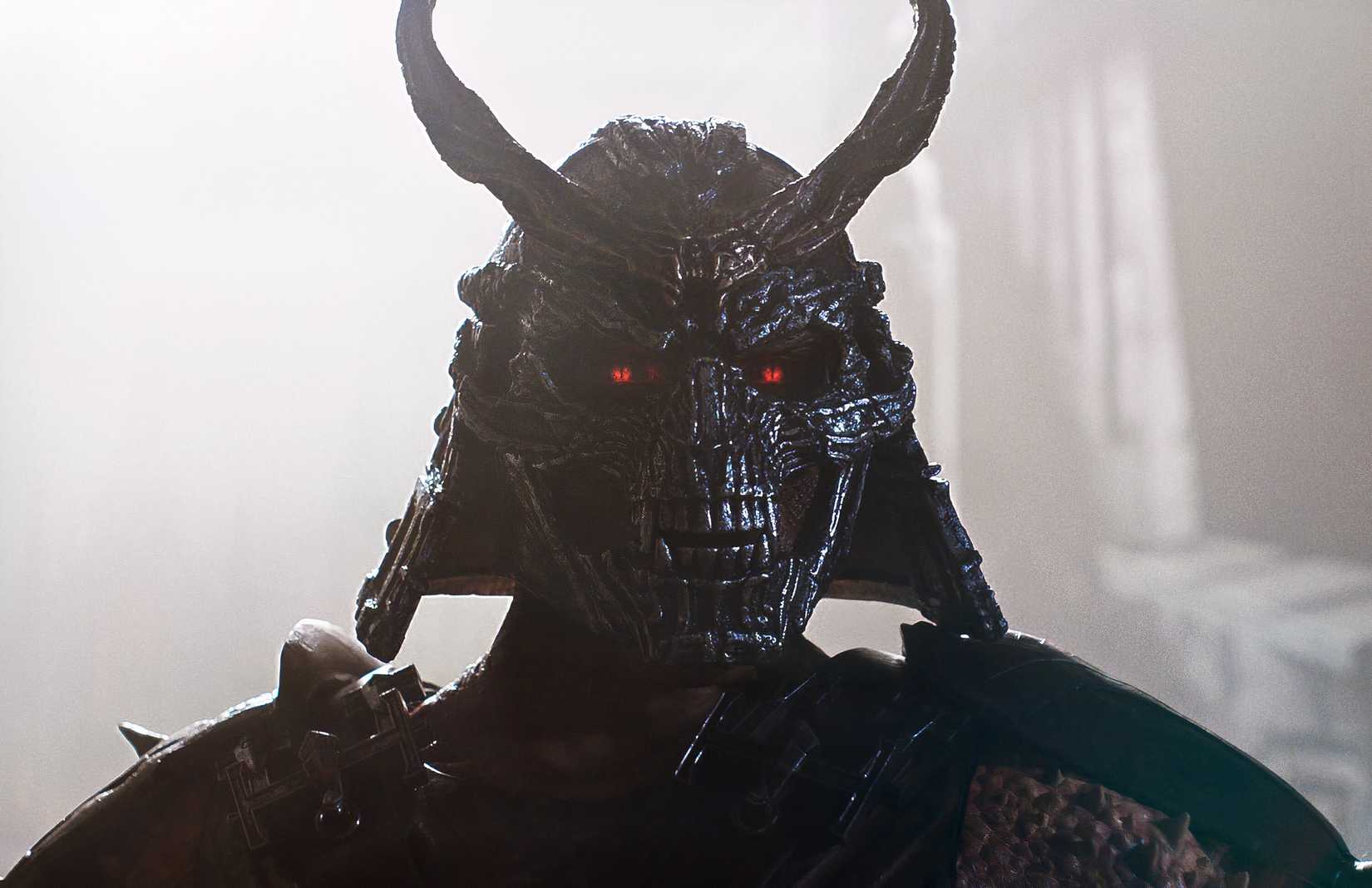
- The Scene: The film opens with a grim tableau, introducing the audience to the foundational lore of Edenia, a peaceful dimension ruled by the benevolent King Jerrod. His reign, however, is violently interrupted by the arrival of Shao Kahn, the formidable Emperor of Outworld, a character often likened to a more monstrous Bane from The Dark Knight Rises, complete with a massive, spiked hammer. Shao Kahn challenges Jerrod, not for diplomatic reasons, but for the very dominion of Edenia itself.
- The Fatality: Despite a valiant but ultimately outmatched effort, King Jerrod succumbs to Shao Kahn’s brute force. The finishing blow sees Shao Kahn driving the sharp, spiked handle of his colossal hammer directly through Jerrod’s chest. The impact is visceral, leaving the king impaled and dying. This brutal act is witnessed by his young daughter, Kitana, a moment designed to permanently scar her and ignite a deep-seated thirst for revenge, which will simmer throughout the narrative.
- Analysis: As a narrative device, this Fatality effectively establishes Shao Kahn as an unstoppable, merciless force and provides critical backstory for Kitana. However, as a standalone "Fatality," it falls short. The impalement, while graphic, feels somewhat generic. It lacks the imaginative flourish and theatricality that fans associate with the franchise’s signature moves. It serves as a tone-setter for Shao Kahn’s ruthless nature but leaves the audience craving more creative displays of power from the primary antagonist.
7. Liu Kang Shuffles Off the Mortal Kombat Coil
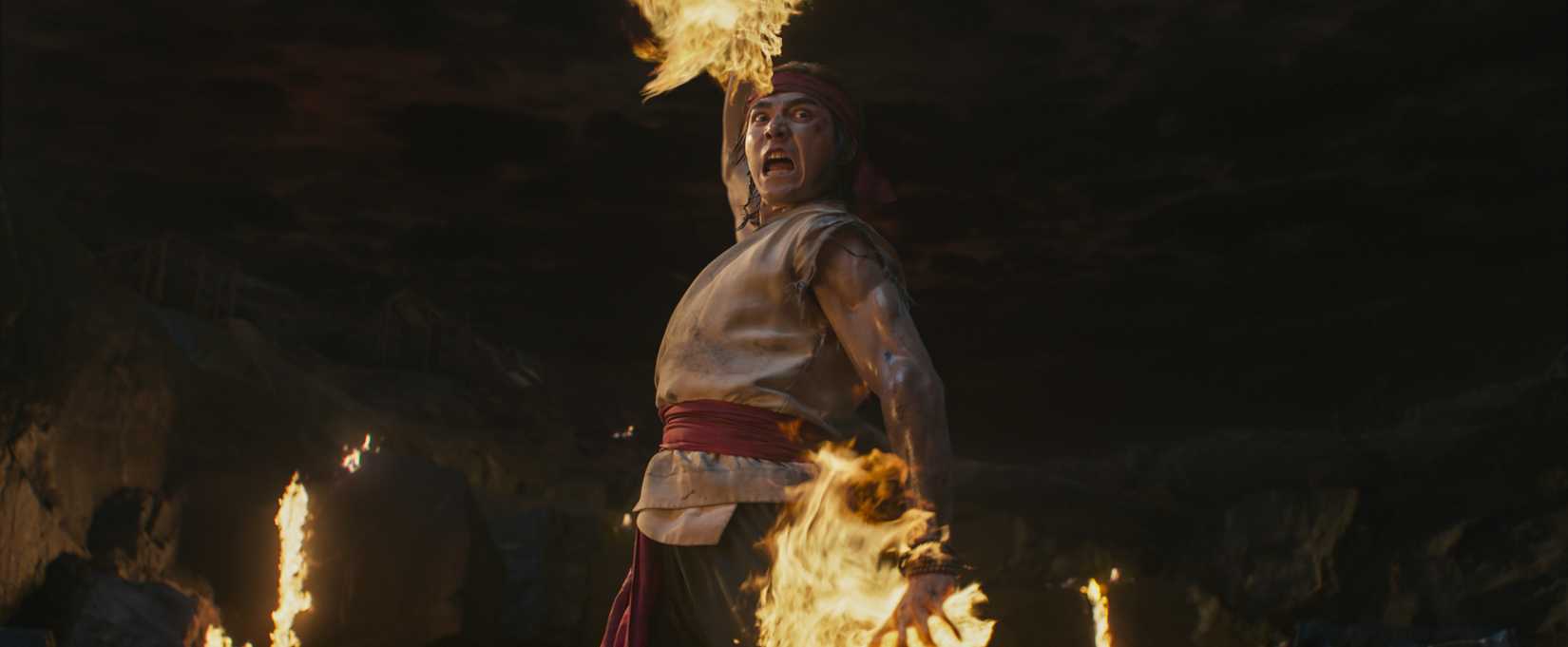
- The Scene: Earthrealm’s greatest champion, Liu Kang, finds himself in a desperate battle against the relentless Shao Kahn. Liu Kang, typically a beacon of hope and strength, faces a foe whose power seems almost insurmountable, compounded by a baffling ability to heal all wounds, an "Mortal Kombat equivalent of sports doping" as the reviewer aptly notes.
- The Fatality: In a surprisingly understated moment for such a pivotal character, Liu Kang is defeated. Shao Kahn once again employs his trusty hammer, not with a crushing blow this time, but by impaling Liu Kang with its spiked handle. The wound is mortal, yet Liu Kang’s reaction is curiously calm, almost serene.
- Analysis: This Fatality is particularly perplexing. Liu Kang, a character capable of conjuring fire and executing elaborate martial arts, deserves a death that reflects his legendary status. The decision to give him an "understated Fatality" was likely an attempt by writer Jeremy Slater to signify a deeper, more spiritual journey for the character, prompting his quest into the Netherrealm to revive Kung Lao. However, from a fan’s perspective, this misses the mark. The expectation for a character of Liu Kang’s caliber is a death that earns the "Sicko stamp of approval," a spectacular send-off, regardless of his virtuous nature. The repeated impalement trope, especially from the same antagonist with the same weapon, further diminishes its impact.
6. Jax Gets Hammered Again, Literally
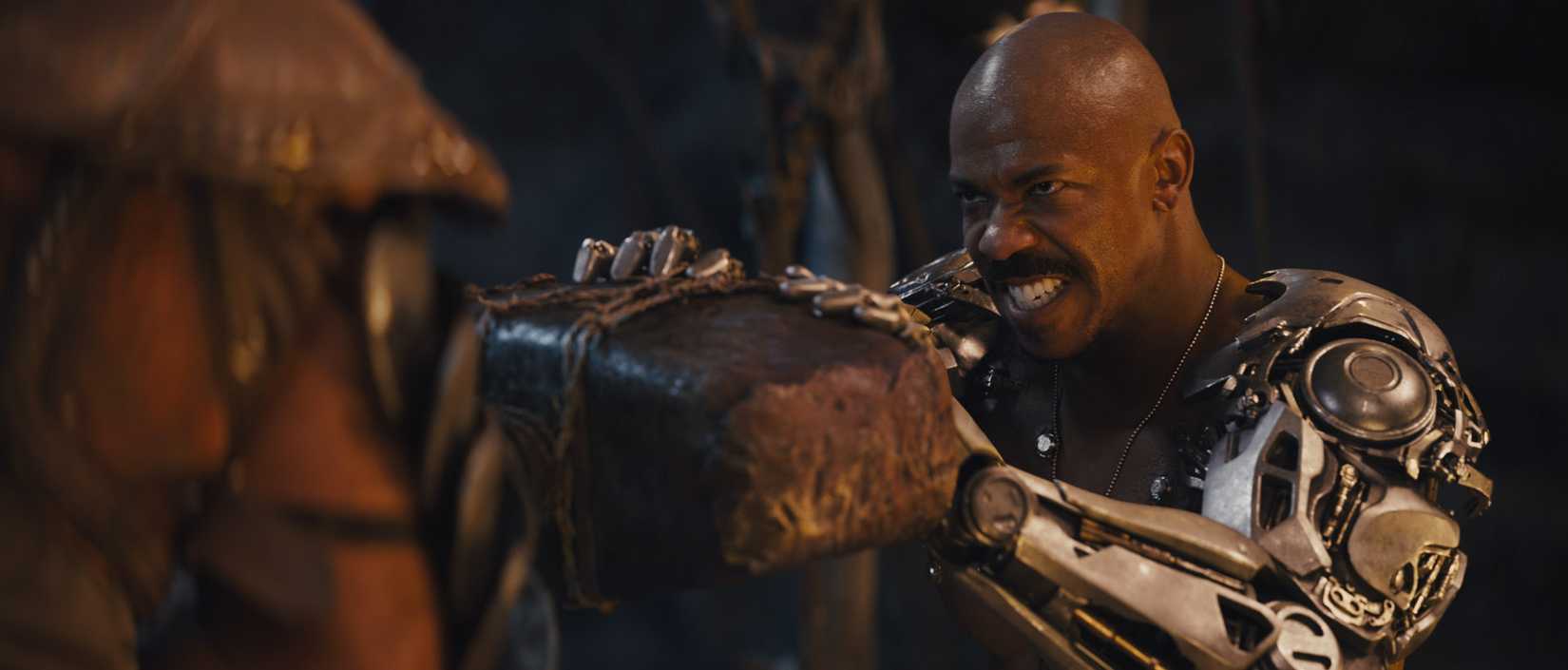
- The Scene: The powerful, cybernetically enhanced Major Jackson "Jax" Briggs confronts Shao Kahn. Jax, with his formidable metal arms, represents a significant threat, yet even his advanced strength proves insufficient against the Outworld Emperor’s mystical healing abilities and overwhelming might.
- The Fatality: True to form, Shao Kahn delivers another impalement. This time, it’s Jax who suffers the indignity of having the hammer-handle driven through his body. The fight highlights Shao Kahn’s near-immortality, but the finishing move itself reinforces a growing sense of repetitive brutality.
- Analysis: This Fatality solidifies the critique of Shao Kahn’s lack of imagination. While he is established as the "big bad" and nearly invincible, his method of execution remains consistently uninspired. The reviewer’s frustration is palpable: "Shao Kahn, would it kill you to rip out someone’s spinal column and wear it like a decorative necklace?" The audience expects a villain of his stature to exhibit a more varied and theatrical approach to dispatching opponents. The repeated impalements, while brutal, begin to feel less impactful and more like a checklist item, underscoring a missed opportunity for the film to showcase a broader range of Mortal Kombat‘s signature ultraviolence.
5. Sonya Blade Lets the Arena Do the Dirty Work
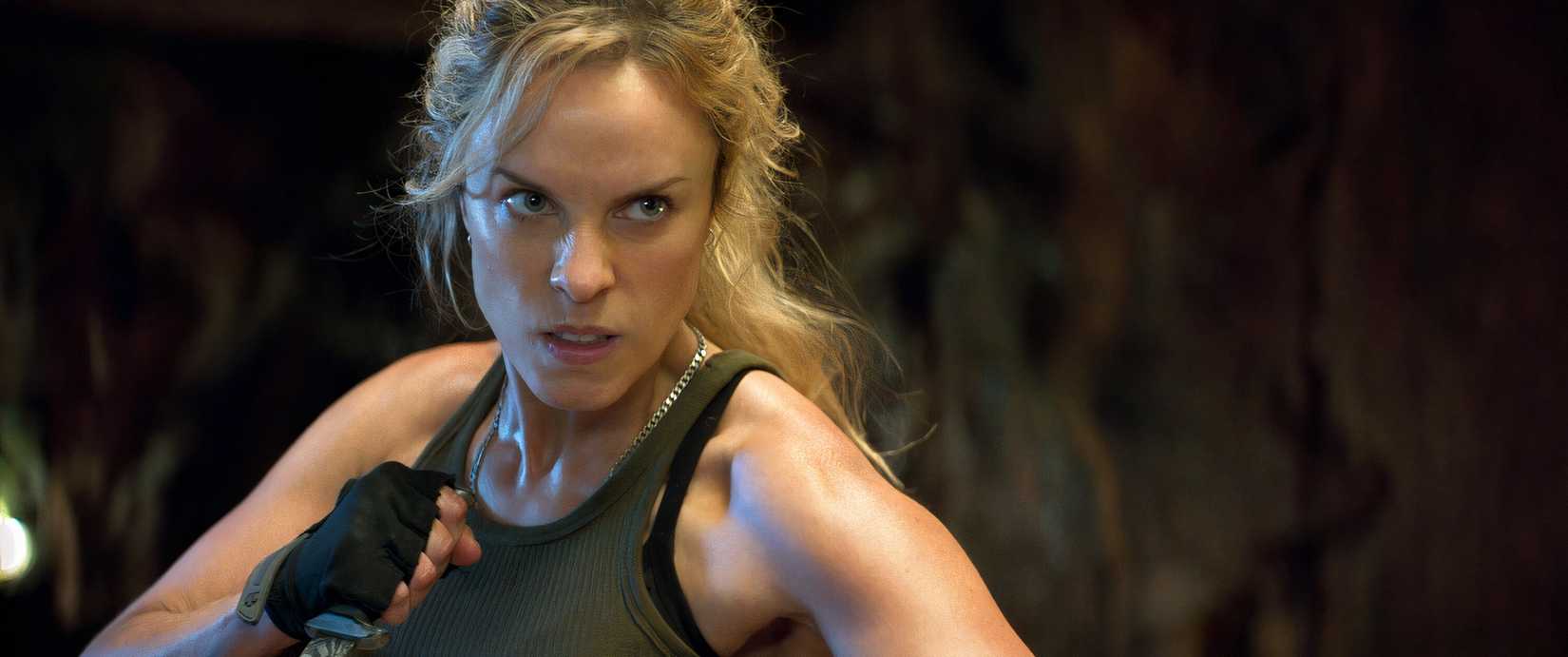
- The Scene: The fierce Special Forces operative Sonya Blade faces Queen Sindel, a character with a tragic backstory. Sindel, originally the benevolent queen of Edenia and wife of King Jerrod, was brutally murdered by Shao Kahn, then resurrected as a revenant and forced into marriage with her tormentor. Corrupted by Shao Kahn’s dark magic, she fights as a champion of Outworld, utilizing devastating ultrasonic screams that constantly disrupt Sonya’s rhythm. Their battle takes place in a particularly treacherous arena, its floor intermittently sprouting sharp, rusty spikes.
- The Fatality: Sonya, employing tactical ingenuity over raw power, manages to gain an advantage. She pins Sindel down, strategically maneuvering her opponent until one of the arena’s rising spikes impales Sindel directly through the face.
- Analysis: This Fatality marks a welcome departure from the monotonous impalements delivered by Shao Kahn. While still an impalement, its execution demonstrates a creative use of the environment, a hallmark of many iconic Fatalities in the games. The arena itself becomes an active participant in the kill, adding a layer of dynamism. The grotesque nature of a spike through the face, coupled with Sindel’s tragic arc, gives this death more emotional resonance and visual distinctiveness. The fact that Sindel is magically revived later doesn’t diminish its impact as a Fatality; it’s a moment of gruesome ingenuity that finally scores marks for creativity.
4. GET OVER HERE!
- The Scene: Hell hath no fury like Scorpion. After his fiery demise in the 2021 Mortal Kombat film, Hanzo Hasashi (Scorpion) was banished to the desolate Netherrealm. There, he had seemingly found a semblance of peace, carving out a quiet corner for himself, attempting to leave his violent past behind. However, fate, or rather, the narrative, intervenes. He is presented with an irresistible opportunity for a rematch with Sub-Zero, the cryomancer responsible for the brutal massacre of Scorpion’s family years prior. The call for vengeance proves too strong to ignore, reigniting the inferno within the spectral warrior.
- The Fatality: Their ensuing battle is a highlight of the film, a visually spectacular clash between ice and fire. It features the much-anticipated reprise of Scorpion’s signature move: the kunai chain, which he expertly launches to ensnare Sub-Zero, punctuating the moment with his iconic, guttural cry: "GET OVER HERE!" The Fatality itself is even more memorable. With Sub-Zero ensnared and helpless, Scorpion delivers a devastating blow, slicing his eternal enemy clean in half – vertically.
- Analysis: This Fatality is a masterclass in fan service and execution. The return of the classic catchphrase is perfectly timed and delivered with gravitas by the inimitable Hiroyuki Sanada, whose performance as Scorpion continues to be an international treasure. The vertical bisection is a genuinely shocking and viscerally satisfying act of vengeance, a far cry from the earlier, more mundane impalements. It’s a brutal, theatrical, and utterly Mortal Kombat moment that perfectly encapsulates Scorpion’s vengeful spirit and his commitment to gruesome justice. This is a Fatality that truly earns the "Sicko stamp."
3. Liu Kang Uses His Bestie’s Hat-Blade Against Him
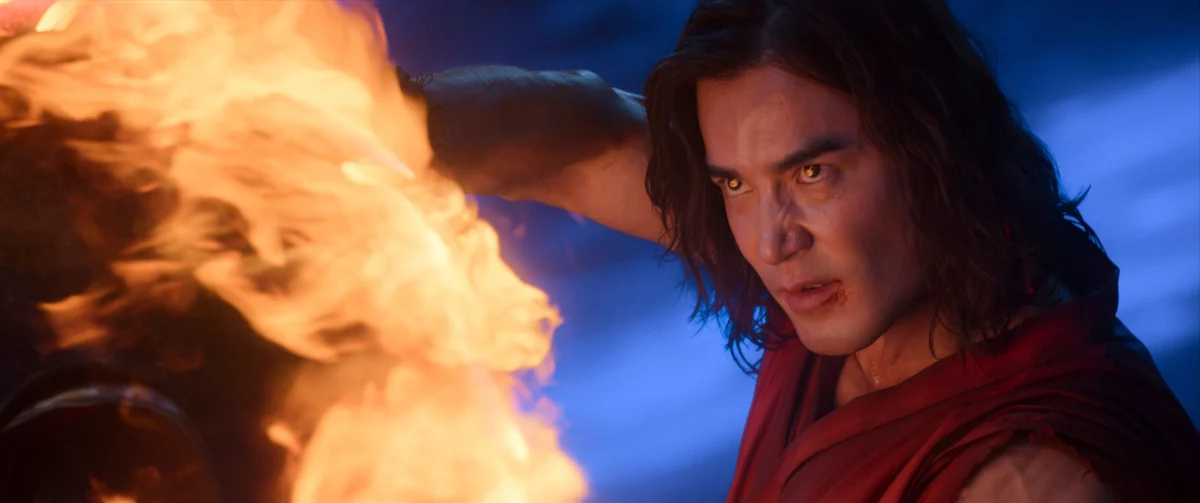
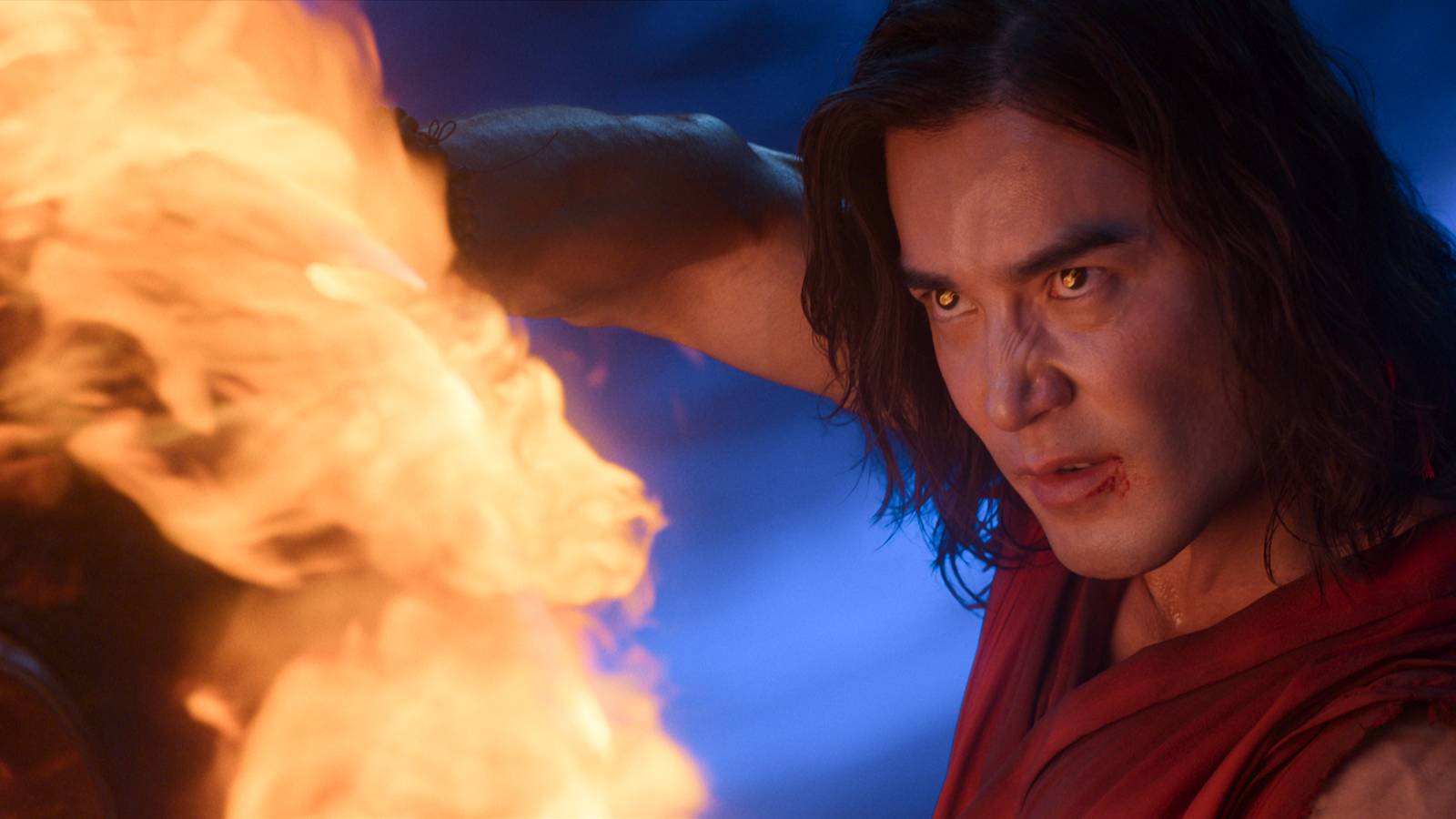
- The Scene: The beloved Kung Lao, known for his distinctive bladed hat and responsible for arguably the best Fatality in the 2021 film, makes a dark return in Mortal Kombat 2. Through insidious dark magic, he is revived as a revenant, a corrupted warrior now fighting under the banner of Shao Kahn. This forces him into a tragic confrontation with his best friend, Liu Kang, who desperately tries to reach his former comrade, attempting to pull him back from the encroaching darkness.
- The Fatality: When it becomes agonizingly clear that this revenant version of Kung Lao is beyond salvation, Liu Kang appears to hesitate, seemingly reluctant to deal the fatal blow to his long-lost friend. However, in a brilliant narrative and visual twist, Liu Kang flips the script. Instead of using his own fiery powers, he seizes Kung Lao’s iconic bladed hat and wields it against him. The ensuing act sees Liu Kang tearfully promising to rescue Kung Lao from the Netherrealm, all while simultaneously using the hat-blade to slice his friend into a gushing "blood fountain."
- Analysis: This Fatality is a complex blend of emotional tragedy and outlandish gore, creating an unintentionally hilarious spectacle. The emotional weight of Liu Kang having to kill his best friend is palpable, but the sheer absurdity of the "blood fountain" visual, especially juxtaposed with Liu Kang’s tearful monologue, makes it a uniquely memorable moment. It’s a perfect example of Mortal Kombat‘s ability to combine high drama with ludicrous ultraviolence. The poetic justice of using Kung Lao’s own weapon against him adds another layer of grim satisfaction. This Fatality stands out for its narrative ingenuity, emotional punch, and over-the-top visual payoff, leaving audiences both shocked and amused. It also sets up a compelling plot thread for Mortal Kombat 3, hoping for the bros to reunite.
2. Shao Kahn Finally Uses a Hammer Properly
- The Scene: Shao Kahn, despite his earlier monotonous Fatalities, proves to be a formidable and frustratingly resilient antagonist throughout Mortal Kombat 2. His near-immortality, granted by a powerful McGuffin, makes him seemingly invincible, capable of healing any wound. The battle culminates in a confrontation with Cole Young, the new character introduced in the 2021 film, who has been somewhat divisive among fans, often seen as an exposition device rather than a compelling fighter. Cole believes he has delivered a fatal blow, only for Shao Kahn to regenerate.
- The Fatality: In a moment of spectacular brutality, Shao Kahn finally sheds his earlier restraint. Knocking Cole Young to the ground, the Emperor raises his colossal hammer high and brings it down with devastating force, slamming it directly onto Cole’s face. The impact is catastrophic, splattering Cole’s head into a grotesque paste. The icing on this bloody cake is Shao Kahn’s subsequent action: using his hammer to contemptuously drag Cole’s headless body across the arena floor, an act described with morbid precision as "like a maid sweeping up a shattered plate."
- Analysis: This Fatality is a triumphant return to form for Shao Kahn and a moment of grim satisfaction for many viewers. After numerous uninspired impalements, the Emperor finally utilizes his signature weapon with the brutal, blunt force it demands. The "head into paste" imagery is uncompromisingly graphic and perfectly in line with Mortal Kombat‘s ethos. Furthermore, the contemptuous dragging of the body adds a layer of theatrical villainy that was sorely missing from his earlier kills. For fans who were ambivalent about Cole Young’s character, this Fatality offers "the best of both worlds": the removal of a controversial character executed with an abundance of style and extreme gore. This is Shao Kahn finally living up to his billing as a truly terrifying and creative force of destruction.
1. Kitana Delivers Fan Service
- The Scene: After a film-long arc of simmering vengeance and a somewhat passive role, Kitana finally takes center stage against the man who destroyed her family and ravaged her homeworld: Shao Kahn. The heroes have successfully destroyed the McGuffin granting Shao Kahn his infuriating immortality, finally making him vulnerable. This climactic confrontation allows Kitana to unleash years of pent-up fury and grief.
- The Fatality: Kitana, wielding her signature steel fans, moves with deadly grace. In a dizzying display of precision and brutality, she systematically sections Shao Kahn’s entire head into thick, even slices. The visual is explicitly compared to "a deli butcher going to work on a slab of ham," a description that perfectly captures its graphic, almost clinical efficiency.
- Analysis: This Fatality is the undisputed champion of Mortal Kombat 2. It delivers on multiple levels: narrative payoff, character agency, and spectacular gore. Kitana’s long-awaited revenge is executed with a level of precision and inventiveness that stands out. The image of Shao Kahn’s head being meticulously sliced is both shocking and incredibly satisfying, fulfilling the promise of extreme violence that the franchise is built upon. It’s a definitive moment of fan service, not just for the sheer brutality, but for finally allowing Kitana, a powerful and iconic character, to take center stage and exact her justice in the most memorable way possible. This Fatality ensures Mortal Kombat 2 ends on a high note, leaving audiences with a lingering image of gruesome satisfaction and effectively setting up a compelling future for the franchise – perhaps one with a villain vacancy for Mortal Kombat 3, as long as applicants bring their own, more creatively utilized, hammers.
Official Commentary and Filmmaker Intent
The production of Mortal Kombat 2 was undoubtedly influenced by the critical and fan reactions to its predecessor. The filmmakers, including writer Jeremy Slater, were keenly aware of the hunger for more explicit and creative Fatalities. The decision to pursue a hard-R rating was a direct acknowledgment of the franchise’s identity.
However, the film’s execution reveals a tension between delivering volume and maintaining consistent quality. The prevalence of impalement, particularly by Shao Kahn, suggests either a budgetary constraint, a creative oversight, or a deliberate choice to ground some of the violence, perhaps to make the more outlandish Fatalities stand out further. For instance, the reviewer’s speculation about Liu Kang’s understated death hints at a narrative choice by Slater that prioritized character arc over immediate visceral gratification. While this approach has its merits in dramatic storytelling, it often clashes with the core expectation of a Mortal Kombat film, where even virtuous heroes are often subjected to extravagant ends. The film’s commitment to brutality was clear, but the imagination behind every single death proved to be a more challenging balance to strike.
Implications for the Franchise and Genre
Mortal Kombat 2 serves as a crucial barometer for the future of the cinematic franchise. By directly addressing the fan demand for more gore, it solidifies the R-rating as non-negotiable for future installments. The mixed reception to the Fatalities, particularly the critique of repetitive impalement, provides valuable feedback for potential Mortal Kombat 3 filmmakers: quantity is good, but inventive quality is paramount.
The film’s approach also contributes to the ongoing evolution of video game adaptations. As more studios strive for authenticity and fan service, Mortal Kombat 2 demonstrates the fine line between satisfying expectations and succumbing to formula. The success of Fatalities like Kitana’s and Scorpion’s underscores the importance of marrying character development and narrative payoff with genuinely creative and impactful violence.
Looking ahead, Mortal Kombat 3 has a clear path. The ending of Mortal Kombat 2 not only provides a satisfying conclusion to Shao Kahn’s reign but also opens up the narrative for new villains and challenges. The implied quest to rescue Kung Lao from the Netherrealm adds an emotional hook, suggesting that future films might continue to blend character-driven plots with the series’ trademark brutality. The standard for cinematic Fatalities has been raised, and fans will undoubtedly expect an even more imaginative and relentless display of "gnarliness" in any forthcoming installments. The legacy of Mortal Kombat‘s unique brand of ultraviolence continues to shape not just its own future, but also the broader landscape of R-rated action and horror cinema.











No comments yet. Be the first to join the conversation!