

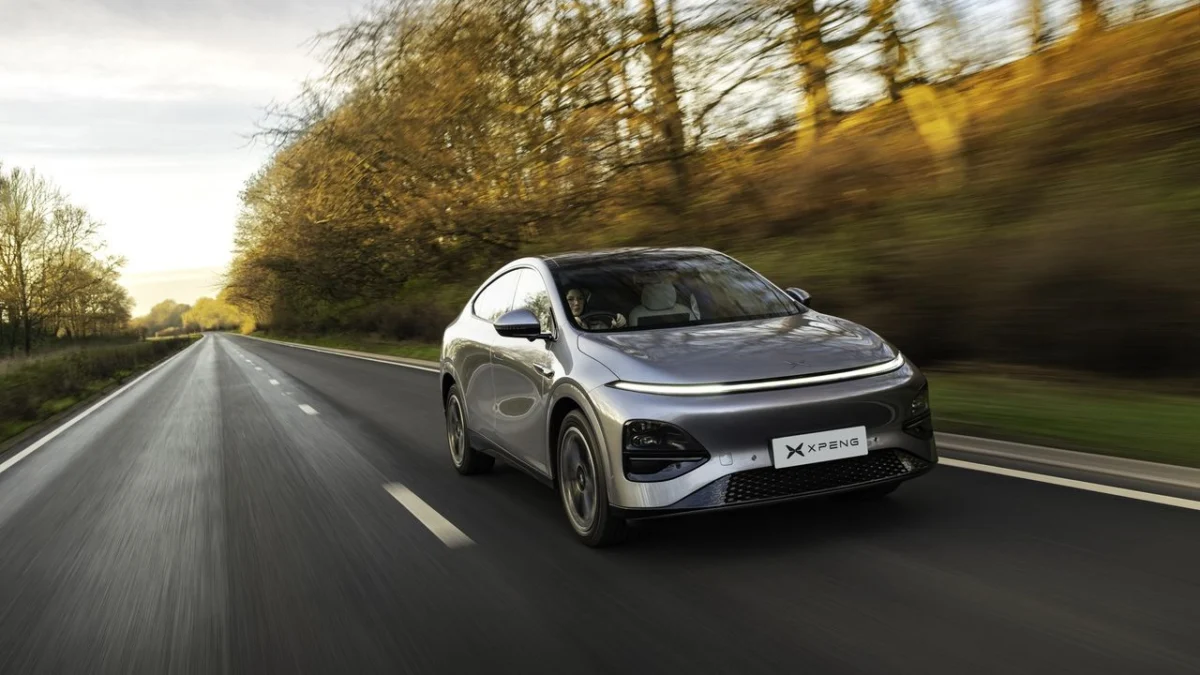
When the Xpeng G6 first debuted on the storm-lashed coast of Portugal, it arrived with a clear, albeit audacious, mission: to unseat the Tesla Model Y from its throne as the world’s most popular electric SUV. However, what stood out more than the vehicle’s design or its specs was the attitude of the company behind it. During the launch, Xpeng’s engineering team did not shy away from the scrutiny of the press; they actively courted it. They didn’t want the polite, surface-level critiques often offered at such events. They wanted the "good, the bad, and the ugly"—a granular breakdown of noise, vibration, and harshness (NVH), interior ergonomics, and the reliability of their advanced driver-assistance systems.
Less than a year later, the results of that candid feedback loop have manifested in a revised model landing in the UK. The updated Xpeng G6 is not just a light refresh; it represents a fundamental shift in how the industry is evolving, proving that Chinese manufacturers are abandoning the traditional seven-year automotive lifecycle in favor of a "tech-first" iterative approach. With over 20,000 incremental refinements, new battery chemistry, and an overhauled interior, the G6 is a bold statement of intent.
The Chronology of Change: From Prototype to Production
The traditional automotive model—long championed by legacy manufacturers—relies on a predictable cadence: a vehicle launches, receives a minor "facelift" after three years, and is replaced entirely after seven. Xpeng, along with several of its Chinese contemporaries, has effectively discarded this playbook.
By aggressively soliciting feedback from journalists and early adopters, Xpeng has managed to push updates to the G6 that would typically take years to reach the assembly line. This rapid-response manufacturing cycle is the company’s greatest weapon in its bid to challenge Tesla. The latest UK-spec G6 reflects this urgency. Since its initial international preview, the vehicle has seen comprehensive adjustments to its suspension tuning, sound deadening, and powertrain software. By treating the car as a piece of hardware that can be continuously improved, Xpeng is attempting to move beyond the label of a "Temu Tesla" and establish itself as a legitimate, high-velocity challenger.
Technical Specifications and Performance Data
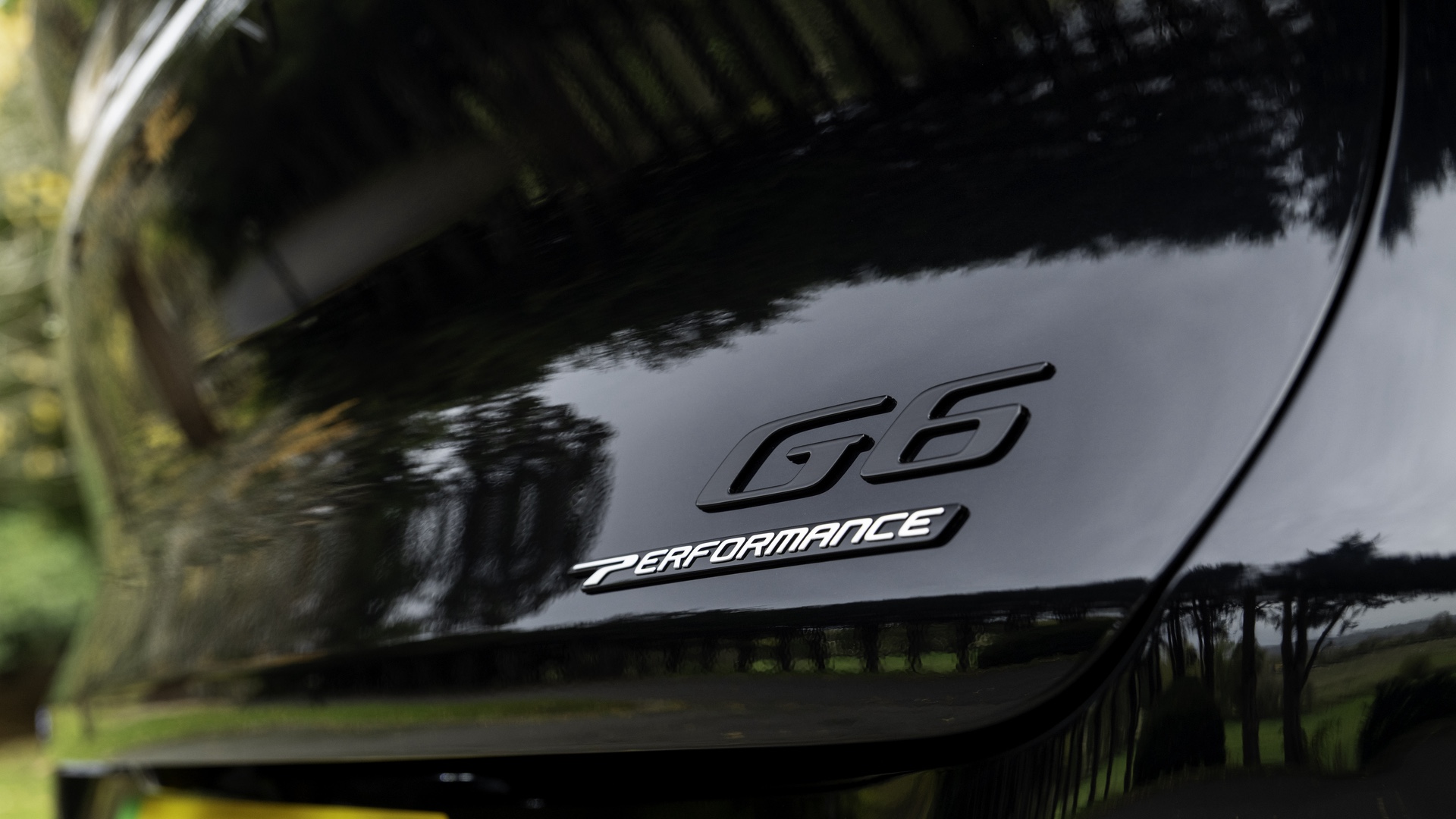
The latest iteration of the Xpeng G6—specifically the All-Wheel-Drive Performance Black Edition—is designed to match the visceral appeal of its American rivals. Equipped with a potent dual-motor setup, the vehicle outputs 480bhp, capable of sprinting from 0-62mph in just over four seconds.
However, the most significant changes reside beneath the floorboards. The updated model features a new 80.8kWh lithium iron phosphate (LFP) battery. By opting for LFP chemistry, Xpeng has successfully eliminated the need for problematic transition metals such as cobalt, nickel, and manganese. While this change has marginally adjusted the WLTP-rated range—now sitting at 316 miles for the Performance model and 326 miles for the RWD Long Range—the trade-off is significant. The new system supports a staggering peak charging power of 451kW. Under optimal conditions, this allows the G6 to surge from a 10% to 80% charge in a mere 12 minutes, placing it firmly at the head of the pack in terms of charging efficiency.
The integration of the Qualcomm Snapdragon 8155 chipset into the Xmart operating system has also provided a much-needed boost to infotainment responsiveness. Yet, despite the hardware upgrades, the interface remains a point of contention, with critical controls occasionally buried deep within nested menus.
Design Philosophy: Futuristic or Merely Generic?
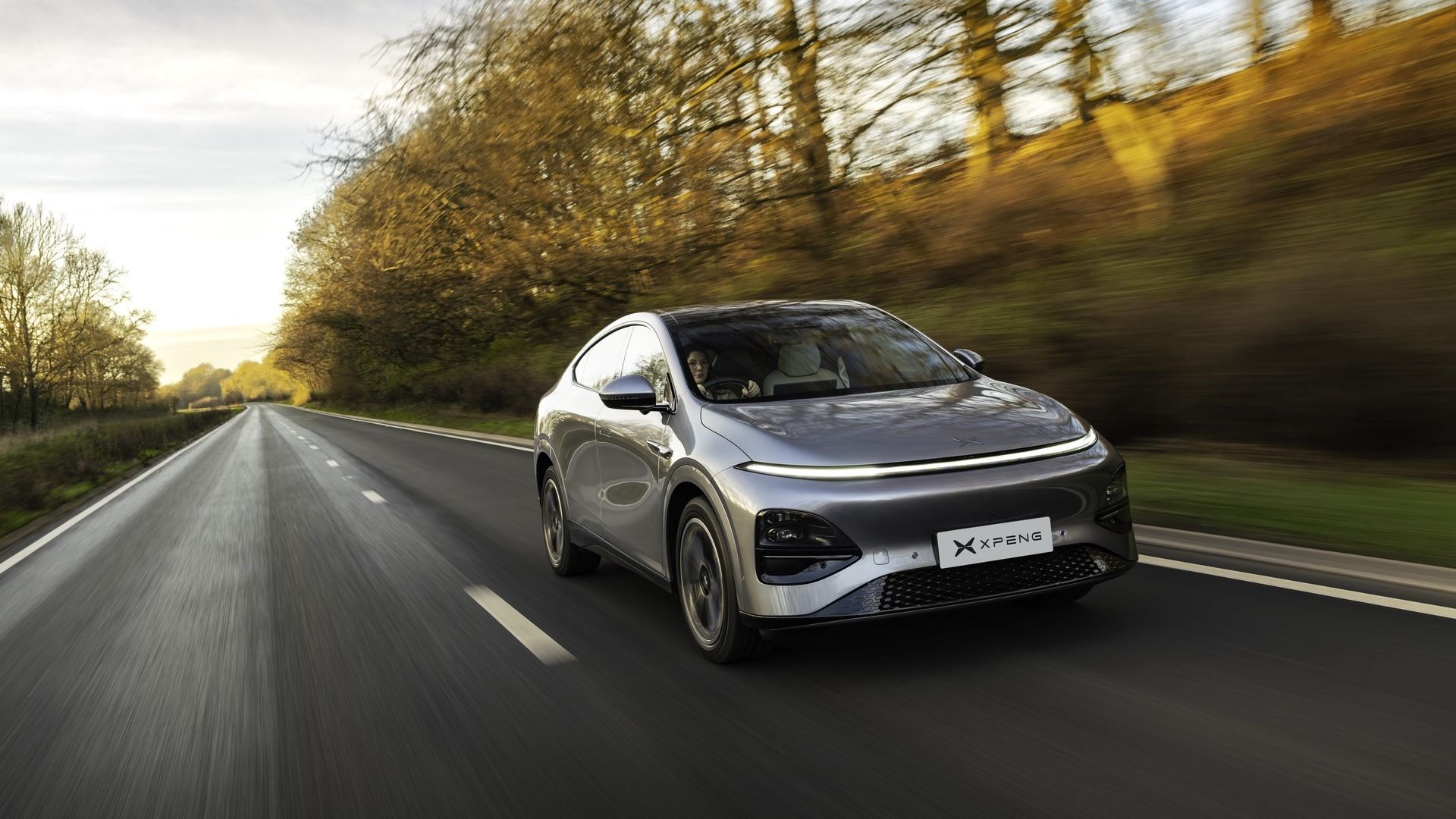
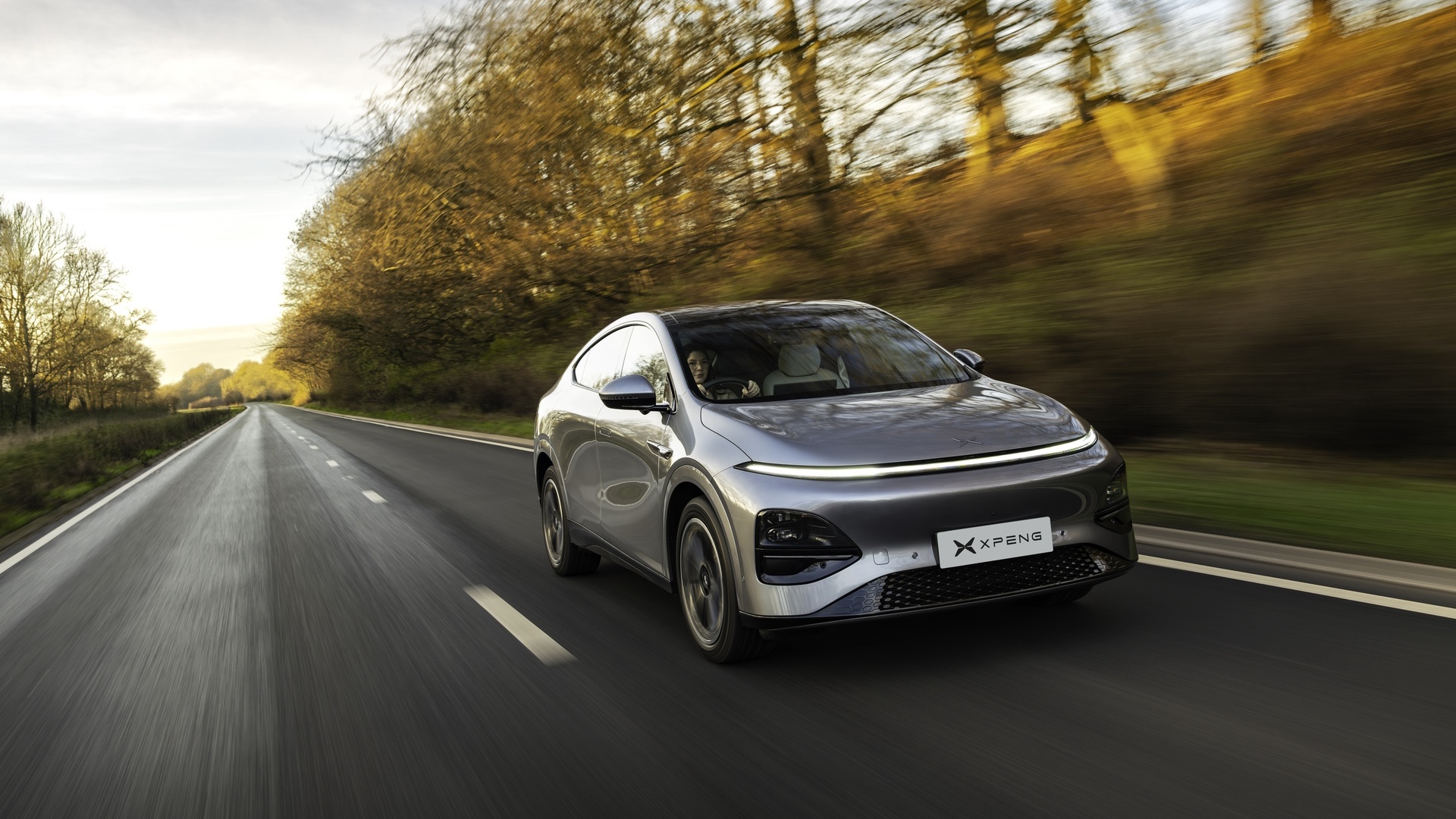
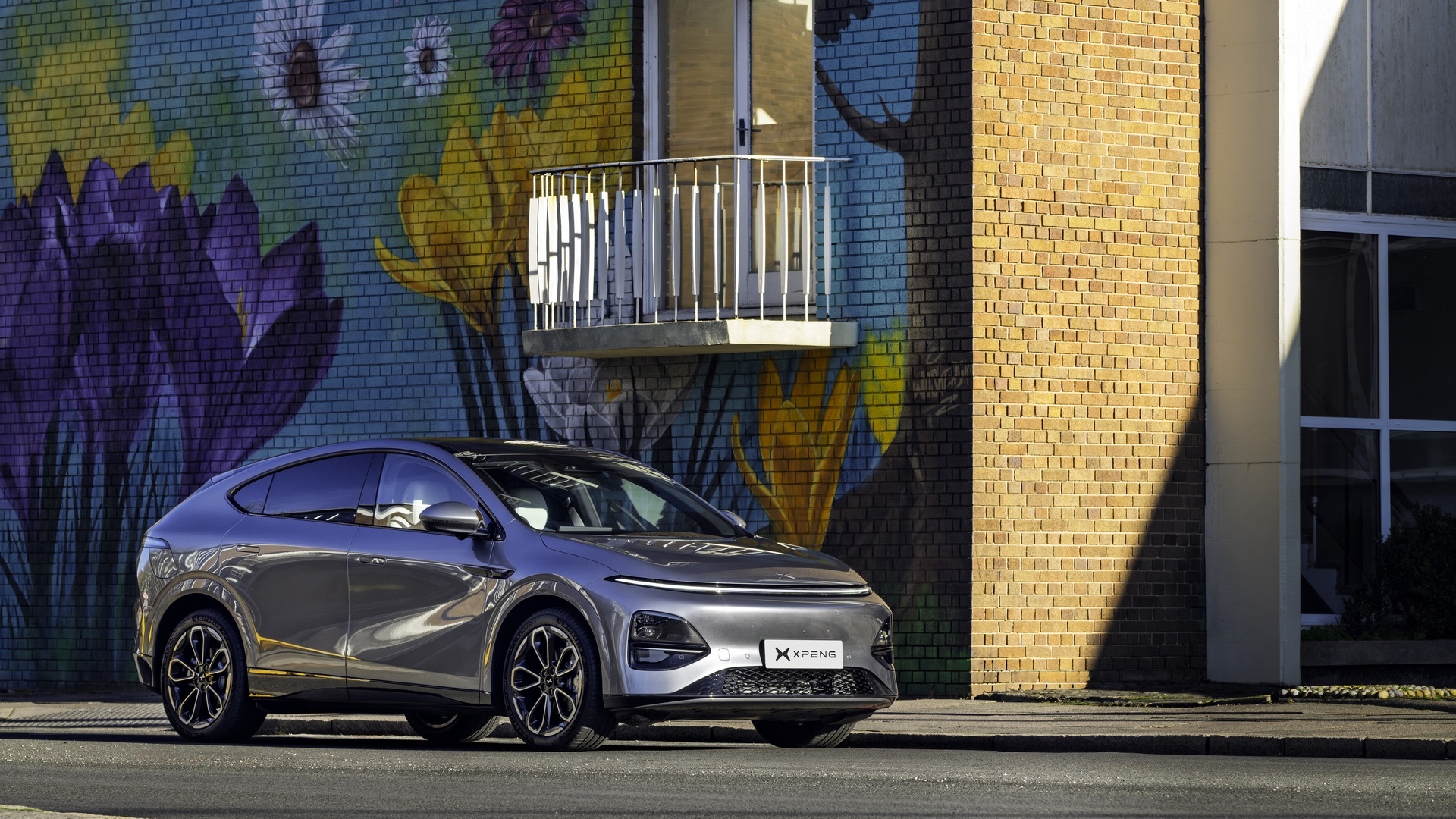
Visually, the G6 retains its aerodynamic, swooping silhouette, though it has been refined for the UK market with striking 20-inch alloy wheels and a smoked black exterior trim. The addition of a full-width light-bar at the front creates a more futuristic, tech-forward aesthetic.
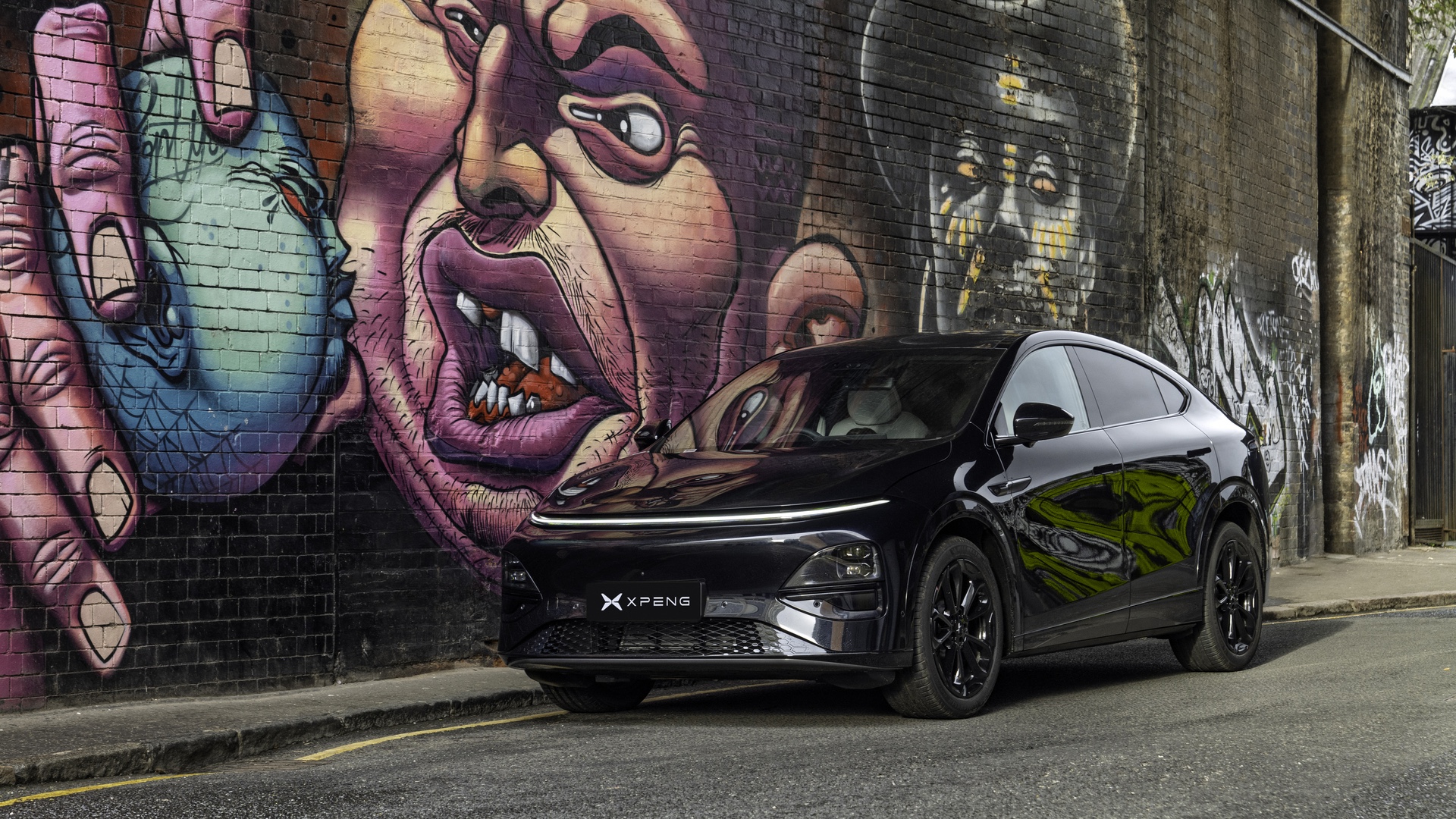
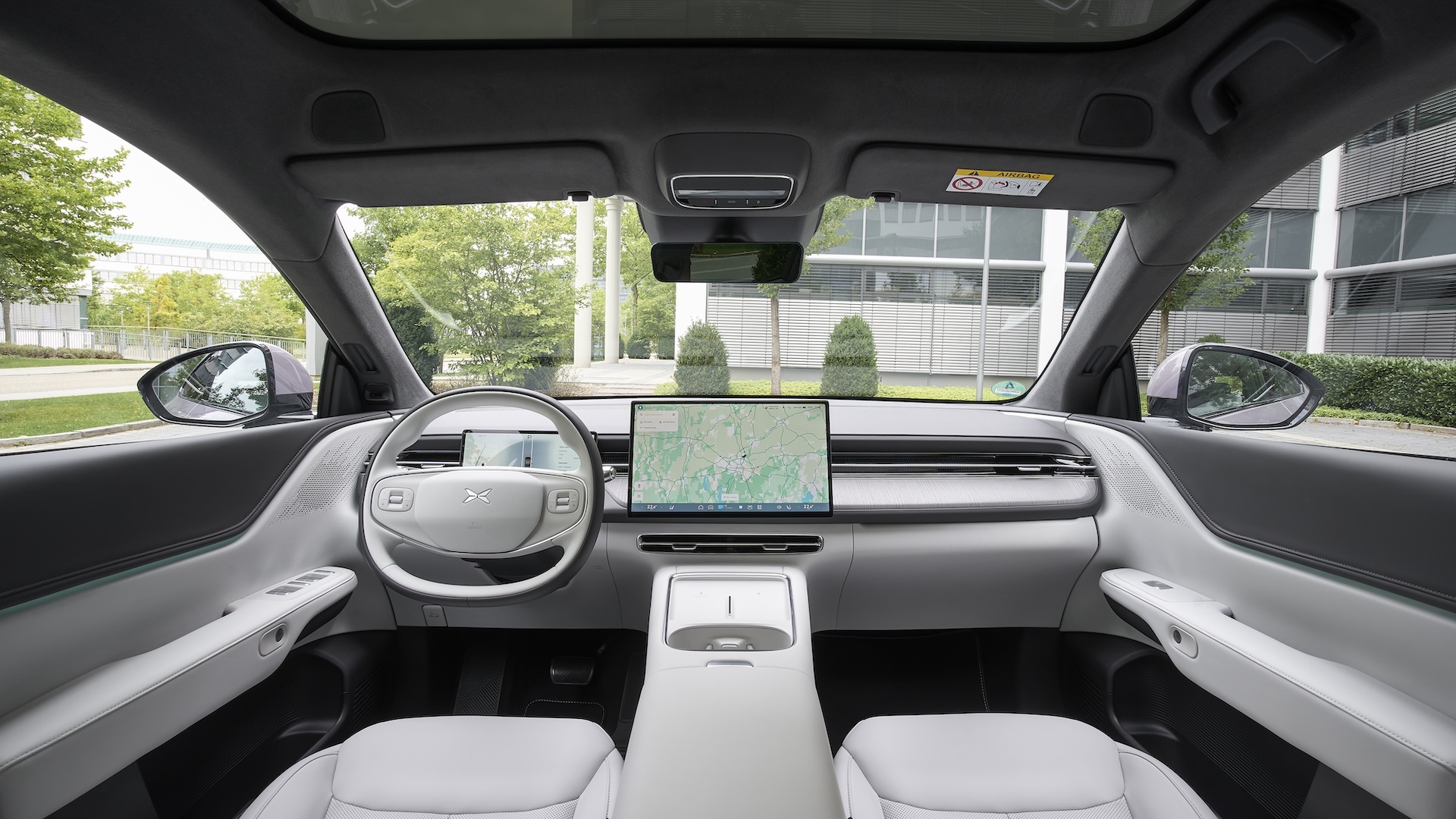
However, the design remains a subject of debate. While the G6 is undoubtedly handsome and functional, it lacks a distinct "brand DNA." In an era where European manufacturers like Renault and Mini are leaning into heritage and unique cultural signatures, the Xpeng G6 feels somewhat clinical. It is a highly efficient appliance, but one that struggles to evoke the emotional connection required to sway brand-loyal consumers. The interior, while upgraded with premium suede-like upholstery and improved soft-touch materials, feels like an intentional nod to Tesla’s minimalism—a choice that may appeal to tech-savvy buyers but risks alienating those looking for a unique automotive character.
The "Real World" Driving Experience: A Mixed Bag
On the road, the "20,000 refinements" claim begins to make sense. The suspension, previously criticized for being unsettled, has been stiffened to handle the uneven, rutted nature of British B-roads. Body control is noticeably improved, and the accelerator pedal mapping now offers a level of precision that was absent in the earlier models.
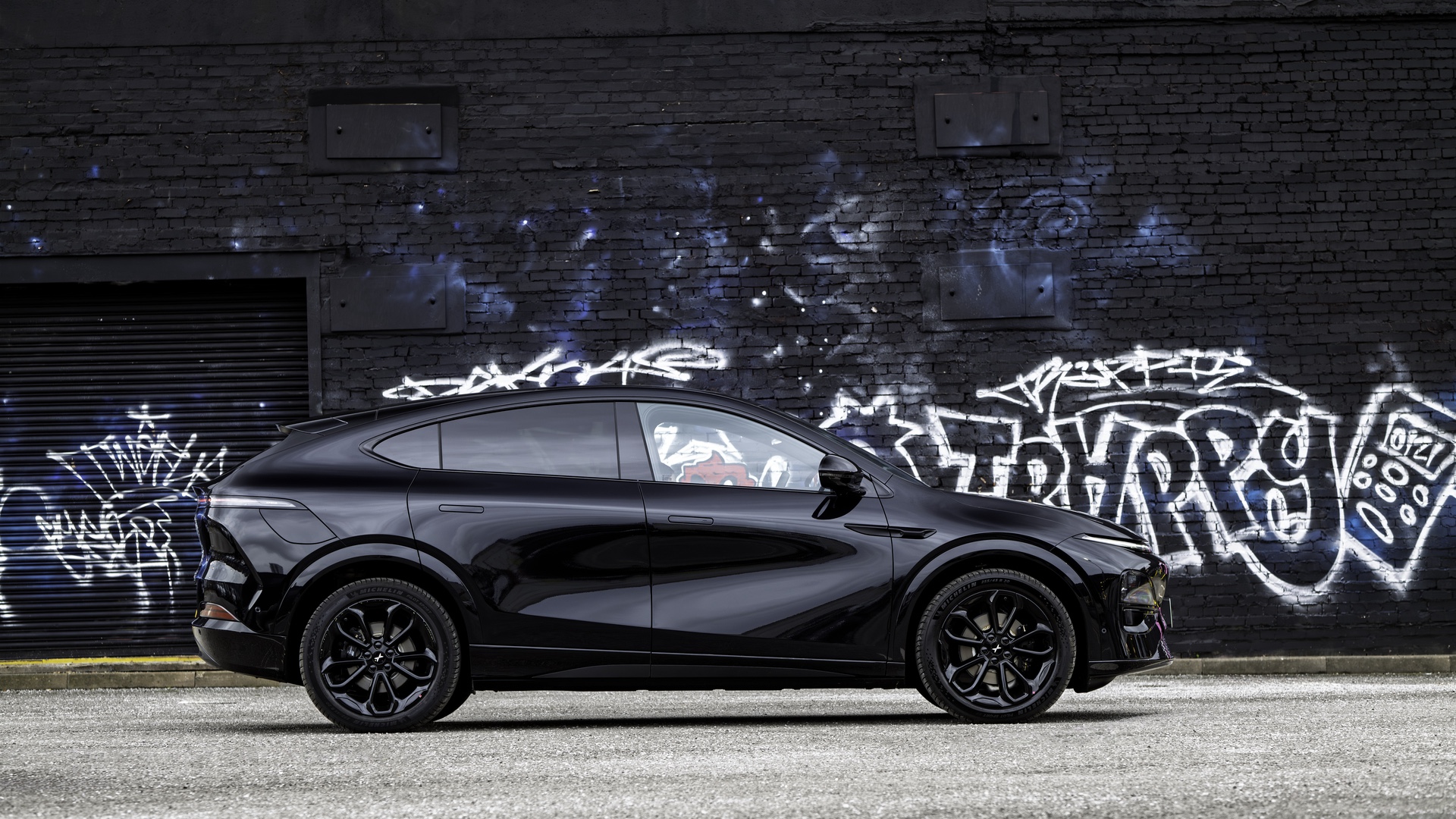
Yet, there are persistent challenges. The steering remains remarkably detached; even when the weight is adjusted through the central touchscreen, it often feels artificial rather than engaging. Furthermore, the Advanced Driver Assistance Systems (ADAS) continue to exhibit the "jerky" behavior common in early-stage software-defined vehicles. The lane-keeping assist is overly aggressive, and the automated parking features—while capable of identifying a spot quickly—lack the finesse and confidence-inspiring execution found in more mature systems.
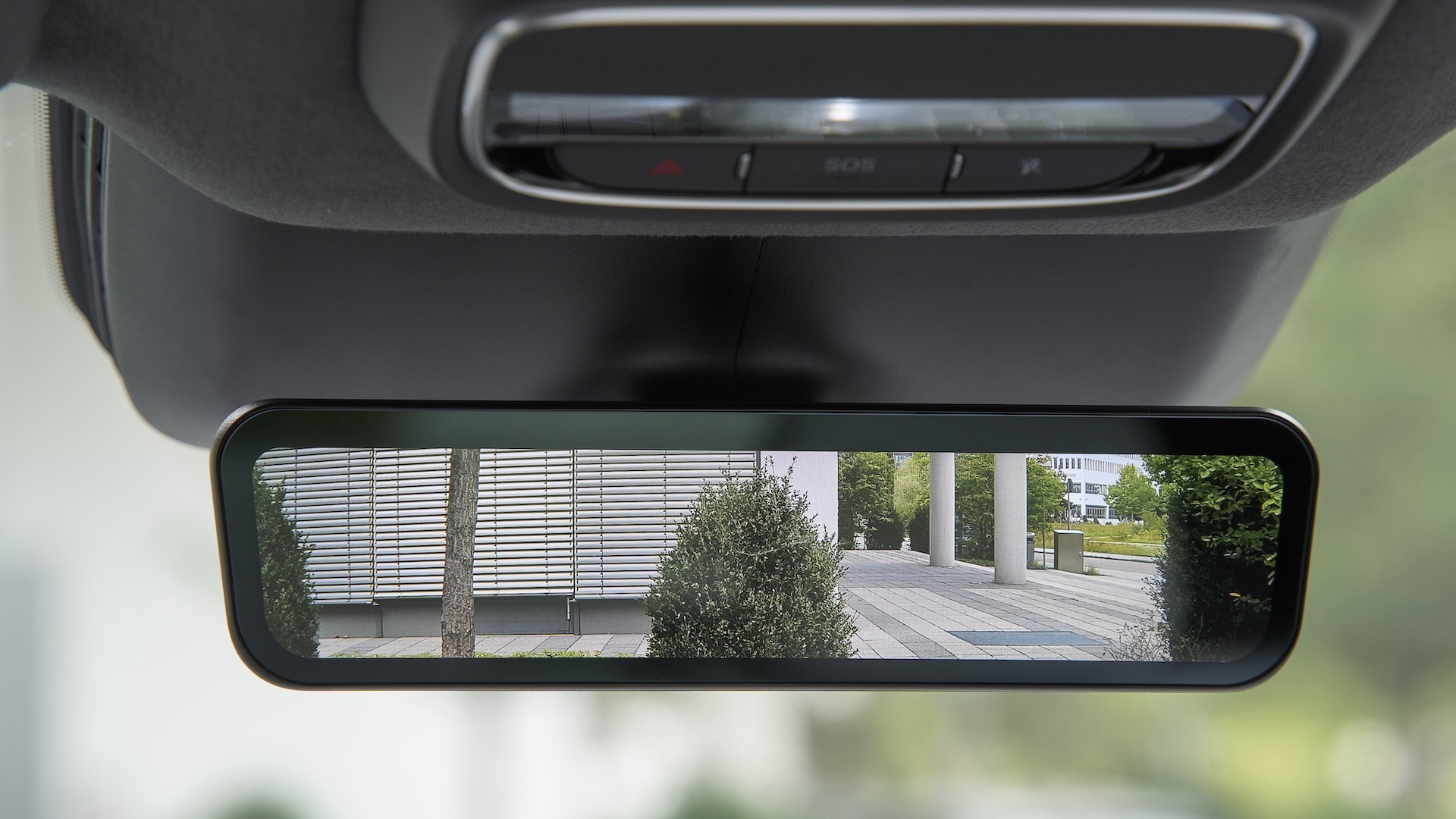
Perhaps most frustrating is the reliance on voice commands for basic adjustments. During testing, the "Hey Xpeng" assistant struggled to recognize simple phrases like "wing mirror," necessitating multiple attempts to navigate to the correct menu. It serves as a reminder that even the most advanced tech can become a distraction if it ignores the fundamental ergonomics of driving.
Implications for the Global EV Market
The emergence of the updated Xpeng G6 carries significant implications for the global automotive landscape. First, it confirms that Chinese manufacturers are not just competing on price; they are competing on the speed of innovation. By shortening the feedback-to-refinement loop, companies like Xpeng are putting immense pressure on legacy automakers who are still struggling to pivot their R&D departments.
Second, the G6 highlights the "Tesla effect." Many of the G6’s features—from the minimalist cabin to the reliance on over-the-air updates and the focus on charging speed—are direct responses to the Tesla blueprint. Xpeng is effectively telling the market that they can provide the "Tesla experience" without the baggage of Elon Musk’s public image, and at a potentially more competitive price point.
However, the G6 also illustrates the inherent risks of this strategy. By prioritizing rapid tech updates and generic, minimalist design, the company risks creating a product that feels disposable rather than aspirational. Without a unique brand story or a proprietary charging network—a key advantage that Tesla still holds—the G6 must win solely on the merit of its hardware and software.
Conclusion: A Competent Contender, But Not a Crown-Stealer
The updated Xpeng G6 is an impressive achievement in engineering, particularly given the lightning-fast timeframe of its development. It is a more capable, more comfortable, and more efficient vehicle than its predecessor. For the consumer looking for a high-performance, rapid-charging, and spacious SUV, the G6 is a formidable choice.
However, it remains a product that favors logic over emotion. It is a car that works perfectly on paper but leaves the driver feeling slightly detached. As Xpeng continues its expansion into Europe, the question will not be whether they can build a better car than the competition, but whether they can build one that people truly want to own. For now, the G6 is a clear, albeit generic, sign that the era of the Chinese-led "tech-car" has officially arrived, and it is moving faster than anyone anticipated.












No comments yet. Be the first to join the conversation!