Asro
Asro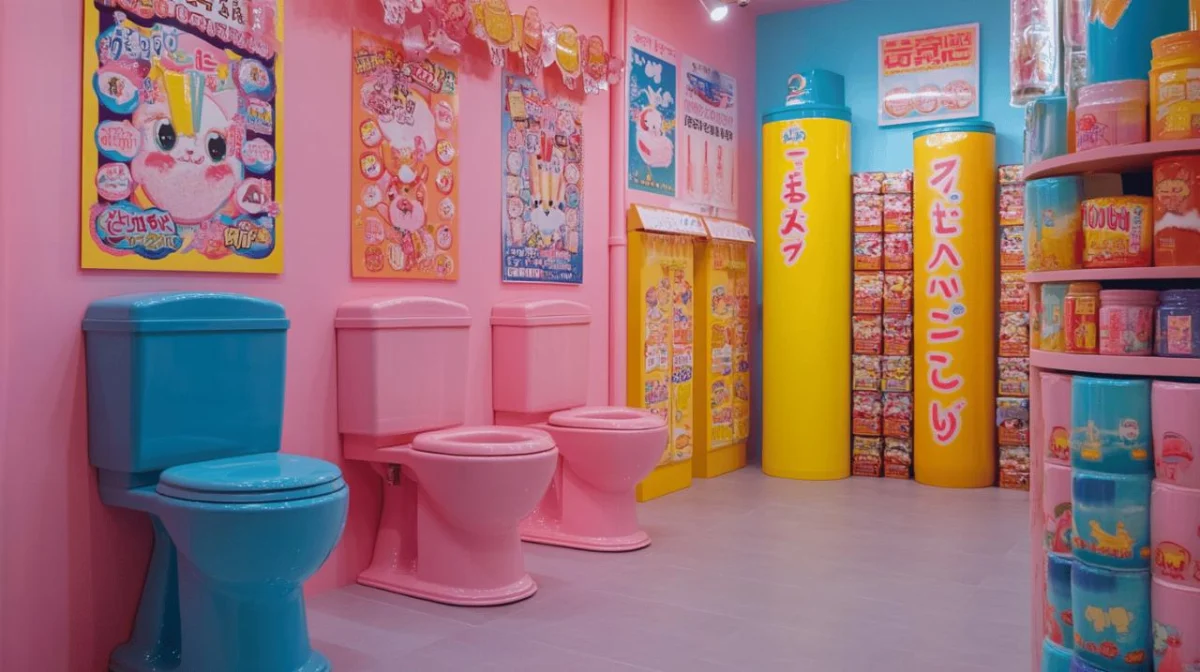
The global confectionery market is often defined by tradition, flavor profiles, and seasonal trends. However, in the neon-lit aisles of Japanese convenience stores, a different philosophy prevails—one where playfulness, absurdity, and innovation collide. At the heart of this creative movement stands the "Moko Moko Mokoletto," a DIY candy kit that captured the world’s imagination by transforming the most mundane of household objects—the toilet—into a centerpiece of interactive culinary fun.
Since its debut in 2013, the Moko Moko Mokoletto has evolved from a niche novelty item into a cultural icon of the "Kawaii" and "WTF" Japanese food trends. This article explores the origins, the mechanics of its meteoric rise, and the deeper implications of a product that successfully turned the act of eating into a social performance.
The Genesis of a Culinary Curio
The Intersection of Play and Gastronomy
To understand the Moko Moko Mokoletto, one must first understand the Japanese concept of dagashi (cheap, nostalgic sweets) and the broader culture of shokugan (food toys). The Mokoletto kit is not merely a sweet; it is an engineering challenge. Sold in flat-packed boxes, the kit requires the consumer to assemble a miniature, plastic toilet, complete with a cistern, a lid, and a basin.
The "magic" occurs when the user adds water to a sachet of specialized powder. Upon mixing, the concoction undergoes an effervescent reaction, bubbling over the brim of the miniature bowl in a thick, sweet foam. This process mimics the sensory experience of a science experiment, effectively blurring the lines between a toy, a prank, and a dessert.
A Departure from Conventional Confectionery
Traditional candy manufacturers focus on texture, shelf-life, and flavor intensity. The creators of the Mokoletto, however, prioritized the "user journey." By forcing the consumer to build the vessel and perform a chemical reaction, the brand elevated the candy from a passive snack to an active event. This approach represents a broader Japanese design philosophy where the object itself is secondary to the experience it facilitates.
A Chronology of a Viral Sensation
2013: The Launch and Local Reception
The Moko Moko Mokoletto launched in Japan in 2013, initially targeted at children and teenagers. It was met with immediate, polarized curiosity. While some critics questioned the hygiene aesthetic of the design, the Japanese public—well-versed in avant-garde and eccentric pop culture—embraced it as a humorous, harmless novelty. It became an instant hit in schoolyards and among collectors of "strange" Japanese goods.
2014: The Western Digital Explosion
By 2014, the product crossed the Pacific and reached European markets, fueled by the rising tide of J-culture enthusiasts. This was the era when early YouTube influencers and specialized blogs—such as "La Banane qui Parle" and "Un Loulou et une Poupette"—began documenting the "unboxing and eating" process. These early adopters were crucial; they provided the cultural context that Western viewers needed to understand that the product was meant to be funny, not offensive.
2015–Present: The "WTF" Status and Cultural Integration
Over the last decade, the Mokoletto has cemented its status as a "cult classic." It is frequently cited in lists of the "weirdest snacks in the world," yet its longevity proves it is more than a flash in the pan. It has successfully moved from being an obscure import to a staple of global "geek culture" gift shops.
Supporting Data and Consumer Trends
The Power of the "Shareable" Experience
The success of the Moko Moko Mokoletto cannot be decoupled from the rise of social media. The product is tailor-made for the visual medium:
- Performance Art: The assembly and the bubbling reaction are highly photogenic and shareable on platforms like Instagram and TikTok.
- Data-Driven Engagement: Blogs such as La Banane qui Parle reported significant traffic spikes—with individual articles regarding the candy attracting over 6,500 visitors—proving that the "gross-out" factor is a powerful driver of digital engagement.
- Community Building: Online forums and "Fantaisyland" style categories on blogs created a space for fans to exchange tips on how to perfect the foam consistency, effectively building a community around a disposable toy.
Marketing Through Diversity
The brand’s strategy of releasing different, collectible models of the toilet has encouraged repeat purchases. By varying the colors and the "accessory" packs (such as different flavor powders), the manufacturers ensured that once a consumer had experienced the initial surprise, they were incentivized to continue collecting, effectively turning a one-time gimmick into a long-term line of products.
Official Responses and Industry Reception
How the Industry Viewed the "Toilet Candy"
The confectionery industry, initially skeptical, eventually began to view the Mokoletto as a masterclass in guerrilla marketing. Rather than spending millions on traditional advertising, the creators relied on the product’s inherent "shareability."
Industry experts have noted that the product fits into the "experiential retail" category. Even major Japanese confectionery houses took note, recognizing that the younger demographic was no longer satisfied with just flavor; they demanded "content." The Mokoletto provided that content for free, as consumers did the marketing work themselves by posting their reactions to social media.
Addressing the "Gross-Out" Criticism
When the product first appeared in Western markets, some parents and food critics expressed concerns regarding the design’s proximity to bathroom humor. However, the manufacturer’s response was consistently rooted in the idea of "playfulness." By framing the product as a "DIY kit" rather than a "food item," they successfully insulated themselves from standard food safety branding critiques, positioning the toilet as a vessel rather than a representative of waste.
The Broader Implications of Eccentric Innovation
The Future of "Edutainment" Sweets
The Moko Moko Mokoletto serves as a case study for the future of the food industry. We are seeing a shift toward "edutainment" in the snack aisle. From DIY sushi kits to gummy-making laboratories, consumers are increasingly choosing products that offer a "doing" component. The success of the Mokoletto proved that there is a massive, untapped market for food that defies conventions and challenges the boundaries of what is considered "appropriate" for consumption.
The Globalization of Niche Japanese Trends
The global success of this product also highlights the reach of Japanese "soft power." Japanese pop culture, characterized by its willingness to explore the absurd, has become a global export. The Mokoletto is a perfect ambassador for this: it is harmless, visually striking, and intellectually intriguing in its departure from Western food norms.
Conclusion: A Legacy of Laughter
The Moko Moko Mokoletto is more than just a piece of plastic and some acidulated powder. It is a testament to the fact that, in a world dominated by mass-produced, predictable goods, there is an insatiable appetite for the unexpected. By turning a toilet into a toy, the Japanese confectionery industry didn’t just sell a sweet—they sold a moment of shared, digital, and physical laughter. As we look toward the future of snacks, we can expect to see more products that prioritize the "experience" over the "content," proving that sometimes, the most successful innovations are the ones that don’t take themselves too seriously.


 Siti Muinah
 Azzam Bilal Chamdy