Reynand Wu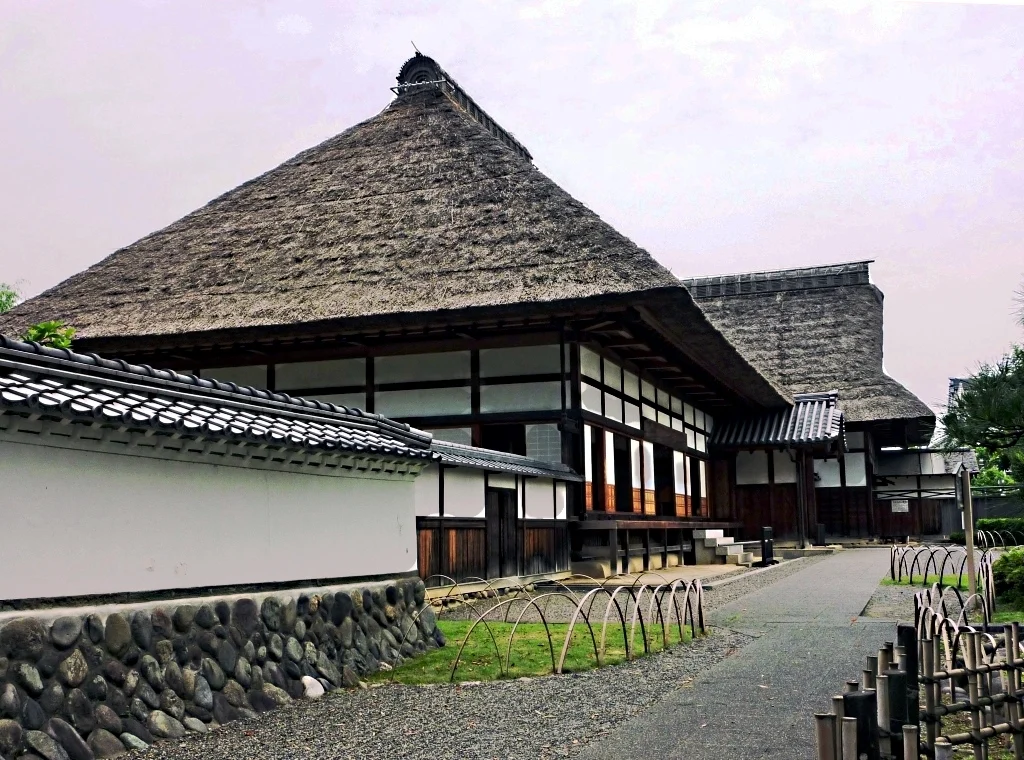
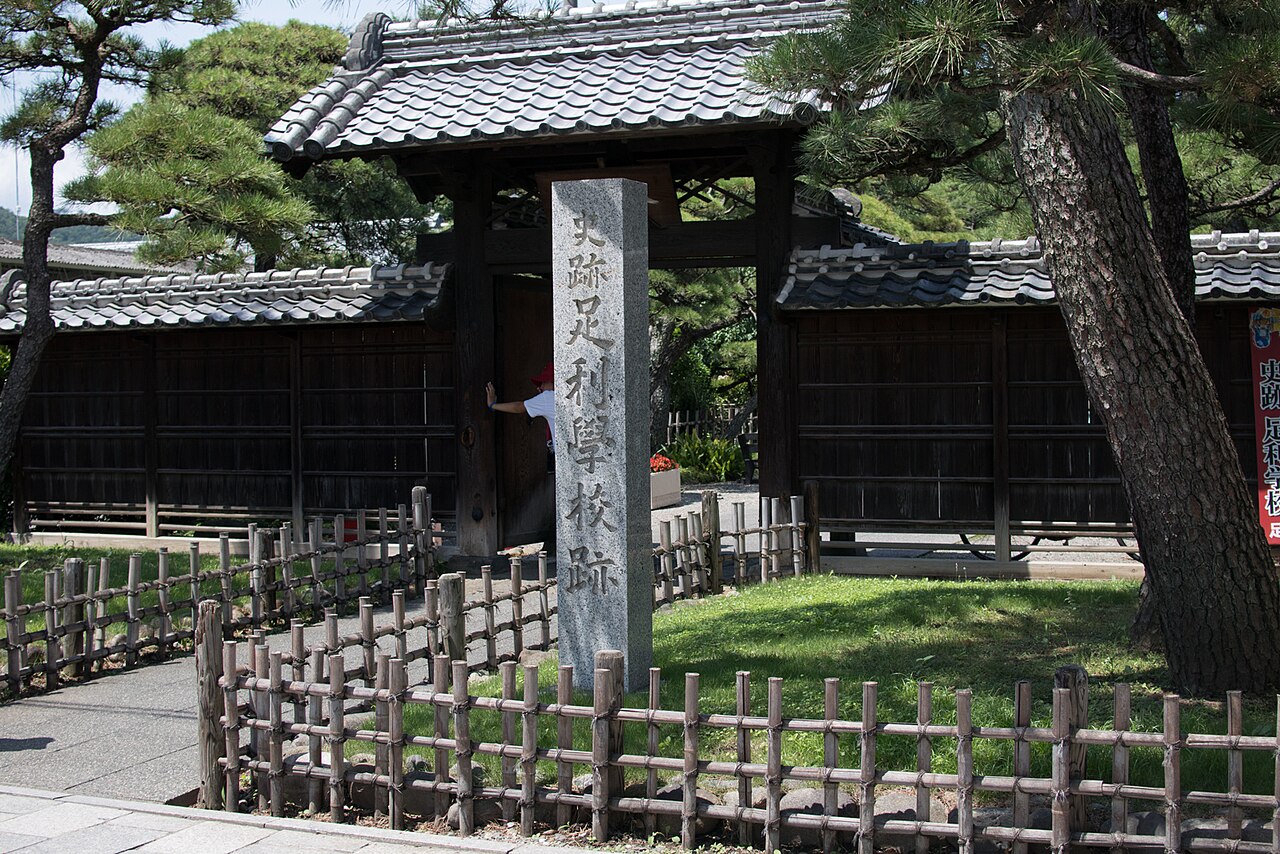
Deep in the heart of Tochigi Prefecture, tucked away from the frantic neon pulse of Tokyo and the heavily trodden tourist paths of Nikko, lies a site of profound historical weight. Ashikaga Gakko (足利学校) stands not merely as a collection of wooden structures, but as a testament to the longevity of the Japanese intellectual spirit. Recognized as the oldest standing academic institution in Japan, this site has maintained a continuous educational legacy that predates the world’s most prestigious universities in Europe, including Oxford, Bologna, and Cambridge.
For the uninitiated traveler, the quiet, immaculately preserved grounds might appear to be just another tranquil temple compound. However, for scholars of East Asian history, Confucian philosophy, and medieval pedagogy, Ashikaga Gakko represents the bedrock of Japanese classical education.
Main Facts: A Legacy Older Than the Ivory Tower
The origins of Ashikaga Gakko are shrouded in the mists of the early Heian period, with documentary evidence pointing to a founding date between 839 and 842 CE. While the precise identity of its founder remains a subject of spirited academic debate—with traditional accounts citing either the scholar-poet Ono no Takamura or Prince Shimotsuke—the institution’s endurance is undisputed.
By the mid-16th century, the academy reached its zenith. At a time when Europe was emerging from the medieval period, Ashikaga Gakko boasted a student body of 3,000, supported by the most comprehensive library of Confucian classics in the nation. Its reputation was so formidable that in 1549, the Jesuit missionary Francis Xavier, during his efforts to evangelize Japan, famously described it in a letter to Rome as “the largest and most famous academy in Eastern Japan.”
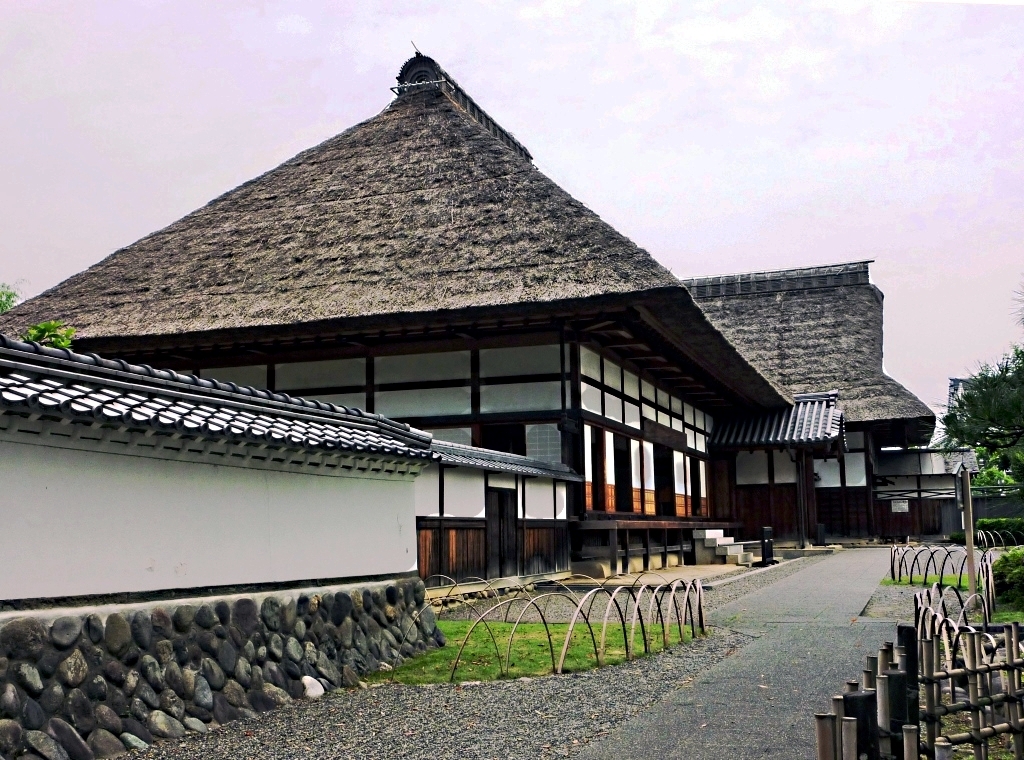
Today, the site is a meticulously restored reflection of its Edo-period architecture. Following a decade of intensive archaeological research and textual analysis, the current layout was completed in 1990, serving as a rare, authentic window into the physical environment where Japan’s elite thinkers once sharpened their minds.
Chronology: From Heian Origins to Modern Restoration
To understand the significance of Ashikaga Gakko, one must view its history as a series of revivals and transformations.
The Early Centuries (9th–14th Century)
During the late Heian and Kamakura periods, the school faced a gradual decline. It remained a provincial center of learning, but its influence was localized. It was not until 1432 that the school experienced a major renaissance. Uesugi Norizane, the influential lord of Shimotsuke Province, recognized the potential of the academy. He invited Zen scholar-monks from the prestigious Engaku-ji in Kamakura to oversee the curriculum, effectively bridging the gap between spiritual practice and academic rigor. Norizane donated his personal collection of Song Dynasty Confucian texts, providing the school with the intellectual capital that would eventually make it the intellectual center of the nation.
The Golden Age (15th–16th Century)
Under the patronage of the Hojo clan of Odawara, the school flourished. The curriculum was strictly defined, focusing on the Four Books and Five Classics of Confucianism, the I Ching (Book of Changes), military strategy, and traditional Chinese medicine. Notably, the school maintained a clear distinction between secular academic study and Buddhist theology; while the teachers were often Zen monks, the classroom was a place for Confucian, not sectarian, discourse.
Post-Meiji and the Modern Era
The Meiji Restoration of 1868 brought a seismic shift to Japanese society. As the nation modernized and sought to align itself with Western education models, the Confucian academic system was abolished. Ashikaga Gakko closed its doors, and its precious library collection was dispersed, with many volumes finding their way into the archives of the Tokyo National Museum and the Uesugi family holdings.
It was not until 1928 that the site was granted status as a National Historic Site. The subsequent 1990 restoration, which painstakingly reconstructed the Edo-period layout using historical joinery techniques, ensures that the site remains a living laboratory for architectural and educational history.
Supporting Data: Why Ashikaga Matters
The significance of the site is backed by its physical and institutional continuity. The compound covers approximately 8,000 square meters, organized around a series of halls that dictate the flow of the student experience.
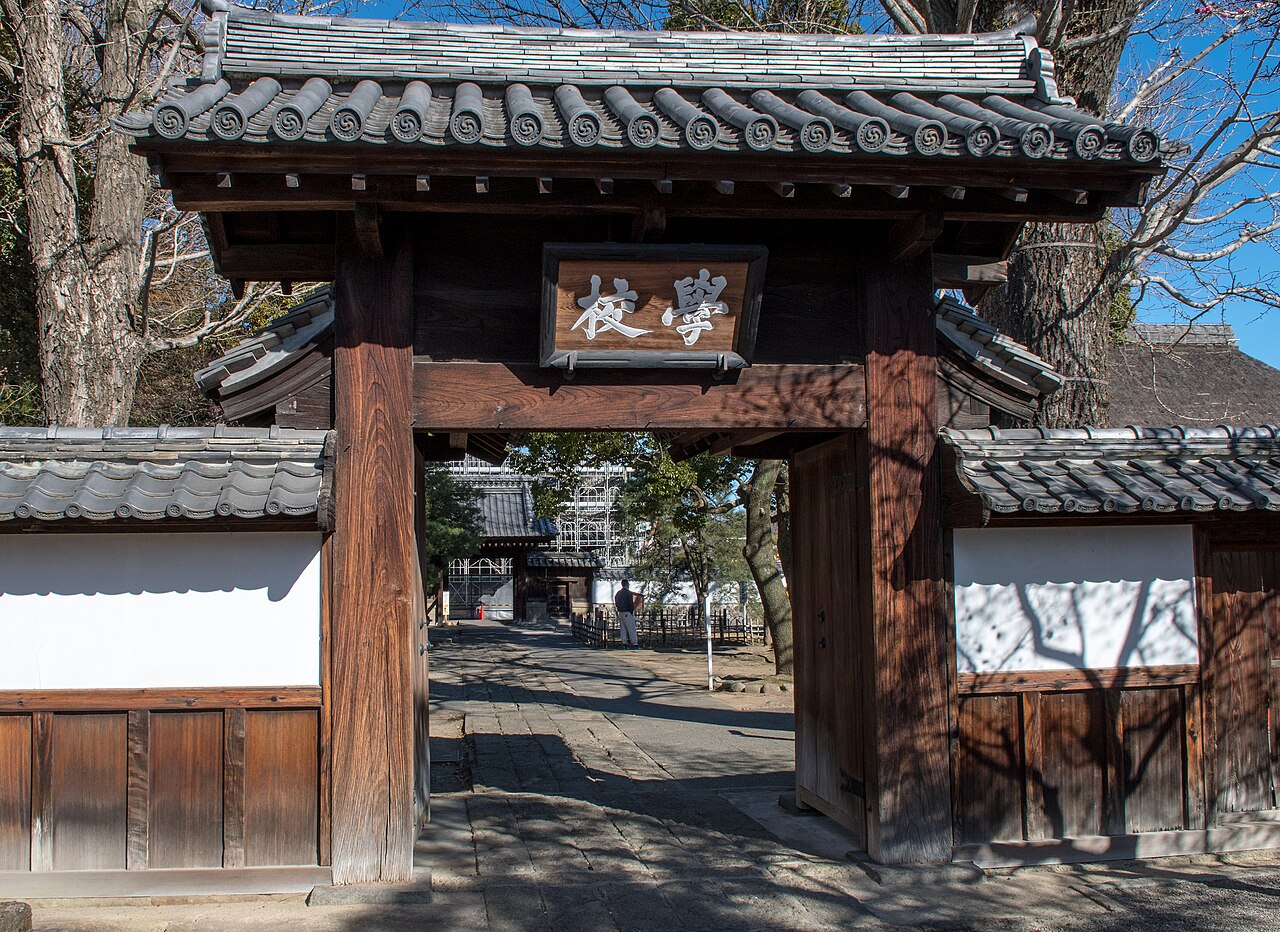
- The Nyutoku-mon (Entering Virtue Gate): This outer gate served as the threshold where students were required to bow, symbolizing the humility required for academic pursuit.
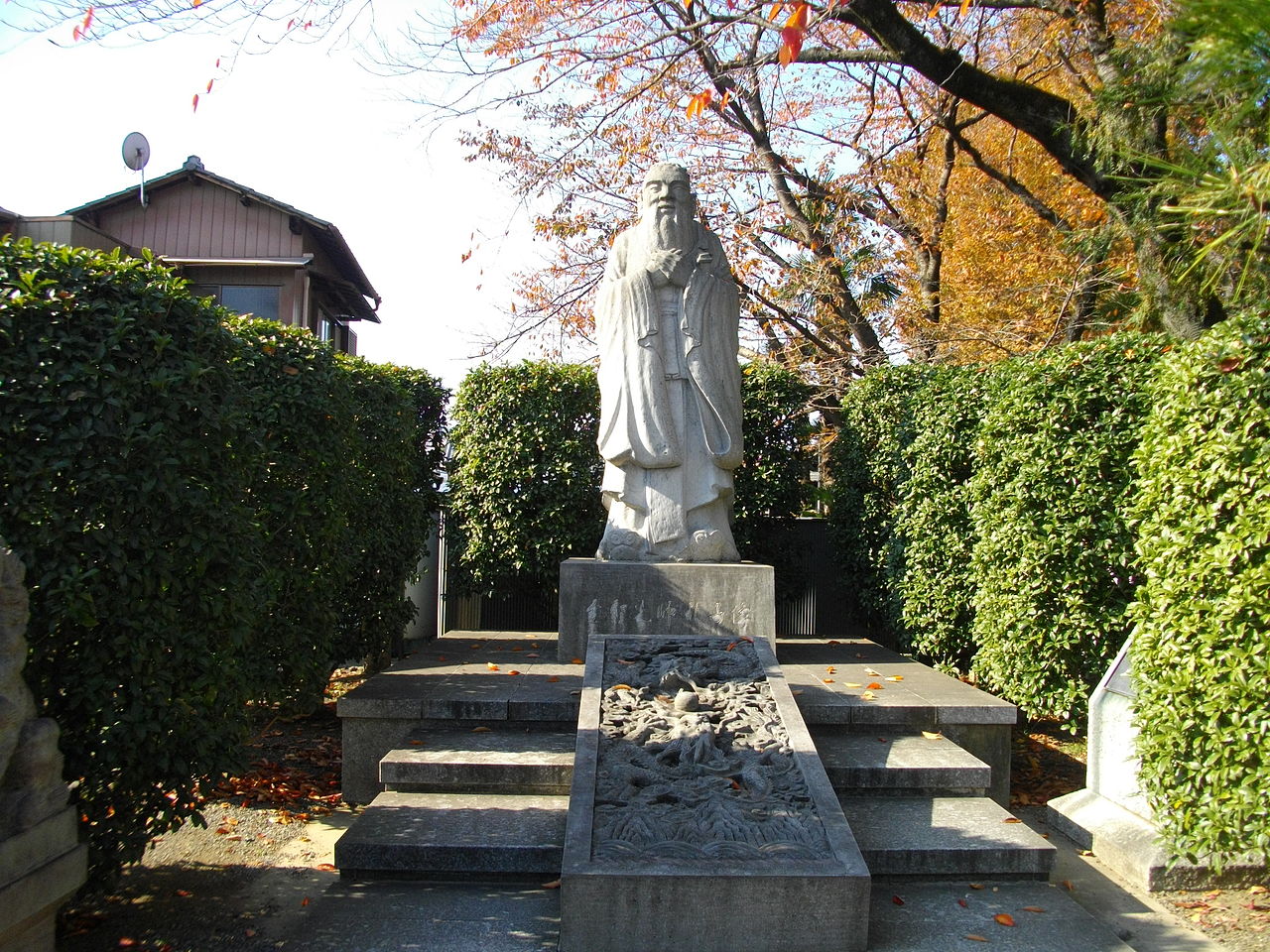
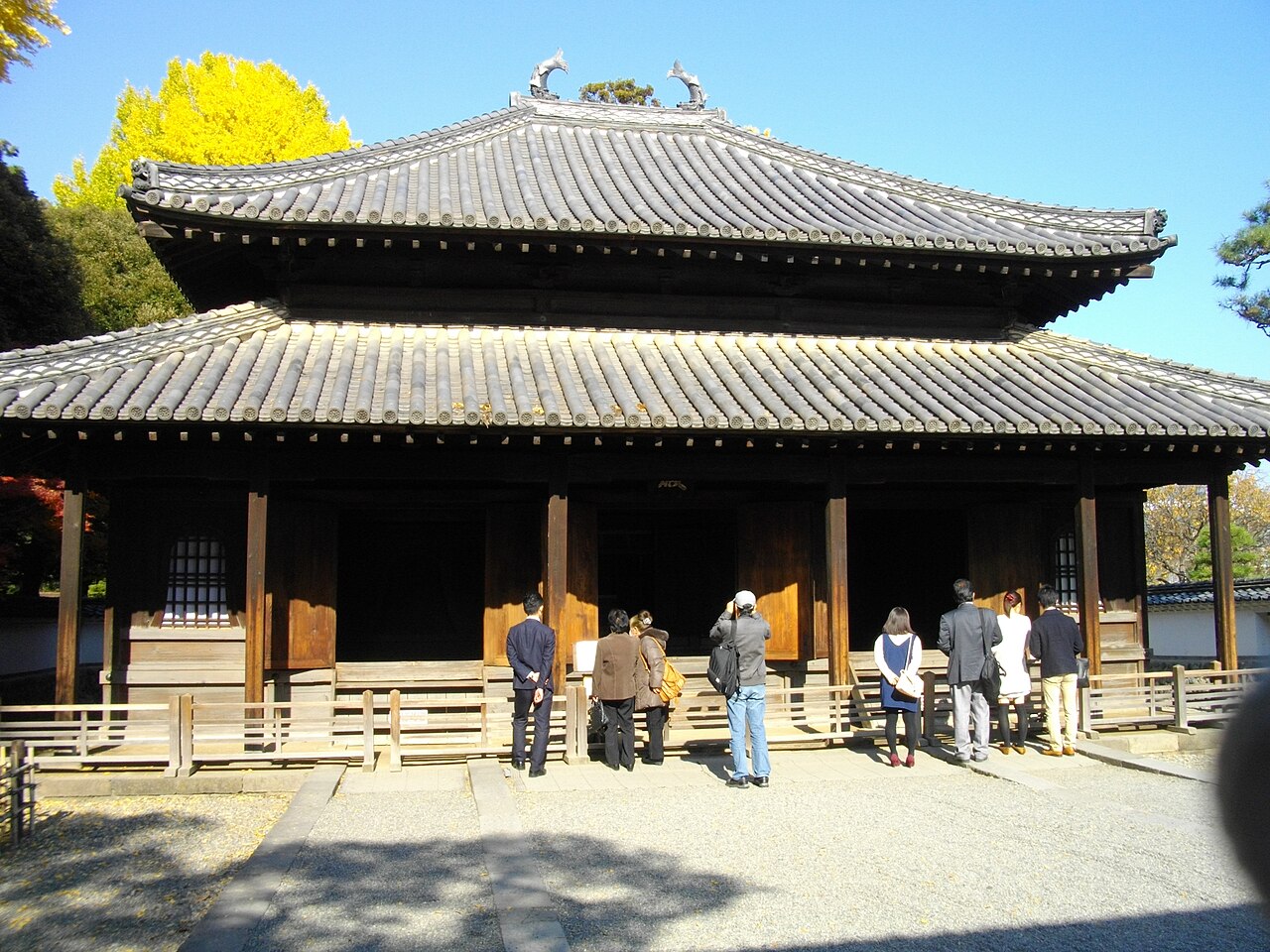
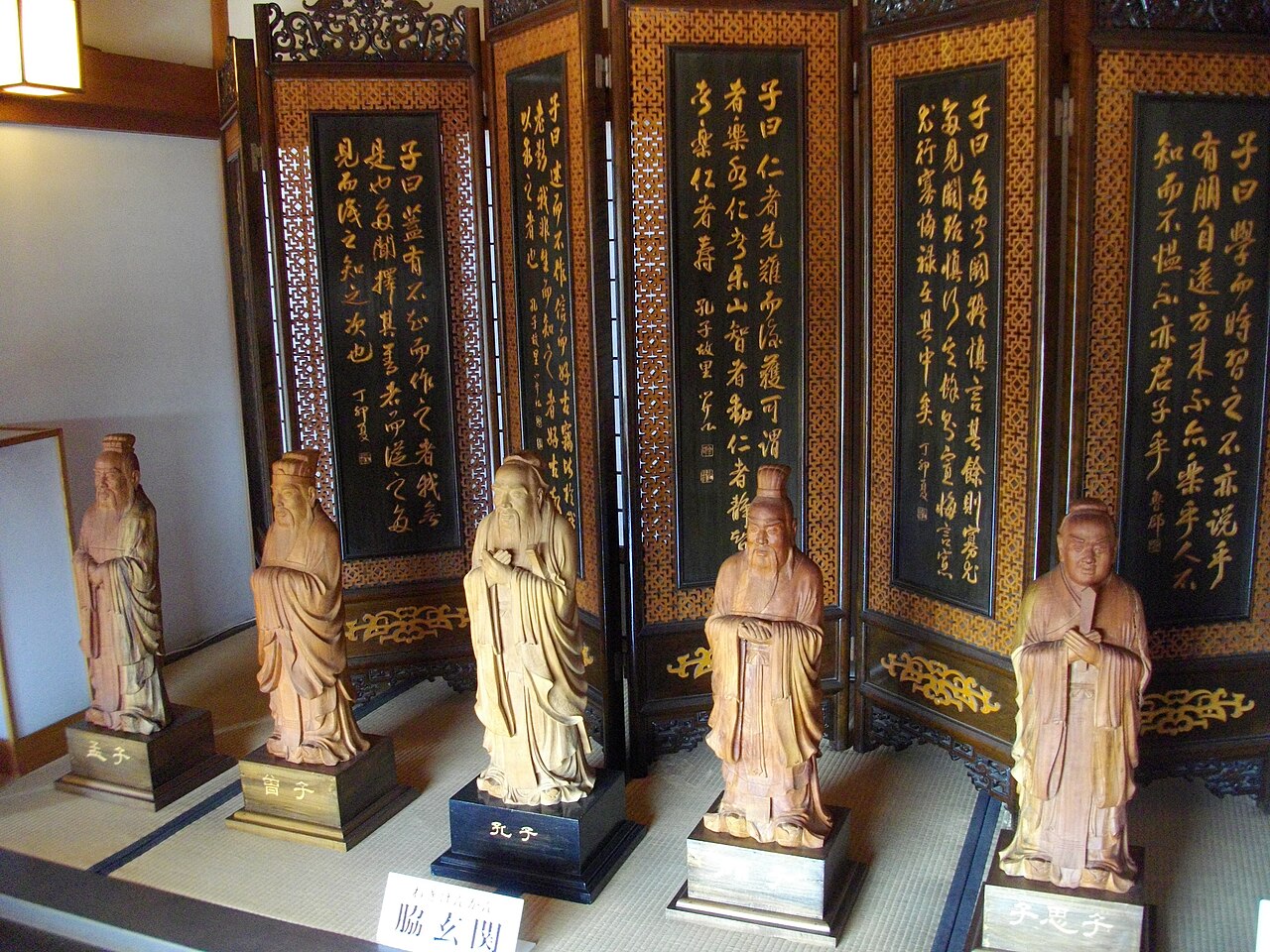
- The Koshibyo (Confucian Temple): This remains the only active Confucian ceremonial hall in Japan that continues to perform the original sekiten rites. The 16th-century statue of Confucius housed here is one of the oldest in the country.
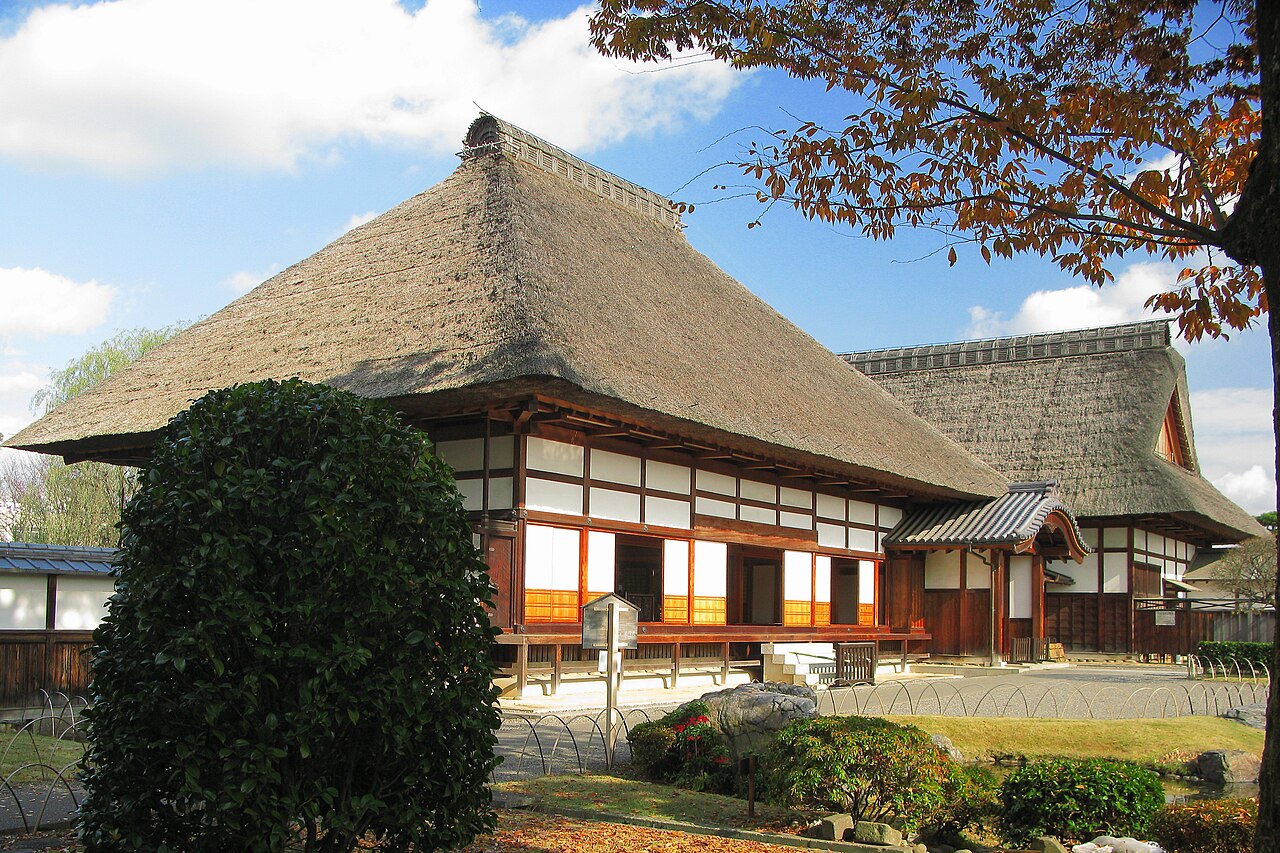
- The Hojo (Residence and Teaching Hall): Visitors can step onto the tatami mats where the shoshi (head teacher) lived and taught. The arrangement of the rooms provides a direct look into the 17th-century Zen-Confucian lifestyle.
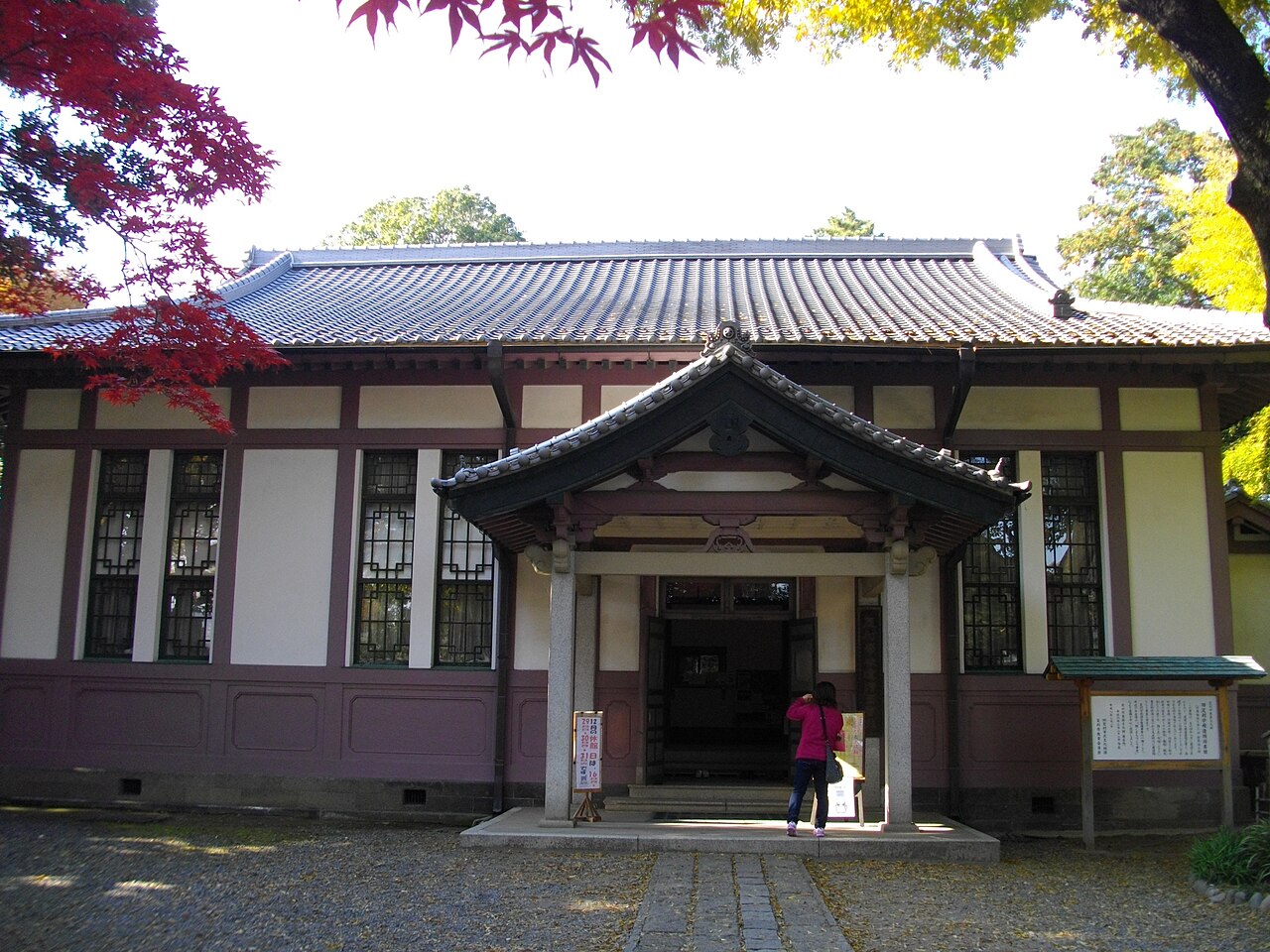
- The Library Wing: While the original manuscripts are now safely preserved in national institutions, the site’s facsimile collection offers a visceral understanding of the materials that formed the backbone of the Japanese intelligentsia.
Furthermore, the school’s commitment to continuity is exemplified by its Sunday read-aloud sessions of the Analects of Confucius. These sessions, held from April to July and September to November, invite the public to engage with the text exactly as students did centuries ago—focusing on rhythm, pronunciation, and philosophical resonance.
Official Responses and Preservation Efforts
The Japanese academic and cultural community treats Ashikaga Gakko with a level of reverence that underscores its status as a pillar of national identity. Government-led efforts have focused on balancing the preservation of fragile wooden structures with the need for accessibility.
Local authorities in Ashikaga have integrated the school into a "cultural triangle," encouraging visitors to view it in tandem with the nearby Banna-ji temple—the Ashikaga clan’s 1196 family temple. This synergy is designed to preserve the broader context of the region’s history, preventing the site from becoming an isolated, forgotten artifact. The rigorous adherence to Edo-period architectural plans during the 1990 restoration was not merely an aesthetic choice; it was a scholarly endeavor to reconstruct a specific, documented moment in time.
Implications: A Pilgrimage for the Humanists
For the contemporary traveler, the implication of visiting Ashikaga Gakko is clear: it challenges the narrative that Japan’s intellectual history began with Western contact. By maintaining an institution that predates the medieval European university, Japan demonstrates a deep-seated commitment to structured, formal learning that stretches back over a millennium.
The Educational Value
For educators and students of the humanities, Ashikaga Gakko is a pilgrimage-worthy site. It offers a unique opportunity to observe the intersection of statecraft, religion, and philosophy. Unlike the grand, tourist-heavy temples of Kyoto, this site offers a quiet, contemplative atmosphere conducive to deep study.
Tourism and Accessibility
While the site is not as "high-traffic" as other Japanese attractions, its accessibility is excellent. Located just 75–90 minutes from central Tokyo, it is an ideal day trip for those who value quiet reflection over bustling tourist hotspots. Whether traveling via the JR line to Oyama or the Tobu line to Ashikagashi, the journey itself is a reminder of how integrated these historical sites remain in the modern Japanese landscape.
Seasonal Significance
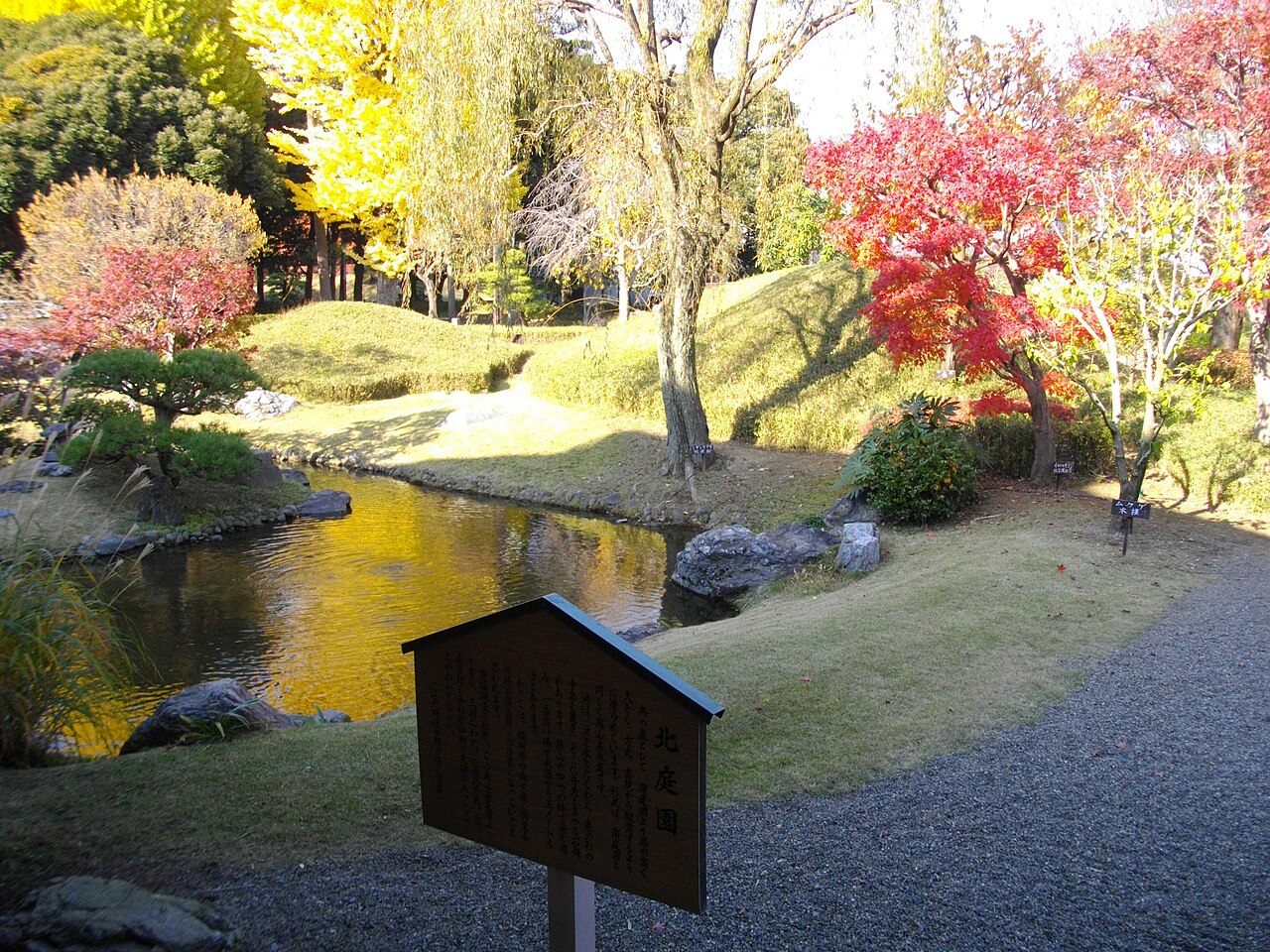
For the photographer and the nature lover, the site is at its most profound during the autumn months. The Northern Garden, designed according to the strict, minimalist aesthetic of the early Edo period, becomes a tapestry of red and gold maples from late October to early November. The geometry of the rock garden, framed by the traditional wooden architecture, creates an experience that is as much about the beauty of nature as it is about the history of the mind.
Conclusion: Is It Worth the Trip?
The question of whether Ashikaga Gakko is "worth it" depends entirely on the traveler’s intent. For the general tourist, it is a modest, elegant addition to a trip through Tochigi. For the history buff, the classicist, or the educator, it is an essential, peerless destination.
It remains a place where one can stand in the quiet of a garden, hear the faint echo of ancient Chinese chants, and appreciate the resilience of an institution that has survived wars, political shifts, and the relentless march of modernity. Ashikaga Gakko does not demand attention; it simply waits, offering its 1,200 years of wisdom to those who are patient enough to listen.


 Neng Nana
 Asro
Asro