Rifan Muazin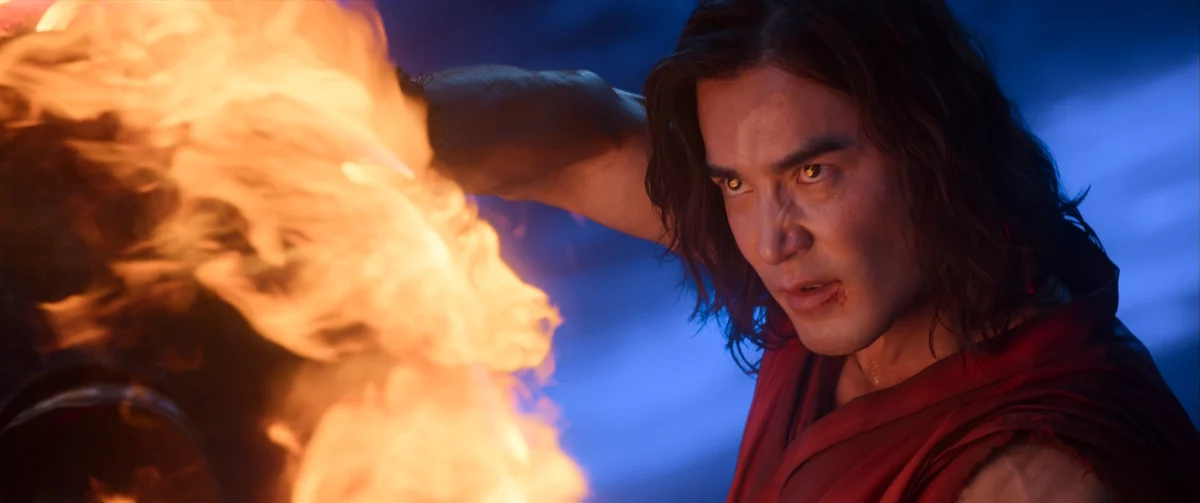
The 2021 reboot of Mortal Kombat served as a foundational entry, setting the stage for a new generation of cinematic martial arts. However, it faced one glaring criticism from die-hard fans: it lacked the tournament itself. Director Simon McQuoid and screenwriter Jeremy Slater have taken that feedback to heart. Mortal Kombat II is not merely a sequel; it is a full-throttle, bone-crunching realization of the franchise’s potential, packing the screen with the high-stakes, one-on-one skirmishes that define the legendary Sega Genesis and arcade experiences.
Yet, in the spirit of the franchise, not every match is created equal. While some fights achieve the status of a "Flawless Victory," others feel more like a "Babality." Below, we break down the pivotal one-on-one showdowns of the film, examining how they push the boundaries of modern action cinema.
The Evolution of the Tournament: Context and Stakes
To understand the weight of these battles, one must recognize the narrative shift. Mortal Kombat II reasserts Liu Kang as the central protagonist, grounding the chaos of interdimensional politics in a personal journey of redemption and duty. The film effectively moves past the "audience surrogate" phase, leaning heavily into the lore that fans have cherished for decades.
By stripping away the sprawling, messy ensemble battles of the first film, the sequel focuses on the "tournament" structure—a series of isolated, high-intensity duels that force characters to confront their flaws, their histories, and their mortality.

Chronology of Combat: Ranking the Bouts
8. Kitana vs. Johnny Cage
While Adeline Rudolph brings a regal, steely conviction to the role of Kitana, this opening skirmish suffers from its tonal inconsistency. The fight serves primarily as a vehicle for Karl Urban’s Johnny Cage, capturing the actor’s comedic ineptitude as he stumbles through his first encounter with supernatural threats. While seeing Kitana utilize her signature fan blades to scale architecture is a visual treat, the scene prioritizes "Hollywood fish-out-of-water" humor over the visceral intensity required of a Mortal Kombat match. It is a fun, lighthearted romp, but it lacks the weight of a true tournament fight.
7. Kitana vs. Shao Kahn
The film’s climax presents a difficult challenge: how to balance a massive, multi-threaded finale with a satisfying final duel. While the showdown between Kitana and the Emperor of Outworld features a spectacular "Fan Opener" fatality—leaving the villain’s brain matter exposed in a gruesome display of practical effects—it feels somewhat perfunctory. The narrative is pulled in too many directions, forced to pivot between Kitana’s vengeance and Johnny Cage’s quest to destroy Shinnok’s amulet. It is a spectacle, certainly, but one that feels rushed in the shadow of the film’s larger objectives.
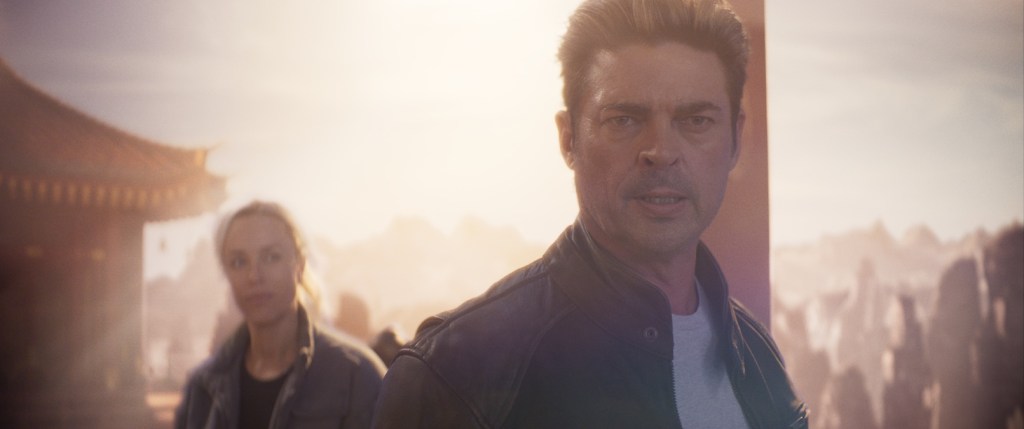
6. Shao Kahn vs. Liu Kang
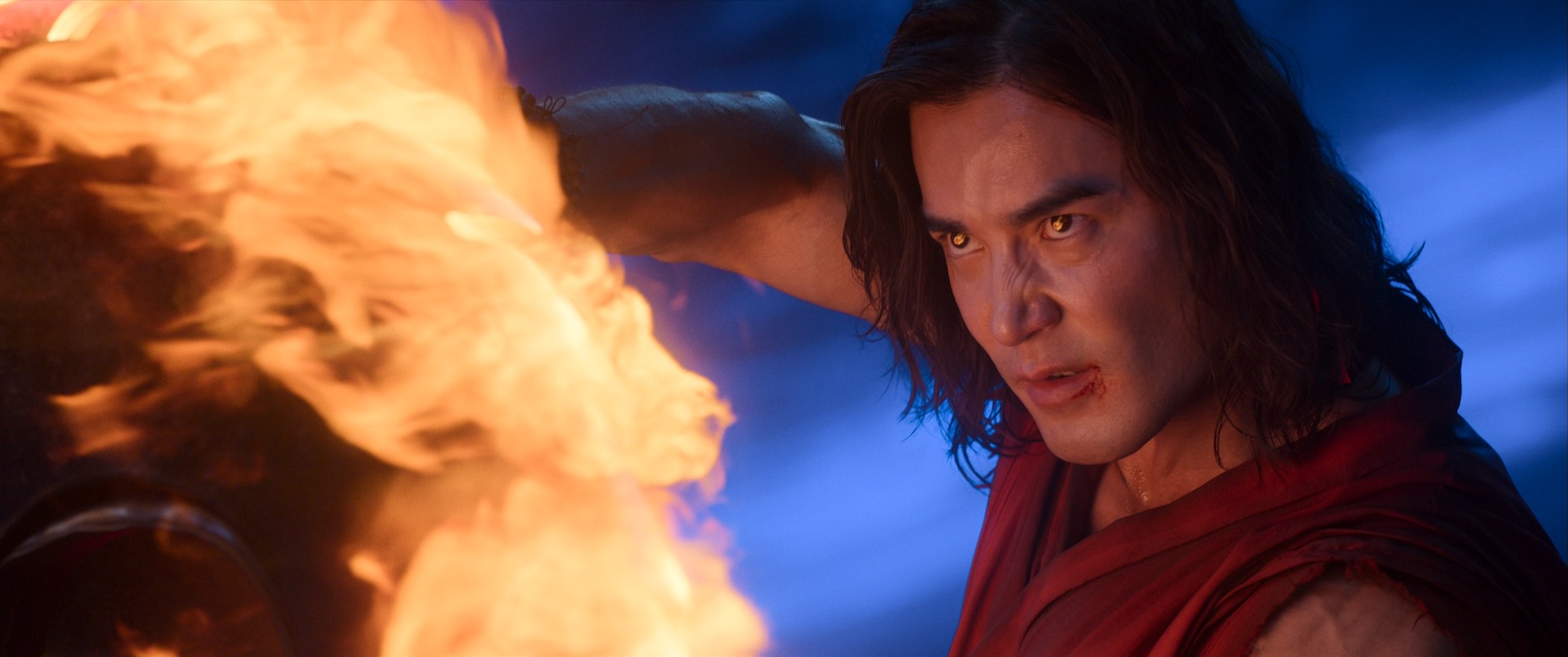
Liu Kang’s confrontation with the immortal Shao Kahn is the emotional anchor of the film’s final act. Watching Liu Kang unleash dual fire dragons in an attempt to vaporize the Emperor is a highlight of the movie’s visual effects department. The fight is intense, featuring a desperate, gritty physicality. However, the conclusion—which leaves the outcome ambiguous to tease a potential third entry—undercuts the satisfaction of the brawl. It is a masterclass in tension, even if the ending leaves the audience wanting a more definitive resolution.
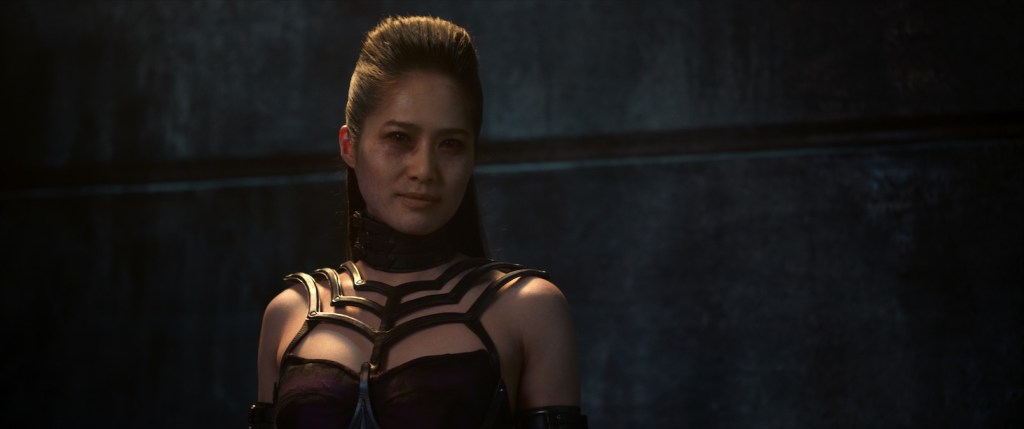
5. Sonya Blade vs. Sindel
This is where the film finds its rhythm. Jessica McNamee’s performance as Sonya Blade reaches a fever pitch here. Having spent the first film in a supporting, non-combatant role, this was the audience’s long-awaited "payoff" for the character. The choreography is inventive, utilizing the environmental hazards—specifically the spikes emerging from the arena floor—to mirror the game’s stage hazards. The final fatality, which sees Sonya impale Sindel on a spike and watch the light fade from her eyes, is perhaps the film’s most "gnarly" moment. It is a brutal, cold, and entirely earned victory.
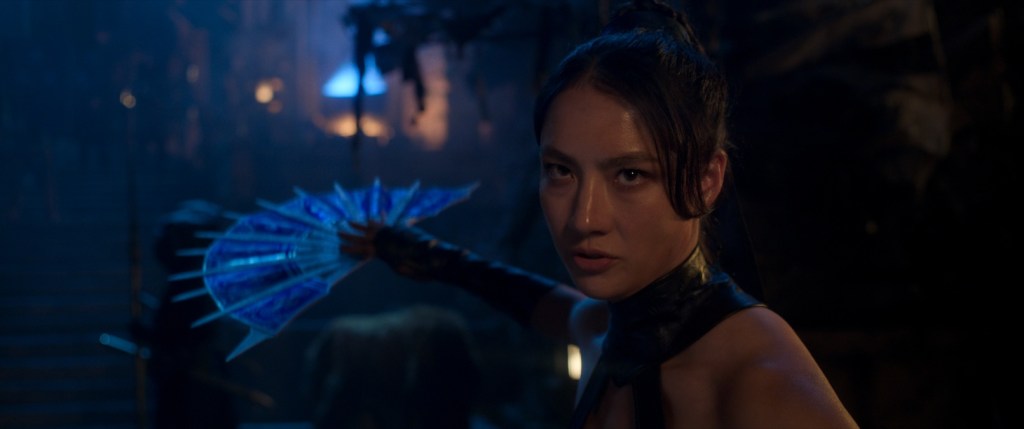
4. Johnny Cage vs. Baraka
This pairing is a surprise triumph. While many feared that Johnny Cage’s humor would ruin the tension of a fight against the monstrous Tarkatan, the chemistry between the two is undeniable. CJ Bloomfield portrays Baraka with a dual-layer performance: he is a terrifying, feral warrior and, inexplicably, an enthusiastic fan of Johnny’s films. This meta-commentary works perfectly. When Johnny finally rediscovers his rhythm, leaping through the air to deliver a classic "Nutcracker," it feels like the perfect bridge between the absurdity of the source material and the intensity of a high-budget action film.
3. Shao Kahn vs. King Jerrod
The opening flashback to the conquest of Edenia is, by any measure, one of the best-executed sequences in the film. By starting the movie with the fall of a kingdom, McQuoid establishes the stakes immediately. Desmond Chiam’s portrayal of King Jerrod is a revelation; his speed and lethal precision make him an instant fan-favorite despite his limited screen time. While we know the outcome—Shao Kahn must win to set the stage for the film—the fight itself is so fast-paced and well-shot that it leaves viewers wishing for a prequel solely focused on the Edenian defense.
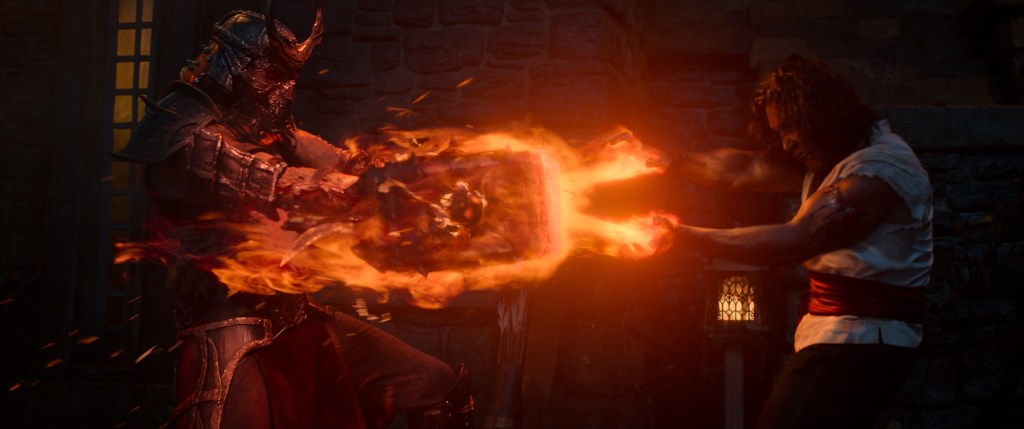
2. Shao Kahn vs. Cole Young
This fight is the most divisive among the fanbase, yet it is arguably one of the most technically proficient battles in the film. Using a static "side-scrolling" camera angle to mimic the classic game perspectives was a brilliant stylistic choice. Cole Young’s use of his defensive abilities, repurposed as a proactive, aggressive offense, demonstrates real growth for the character. The brutality of the ending—Shao Kahn shrugging off a lethal wound and violently dispatching Cole—is a stark reminder of the villain’s power. It satisfies the purists who wanted a darker, more unforgiving tone, while providing a showcase for modern stunt work.
1. Liu Kang vs. Revenant Kung Lao
This is the "Flawless Victory" of Mortal Kombat II. Unlike the other fights, which rely heavily on quick-cut editing and stunt doubles, the depth of training provided to Ludi Lin and Max Huang is on full display here. The emotional weight of the battle—a man forced to fight his corrupted, undead friend—is palpable. The cinematography, centered around a swirling portal and the iconic razor-sharp hat, creates a hypnotic, tragic atmosphere. When Liu Kang tearfully executes his friend to end the suffering, it is not just a fight; it is the emotional climax of the series. It is a masterpiece of martial arts storytelling.
Supporting Data: Production Insights
The production of Mortal Kombat II involved a significant shift in philosophy compared to the 2021 installment. Behind the scenes, the stunt coordination team—led by veteran martial arts choreographers—utilized a "real-physics" approach to ground the fantastical elements of the game. According to reports from the production set, Ludi Lin and Max Huang spent over 14 weeks in intensive training to ensure that the choreography for the Revenant Kung Lao fight could be performed in long, unbroken takes. This commitment to physical performance rather than CGI-heavy combat is what sets the film apart from its predecessor.
Official Responses and Implications
Director Simon McQuoid has stated in recent interviews that the goal of Mortal Kombat II was to "listen to the feedback" regarding the lack of tournament action. "We heard the fans loud and clear," McQuoid noted during the film’s press junket. "They didn’t want a movie about the tournament; they wanted to see the tournament."
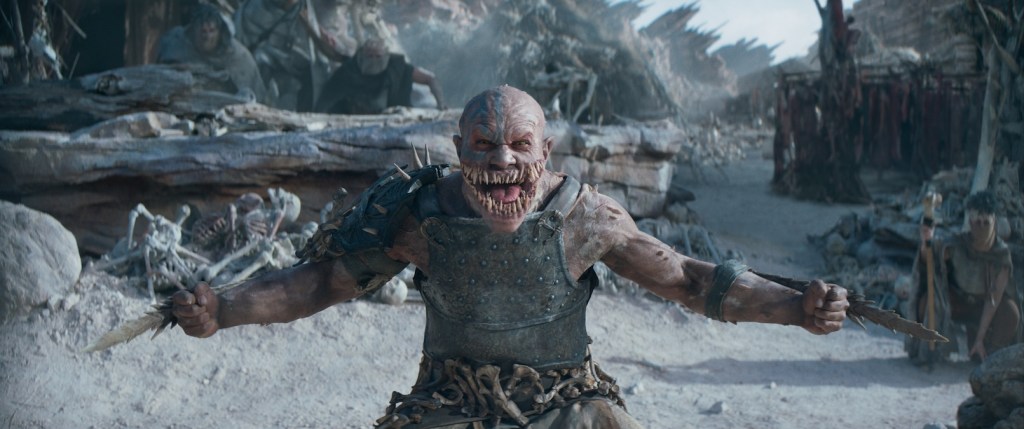
The implications of this success are massive for the franchise. The positive reception to these one-on-one brawls suggests that the studio is likely to greenlight a third film, potentially moving toward a larger, more expansive tournament structure that includes a wider roster of classic characters. By successfully balancing the "brutality" expected of the brand with the narrative character development, Mortal Kombat II has effectively moved the needle for what audiences expect from video game adaptations.
Conclusion
Mortal Kombat II is a victory lap for fans who have stuck with the series through its highs and lows. While it still grapples with the inherent silliness of the source material—the "babalities" and the eccentric costumes—it embraces them with a newfound confidence. By focusing on the individual combatants and the stakes of their specific rivalries, the film delivers on the promise of its a series of battles that are as visually spectacular as they are narratively vital.
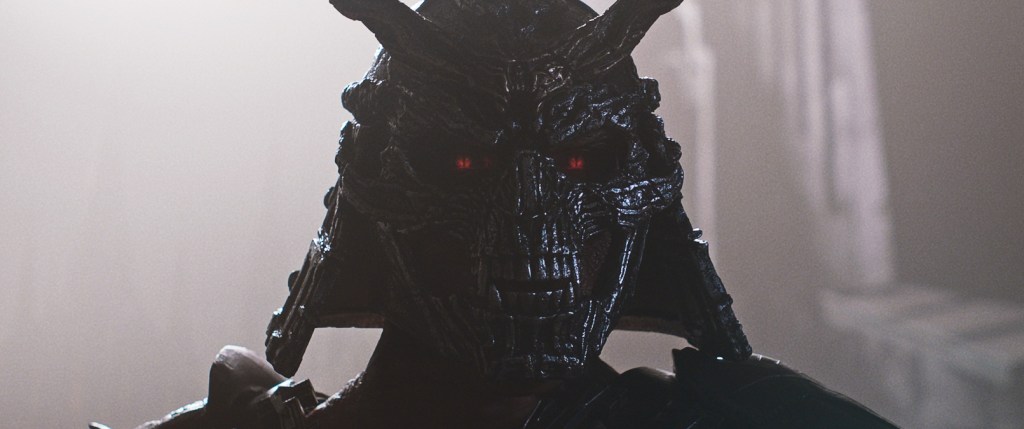
As the credits roll and the potential for a trilogy looms, one thing is certain: the bar for cinematic martial arts has been raised. The question is no longer whether Mortal Kombat can succeed as a film, but how much further it can push the limits of its own brutality.

 Neng Nana
 Basiran