Siti Muinah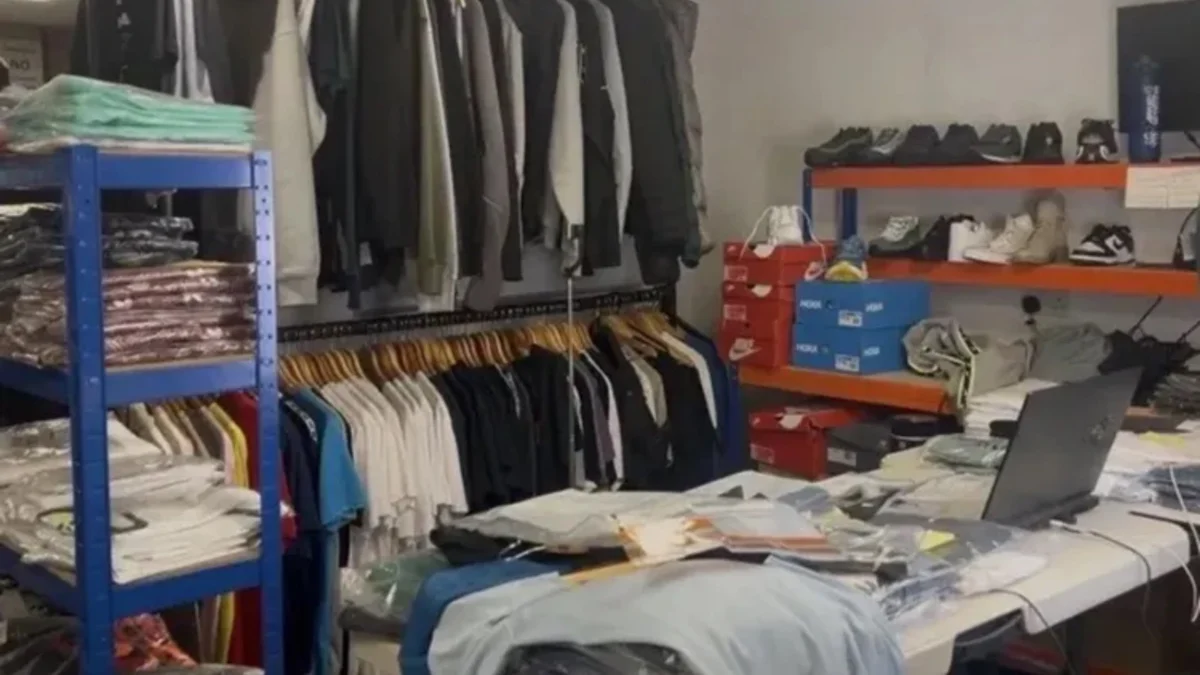
In a striking operation that highlights the evolving frontlines of intellectual property crime, the City of London Police have dismantled a sophisticated, warehouse-based operation that utilized the power of TikTok livestreaming to peddle millions of dollars’ worth of counterfeit goods. The raid, conducted by the Police Intellectual Property Crime Unit (PIPCU), marks a significant escalation in law enforcement’s efforts to curb the rise of "social commerce" fraud, where influencers are allegedly being weaponized to deceive consumers at scale.
Six individuals were taken into custody during the operation, which saw officers storm a clandestine warehouse facility while a live broadcast was actively taking place. The bust has sent shockwaves through the influencer marketing industry, exposing a dark side of the creator economy where the promise of viral authenticity is used as a veneer for large-scale criminal enterprise.
The Anatomy of the Raid: Chronology of an Investigation
The operation was the culmination of a months-long investigation led by PIPCU, which had been monitoring various TikTok Shop accounts flagged for suspicious sales activity. According to investigators, the perpetrators had established a highly organized distribution network that mimicked the aesthetics of legitimate e-commerce businesses.
The Infiltration
The investigation began when intelligence suggested that several accounts were aggressively marketing branded apparel—including luxury footwear and high-end streetwear—at prices that, while high enough to appear "authentic," were actually masking the sale of low-quality replicas. Investigators found that the accounts operated out of a central warehouse-style setup in London, which served as both a shipping hub and a professional broadcasting studio.
The Execution
On the day of the raid, PIPCU officers coordinated a tactical entry into the warehouse. The timing was deliberate; police moved in precisely while one of the suspects was in the middle of a livestream. Viewers on TikTok, expecting to see a routine product showcase, instead witnessed the sudden termination of the broadcast as law enforcement personnel secured the scene. The jarring transition from a high-energy sales pitch to a police warrant served as a stark public manifestation of the operation’s collapse.
Supporting Data: A Warehouse of Illicit Goods
The scale of the operation uncovered by the City of London Police was staggering. Upon entering the facility, authorities discovered an environment akin to a major distribution center for a legitimate retailer, filled with thousands of items destined for unsuspecting customers.
Inventory Breakdown
The haul was unprecedented in its volume and estimated value. PIPCU confirmed the seizure of over 26,849 individual items, which filled four massive 18-tonne lorries. The breakdown of the seized contraband illustrates the precision with which the criminal network targeted high-margin fashion segments:
- Counterfeit Footwear: Approximately $1,347,672 worth of high-end replica trainers.
- Apparel and Accessories: Nearly $1 million worth of clothing and miscellaneous fashion items.
- Hosiery: Over $156,753 worth of counterfeit socks.
In total, the estimated retail value of the seized goods exceeded $2 million. Perhaps more concerning to investigators was the discovery of additional items believed to be stolen property, suggesting the warehouse served as a multi-purpose depot for various types of illicit trade.
The "Influencer Incentive" Model
Perhaps the most innovative and dangerous aspect of this criminal enterprise was its use of a commission-based hierarchy. Investigators uncovered evidence that the influencers involved were not merely presenters; they were part of a tiered incentive structure. The more product an influencer sold during their livestream, the higher their payout. This incentivized them to push products with aggressive sales tactics, using high-pressure social proof—such as "limited stock" warnings or fake testimonials—to convince viewers that the goods were genuine.
Official Responses and Legal Implications
The City of London Police have framed this case as a landmark in the fight against online IP crime. The suspects currently face charges related to the distribution of goods bearing false trademarks under the Trademarks Act 1994.

The Police Perspective
Detective Sergeant Jamie Kirk of PIPCU provided a sobering assessment of how criminals have pivoted to meet the digital age. "This investigation shows how the sale of counterfeit goods has evolved," Kirk stated. "It has moved from the traditional market stalls of the past to the sophisticated apps and online marketplaces of today. In this case, influencers were explicitly used to build a veneer of trust with large audiences, exploiting that trust to profit from illegal activity."
Kirk’s warning was unequivocal: "This case should send a clear message to anybody selling counterfeit goods online: it is illegal, it is harmful, and we will take action to identify and prosecute you, regardless of the platform you use."
Regulatory and Safety Concerns
Beyond the economic damage to legitimate brands, the police have issued a stern warning regarding the physical safety of the items sold. Counterfeit goods are rarely subject to the stringent quality control and safety testing required for legitimate products. Authorities emphasized that these items could potentially contain:
- Harmful Chemicals: Dyes and fabrics that have not been tested for skin toxicity or allergic reactions.
- Flammable Materials: Textiles that fail to meet basic fire safety standards.
- Structural Deficiencies: Footwear that lacks the ergonomic support of genuine products, potentially leading to long-term health issues for consumers.
Implications: The New Frontier of Consumer Fraud
The raid on this warehouse is not an isolated incident but rather a symptom of a much larger shift in how counterfeit goods reach the global consumer. As platforms like TikTok continue to integrate shopping features directly into their user interface, the boundary between entertainment and e-commerce has blurred, creating a "wild west" environment for opportunistic criminals.
The Erosion of Digital Trust
For consumers, this case highlights the risks inherent in "social commerce." When an influencer, whose brand is built on personal connection and trust, promotes a product, viewers often lower their defenses. The criminals in this case weaponized that parasocial relationship. By presenting themselves as experts or style icons, they were able to bypass the skepticism a shopper might otherwise feel when encountering a "too-good-to-be-true" deal on a suspicious website.
The Responsibility of Platforms
While the police have taken decisive action against the distributors, the case raises difficult questions for the platforms themselves. TikTok and other social giants are now facing increased scrutiny regarding how they vet the sellers on their platforms. As these apps become the primary shopping destination for younger demographics, regulators are likely to demand more rigorous oversight and proactive moderation to prevent the platforms from becoming conduits for organized crime.
What Lies Ahead
The six individuals arrested are currently awaiting further legal proceedings. As the investigation continues, police are expected to look deeper into the supply chain that fed the warehouse, attempting to trace the origin of these counterfeit items.
For the public, the takeaway is clear: the digital storefronts of the modern era are not always what they seem. The convenience of "one-click" shopping during a livestream should be tempered by a healthy dose of caution. As the City of London Police continue their crackdown, the message remains the same: the digital world is no longer a lawless space, and the reach of the law is extending deep into the apps that dominate our daily lives.
This case serves as a pivotal moment for digital policing, demonstrating that while the methods of crime have evolved, the dedication of law enforcement to protecting the marketplace and the consumer remains constant. Whether this raid will serve as a sufficient deterrent to other "influencer-led" syndicates remains to be seen, but for now, the seizure of $2 million in illicit goods stands as a significant victory for brand integrity and consumer safety alike.


 Pevita Pearce
 Lina Irawan