Basiran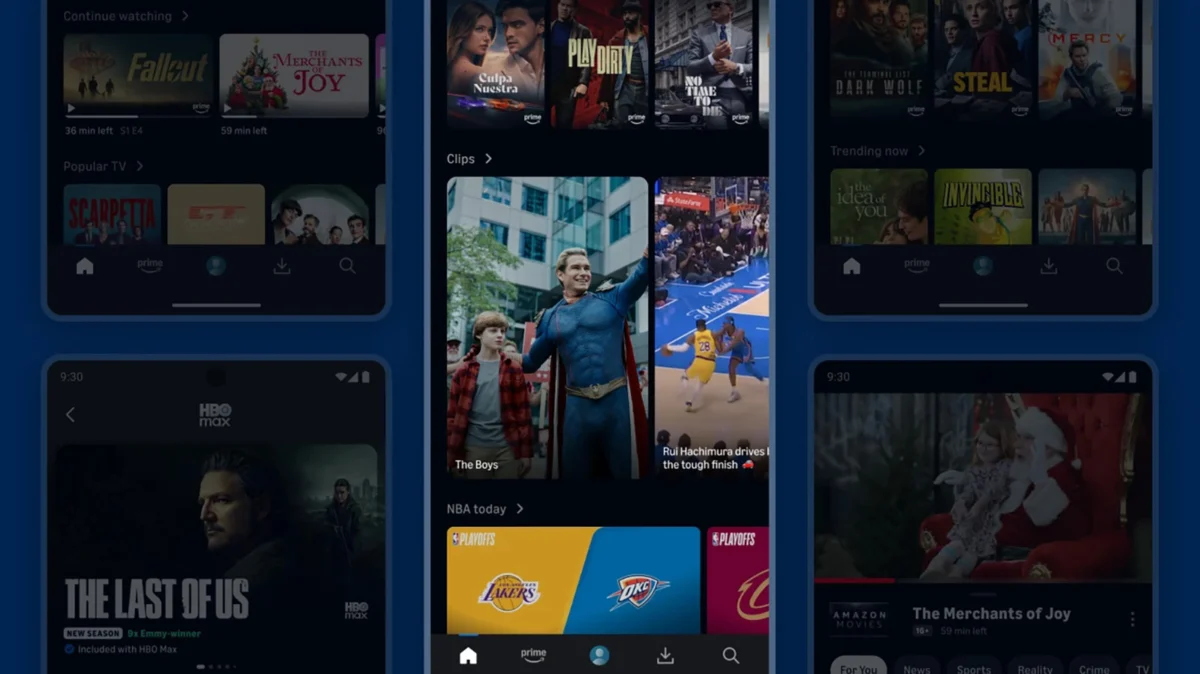
In an era defined by the primacy of the smartphone, the landscape orientation—once the gold standard for cinematic consumption—is increasingly being relegated to a secondary status. Acknowledging this shift in consumer behavior, Amazon has officially announced the rollout of "Clips," a new, vertical, short-form video feed integrated directly into the Prime Video mobile application. This strategic pivot signals a broader industry consensus: if you want to capture the attention of a modern audience, you must meet them in the vertical scroll.
The Core Transformation: What is "Clips"?
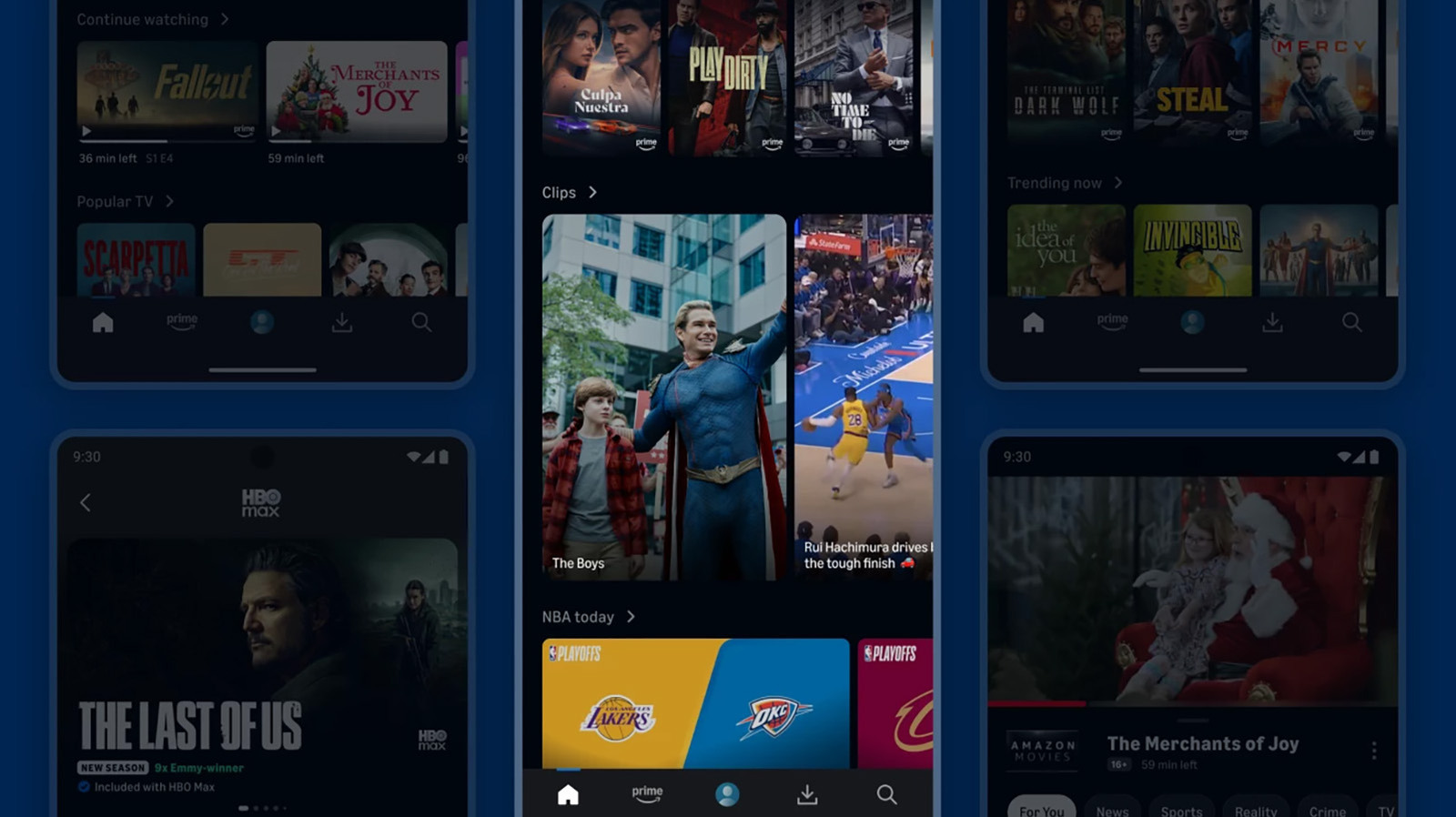
Amazon’s "Clips" is, at its heart, a discovery engine disguised as a social-media-style feed. Located prominently on the Prime Video mobile home page, the feature functions similarly to the ubiquitous interfaces popularized by TikTok, Instagram Reels, and YouTube Shorts.
When users engage with the Clips module, they are greeted by a vertical stream of bite-sized content derived from the vast Prime Video library. These aren’t just trailers; they are curated "moments"—high-impact scenes, pivotal dialogue exchanges, and dramatic highlights from films and television series.
The user experience is designed for frictionless consumption. A single tap transitions the viewer into a full-screen, immersive vertical player. From there, the navigation is intuitive: a simple swipe up or down cycles through a curated list of recommendations. If a particular clip resonates, the interface provides immediate calls to action: users can instantly add the title to their "Watchlist," purchase or rent the content, or share the clip with friends. By integrating these conversion tools directly into the viewing flow, Amazon is attempting to collapse the distance between discovery and consumption.
A Chronology of the Pivot
The introduction of Clips was not an overnight decision but rather the culmination of a deliberate, iterative strategy.
- The Pilot Phase (NBA Integration): Amazon first experimented with the vertical video format through its sports broadcasting arm. By offering vertical highlights for its NBA coverage, Amazon gathered crucial data on how its users interacted with short-form content. The positive engagement metrics from this sports-centric test provided the necessary proof-of-concept to justify a broader rollout.
- The Infrastructure Build: Throughout the early months of 2026, Amazon quietly began optimizing its backend to support the rapid ingestion and transcoding of vertical assets. Ensuring that high-quality, high-definition content could be served in a vertical format without sacrificing the artistic integrity of the original film or show was a primary technical hurdle.
- The Formal Announcement: In May 2026, Amazon officially unveiled "Clips" as a permanent fixture for the Prime Video ecosystem, positioning it as a tool to solve the "discovery paradox"—the struggle users face in finding new content within an overwhelming library of options.
- The Staged Rollout: As of the current date, the feature is active for a select cohort of U.S.-based customers across iOS, Android, and Fire devices. A comprehensive rollout is scheduled for the summer of 2026, targeting the entire domestic user base.
The Data Behind the Scroll
Why would a titan of long-form streaming move toward the short-form model? The data provides a compelling answer. According to recent industry reports on mobile engagement, the average user spends significantly more time in "lean-in" vertical environments than in traditional streaming apps.
Industry analysts note that retention rates for traditional streaming apps have faced stagnation, primarily due to the "paradox of choice." When presented with a grid of hundreds of static posters, users often experience decision paralysis. By contrast, a curated, algorithm-driven feed of short-form video serves as a "tasting menu."
Internal Amazon metrics regarding the NBA pilot program reportedly showed a double-digit increase in "Watchlist" additions compared to standard marketing emails or banner advertisements. By utilizing a format that users are already conditioned to consume—the vertical scroll—Amazon is effectively lowering the cognitive load required for a user to commit to a new series.
Official Responses and Strategic Intent
In its official press communication, Amazon described Clips as a "new way to discover entertainment." The messaging is carefully crafted to frame the feature not as a social media copycat, but as a utility designed to bridge the gap between high-level content and user curiosity.
"We recognize that our users are looking for faster, more intuitive ways to find their next favorite show," said an Amazon spokesperson. "Clips allows us to surface the most compelling moments from our catalog in a format that feels native to the mobile experience."
However, industry observers point to a deeper strategic intent. Amazon is currently locked in a fierce battle with Netflix, Disney+, and Apple TV+ for dominance in the streaming wars. While its competitors have experimented with "play-something" buttons and traditional recommendation algorithms, Amazon’s move to adopt the TikTok aesthetic is a direct play for the attention economy. By keeping users inside the Prime Video app for longer periods—even when they aren’t actively watching a full-length film—Amazon increases the likelihood of spontaneous purchases and ongoing platform engagement.
Implications for the Streaming Industry
The introduction of Clips has profound implications for the future of entertainment marketing.
1. The Death of the Traditional Trailer?
For decades, the two-to-three-minute trailer has been the gold standard for marketing. However, in an attention-deficient digital ecosystem, the "Clips" format suggests that shorter, more vertical, and more context-free content is superior. We may soon see studios commissioning specialized "vertical-first" edits of their films, designed specifically for discovery feeds rather than theatrical or YouTube viewing.
2. Algorithmic Curation vs. Human Taste
The success of the Clips feature relies heavily on the algorithm’s ability to predict what a user wants to see next. If the recommendations feel stale or irrelevant, the feed becomes a nuisance rather than a feature. Amazon’s challenge will be to balance its commercial interests (promoting its own high-budget Originals) with genuine user interests (surfacing content that the user is actually likely to enjoy).
3. The Fragmentation of the Viewing Experience
There is a potential drawback: the "TikTok-ification" of every app. As Prime Video, Netflix, and even news applications adopt the same vertical-swipe interface, the digital landscape is becoming increasingly homogenous. While this provides a consistent user experience, it risks stripping away the unique identity of each platform.
4. Accessibility and UX Design
From a design perspective, this shift highlights a broader UX trend: the elimination of the "horizontal tilt." In the past, apps were built to encourage users to rotate their devices to landscape mode for a cinematic experience. Now, the app is being redesigned to ensure the user never has to rotate their phone at all. This is a massive shift in how media companies prioritize the comfort of the user over the original aspect ratio of the content.
Looking Ahead: The Summer 2026 Expansion
As Amazon prepares for the wide-scale launch of Clips this summer, the tech world will be watching closely. If the feature succeeds in driving up subscription engagement and content consumption, it will likely trigger a wave of imitation across the industry. We should expect other major players to follow suit, potentially leading to a market where the "vertical feed" is the primary interface for every major streaming service.
For now, the message from Amazon is clear: the era of the static grid is fading. The future of television is a vertical, infinite scroll. Whether this results in a richer discovery experience or merely a more distracted one remains to be seen. But for the millions of Prime Video subscribers in the U.S., the change is coming—and it’s only a swipe away.


 Asep Darmawan
 Rifan Muazin