

In the sprawling, hyper-monetized landscape of modern Star Wars, the definition of what constitutes a "film" or a "canonical entry" has become increasingly fluid. Depending on who you ask, the canon consists of the nine central Skywalker Saga episodes, the anthology films like Rogue One, and a dizzying array of television series. Yet, tucked away in the deep archives of Lucasfilm history—often overshadowed by the infamous Star Wars Holiday Special—lies a 48-minute animated treasure that deserves a second look: 1986’s The Great Heep.
Serving as the grand finale to the single-season animated series Star Wars: Droids, The Great Heep is more than just a relic of mid-80s television; it is a narrative anomaly that arguably stands as one of the most inventive entries in the franchise’s history. While most casual fans overlook this period of animation, a deeper examination reveals a production that prefigured modern sci-fi tropes and offered a villain so uniquely terrifying that he remains a standout in a galaxy otherwise dominated by Sith Lords and bounty hunters.
A Chronological Context: Where Does the Heep Fit?
To understand the significance of The Great Heep, one must situate it within the timeline of the Star Wars universe. The Droids series takes place approximately 15 years prior to the events of A New Hope. This era, set during the height of the Galactic Empire’s consolidation of power, provides a distinct "Wild West" flavor to the adventures of C-3PO and R2-D2.
The show was structured as a series of mini-arcs, a stylistic choice that mirrored the serialized nature of the original 1930s adventure serials that inspired George Lucas. The first four episodes, "The White Witch," established the droids’ early travels. Subsequent arcs, such as the "Mon Julpa" storyline—which amusingly features a pirate character named Kybo Ren—showcased a world where the Empire was a looming, distant threat, while local crime syndicates and warlords served as the primary antagonists.
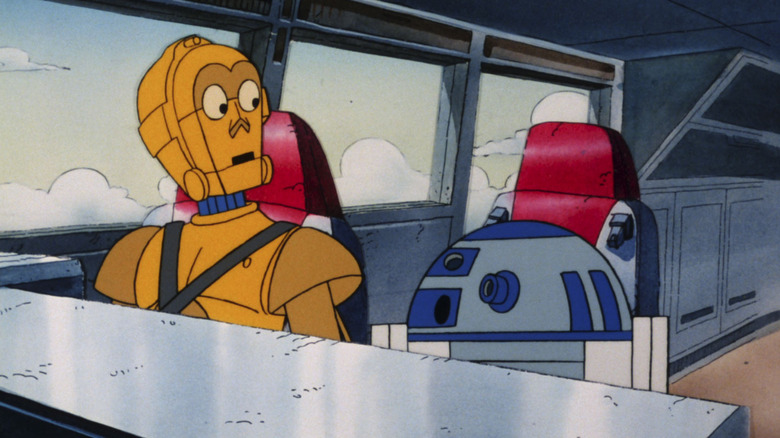
The Great Heep acts as a narrative prequel to the "Adventures of Mungo Baobab" arc. At the start of the special, C-3PO (voiced by the iconic Anthony Daniels) and R2-D2 are en route to the custody of Mungo Baobab. The story unfolds on the edenic planet of Biitu, where the droids are captured by robotic minions and delivered to the titular antagonist. By framing the special as a self-contained feature, the creators allowed for a higher level of stakes and production value than a standard television episode, effectively bridging the gap between serialized television and feature-length cinema.
The Anatomy of an 80s Animated Masterpiece
The production of The Great Heep was helmed by Nelvana, the legendary Canadian animation studio. Throughout the 1980s, Nelvana was the powerhouse behind iconic series like Inspector Gadget, Care Bears, and Babar. This pedigree is evident in the special; the animation is dynamic, fluid, and possesses a "wiggly" charm that separates it from the more rigid, static animation seen in other cartoons of the era.
The decision to elevate this story into a 48-minute special allowed the creative team to push the boundaries of what Star Wars could look like on the small screen. The pacing is deliberate, allowing for world-building that the shorter, episodic format of Droids often lacked. It is this "feature-event" feel that leads many hardcore fans to argue that The Great Heep should be elevated to a higher tier of importance. When compared to the stiff acting and experimental pacing of the Ewok movies (Caravan of Courage and The Battle for Endor), The Great Heep feels remarkably more cohesive and tonally consistent with the spirit of the original trilogy.
The Great Heep: A Villain Ahead of His Time
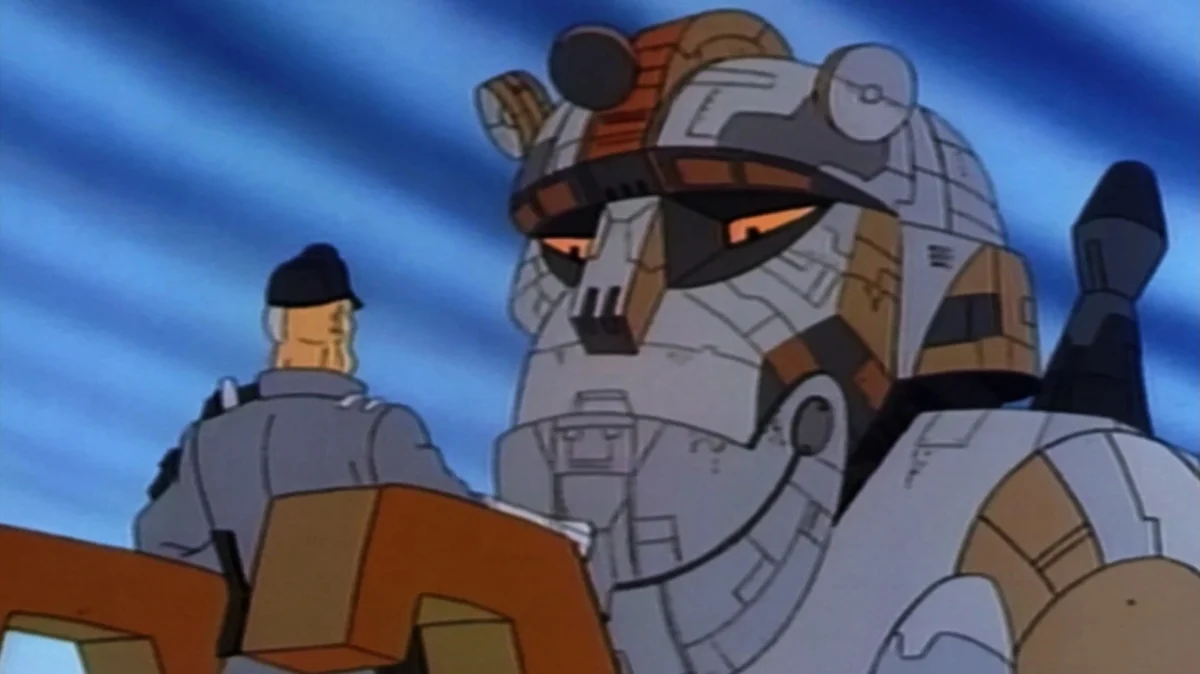
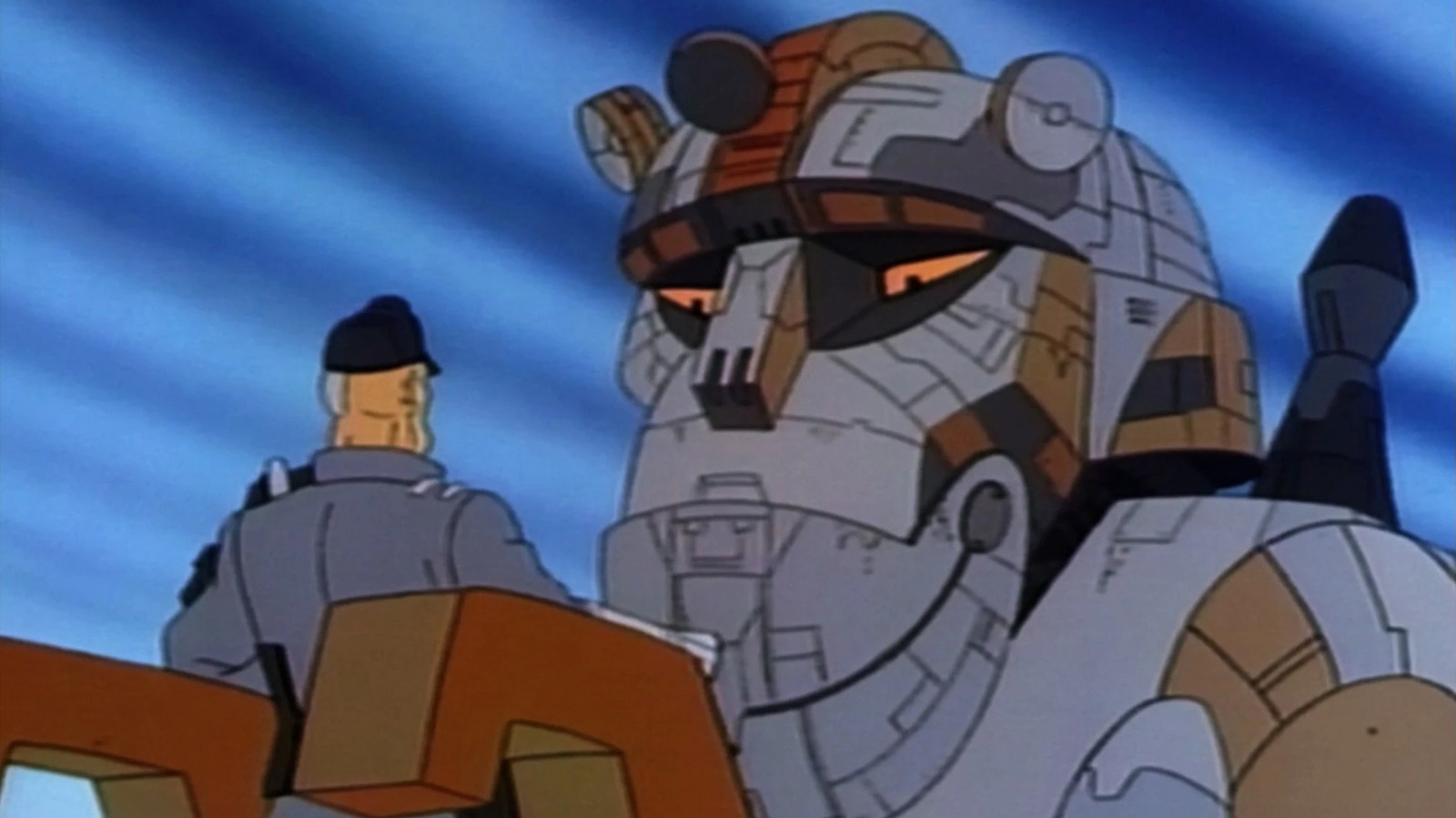
Central to the success of this special is its antagonist. John William "Long John" Baldry provides the voice for the Great Heep, a character who is, by all accounts, a masterclass in sci-fi horror. He is an ancient, sentient industrial machine designed with a single, terrifying purpose: to self-perpetuate by assimilating the parts and resources of other droids.
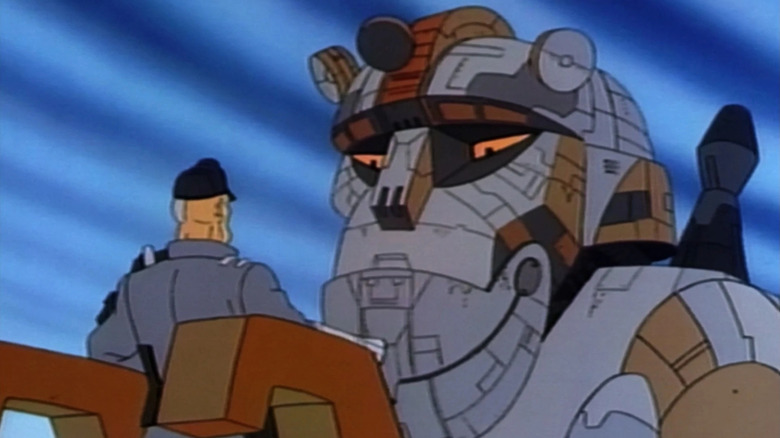
In the mid-1980s, the concept of a machine that consumes other machines to grow in power was not a common trope. It wasn’t until years later that Star Trek: The Next Generation introduced the Borg, who operate on a similar philosophy of forced assimilation. The Great Heep, however, functions as a dark mirror to the droids we love. He represents the ultimate exploitation of artificial intelligence by the Empire. He is a massive, rolling ore processor who facilitates the Empire’s resource extraction, proving that he is not just a monster, but a cog in the Imperial machine.
His design is particularly chilling. The sight of his mouth transforming into a conveyor belt to consume R2-series droids remains one of the most grotesque images in early Star Wars animation. He isn’t a magical Force-user or a tactical mastermind; he is an insatiable, mechanical glutton. This grounded, terrifying physicality makes him a formidable mini-boss, providing a sense of dread that is rarely achieved in family-oriented Star Wars content.
Implications for Canon and Legacy
The debate over the "canon" status of The Great Heep is a microcosm of the larger struggle between fan-curated history and corporate-defined continuity. For years, the Star Wars expanded universe (now relegated to the "Legends" label) was the only place where stories like this existed. However, with the integration of many "Legends" elements into modern Star Wars media, the lines have blurred.
Should The Great Heep be considered an official movie? If we count the Star Wars Holiday Special as an oddity of history, and the animated Clone Wars movie as a feature, there is a strong argument for including the 48-minute Great Heep special. It features the core droids, it is set within the established timeline, and it adheres to the moral and aesthetic codes of the franchise.
The implications of recognizing The Great Heep as a legitimate part of the saga go beyond simple labeling. It encourages a broader appreciation of the franchise’s history. When we look back at the 1980s, we often limit our focus to the live-action films, ignoring the experimental, risky, and often brilliant animated projects that helped keep the flame of Star Wars alive during the "dark times" between the original trilogy and the prequels.
Why You Should Watch It Today
For the modern fan raised on the high-budget spectacle of The Mandalorian or Ahsoka, The Great Heep might seem quaint. But to watch it is to see a snapshot of a time when the Star Wars universe was still being defined, when the rules were looser, and when animators were given the freedom to tell darker, weirder stories.
The Great Heep is not just a relic; he is a testament to the versatility of the Star Wars galaxy. The fact that the story is now available on Disney+ is a quiet victory for fans who have spent decades advocating for the preservation of these older entries. It is a reminder that the best of Star Wars isn’t always found in the multi-million dollar blockbusters. Sometimes, it is found in the forgotten corners of the archive, in a 48-minute special about a giant, ore-processing monster that still has the power to unsettle us today.
Whether or not you agree with its official status in the canon, The Great Heep is an essential chapter in the history of the galaxy. It is a bold, bizarre, and ultimately successful attempt to translate the epic scope of Star Wars into the medium of 1980s animation. For those willing to look past the "wiggly" lines and the dated production techniques, there is a rich, rewarding, and surprisingly scary story waiting to be rediscovered.











No comments yet. Be the first to join the conversation!