Sagoh
Sagoh
In the landscape of Japanese social customs, few practices are as deeply entrenched as cremation. Following death, over 99% of individuals are cremated—a standard reinforced by centuries of Buddhist tradition, extreme land scarcity, and rigorous postwar public health legislation. However, as Japan’s foreign resident population reaches unprecedented levels, this near-universal practice has collided with the religious imperatives of a growing Muslim minority. For these residents, the inability to access burial sites is not merely an administrative inconvenience; it is a profound clash between their fundamental religious obligations and the rigid infrastructure of their host country.
The Collision of Faith and Infrastructure
For observant Muslims, the sanctity of the body is paramount. Islamic tradition dictates that the deceased must be washed, wrapped in a simple white shroud, and interred as soon as possible—typically within 24 hours—with the body oriented toward Mecca. Cremation is strictly prohibited under Islamic law, viewed as a desecration of the human form.
In Japan, burial is not legally prohibited at the national level. However, the regulatory hurdle lies in the "Act on Cemetery, Burial, etc.," which grants local municipalities the authority to set their own bylaws regarding the management of cemeteries. This has led to a fragmented, often prohibitive, landscape. Currently, fewer than a dozen facilities across the entire Japanese archipelago accept Muslim burials. Most significantly, there are zero facilities west of the Chūgoku region. For the thousands of Muslim residents in major hubs like Kansai and Kyushu, the absence of a local cemetery transforms a time of mourning into a logistical nightmare, forcing families to transport remains across the country or incur the astronomical costs of international repatriation.
Chronology of a Growing Conflict
The tension between Japan’s demographic shift and its traditional funeral infrastructure has accelerated over the past five years:
- 2020–2022: As labor shortages deepened, the number of foreign workers from Muslim-majority nations, particularly Indonesia, surged in sectors like construction, agriculture, and elderly care.
- 2023: Local disputes over proposed burial sites began to gain national media coverage, signaling a shift from private struggle to public political debate.
- January 2024: A proposed Muslim burial site in Sakuragawa City, Ibaraki Prefecture, was abandoned after intense local opposition and complaints that the community had not been adequately consulted.
- 2024 (Mayoral Election): In Hiji Town, Oita Prefecture, a proposed cemetery project that had secured municipal support became the centerpiece of a mayoral race. The candidate who campaigned against the project won by a wide margin, leading to the immediate cancellation of the land sale.
- January 2026: The Japanese government, acknowledging the strain on foreign residents, initiated a nationwide survey of 129 prefectures and major cities to assess their capacity to handle non-cremation burials.
Supporting Data: A Demographic Reality Check
The urgency of this issue is driven by cold, hard data. By the end of 2024, the number of foreign residents in Japan had climbed to approximately 2.3 million, a nearly threefold increase from a decade prior.
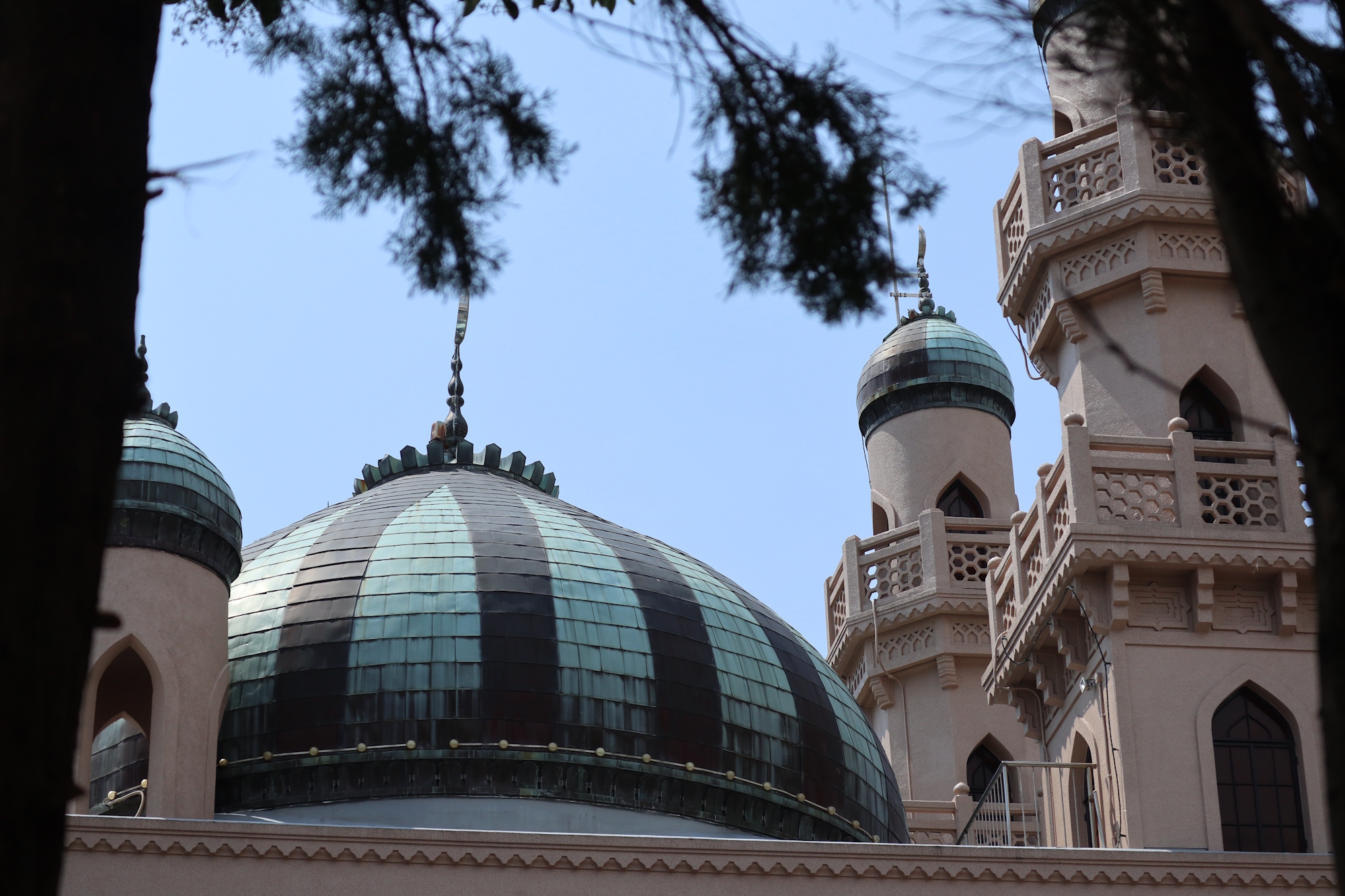
This is not a transient population. Many are long-term residents, taxpayers, and, in some cases, naturalized Japanese citizens. As this demographic ages, the demand for burial plots is projected to rise sharply. Current data indicates that while some urban areas have attempted to adapt, the distribution of these resources is profoundly unequal. The "cemetery desert" in western Japan leaves a significant portion of the Muslim workforce without access to a final resting place that aligns with their faith, highlighting a disconnect between the government’s desire for foreign labor and its preparedness to provide social integration.
Official Responses and the Policy Trap
The central government’s decision to survey municipal regulations is a tacit admission that the status quo is unsustainable. However, the framing of this survey reveals a deeper systemic bias. By treating burial access primarily as a "foreign resident policy" issue rather than a matter of universal human rights or religious freedom, the state struggles to generate widespread public support for the necessary infrastructure changes.
When the conversation is framed as "accommodating foreigners," it often triggers latent nativist sentiment. Official responses have been cautious, balancing the need to support the economy—which relies heavily on foreign workers in nursing and caregiving—with the political reality of local resistance. Because the central government has historically delegated cemetery management to local bodies, it is often hesitant to override local opposition, leaving families trapped in a bureaucratic limbo.
Where Policy Meets Resistance: The Hiji Town Case
The case of Hiji Town serves as a sobering template for how these projects fail. The local Islamic association involved had done everything "by the book." They secured land, established clear caps on the number of plots to prevent overcrowding, and implemented rigorous environmental safeguards, including groundwater testing, to address local fears about contamination.
Despite these efforts, the project collapsed under the weight of misinformation. Residents in neighboring areas voiced concerns about water safety that were largely unsupported by the environmental data provided. More concerning were the reports of discriminatory language and hate speech directed at the organizers. Some opponents argued that if Muslims wanted to be buried according to their traditions, they should simply return to their home countries.
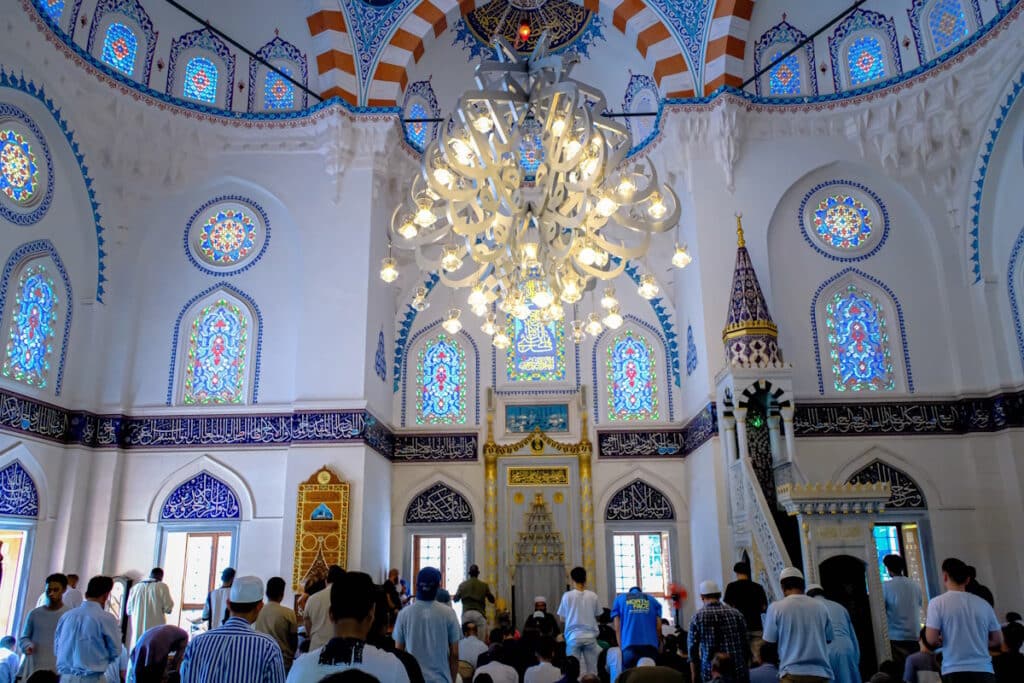
This rhetoric ignores the reality that many of these individuals are integral to the Japanese economy and have built their lives in the country. The subsequent cancellation of the project by the newly elected mayor demonstrated how local political interests can easily override the needs of a minority population, regardless of the legality or scientific safety of a proposal.
Implications for Japan’s Future
The "cemetery gap" has profound implications for Japan’s long-term social cohesion. If Japan continues to recruit foreign workers to fill labor gaps while failing to provide for their basic religious and social needs, it risks creating a "second-class" tier of residents.
The emotional toll on families cannot be overstated. When a death occurs, the family is already suffering. The additional burden of navigating a hostile regulatory environment or shipping a body thousands of miles away serves as a constant reminder that they are not fully "at home" in Japan. This lack of belonging is a significant barrier to the long-term retention of foreign talent.
Uneven Progress: Toward a Possible Solution
Despite the setbacks, there are glimmers of potential change. In Miyagi Prefecture, Governor Murai Yoshihiro has remained steadfast in his support for an earth-burial cemetery, despite receiving hundreds of complaints. His commitment represents a rare top-down approach that prioritizes long-term demographic needs over the path of least resistance.
Furthermore, small, grassroots successes provide a roadmap for the future. In Kyoto, a temple-run cemetery quietly began offering a limited number of plots for Muslim burials. By working within the existing framework of Buddhist institutional land-use, they successfully bypassed the political theater that doomed larger, more public projects. These cases suggest that while the road to reform is fraught with political peril, localized, collaborative solutions are possible.
Conclusion: The Question of Possibility
The debate over Muslim burials in Japan has reached a critical juncture. The issue is no longer just about the availability of land or the technicalities of burial law; it is about what kind of society Japan wishes to be in an era of globalization.
As the government continues its assessment of nationwide burial capacity, it faces a fundamental choice: continue to delegate the responsibility to local municipalities—effectively allowing localized prejudice to dictate policy—or establish clear, national standards for religious accommodation that protect the rights of all residents.
The ultimate test for Japan will not be whether it can continue to invite foreign workers to sustain its economy, but whether it can provide them with the dignity that every human being deserves at the end of their life. For Japan’s Muslim community, the goal is simple: to be able to live, work, and eventually rest in the country they have come to call home. Whether that will become a reality, however, depends on whether the Japanese public and its political leadership can move beyond the "foreigner" framing and recognize this as a shared, human necessity.


 Neng Nana
 Asro
Asro