

The digital landscape of the healthcare industry is undergoing a seismic shift. As patients increasingly turn to platforms like YouTube for medical guidance, hospital insights, and wellness education, video marketing has evolved from a luxury to a fundamental necessity. In 2025, the ability to translate complex clinical data into digestible, human-centric visual content is the primary differentiator for healthcare providers, medical technology firms, and hospital systems.
However, healthcare marketing is not like retail or entertainment. It is governed by stringent regulatory requirements, including HIPAA compliance, the necessity for clinical accuracy, and the imperative to maintain unwavering institutional credibility. For marketing teams, the challenge lies in balancing high-production value with these professional guardrails.
This report explores the evolving role of video in healthcare and identifies the top five video editing platforms that are defining the standard for the industry in 2025.

The Strategic Importance of Healthcare Video Content
The transition toward video-first communication in healthcare is driven by patient behavior. According to industry data, nearly 70% of patients research medical conditions online before scheduling an appointment. When medical information is presented through video, comprehension rates increase by as much as 40% compared to text-based brochures.
The Balancing Act: Compliance and Creativity
Healthcare marketers face a trifecta of hurdles:
- HIPAA Compliance: Ensuring that all patient testimonials and behind-the-scenes content protect Protected Health Information (PHI).
- Sensitivity: Maintaining a tone that is empathetic, professional, and trustworthy, regardless of the subject matter.
- Accuracy: Navigating the fine line between engaging marketing and medical misinformation.
High-quality video production acts as a bridge, humanizing complex systems while upholding institutional authority. By leveraging professional-grade editing tools, marketers can streamline their workflows and focus on the integrity of their message.
1. Adobe Premiere Pro: The Industry Standard for Professionalism
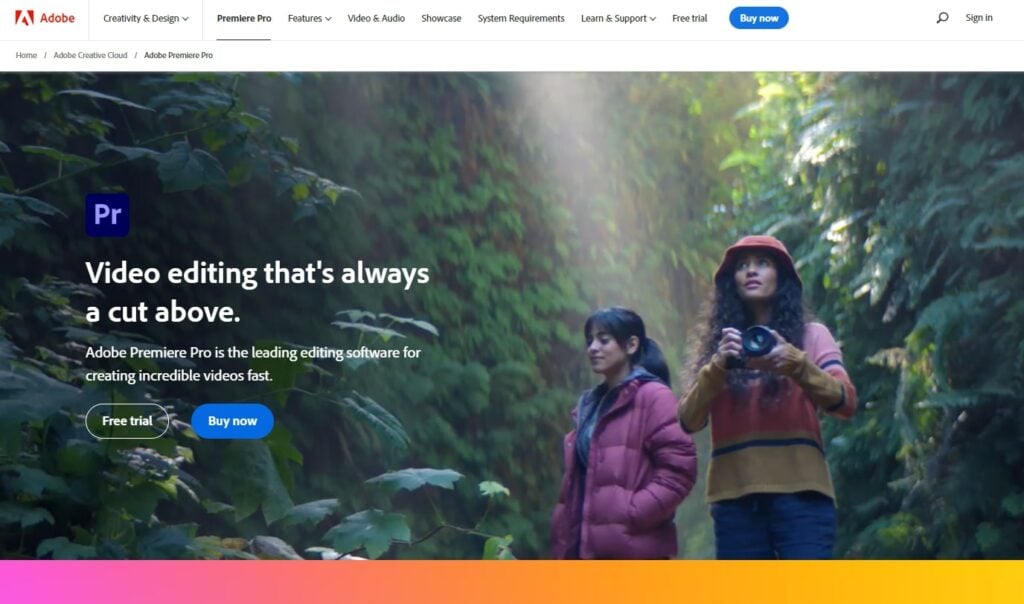
Adobe Premiere Pro remains the gold standard for healthcare organizations that require broadcast-quality results. It is the preferred choice for institutions producing long-form documentaries, high-stakes physician interviews, and detailed procedural breakdowns.
Key Features
- AI-Powered Editing: Adobe Sensei integration allows for automated color matching, speech-to-text captioning (essential for accessibility), and scene editing detection.
- Seamless Integration: Works natively with After Effects and Audition, allowing for advanced motion graphics and audio cleanup.
Implications for Healthcare
The strength of Premiere Pro lies in its versatility. For a hospital system, it allows the marketing team to maintain brand consistency across all channels, from social media clips to internal training modules.
- Pros: Unmatched control over visual and audio assets.
- Cons: Steep learning curve; requires significant hardware investment.
- Pricing: $20.99/month.
2. Animaker: Revolutionizing Medical Explainers
Explaining the mechanics of a new medical device or the intricacies of a clinical procedure can be daunting. Animaker, an AI-powered animation suite, removes the need for traditional film crews by allowing marketers to build high-quality explainer videos from scratch.

Key Features
- Medical Library: Access to pre-built characters and assets designed for professional settings.
- Text-to-Speech Engine: Enables the creation of professional voiceovers in multiple languages, expanding the reach of public health campaigns to diverse patient populations.
The Role of Animation in 2025
Animation is the most effective tool for "de-stigmatizing" sensitive medical topics. By using simplified, engaging visuals, marketers can explain conditions without the potential discomfort associated with graphic, real-life surgery footage.
- Pros: Extremely intuitive for non-editors; cloud-based.
- Cons: Limited customization compared to professional-grade motion software.
- Pricing: Free plan available; Paid plans start at $15/month.
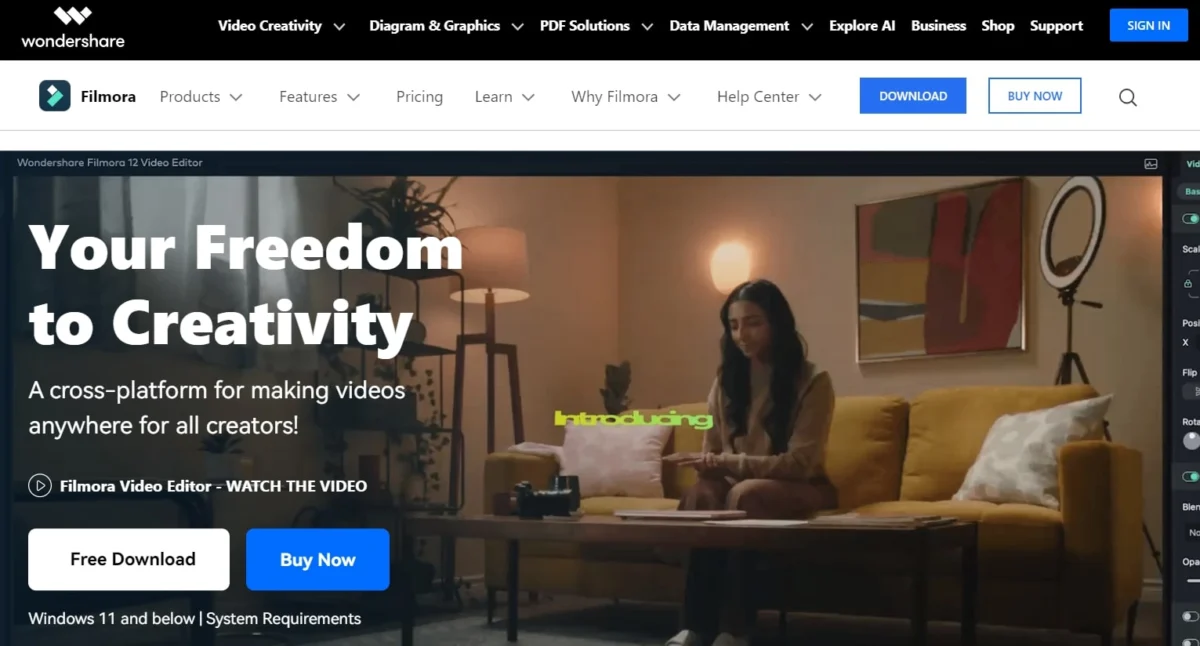
3. Filmora: Balancing Speed and Storytelling
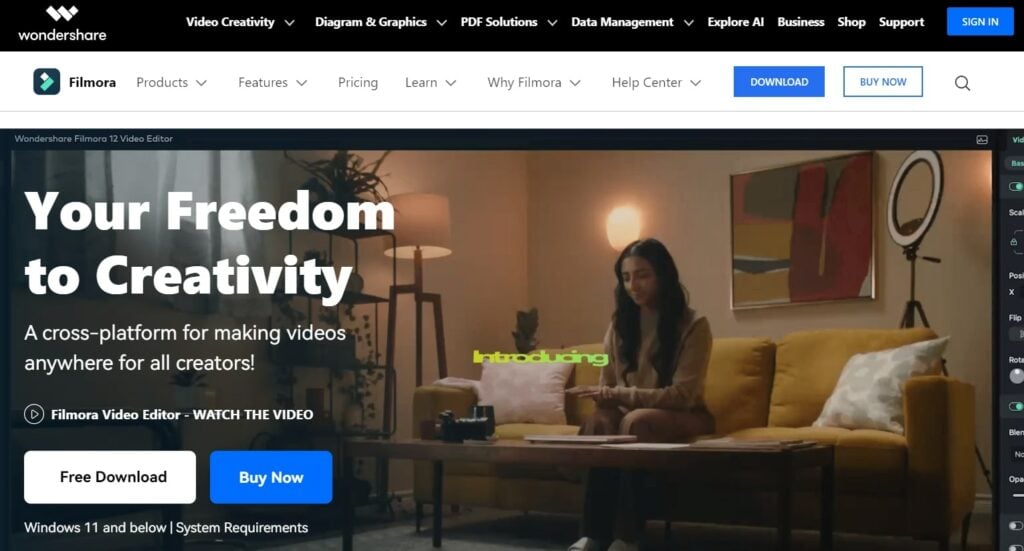
For mid-sized healthcare organizations that need to push out high volumes of content—such as weekly health tips, patient spotlights, and facility tours—Filmora offers a "middle-ground" solution. It is significantly more powerful than basic editors but lacks the complexity that slows down the workflow of a busy marketing department.
Key Features
- Drag-and-Drop Workflow: Allows for rapid assembly of content.
- Preset Templates: Pre-designed layouts ensure that every video adheres to a specific brand identity, reducing the time spent on manual formatting.
Organizational Impact
The primary advantage of Filmora is its efficiency. In a fast-paced environment like a hospital, the ability to turn around a testimonial or a Q&A session in under two hours is a major competitive advantage.
- Pros: User-friendly interface; robust library of transitions and effects.
- Cons: Not suitable for heavy-duty, cinematic-level editing.
- Pricing: Starts at $49.99/year.
4. iMovie: The Accessible Entry Point
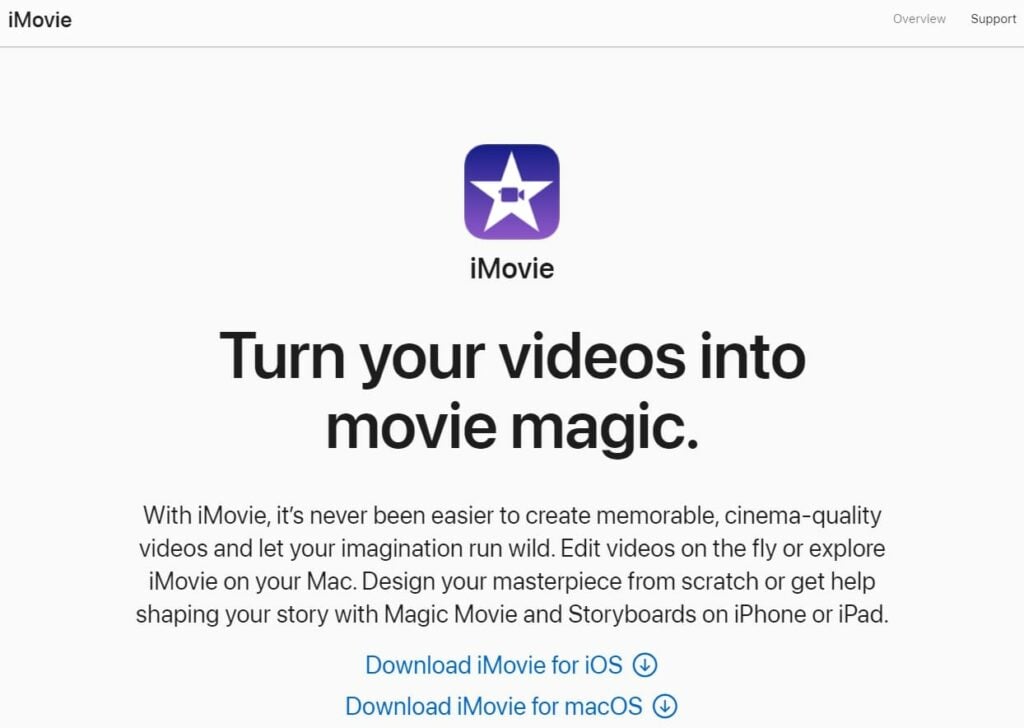
Not every healthcare video requires an expensive studio setup. iMovie remains the most accessible tool for Mac-based teams. For smaller clinics or individual practitioners, it is the perfect platform to begin building a digital presence.
Key Features
- Simplicity: Minimalistic interface that removes the "fear" of editing.
- Hardware Optimization: Runs flawlessly on standard Apple devices, making it perfect for field edits during events or on-site filming.
Implications for Small Providers
iMovie proves that the barrier to entry for video marketing is low. For a local clinic, a series of simple, well-edited videos regarding seasonal flu prevention or clinic hours can build significant trust within the local community.
- Pros: Completely free; zero learning curve.
- Cons: Very limited advanced features; Mac-only.
- Pricing: Free.
5. DaVinci Resolve: The Cinematic Frontier
When the objective is to produce high-end documentaries, patient success stories, or large-scale promotional branding, DaVinci Resolve is the industry choice. Known for its world-class color grading, it is used by professional studios to create a "cinematic" look that elevates the perception of a brand.
Key Features
- Advanced Color Grading: Ensures that video footage—often shot in varied hospital lighting conditions—looks uniform and professional.
- Multi-User Collaboration: Allows teams to work on the same project simultaneously, a crucial feature for large healthcare departments.
The "Cinematic" Standard
In 2025, patient perception is heavily influenced by quality. A high-production value documentary about a hospital’s research breakthroughs can elevate an institution’s status globally. DaVinci Resolve provides the tools to achieve that level of prestige.
- Pros: Professional-grade tools for free; industry-leading color correction.
- Cons: Very high hardware requirements; steep learning curve.
- Pricing: Free version; Studio version at $295.
Conclusion: Matching the Tool to the Need
Selecting the right video editor is a strategic decision that depends on your organization’s scale, technical expertise, and specific content goals.
| Tool | Ideal Use Case | Skill Level |
|---|---|---|
| Adobe Premiere | Large hospitals, documentaries | Advanced |
| Animaker | Medical explainers, animations | Beginner |
| Filmora | Social media content, daily updates | Intermediate |
| iMovie | Quick, simple educational videos | Beginner |
| DaVinci Resolve | Cinematic brand films, color-critical work | Advanced |
The digital transformation of healthcare marketing is not slowing down. As we look toward the remainder of 2025, the institutions that invest in high-quality, transparent, and patient-focused video content will be the ones that foster the deepest trust with their audiences. By choosing the right editing software, healthcare marketers can stop struggling with technical limitations and start focusing on what truly matters: connecting with patients and improving lives through storytelling.












No comments yet. Be the first to join the conversation!