Lina Irawan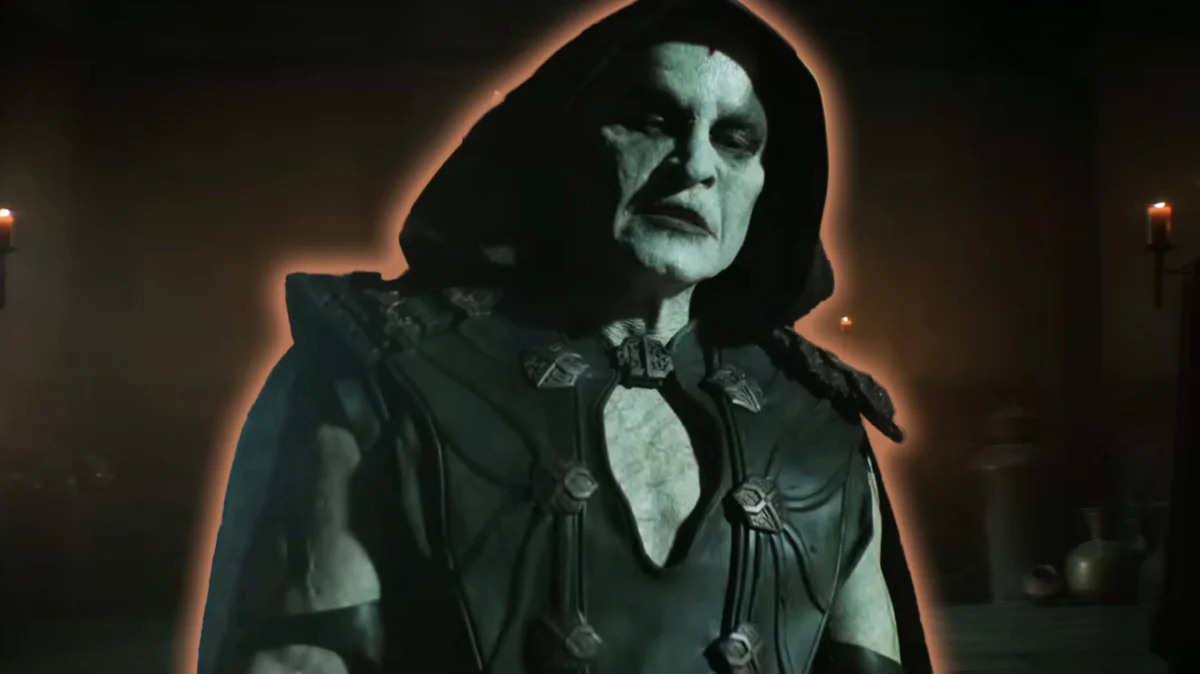
After a five-year hiatus that left fans of the franchise clamoring for more, Warner Bros. and director Simon McQuoid have officially unleashed Mortal Kombat II. Serving as a direct successor to the 2021 reboot, the film marks a significant escalation in both scale and narrative ambition. With the introduction of the long-awaited tournament structure and the inclusion of fan-favorite characters, the film has been met with critical acclaim, often described as a "flawless victory" that corrects the pacing and tonal inconsistencies of its predecessor.
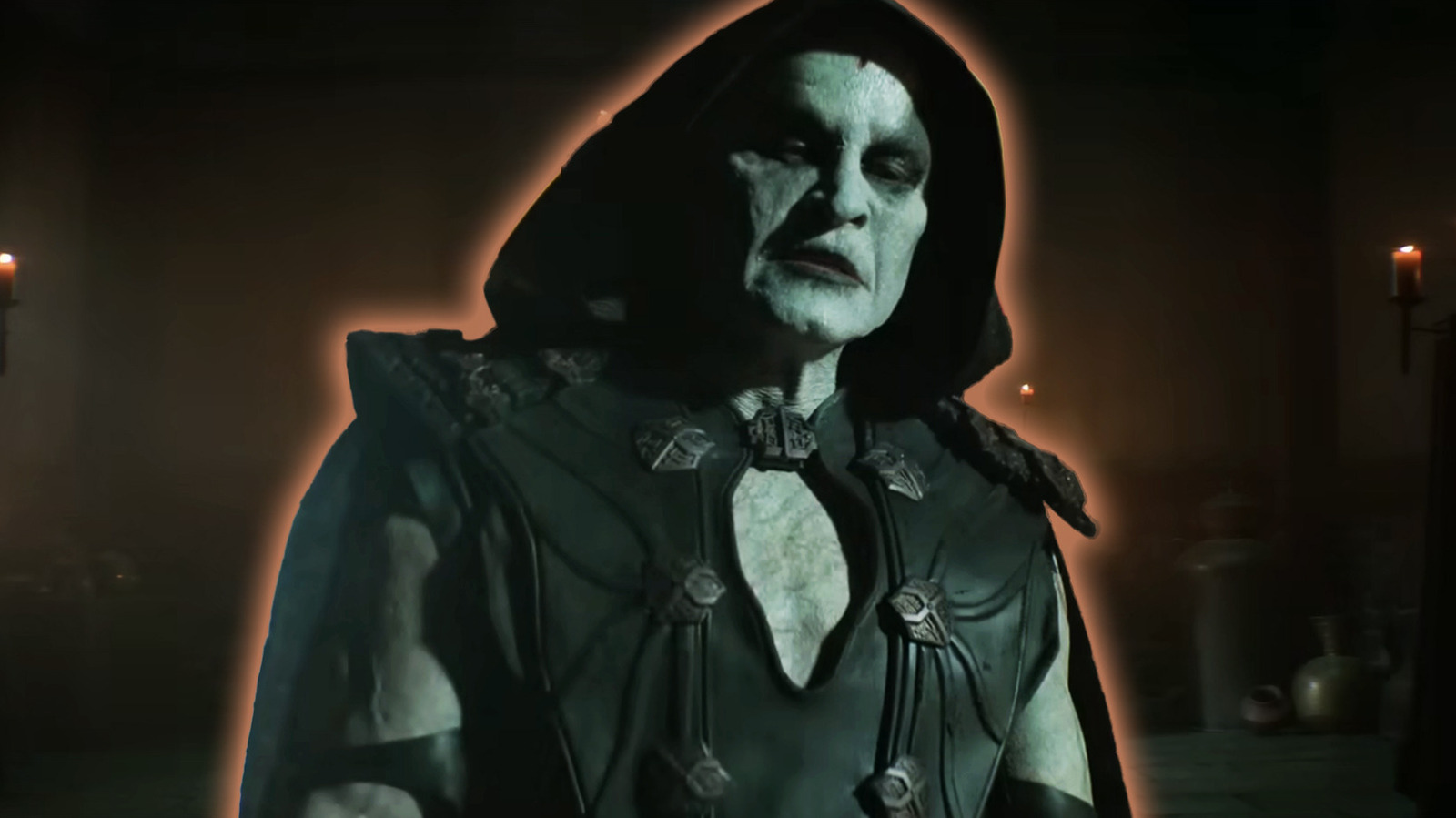
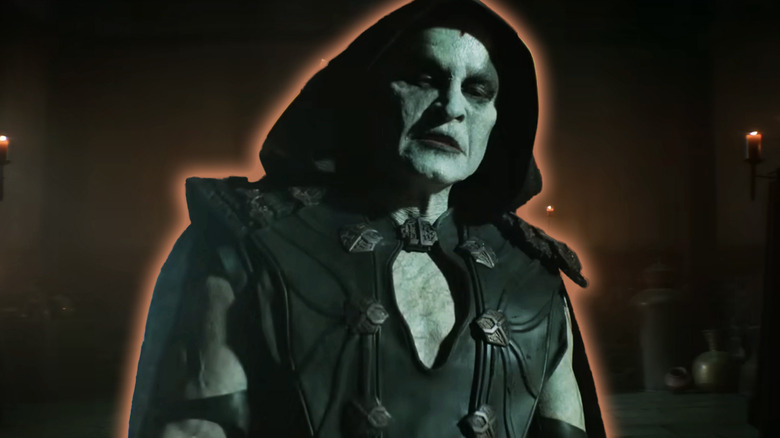
Among the sprawling ensemble of fighters, sorcerers, and otherworldly entities, one character stands out for his sinister, otherworldly presence: Quan Chi. The iconic Netherrealm necromancer, brought to life through a combination of heavy prosthetics and chilling performance art, is played by veteran character actor Damon Herriman. While many viewers may find themselves experiencing a sense of "deja vu" regarding his performance, the mystery of his identity is easily solved by looking back at his prolific and varied career.
A Legacy of Versatility: The Career of Damon Herriman
Damon Herriman is the quintessential "working man’s actor"—a performer whose face, voice, and mannerisms have permeated popular culture for over three decades, even if his name isn’t always the first one mentioned in casual conversation.
The Early Years: From Australian Television to Hollywood
Herriman’s journey began in the 1980s, primarily within the Australian television circuit. Shows like Taurus Rising, Elly & Jools, and the medical drama All Saints served as his training ground. During this period, Herriman mastered the art of the "guest spot," honing his ability to step into a scene, deliver a precise performance, and leave a lasting impression in a limited timeframe. This foundation proved essential for his transition into larger, international productions.
The 2000s: Finding the Genre Niche
As the new millennium dawned, Herriman began appearing in more prominent Hollywood projects. His work in the 2005 horror remake House of Wax showcased his comfort within high-tension environments, while his role as George in the critically lauded Australian drama Love My Way demonstrated his capacity for nuanced, long-form character development. During this era, he also dipped his toes into high-concept studio films, including a minor role in the 2005 sequel Son of the Mask, proving his versatility across genres ranging from dark horror to broad comedy.
The 2010s: The Rise of the Character Actor
The 2010s marked a turning point for Herriman, as he secured roles that would cement his status as a go-to actor for complex, often unsettling characters. His portrayal of the erratic Dewey Crowe on FX’s Justified became a fan favorite, highlighting his ability to balance dark humor with genuine menace. Similarly, his brief but indelible appearance as "Scary Skell" in the Breaking Bad episode "Cornered" demonstrated his unique talent for "stolen scenes"—moments where a supporting character commands the audience’s full attention.
The Manson Phenomenon: A Rare Cinematic Feat
Perhaps the most remarkable trivia point in Herriman’s career occurred in 2019, when he achieved a rare feat: he played the same historical figure in two entirely separate, high-profile projects released within months of each other.
Herriman was cast as Charles Manson in both Quentin Tarantino’s Once Upon a Time in Hollywood and the second season of David Fincher’s Mindhunter. While the portrayals were vastly different—one serving as a brief, chilling glimpse of the cult leader in a stylized period piece, the other a meticulous, psychological deconstruction—both performances underscored his range. The fact that he was selected by two of the most demanding and visionary directors in modern cinema speaks volumes about his professional reputation.
The Mortal Kombat Connection: From Voice to Villain
For eagle-eyed Mortal Kombat fans, Herriman’s inclusion in the cinematic universe is not his first rodeo with the franchise. In the 2021 reboot, Herriman provided the voice for the deadly assassin Kabal. By stepping in front of the camera as the necromancer Quan Chi for the sequel, he has solidified his status as a staple of this new era of Mortal Kombat films.
Transforming into Quan Chi requires a monumental effort in the makeup chair. Unlike his previous roles, where his distinct facial features and expressive eyes were front and center, his turn as the Netherrealm sorcerer is filtered through layers of latex, paint, and CGI-enhanced design. This level of immersion is exactly what the role demands; Quan Chi is not merely a man, but a conduit for dark magic. Herriman’s ability to imbue the character with a sense of ancient, weary malice—even under heavy prosthetics—is a testament to his dedication to the craft.
Implications for the Franchise
The inclusion of characters like Quan Chi in Mortal Kombat II signals a shift in the franchise’s direction. By moving away from the "origin story" format and diving headfirst into the complex lore of the games, the production team is clearly aiming to satisfy the long-time fanbase while expanding the cinematic scope.
The Shift Toward Lore-Heavy Storytelling
The success of Mortal Kombat II suggests that audiences are ready for deeper, more intricate world-building. Quan Chi, as a character, represents the darker, more supernatural side of the Mortal Kombat universe. His presence as a primary antagonist shifts the stakes from a mere tournament-based brawl to a cosmic battle for the survival of Earthrealm.
The Value of Casting "Hidden" Talent
By utilizing a character actor of Herriman’s caliber, the production team gains more than just a talented performer. They gain an actor who understands the nuances of genre filmmaking. Herriman brings a level of gravitas to the role of Quan Chi that prevents the character from becoming a one-dimensional cartoon villain. His history in prestige television (Mindhunter) and gritty cable dramas (Justified) brings a sense of legitimacy to the film’s more fantastical elements.
Official Responses and Behind-the-Scenes Insights
Director Simon McQuoid has spoken frequently about the importance of casting actors who can handle the physical and emotional demands of the Mortal Kombat universe. In recent press junkets, the creative team noted that finding someone who could portray Quan Chi’s calculating nature while navigating the rigors of heavy action sequences was a top priority.
"Damon was the obvious choice," a source close to the production noted. "He has this innate ability to disappear into a role. When you put him in the Quan Chi makeup, he doesn’t just look like the character—he moves like him. He understands the weight of the history behind the character."
Final Verdict: Why It Matters
As Mortal Kombat II continues its theatrical run, the discourse surrounding it remains overwhelmingly positive. It has proven that video game adaptations, when handled with respect for the source material and a commitment to quality casting, can resonate with both casual viewers and die-hard fans.
Damon Herriman’s contribution to the film serves as a reminder of the power of the "character actor." In an industry often obsessed with A-list celebrity cameos, there is immense value in hiring performers who have spent decades perfecting their craft in the shadows of Hollywood. Whether he is portraying a infamous cult leader, a backwoods criminal, or an interdimensional sorcerer, Herriman consistently delivers performances that demand recognition—even when he is hidden behind layers of skin-crawling prosthetics.
For those watching Mortal Kombat II and wondering, "Where have I seen him before?", the answer is almost everywhere. From the desert landscapes of The Lone Ranger to the blood-soaked streets of Once Upon a Time in Hollywood, Damon Herriman has spent his career building a mosaic of characters that have left an indelible mark on television and film history. With Quan Chi, he has added yet another iconic, if terrifying, figure to that impressive list.


 Lina Hope
 Pevita Pearce