

In a brazen display of organized crime that played out like a scene from a Hollywood heist film, federal prosecutors in the Eastern District of New York have officially indicted three men connected to the armed hijacking of a delivery truck loaded with over $1.2 million worth of Apple electronics. The incident, which occurred early on the morning of January 3, 2026, serves as a stark reminder of the persistent security challenges facing high-value logistics and the growing sophistication of retail-targeted theft rings.
The three defendants—identified by the U.S. Attorney’s Office as Alan Christhofer Cedeno-Ferrer, Michael Mejia-Nunez, and Ennait Alexis Sirett-Padilla—now face a litany of federal charges. If convicted, the accused face a maximum sentence of 30 years in federal prison, reflecting the severity of the armed assault and the massive financial loss incurred by the supply chain.
The Chronology of the Crime
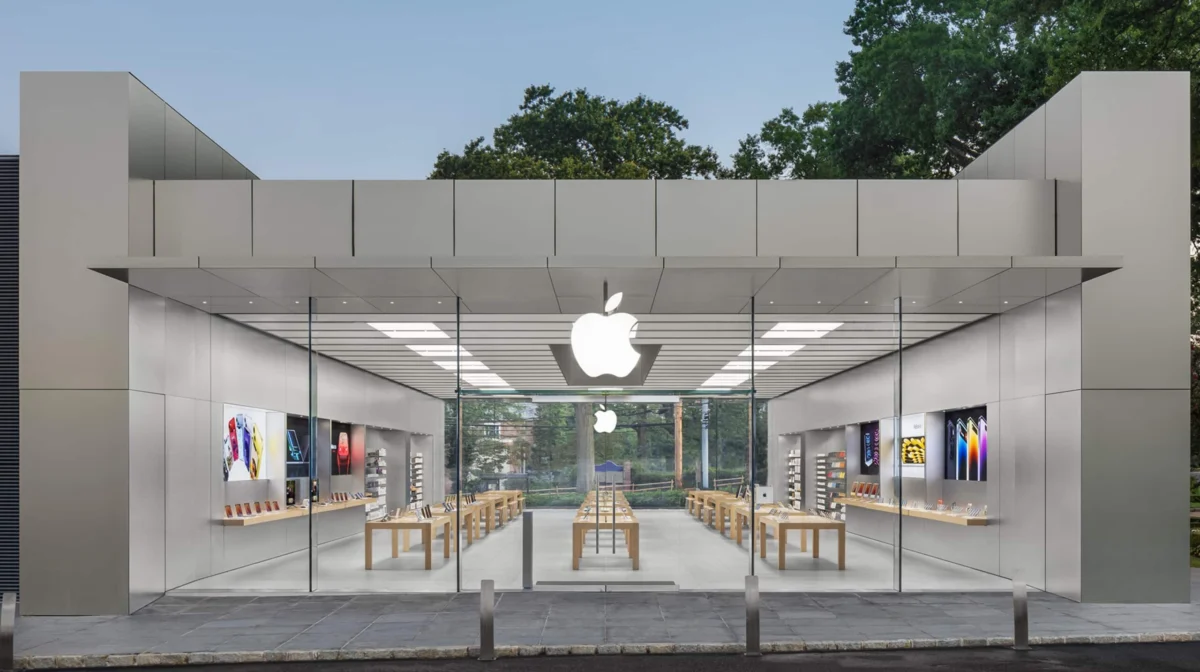
The incident began at approximately 8:00 a.m. on January 3, 2026, outside the Americana Manhasset, a luxury shopping destination in Long Island, New York. Two delivery workers were in the process of offloading a significant haul of Apple merchandise, including MacBooks, iPhones, iPads, and Apple Watches, intended for the local Apple Store.
According to court documents, the morning routine was violently interrupted when the three suspects approached the delivery vehicle, brandishing handguns. The perpetrators immediately seized control of the situation, forcing one of the workers into the rear cargo hold of the truck, where they restrained him with zip ties.

The second worker was coerced into the driver’s seat. Under the threat of violence, he was instructed to navigate the delivery truck away from the high-traffic retail plaza to a secluded, pre-selected site: a desolate parking area behind an office building on Northern Boulevard in Manhasset. Upon arrival, the second worker was also moved to the rear cargo compartment and zip-tied alongside his colleague.
With the victims effectively neutralized, the conspirators executed the second phase of their operation. A rented Home Depot box truck—which investigators later determined had been acquired by Cedeno-Ferrer using a fraudulent Pennsylvania driver’s license—pulled into the parking area. The suspects maneuvered the two vehicles so that their rear cargo doors were flush against each other.
In a systematic transfer, the group offloaded the entirety of the $1.2 million shipment into the rental truck. Once the transfer was complete, the hijackers sealed the original delivery truck with the restrained employees trapped inside and fled the scene. Remarkably, one of the victims eventually managed to free himself from his restraints and placed a desperate 911 call, setting the multi-agency investigation into motion.
Forensic Trail and Law Enforcement Response
The subsequent investigation, led by federal authorities, utilized both traditional detective work and modern digital forensics to track the suspects. The Home Depot truck, abandoned in the Bronx, was recovered by law enforcement two days after the heist.
Crucially, the crime scene investigation of the rental vehicle yielded a breakthrough: fingerprints belonging to Alan Christhofer Cedeno-Ferrer were recovered from a copy of the rental agreement left inside the cab.
Beyond physical evidence, the suspects’ own hubris proved to be their downfall. Digital tracking of the stolen goods revealed that Cedeno-Ferrer had activated two of the stolen Apple Watches just days after the robbery. Because Apple’s ecosystem allows for robust device tracking, these activations provided law enforcement with a digital breadcrumb trail that corroborated the suspects’ involvement.
Further investigation led detectives to a self-storage facility in Paterson, New Jersey. Records revealed that Ennait Alexis Sirett-Padilla had rented a storage unit under his own name. Surveillance and follow-up evidence suggested this facility served as a logistics hub for the criminal operation, where the stolen goods were offloaded from the Home Depot truck into a U-Haul and other smaller vehicles, likely to be dispersed into the secondary, illicit market.
The Scope of the Loss and Retail Security
The $1.2 million valuation of the stolen goods highlights the staggering concentration of value in modern consumer electronics. For companies like Apple, whose products are lightweight, high-demand, and easily liquidated, the supply chain is a constant target for sophisticated theft rings.

Retail security experts note that "cargo theft" is an evolving threat. While traditional warehouse burglaries still occur, the transit phase—the "last mile" of delivery—is often the most vulnerable. Delivery trucks carrying high-value electronics operate on tight schedules, and the drivers often lack the specialized security training required to neutralize armed threats.
The choice of the Americana Manhasset as the target was likely strategic. Luxury shopping centers often house high-volume Apple Stores, and the logistics of delivering such a large shipment to a high-traffic area provide a window of opportunity for criminals to observe patterns and execute a strike before the store opens.
Legal Implications and Sentencing Prospects
The indictment handed down by the U.S. Attorney’s Office is comprehensive. The men are charged with conspiracy to commit robbery, armed robbery, and associated firearms offenses. The federal government’s involvement underscores the severity of the incident, particularly given that the crime involved the interstate movement of stolen goods and the use of firearms in a commission of a felony.
The 30-year maximum sentence, while a statutory maximum, indicates the federal government’s intent to deter similar high-value cargo hijackings. In federal court, sentencing is dictated by strict guidelines that account for the degree of violence used, the dollar value of the stolen property, and the defendants’ prior criminal histories.

Legal analysts suggest that the prosecution will likely emphasize the trauma inflicted on the delivery workers. By forcing the victims into the cargo hold and zip-tying them, the suspects demonstrated a level of premeditation and disregard for human life that elevates the case beyond simple property theft.
Implications for the Supply Chain
This incident is expected to force a reassessment of logistics protocols for major tech retailers. Several key areas are likely to see changes:
- Enhanced Tracking: Expect to see an increase in "active" security measures, such as remote-disabling capabilities that brick the devices the moment a truck deviates from a pre-approved GPS route.
- Logistics Security: Third-party logistics (3PL) providers may be required to implement stricter background checks and potentially utilize armored transport for high-value shipments, particularly during the "last mile" of delivery.
- Real-time Monitoring: Improved coordination between dispatch centers and local law enforcement is likely to become standard. If a delivery truck moves to an unauthorized location, immediate automated alerts could reduce response times for police.
The trial of Cedeno-Ferrer, Mejia-Nunez, and Sirett-Padilla will be closely watched by the retail and logistics industries. It serves as a reminder that while digital security for devices remains a priority for Apple, the physical security of the supply chain remains an inherently human challenge, vulnerable to the actions of organized criminal groups.
As the legal proceedings move forward, the focus will remain on the victims’ recovery and the broader systemic changes required to ensure that such a violent hijacking does not happen again. The authorities have made it clear: while these criminals may have succeeded in the short term, the combination of modern forensic technology and federal prosecution makes the cost of such a crime significantly higher than any potential payout on the black market.












No comments yet. Be the first to join the conversation!