

By [Your Name/Journalistic Byline]
Date: May 8, 2026
The cultural landscape of the multiplex is undergoing a seismic shift. For over a decade, the superhero genre—spearheaded by the Marvel Cinematic Universe (MCU) and the DC Extended Universe—has held a virtual monopoly on global box office dominance. However, as we crest the midpoint of 2026, the winds have changed.
While the superhero industrial complex appears to be sputtering, beset by audience fatigue and a perceived lack of creative direction, the "video game movie" has emerged as the new king of the box office. With The Super Mario Galaxy Movie shattering records and indie darlings like Iron Lung proving that budget is no substitute for vision, the industry is at an inflection point. If the cape-and-cowl set hopes to reclaim its crown, it must stop looking at its own past and start studying the playbook of its "little brother" genre.
The Great Divergence: A Chronology of Changing Tastes
To understand the current crisis, one must look at the recent trajectory of both genres. The early 2020s were characterized by the MCU’s expansion into the streaming space, a move that diluted the brand’s cinematic prestige. As Marvel slouches toward Avengers: Doomsday—a project increasingly defined by a reliance on returning talent like Robert Downey Jr. and the Russo brothers—audiences are signaling a desire for something fresh.
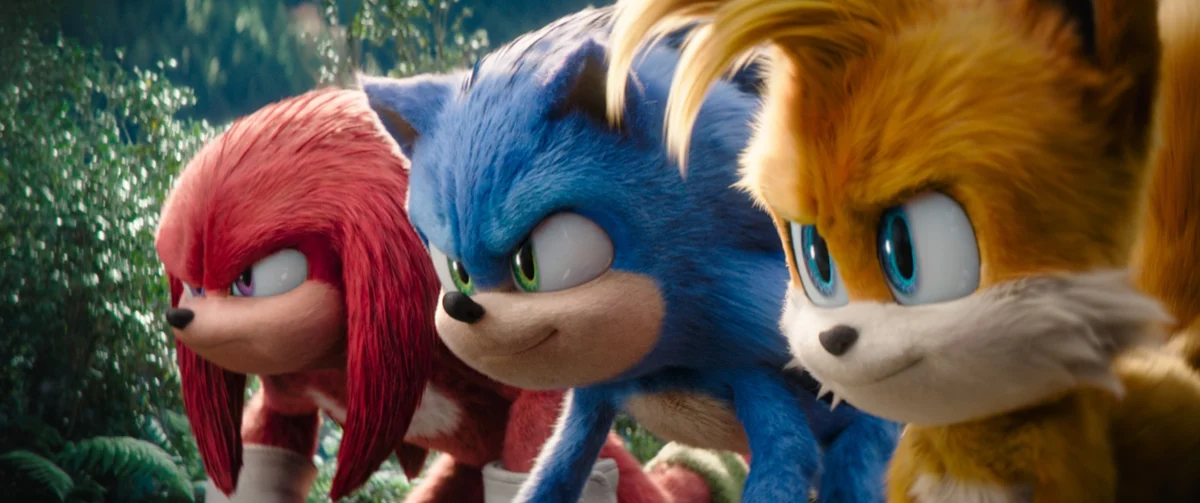
Conversely, the video game adaptation genre—once considered the "kiss of death" for any serious production—underwent a radical transformation. Starting with the 2020 Sonic the Hedgehog film, which famously course-corrected its lead character design after fan outcry, studios began to realize that honoring the source material was not a liability, but an asset. By 2026, we have seen a rapid succession of hits: Mortal Kombat II, the Street Fighter reboot, and the massive success of The Super Mario Galaxy Movie. These films are not just profitable; they are culturally resonant in a way that Daredevil: Born Again or Spider-Man: Brand New Day have struggled to be.
Supporting Data: The Box Office Pulse
The financial disparity is becoming impossible for studio executives to ignore. In Q1 and Q2 of 2026, video game adaptations have consistently outperformed high-budget superhero fare. The primary differentiator is "IP fidelity."
Data suggests that modern audiences are no longer interested in "grounded" or "realistic" takes on comic book icons. They want the aesthetic, the tone, and the specific mechanics they grew up with. When The Super Mario Bros. movies introduce obscure characters like Kamek or Dry Bones, they are rewarded with repeat viewings and social media engagement. When Marvel films insist on removing iconic masks or downplaying the "comic-bookiness" of their leads—such as the overexposure of Tom Holland’s face in recent Spider-Man installments—it is viewed by the core demographic as a cynical compromise.
Lessons from the Controller: How to Pivot
If the superhero genre is to avoid obsolescence, it must internalize five critical lessons from the current boom in gaming cinema.
1. Embrace the Absurdity (Don’t Apologize)
Superhero films have spent years winking at the camera, signaling to the audience that they know the material is "silly." Whether it’s poking fun at the name "Otto Octavius" or treating iconic costumes as costumes rather than functional gear, these movies often exhibit a condescending detachment.
Contrast this with the Mortal Kombat franchise. When a character pulls off a ridiculous, iconic leg sweep, the film acknowledges the absurdity with humor, but never stops treating the spectacle as a triumph. It respects the game’s mechanics without feeling embarrassed by them. Superhero films must stop apologizing for their source material and start leaning into the inherent "cool factor" of their mythology.
2. Radical Fidelity Over "Realism"
For years, the industry operated under the assumption that audiences wanted "gritty" and "grounded" stories. But the success of Sonic the Hedgehog proved the opposite: people want the chaos emeralds, the golden spikes, and the vibrant, non-realistic environments.

The MCU once followed this logic—Iron Man’s suit was the peak of this philosophy—but somewhere along the way, the focus shifted toward "multiverse" mechanics that prioritize cameos over character depth. The lesson is clear: give the audience the costumes they expect and the powers they love, and do so without the constant need for "real-world" justification.
3. The "Jump Scare" Logic: Delivering the Experience
What is the primary appeal of a video game? It is the active experience of the game’s mechanics—the jump, the power-up, the boss fight. Modern superhero films have lost the art of the "splash page" moment. They have replaced the kinetic, visual storytelling of The Avengers (2012) with muddy, CGI-heavy battles that feel more like administrative tasks than cinematic payoffs.
A film should build to the "Chicken Jockey" moments—those specific, anticipated beats that define the IP. If you are adapting a comic book, the audience wants to see the visual language of the page translated directly to the screen, not reinterpreted through the lens of a generic action movie.
4. Diversification of Tone (Beyond the PG-13)
The superhero genre has been trapped in a PG-13 "Goldilocks" zone, fearing that a harder rating will alienate the massive, family-oriented audience required to recoup a $200 million budget. However, the video game movie boom proves that variety is the lifeblood of a genre.
From the hard-R brutality of Mortal Kombat to the indie, lo-fi aesthetic of Iron Lung, video game movies are proving that niche, experimental, and genre-bending films can still be profitable. If James Gunn’s promised Clayface film leans into true horror, it will be a massive step in the right direction for the DCU.
5. The Power of the Course Correction
The most important lesson is that failure is not fatal if you listen. Sonic the Hedgehog is the gold standard for this. It failed to resonate with the original, "embarrassed" design, listened to the fans, and re-emerged as a juggernaut.
Superhero franchises, particularly the MCU, seem to be doubling down on their mistakes, believing that the return of legacy stars will solve their systemic creative issues. However, if Avengers: Doomsday fails to ignite the audience, it may signal that the "homework" approach to filmmaking—where every movie requires a deep knowledge of the previous fifteen—has finally reached its breaking point.
Implications: A Crossroads for the Major Studios
The implications for Marvel and DC are profound. We are seeing a generational transition where the cinematic "event" is no longer the superhero team-up, but the realization of a beloved interactive world.
If Kevin Feige and his contemporaries do not rethink their reliance on "constructed-in-editing" narratives and bureaucratic franchise management, they risk losing their audience to the very IPs that were once deemed "unfilmable." The fans are no longer asking for the genre to be "elevated" into prestige cinema; they are asking for it to be authentic to the source.
As we look toward the remainder of 2026, the question is not whether the superhero movie can survive, but whether it can humble itself enough to learn from the new masters of the medium. The "game over" screen is flickering on the horizon; it is time for a restart.











No comments yet. Be the first to join the conversation!