Rifan Muazin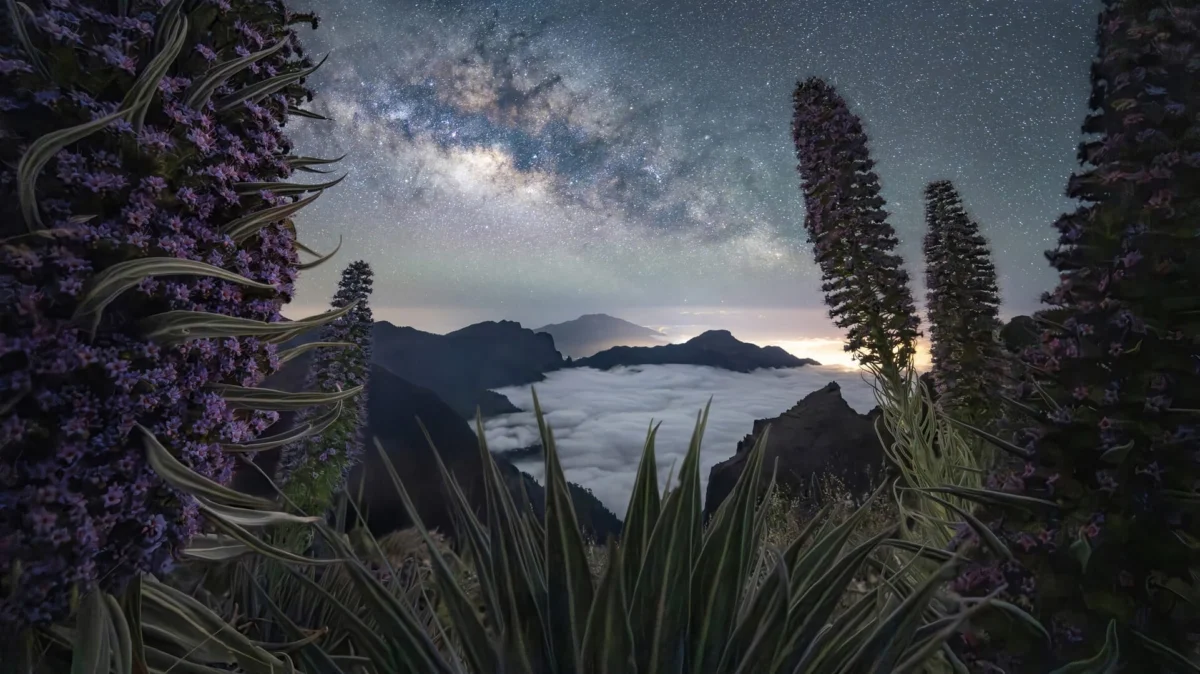
In an era defined by rapid urbanization and the relentless spread of artificial light, the pristine, ink-black tapestry of the cosmos is becoming a luxury of the few. Yet, for a dedicated community of night-sky enthusiasts, the pursuit of the perfect astronomical vista remains a vital mission. This year, the Capture the Atlas "Milky Way Photographer of the Year" competition has returned, offering a breathtaking survey of the universe as seen from the most remote corners of our planet. With a record-breaking 6,500 submissions, the 2026 edition serves as both a high-water mark for astrophotography and a sobering reminder of the fragile beauty we risk losing to light pollution.
The Core of the Competition: Bridging Science and Art
The Milky Way Photographer of the Year is not merely a contest of technical proficiency; it is an international effort to document the intersection of terrestrial landscape and celestial grandeur. From over 6,500 entries spanning the globe, a jury of expert curators selected the top 25 images. These finalists represent 12 distinct regions, ranging from the rugged volcanic peaks of the Canary Islands to the isolated, wind-swept wilderness of New Zealand’s South Island and the high-altitude deserts of Argentina.

The selection process prioritizes more than just a clear view of the galactic core. Judges look for narrative—how the foreground interacts with the background, the composition of the frame, and the photographer’s ability to capture a sense of place that feels truly "wild." These images are testament to the endurance of photographers who often spend weeks waiting for the perfect alignment of weather, moon phase, and atmospheric clarity.
A Chronology of Discovery: From Concept to Capture
The journey to these images often begins months, if not years, in advance. Unlike standard landscape photography, astrophotography requires a profound understanding of celestial mechanics.

- The Planning Phase (Months Prior): Photographers utilize sophisticated software like PhotoPills or Stellarium to track the precise movement of the galactic core relative to their chosen terrestrial subjects. For this year’s winner, Brendan Larsen, capturing the Milky Way over Syme Hut and Mt. Taranaki required navigating the unpredictable weather patterns of New Zealand’s alpine regions.
- The Expedition (Weeks/Days Prior): Many of these entries were shot in "Dark Sky Reserves"—internationally recognized areas that maintain low levels of light pollution. This involves long treks into high-altitude or remote desert environments, often carrying heavy specialized equipment—trackers, wide-aperture lenses, and sturdy tripods—into areas inaccessible by motorized transport.
- The Execution (The Night of): The actual capture is a delicate dance. Photographers must contend with the Earth’s rotation. Using motorized mounts (star trackers), they compensate for the planetary movement to keep the stars sharp during long exposures.
- Post-Processing (The Synthesis): Modern astrophotography is a feat of digital engineering. Photographers often employ techniques like "stacking," where multiple exposures are combined to reduce sensor noise, and "blending," where the sharp, properly exposed landscape is merged with the high-contrast celestial data.
Statistical Insights: The 2026 Landscape
This year’s edition of the contest revealed several shifting trends in the global astrophotography community:
- Geographic Diversity: While regions like the Canary Islands and the Southwestern United States have traditionally dominated the scene due to their high altitude and dry climates, 2026 saw a surge in high-quality entries from the Southern Hemisphere, particularly from Argentina and New Zealand.
- Technological Accessibility: The data indicates that the "barrier to entry" for high-end astrophotography is lowering. As sensor technology in consumer-grade mirrorless cameras improves, the clarity of foreground details in extreme low-light conditions has increased by approximately 20% compared to entries from five years ago.
- Volume vs. Quality: With 6,500 entries, the competition saw a 15% increase in volume from 2025. This growth suggests that the "dark sky movement" is gaining momentum, with more amateur photographers venturing into remote regions specifically to document the night sky.
Official Perspectives: The Philosophy of the Night
Dan Zafra, the editor of Capture the Atlas and the curator of the annual contest, has been a central figure in the growth of this event. In a statement reflecting on this year’s collection, Zafra emphasized the dual role of the photographer as both an artist and an advocate.

"Every year, this collection reminds us that photographing the Milky Way is not only about technique or planning," Zafra noted. "It is about curiosity, patience, and the desire to experience the night sky in places where it still feels wild. Many of these skies are becoming increasingly rare, and we hope these images inspire people not only to admire them, but also to value and protect them."
This sentiment is echoed by the photographers themselves. For artists like Max Terwindt, whose "Caldera Galaxy Panorama" captured the dramatic volcanic landscape of La Palma, the goal is to provide a "window into the abyss." By showing people what they are missing—the sheer density of the stars when freed from the orange glow of city lights—photographers hope to influence local policy regarding urban lighting and the establishment of more protected sky corridors.

Implications: The Fight Against Light Pollution
The most pressing implication of the 2026 Milky Way Photographer of the Year collection is the implicit warning about light pollution. According to the International Dark-Sky Association, artificial light now obscures the view of the stars for over 80% of the world’s population.
The Ecological Impact
While the photos are aesthetically stunning, they serve as a record of "what remains." Artificial light at night (ALAN) has been shown to disrupt the circadian rhythms of nocturnal animals, interfere with the migratory patterns of birds, and suppress the production of melatonin in humans. The contest’s organizers argue that by documenting these pristine sites, they are effectively building a visual database of biological and astronomical heritage.

Policy and Advocacy
The images act as a powerful tool for lobbyists and environmentalists. When a local government considers installing high-intensity LED streetlights that leak light upwards, the visual evidence provided by the contest helps stakeholders understand the value of "darkness." The 2026 winning entries serve as a standard for what a healthy night sky should look like, providing a benchmark for environmental impact studies.
The Future of the Craft
As satellite constellations—such as those used for global internet coverage—continue to populate the night sky, the job of the astrophotographer is becoming increasingly difficult. "Light trails" from satellites are now a common nuisance that must be edited out of thousands of frames. The 2026 competition highlights a community at a crossroads: as the heavens become more crowded with man-made objects, the value of those few remaining "unspoiled" patches of sky increases exponentially.

Conclusion: A Call to See
The 2026 Milky Way Photographer of the Year is more than a display of technical prowess; it is a profound reflection of our place in the universe. As we look at the breathtaking images—from the "Geminid Symphony" over the Roque de los Muchachos telescope to the ethereal ripples of the Pinnacles Desert—we are invited to step outside our glowing, connected cities and look upward.
These photographs act as a mirror, showing us the beauty we have forgotten and the responsibility we have to preserve it. The message from the 2026 finalists is clear: the night sky is not just a backdrop for our lives; it is an essential part of our heritage. As we move further into the 21st century, the ability to see the Milky Way might soon become a rare privilege, making the efforts of these photographers not just a hobby, but an essential act of documentation for future generations.


 Nana
Nana
 Nana Wu