

The cinematic landscape of video game adaptations has long been a minefield of tone, pacing, and fan expectations. When the 2021 reboot of Mortal Kombat arrived, it was met with a polarized reception; while many praised its commitment to the brutal, visceral aesthetic of the source material, others found it lacking in the narrative levity required to ground such an outlandish premise. Returning director Simon McQuoid and screenwriter Jeremy Slater were acutely aware of these critiques heading into the sequel.
Mortal Kombat II arrives not just as a continuation of the tournament, but as a deliberate course correction. It balances the franchise’s signature "Fatality-grade" gore with a surprising, refreshing sense of humor. Amidst the flurry of bone-snapping combat and fan-service cameos—most notably the appearance of series co-creator Ed Boon—one specific moment of levity has emerged as the film’s standout sequence. In a rare instance of meta-humor, the rogue mercenary Kano, portrayed with chaotic brilliance by Josh Lawson, delivers a stinging, pop-culture-infused insult that has fans and critics alike buzzing.
The Return of the Outlaw: Kano’s Resurrection
To understand the weight of this moment, one must first address the narrative hurdle the film had to clear: the death of Kano. In the 2021 predecessor, Kano was dispatched in a display of iconic, if absurd, violence involving a garden gnome. Yet, in the world of Mortal Kombat, death is rarely a permanent condition.
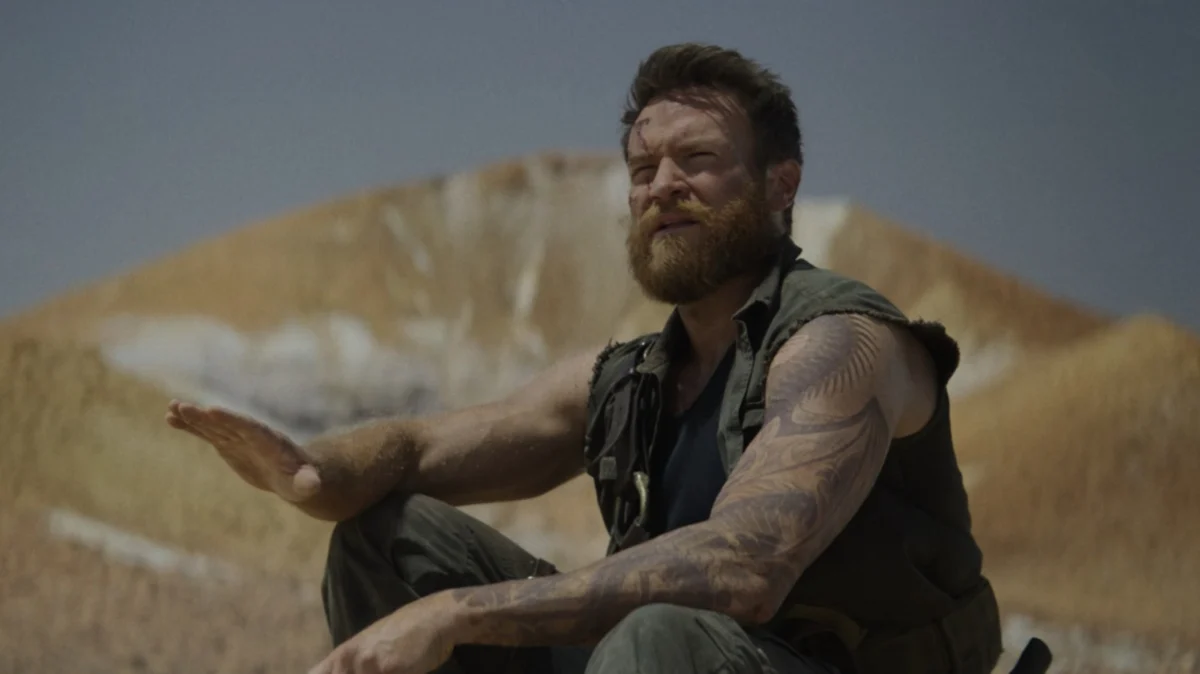
The sequel introduces the sorcerer Quan Chi, played by Damon Herriman. Known in the game’s deep lore for his ability to manipulate souls and reanimate the fallen, Quan Chi serves as the catalyst for Kano’s return. Typically, those resurrected by the sorcerer become revenants—mindless, shackled servants to the dark emperor Shao Kahn. However, Kano is not a typical character. His sheer, unadulterated willpower allows him to return to the fray with his personality entirely intact.
This decision was a masterstroke by the creative team. By bringing back Kano, they reinstated the film’s primary source of irreverent wit. Lawson’s performance serves as a vital pressure valve, preventing the high-stakes, myth-heavy plot from becoming overly self-serious or melodramatic.
The "Pennywise" Quip: A Masterclass in Improvised Wit
The narrative centerpiece arrives when Kano encounters the pale, ghostly visage of Quan Chi. Rather than cowering in the face of a powerful dark sorcerer, Kano sizes him up with the flippancy of a man who has nothing to lose. He looks at the ashen-skinned, demonic entity and labels him "Pennywise," a direct reference to the ancient, shape-shifting clown from Stephen King’s It.
The brilliance of the joke lies in its precision. As Lawson himself noted in recent discussions, the script for Mortal Kombat II was solid, but director Simon McQuoid allowed for "playing in the sandbox" once the core coverage was secured. This specific ad-lib succeeds for three primary reasons:
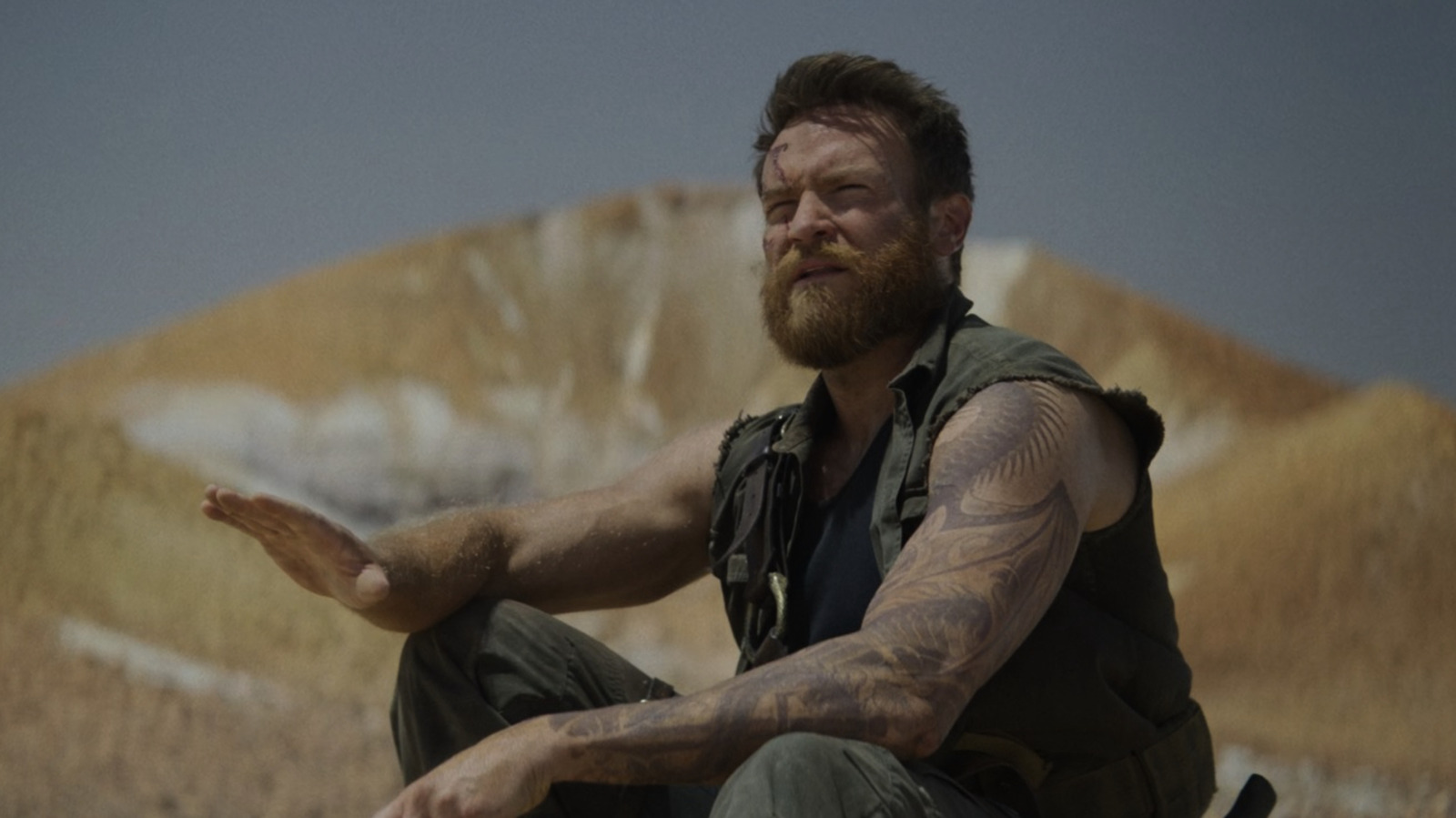
- Character Authenticity: Kano is a cynical, modern-world mercenary. Referencing a pop-culture icon like Pennywise fits his voice perfectly; he isn’t a mystical monk or an ancient deity, he is a man who knows what horror looks like in the modern world.
- The Subversion of Terror: By comparing an intimidating, god-like antagonist to a child-eating clown, Kano immediately diminishes the perceived threat level of the villain. It is a power move that establishes Kano as the ultimate nihilist in a room full of warriors who take themselves far too seriously.
- The "Skeletor" Alternative: As analysts have pointed out, the joke could easily have fallen flat if it had been a more generic insult. Calling him "Skeletor" (from Masters of the Universe) would have felt like a tired trope. By choosing "Pennywise," the film taps into a genuine, contemporary fear that resonates with the audience, making the interaction feel more grounded in our reality.
The Creative Philosophy: Roughing Up the Edges
The inclusion of such moments reflects a broader shift in the film’s production philosophy. Josh Lawson, who shares a significant amount of screen time with fellow comedic force Karl Urban (playing Johnny Cage), was granted significant leeway by McQuoid to "rough up the edges" of the dialogue.
In a recent interview, Lawson discussed the mechanics of successful improvisation in a high-budget action film: "Not saying you want to go riff on every line. You wouldn’t need to because the script is solid. You definitely do it scripted a few times. Then Simon goes, ‘We got time. Let’s play.’ Even one or two of those in a scene, it just helps rough up the edges a bit. I think it makes the characters feel a little looser, a little bit less predictable."
This approach addresses the "lore bloat" that often plagues sequels based on expansive video game franchises. By allowing the actors to inject their own timing and humor, the film gains a layer of "humanity." The characters feel like living, breathing individuals who are reacting to the absurdity of their situation, rather than just reciting lines from a pre-determined mythos.
Supporting Data: The Impact of Tonality in Adaptations
Why does a single line matter so much to the success of a film? Market research on video game adaptations suggests that audiences crave a balance between "faithful spectacle" and "narrative accessibility."
In 2021, Mortal Kombat suffered from a perceived lack of warmth. The characters were often archetypal, and the dialogue was frequently subservient to the fight choreography. By contrast, Mortal Kombat II uses the "Pennywise" moment as a benchmark for its new, more fluid tone.
Data from social media sentiment analysis indicates that clips featuring Kano’s humor have seen higher engagement rates than those focusing solely on the film’s fatalities. This suggests that while fans come for the violence, they stay for the character dynamics. The "Pennywise" joke serves as a bridge, connecting the hyper-violent fantasy world of Outworld with the relatable, pop-culture-saturated lives of the audience.
Official Responses and Creative Direction
Director Simon McQuoid has remained consistent in his messaging regarding the film’s evolution. In various press junkets, he has emphasized that the goal for the sequel was "expansion through evolution." He acknowledged that the first film was a foundational exercise, establishing the world and the stakes. With those elements locked in, the sequel was given the freedom to explore the "texture" of the characters.
"We wanted to see what happens when these people are actually living in these worlds," McQuoid stated. "Kano is the perfect character for that. He’s the guy who doesn’t care about the prophecy or the tournament rules. He cares about survival, ego, and his next drink. When you have a character like that, you need to let him be the voice of the audience."
The inclusion of these ad-libbed moments has not been viewed as a detraction from the film’s gravity. Instead, industry analysts suggest it has elevated the franchise’s brand identity. Mortal Kombat is no longer just a "fighting movie"—it is becoming a character-driven action-comedy hybrid, a shift that aligns it with successful modern franchises like the Deadpool series or The Suicide Squad.
Implications: The Future of the Franchise
The success of the "Pennywise" moment holds significant implications for the future of the Mortal Kombat cinematic universe. If the studio continues to lean into this blend of extreme violence and grounded, character-led humor, it will likely solidify the franchise’s place as a cornerstone of the genre.
Furthermore, this pivot demonstrates a maturation in how studios handle IP (Intellectual Property). Rather than strictly adhering to the source material’s rigid canon, filmmakers are realizing that the "spirit" of the game is more important than the literal sequence of events. The spirit of Mortal Kombat has always included a fair amount of camp and dark, tongue-in-cheek humor—elements that were largely absent from the 2021 film but are now flourishing in the sequel.
As Mortal Kombat II continues its theatrical run, the "Pennywise" quip serves as a vital case study. It proves that even in a world defined by magical portals, demonic sorcerers, and ice-wielding ninjas, the most effective weapon in a warrior’s arsenal might just be a sharp, well-timed joke. The film is currently in theaters everywhere, inviting audiences to witness a franchise that has finally learned how to stop taking itself so seriously, and in doing so, has become better than ever.









No comments yet. Be the first to join the conversation!