Jia Lissa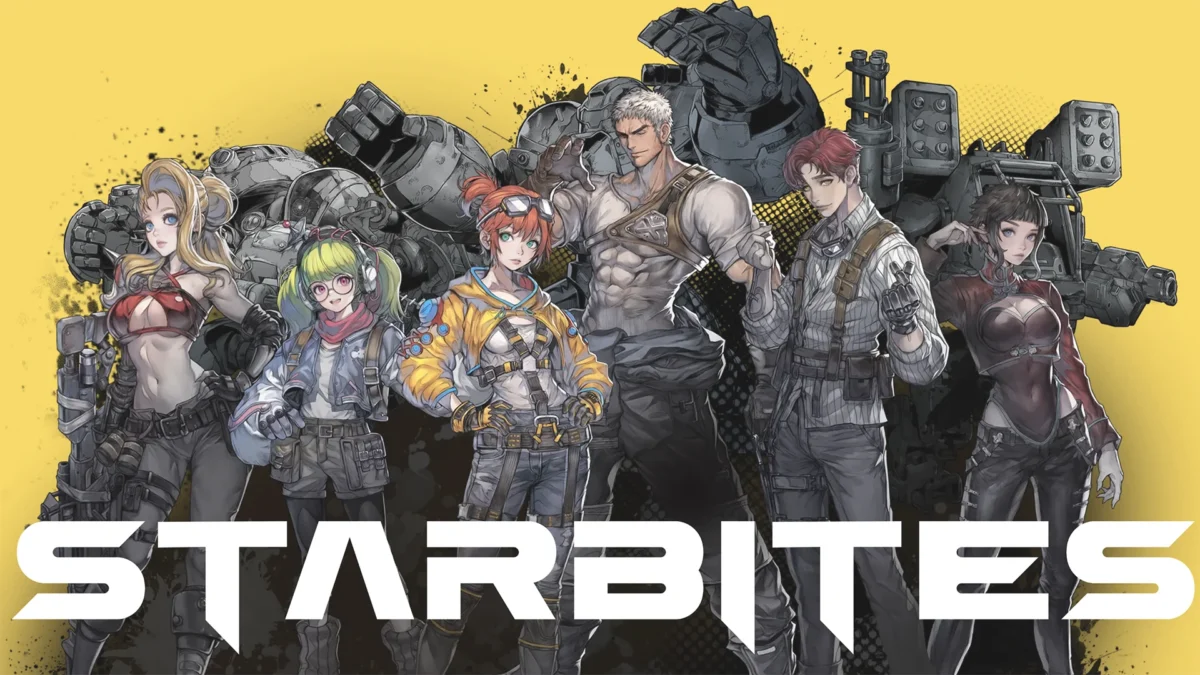
In the ever-expanding landscape of role-playing games, developers often find themselves caught between the desire to innovate and the comfort of the "tried-and-true." For IKINAGAMES, a South Korean studio established in 1995 with a pedigree in platformers and visual novels, the pivot toward the JRPG genre with their latest title, Starbites, is a bold, nostalgic, and ultimately successful endeavor. While the game embraces the classic tropes of the genre—turn-based combat, a linear narrative, and a fixed, evolving cast—it manages to carve out its own identity through a blend of striking aesthetic choices and a surprisingly grounded, heartfelt story.
The World of Bitter: A Sci-Fi Odyssey
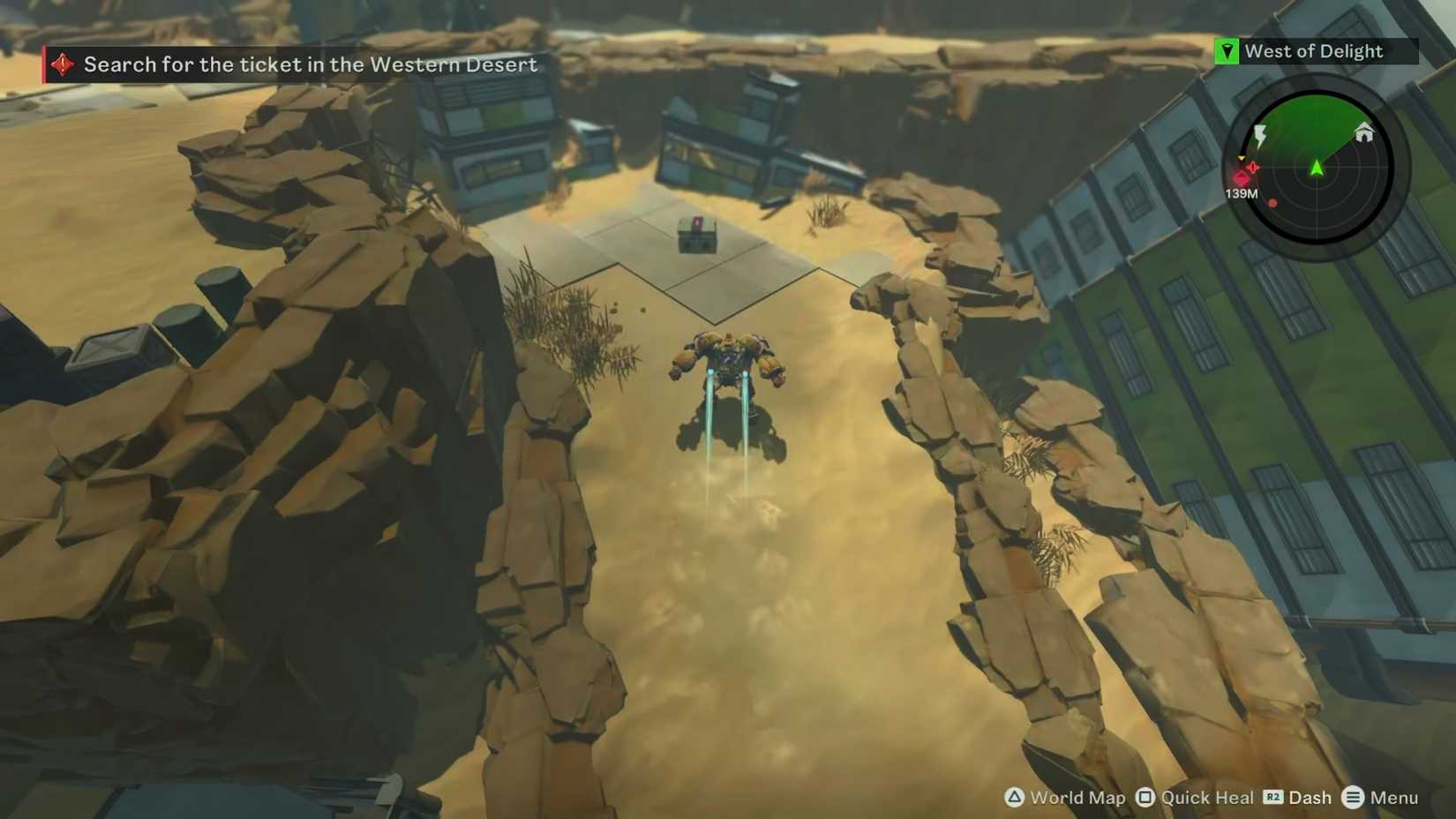
Starbites transports players to the desolate, sand-swept planet of Bitter, a world still reeling from the scars of a cataclysmic interstellar war. The setting serves as more than just a backdrop; it is a character in itself, defined by its harsh environment and the weary resilience of its inhabitants.

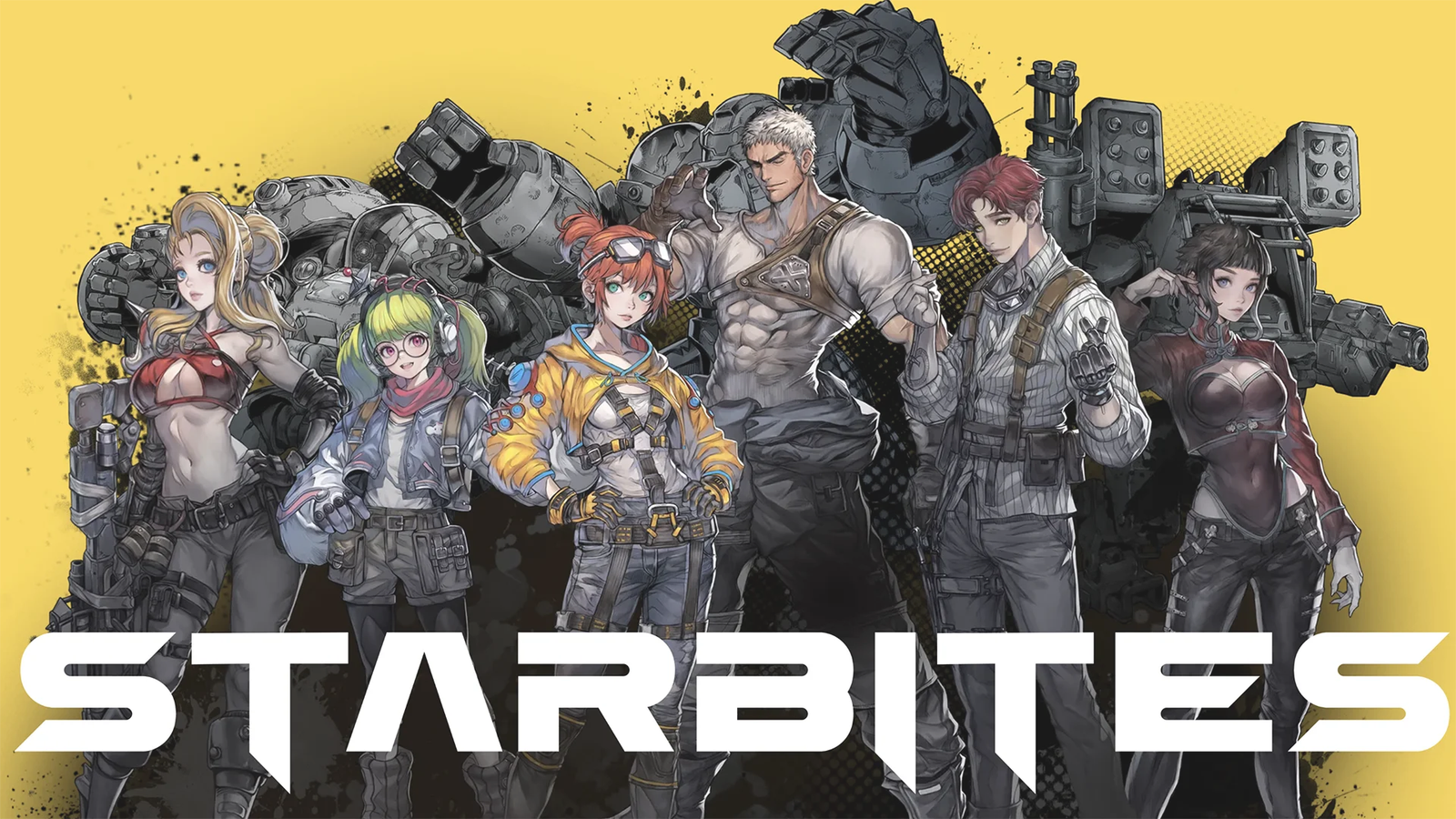
The narrative centers on Lukida, a scavenger whose financial burden is as heavy as the mechanical parts she salvages. Trapped under the crushing weight of astronomical debt, she serves as a proxy for the player’s exploration of Delight, the only remaining functional city on the planet. The local authority, a character named Fennec, serves as both creditor and antagonist, effectively acting as the de facto mayor of this broken world.

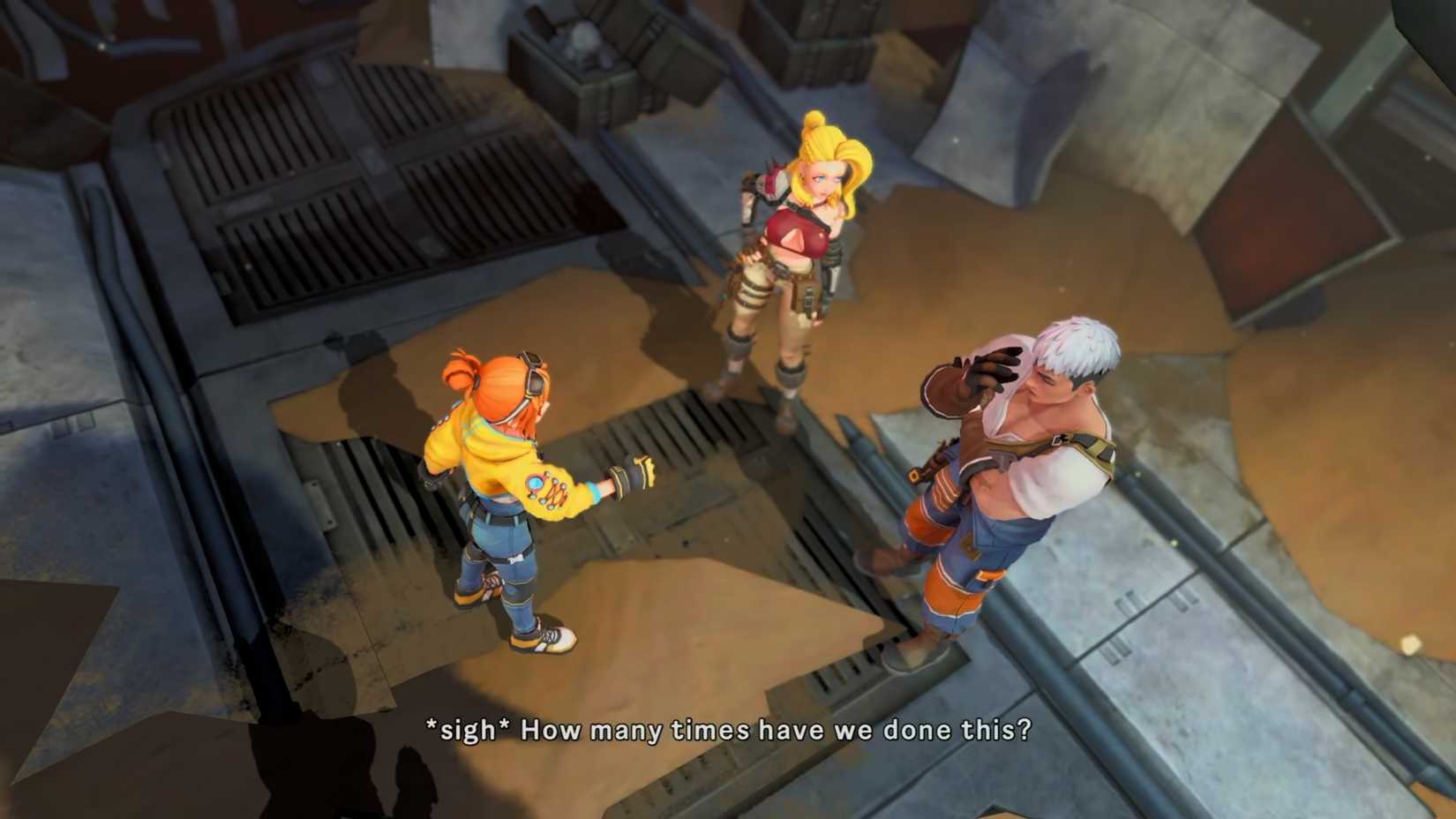
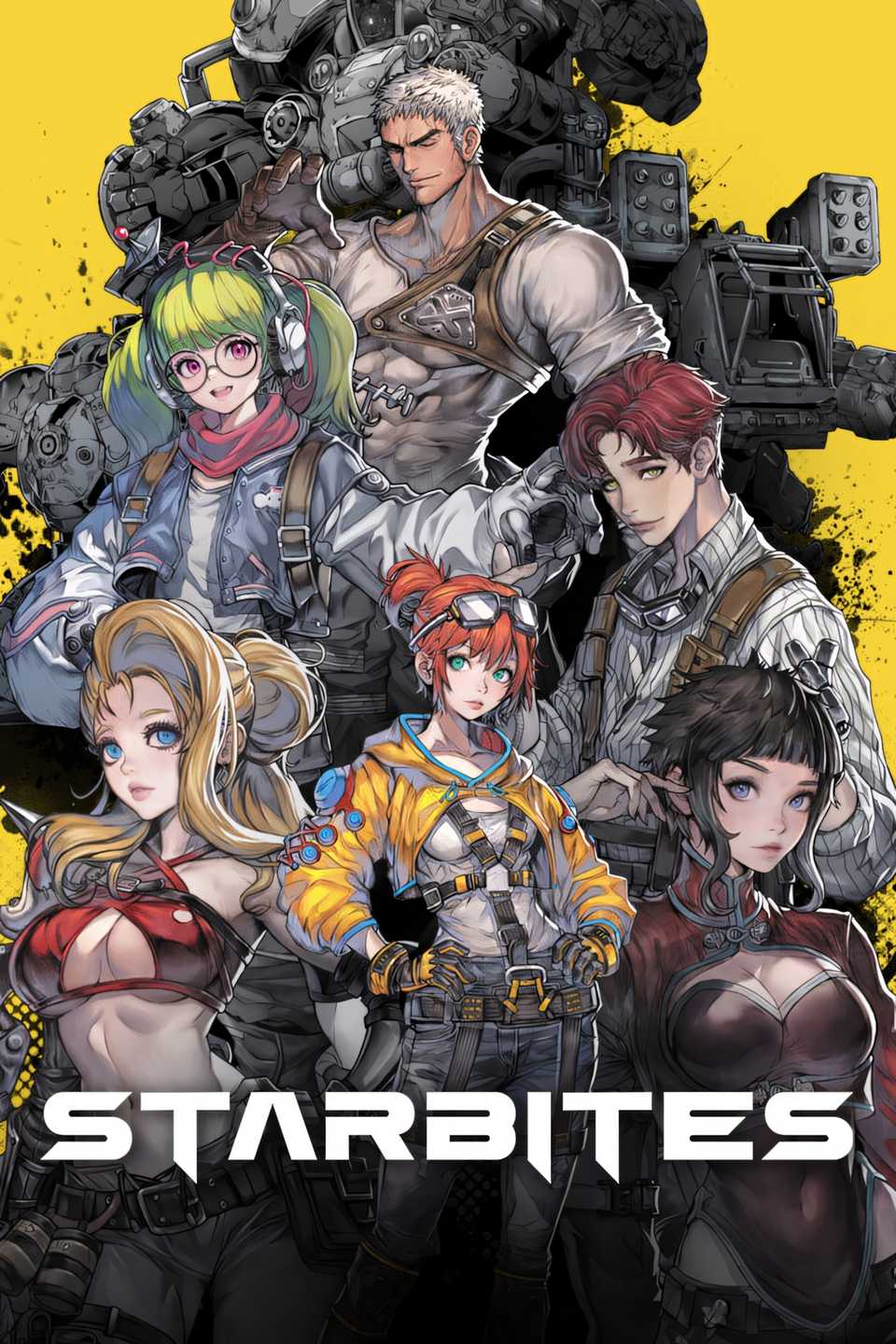
The brilliance of the story lies in its pacing and character dynamics. Rather than overwhelming the player with immediate, complex lore dumps, Starbites opts for a more organic approach. We are introduced to the world through the eyes of the protagonist and her primary companions: the pragmatic engineer Badger and the world-weary, alcoholic bounty hunter Gwendol. The chemistry between this core group is palpable. They are not merely archetypes; they are intelligent, reactive characters who acknowledge the absurdity of their situation in real-time, preventing the common frustration of "plot-induced stupidity" often found in the genre.
A Chronology of Conflict and Growth
The game’s progression follows a classic, albeit refined, JRPG structure. The first several hours are dedicated to world-building, establishing the desperation of the setting and the personal stakes for our cast. By the mid-game, the scope broadens, shifting from simple survival to a larger, more coherent conflict that ties the various subplots together.

While the story follows a predictable path—an introduction to the environment, a central conflict, and a final act that synthesizes the lore—it succeeds because of its sincerity. There are moments where the plot relies on convenient contrivances to keep the momentum going, yet the script remains remarkably tight. For players seeking a "palate cleanser" from the industry’s trend of 100-hour-plus epics, Starbites offers a satisfying, 20-hour journey that respects the player’s time.

The integration of lore is handled with precision. Rather than forcing information on the player, the game scatters details through item descriptions, environmental storytelling, and NPC dialogue. By the end of the journey, the mystery surrounding the secondary cast feels fully resolved, leaving no loose ends that would necessitate forced exposition.
Mechanical Depth and Combat Philosophy
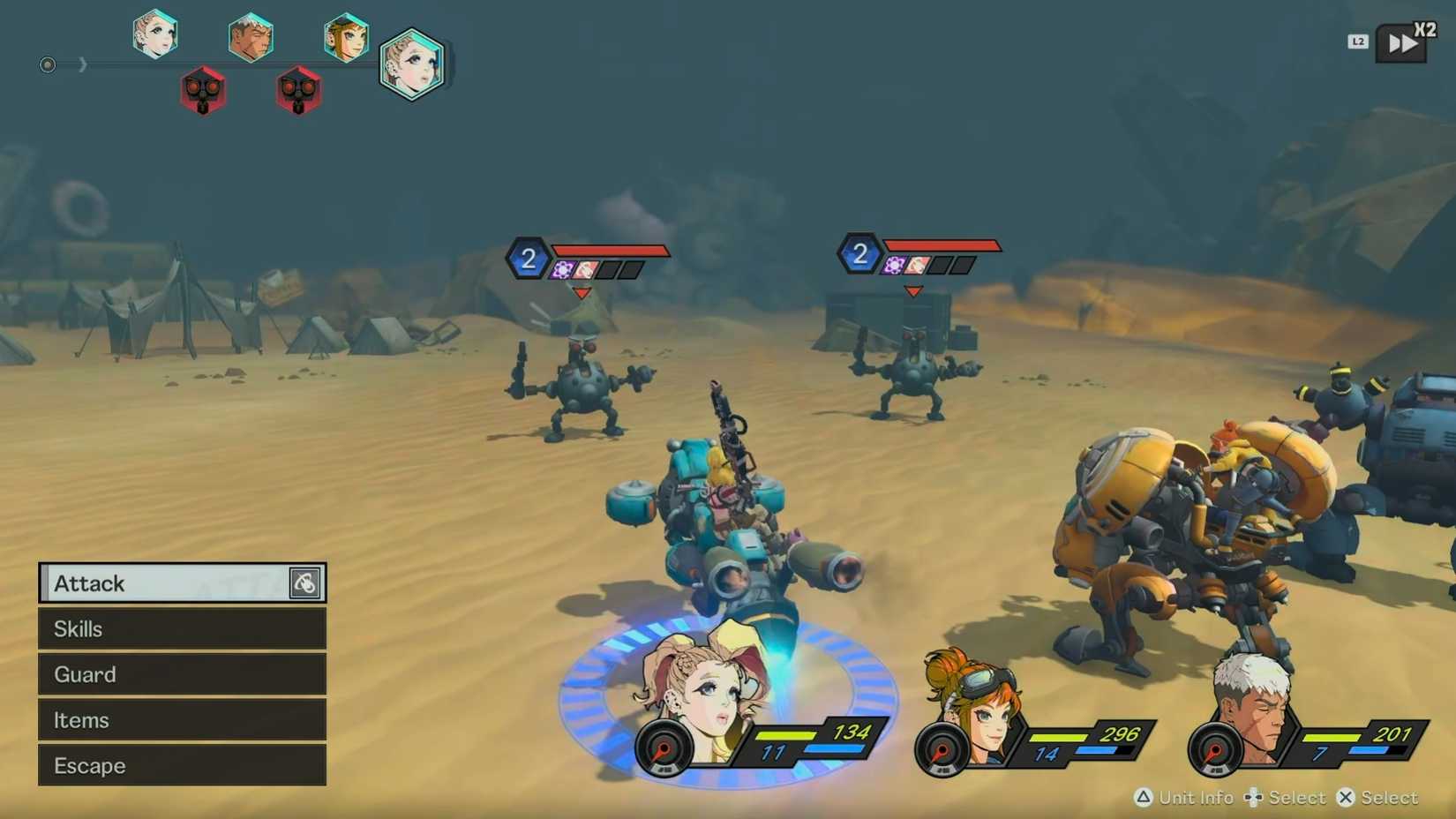
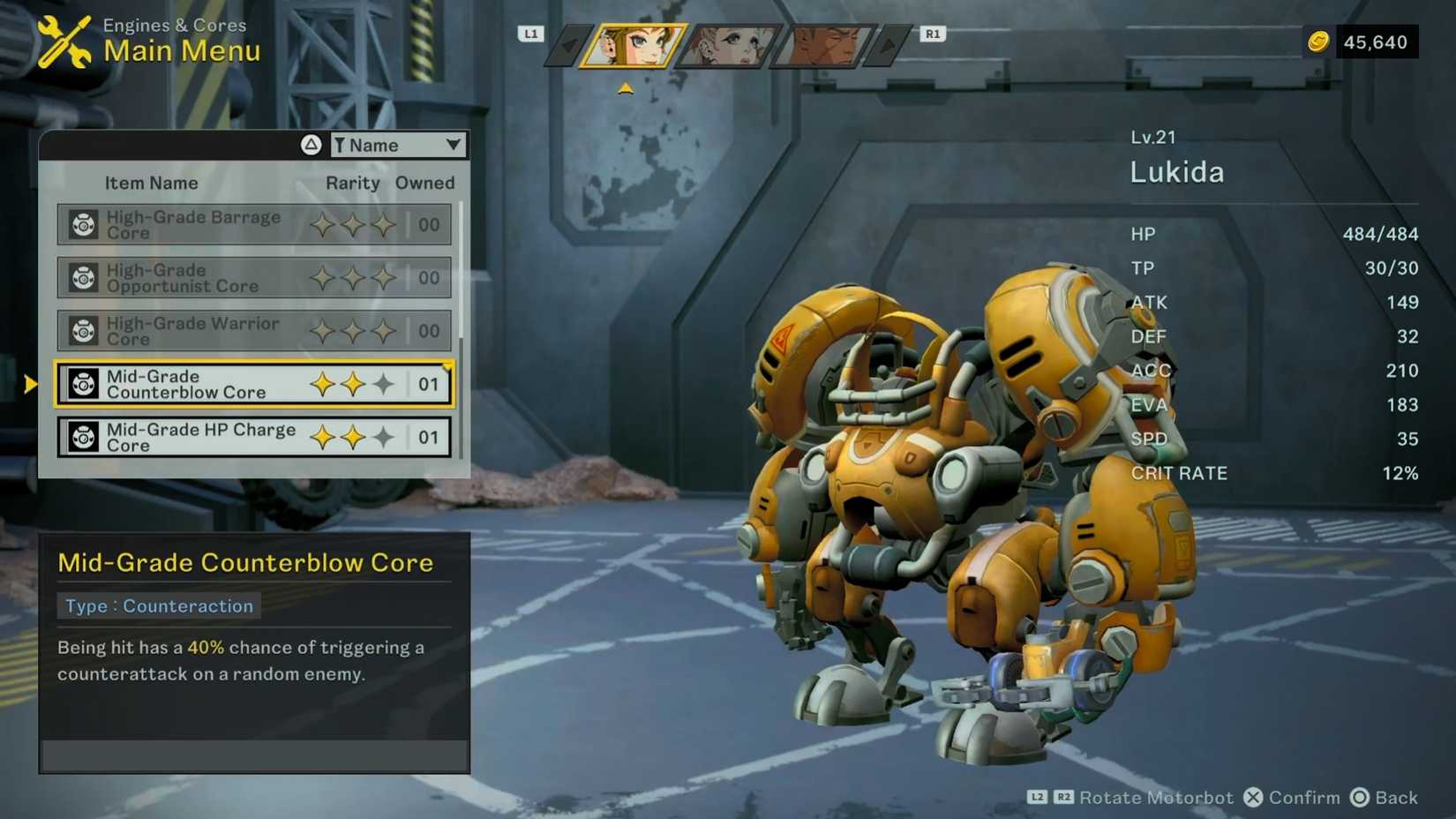
At its core, Starbites utilizes a turn-based system that will feel immediately intuitive to veterans of the genre. Each character pilots a "Motorbot" mech, and battles are determined by a timeline-based turn order. The combat system draws clear inspiration from the "Break" mechanics popularized by titles like Octopath Traveler, where identifying and exploiting enemy weaknesses (piercing, burn, or slash damage) is the key to victory.
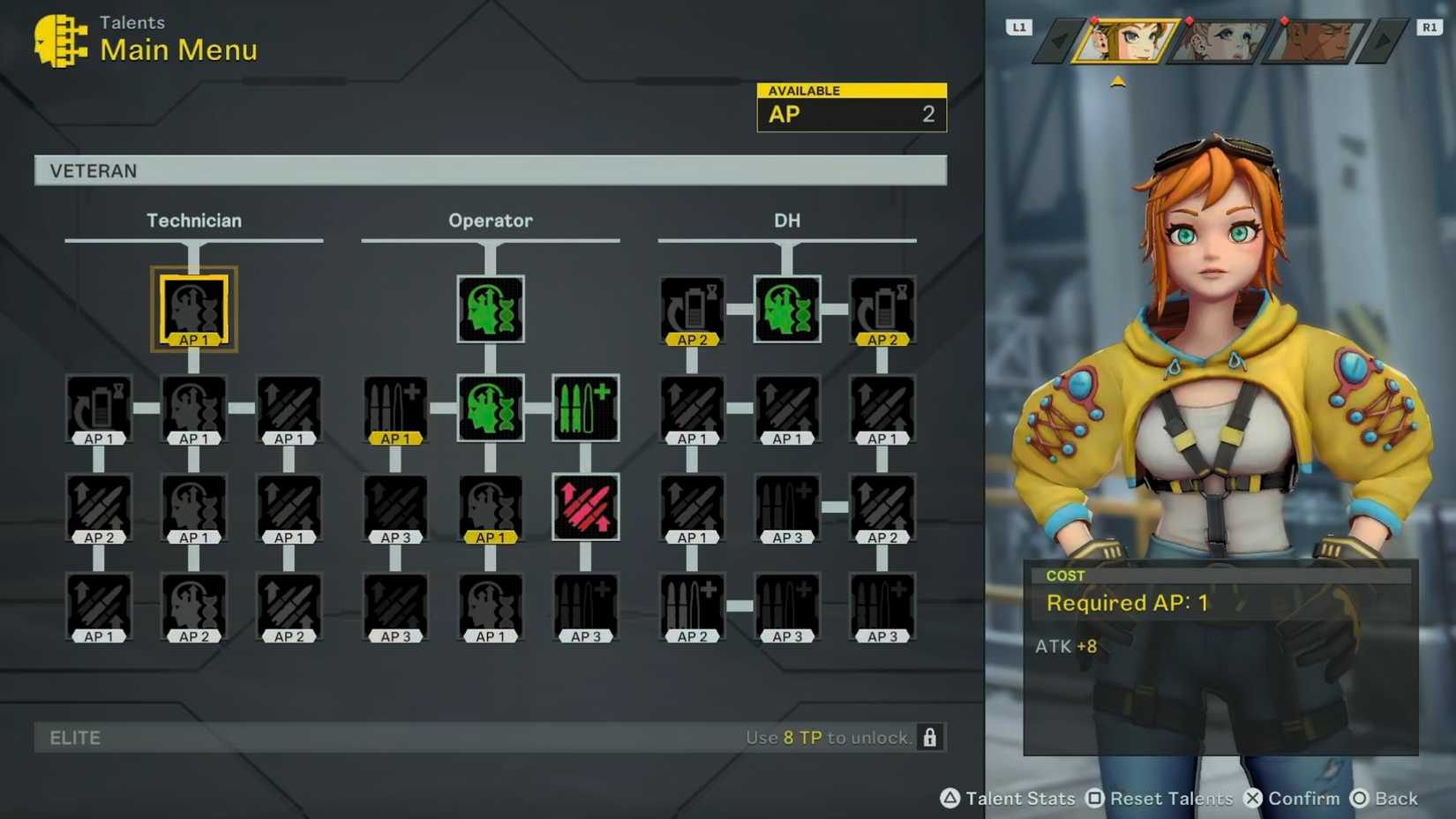
A standout addition is the "Driver’s High" mechanic. This gauge, when filled, allows a character to act instantly with an empowered version of their skill—a system reminiscent of the S-Crafts found in the Trails series. However, the game does present a curious design choice regarding the talent tree. Players may find that base-skill improvements do not automatically translate to the "Driver’s High" versions, necessitating a separate, often tedious, investment of points. This leads to a somewhat unbalanced experience where, in the latter half of the game, players may find themselves relying on a "surefire" strategy that trivializes even the most difficult encounters.
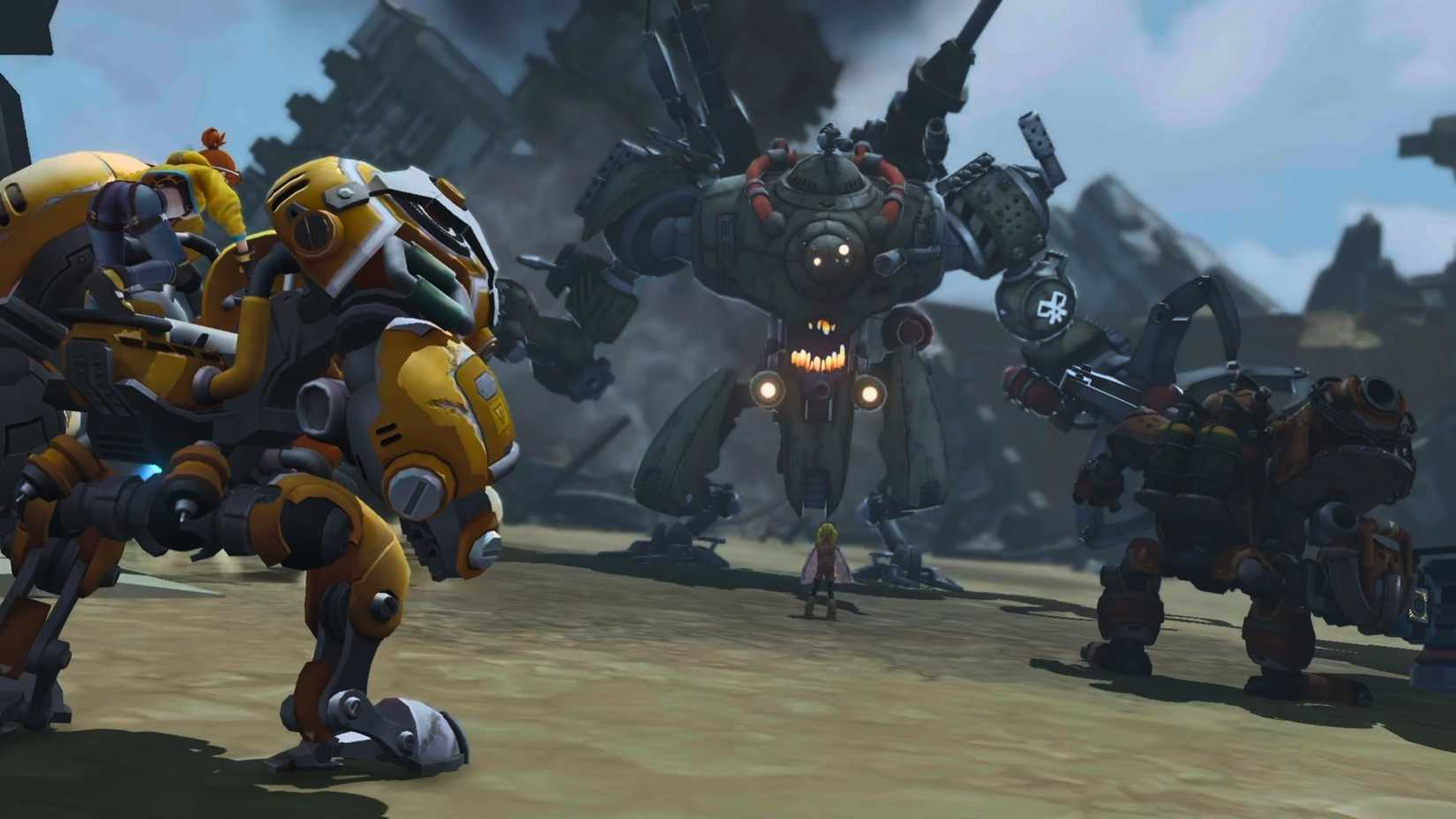
Despite these minor balancing issues, the boss battles remain the highlight of the gameplay loop. These encounters require genuine strategy and conscious command decisions, serving as a stark contrast to the frequent, sometimes repetitive, fodder battles that populate the world’s map.
Aesthetic Presentation and Audio Design
Visually, Starbites is a triumph. The character illustrations are exquisite, offering a level of expressiveness that breathes life into every dialogue scene. While the 3D models differ slightly from the 2D art, both styles are highly polished. The game’s camera work, particularly during cutscenes, enhances the emotional weight of character interactions, making even simple conversations feel cinematic.
The sound design, led by producer "dk," is largely impeccable. The soundtrack is a masterclass in atmospheric composition, with boss themes shifting between frantic, high-octane electronic tracks and heavy, guitar-driven anthems that capture the epic scope of the narrative. However, the game suffers from a lack of "audio weight" in its sound effects. The impact of heavy artillery, such as Gwendol’s sniper shots, often lacks the auditory punch one would expect, and some boss encounters suffer from an absence of sound effects entirely. While the developer has promised a day-one patch to address these technical hiccups, the current lack of impact can occasionally mar the otherwise polished combat experience.
Implications for the Indie JRPG Market
Starbites is a testament to the fact that a game does not need to reinvent the wheel to be exceptional. By leaning into the "tried-and-true" formula, IKINAGAMES has created an experience that feels both comforting and fresh. Its success highlights several key implications for the future of indie RPGs:
- Quality Over Quantity: The 20-hour runtime is a deliberate choice that proves games do not need to be bloated to be meaningful. The pacing, despite a few saggy moments, keeps the player engaged without the fatigue common in massive open-world titles.
- Character-Driven Narratives: The emphasis on a smaller, well-developed cast allows for better chemistry and more impactful storytelling than games that attempt to juggle dozens of shallow characters.
- The "JRPG" Label: The developer’s insistence on calling Starbites a JRPG, despite its Korean origins, underscores the evolution of the genre. It is no longer just a geographical classification; it is a design philosophy—a set of mechanics and emotional beats that resonate with a global audience.
Conclusion: A Worthy Addition to the Genre
Starbites is not without its flaws. The pacing stumbles in the latter half, the balance of the talent tree is slightly counter-intuitive, and the audio feedback requires further refinement. Yet, these issues are minor compared to the sheer joy of the experience. It is a game that respects the intelligence of its players, provides a cohesive and satisfying story, and delivers a combat system that, while familiar, is undeniably fun.

For those looking to escape the daunting commitment of 100-hour sagas, Starbites is an essential addition to any RPG collection. It is a heartfelt, colorful, and brilliantly written adventure that proves that even in a devastated world, there is plenty of room for charm, strategy, and a truly great story. Whether you are a veteran of the genre or a newcomer, the journey through the sands of Bitter is one well worth taking.


 Ammar Sabilarrohman
 Basiran