Pevita Pearce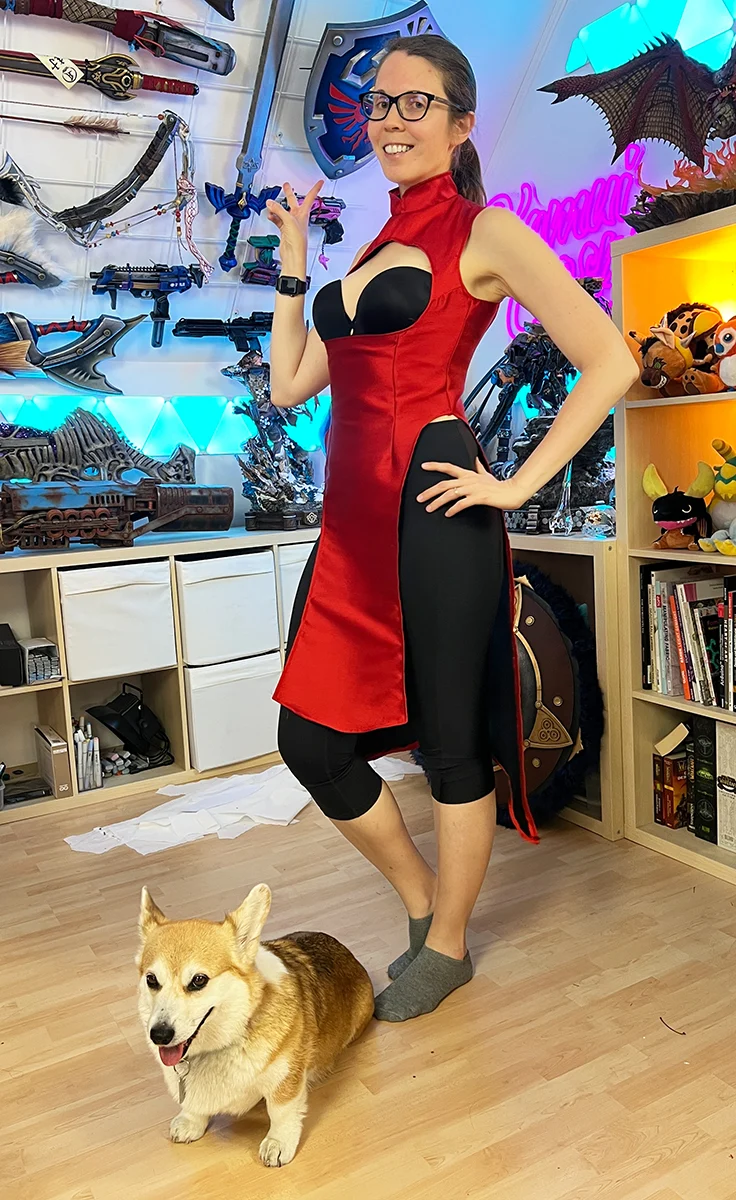
Since the explosive global launch of Genshin Impact in 2020, the game has become more than just an open-world phenomenon—it has become a cornerstone of modern cosplay culture. Among the thousands of fans translating Teyvat’s vibrant roster into physical reality, few have achieved the level of craftsmanship exhibited by Svetlana Quindt, known globally as Kamui Cosplay.

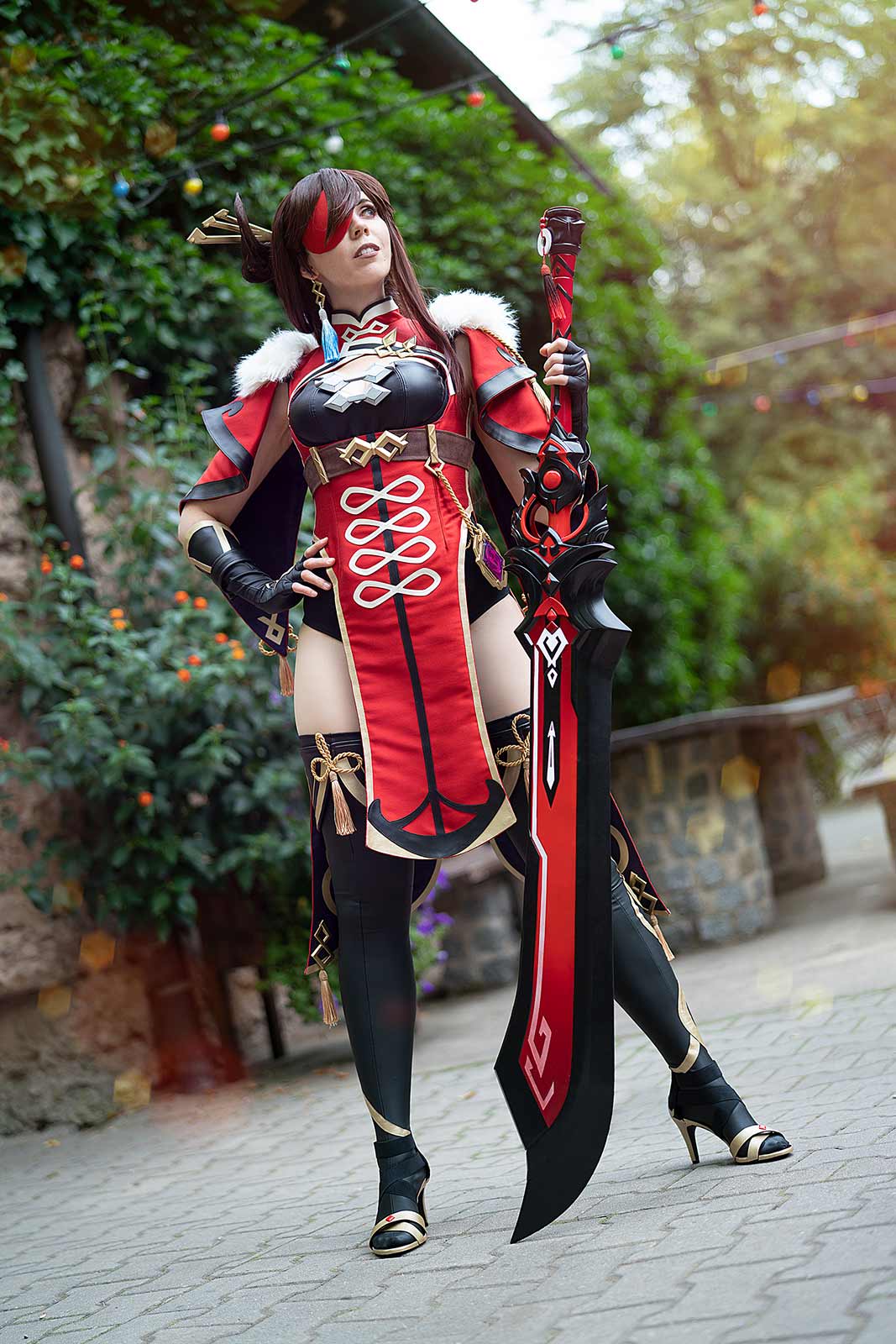
In a recent, highly ambitious project, Quindt took on the role of Beidou, the formidable Captain of the Crux Fleet. This 1,200-hour-plus undertaking serves as a masterclass in modern costume engineering, blending traditional sewing techniques with cutting-edge digital fabrication.
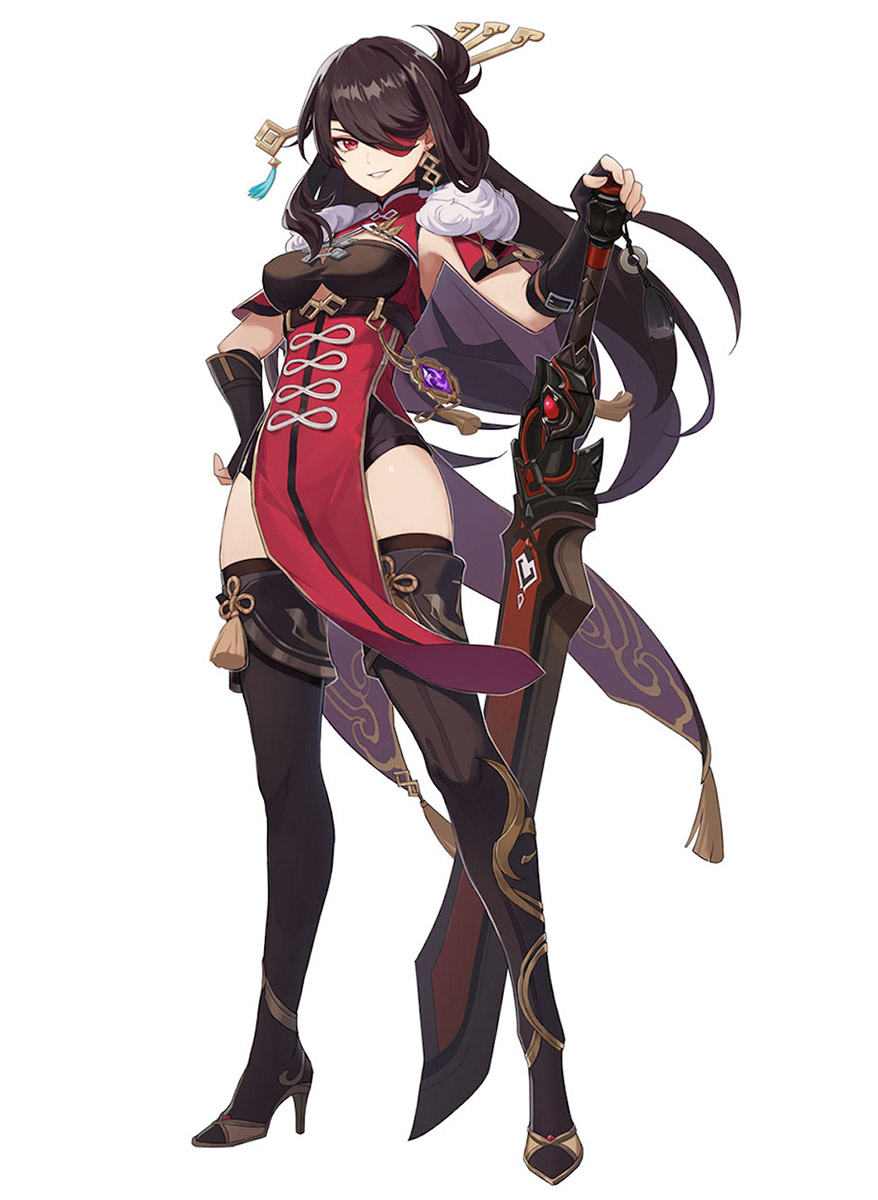
Main Facts: Bringing the Captain of the Crux to Life
The project, commissioned by Genshin Impact developers HoYoverse, represents an eight-week intensive development cycle. The goal was to recreate the high-seas commander with absolute fidelity, focusing on the intricate details of her Liyue-inspired aesthetic.
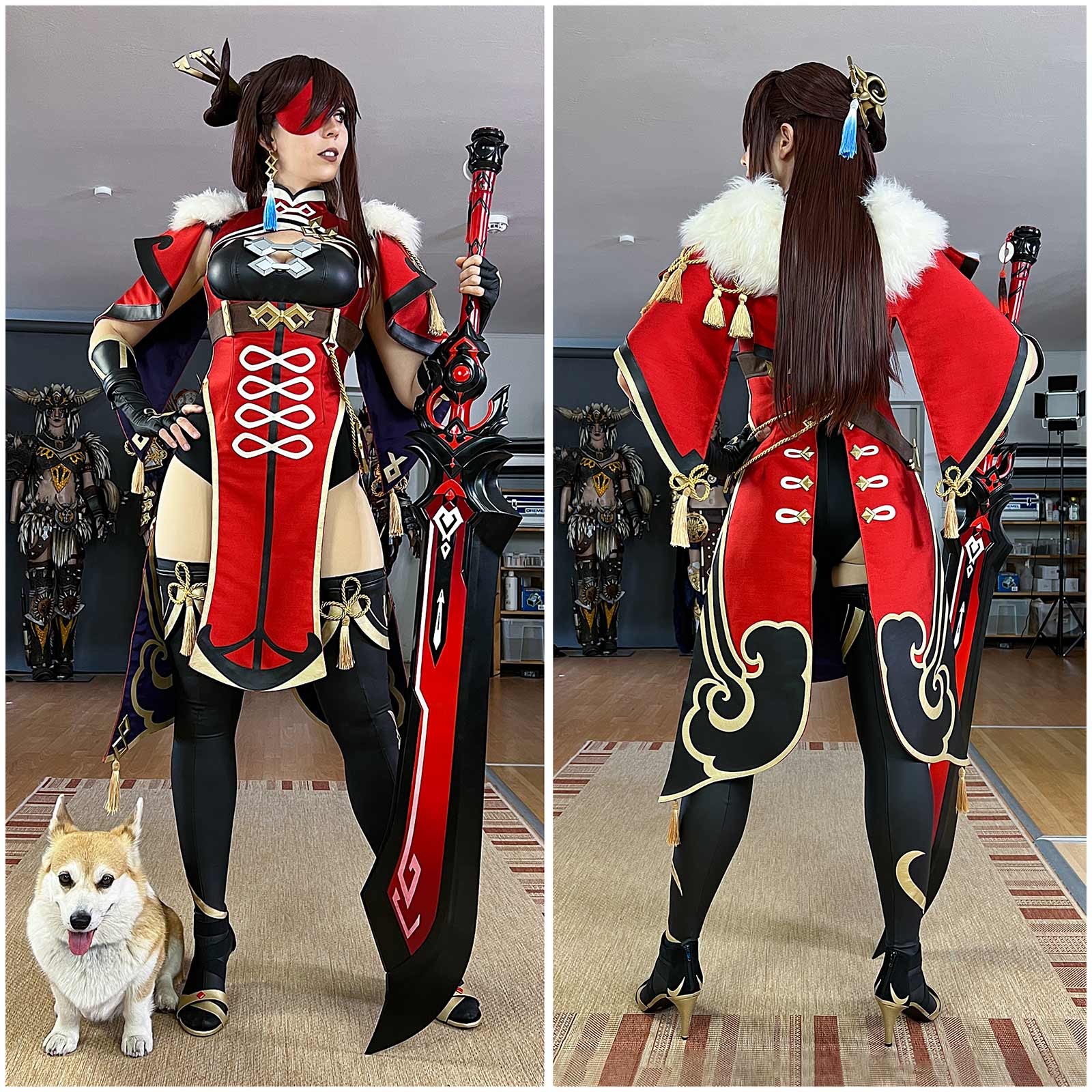
The resulting costume is not merely a garment; it is a complex assembly of high-end textiles, custom-engineered 3D-printed armor, and laser-cut vinyl applications. The ensemble is anchored by a screen-accurate version of the "Blackcliff Slasher" claymore, a massive prop that required two weeks of continuous 3D printing and three weeks of post-processing. For Quindt, the project was a personal milestone, bridging the gap between her long-term hobbyist passion for the game—which began in 2021—and her professional career as a world-renowned costume designer.
Chronology of Construction: The Eight-Week Sprint
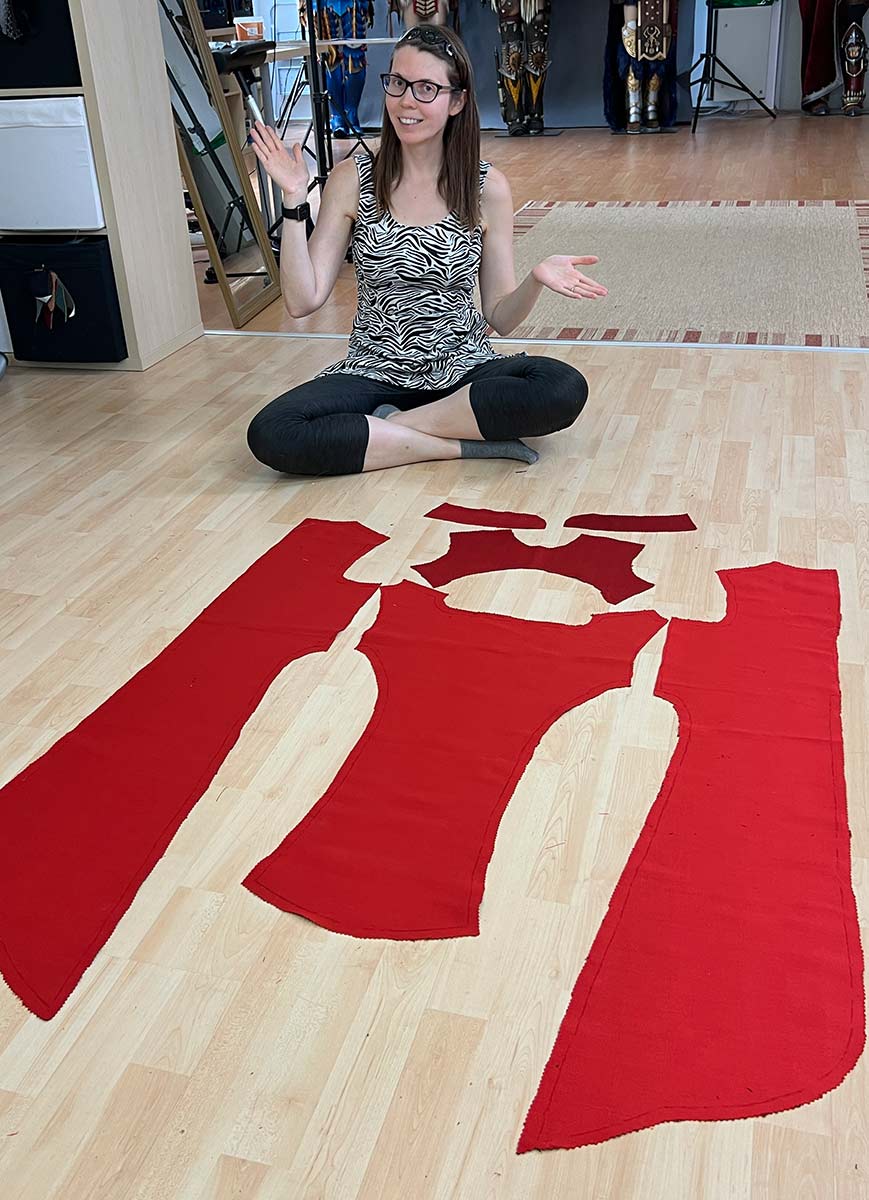
Weeks 1-2: Patterning and Structural Integrity
The construction began with the "duct tape pattern technique," a tried-and-true method in the cosplay community. With the assistance of her husband and creative partner, Benni, Quindt created a precise body mold to ensure the dress would fit perfectly without the need for mass-market compromises.
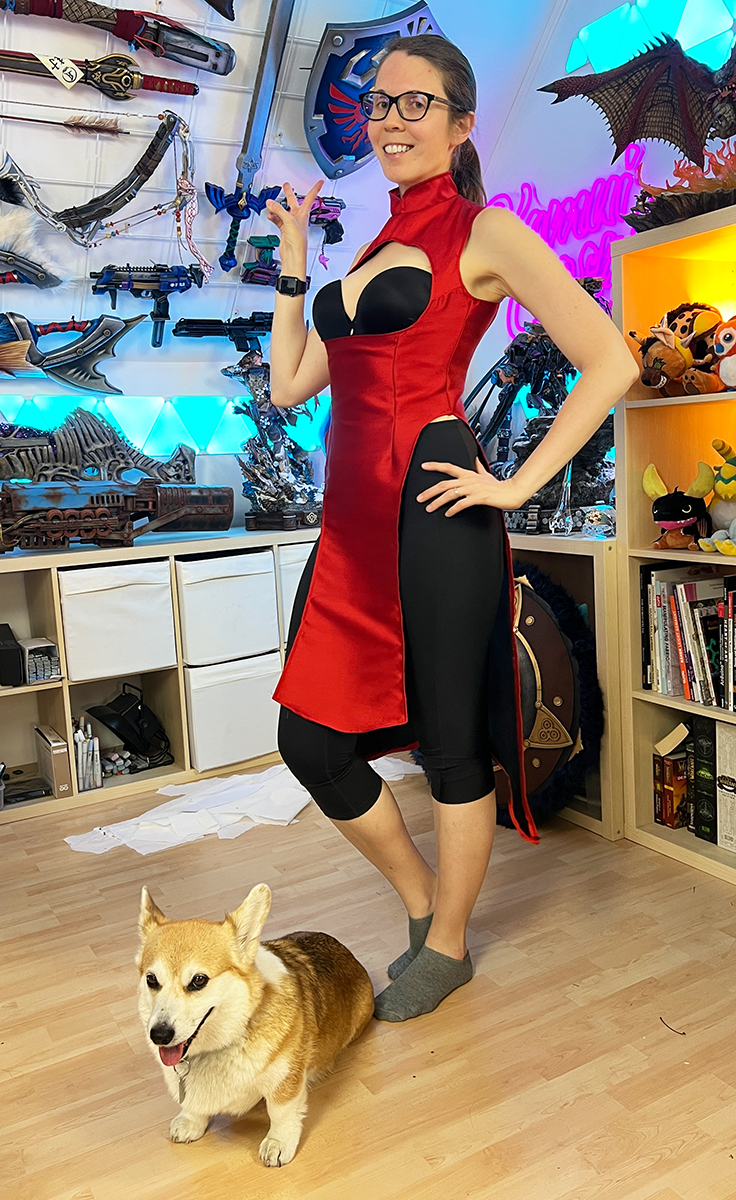
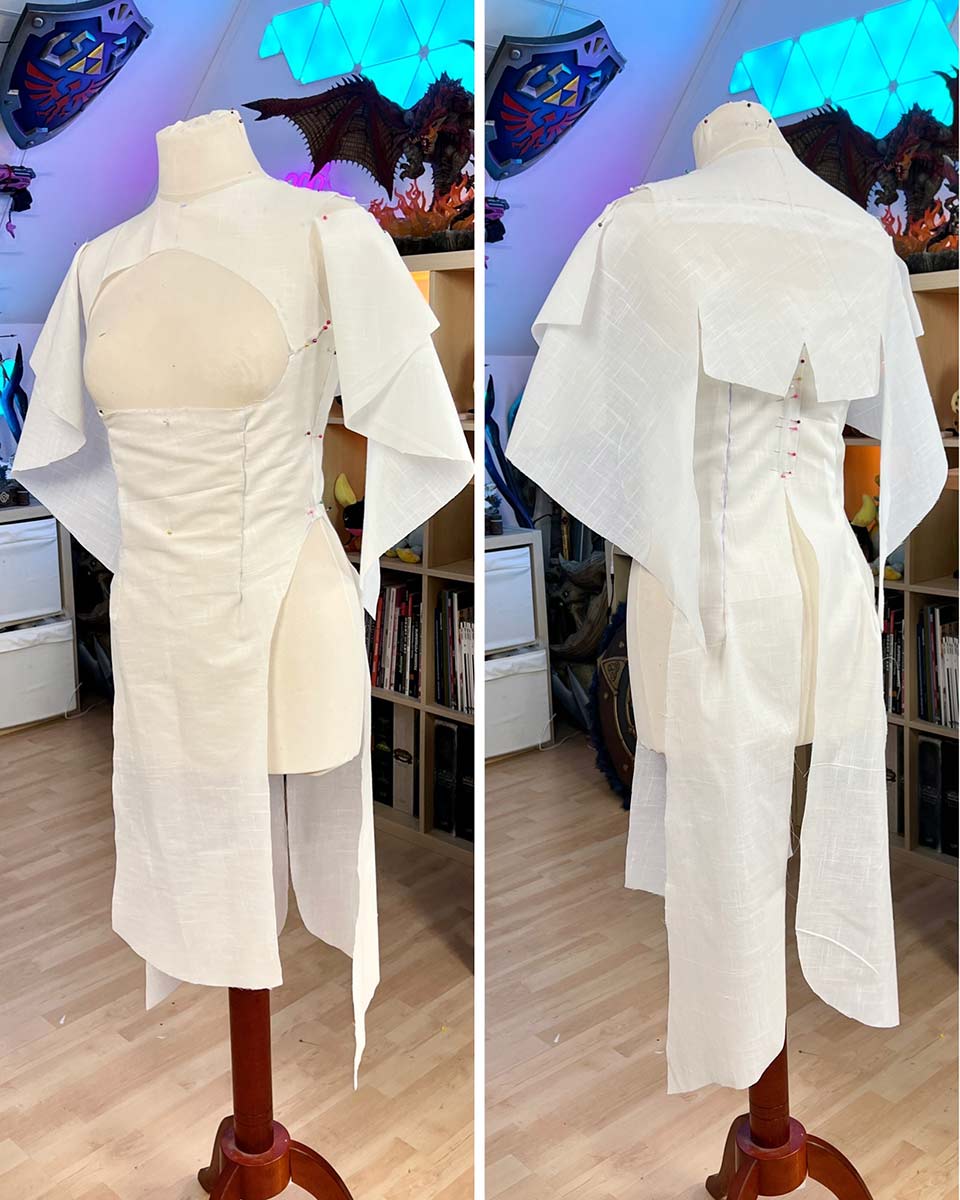
Using the Games Fashion Archive—a vital resource for 3D game models—the team mapped every seam and fold of Beidou’s outfit. The dress was initially drafted onto linen to test the silhouette before transitioning to the final materials. The duo utilized a professional-grade dress form, allowing them to refine the patterns directly on a mannequin that matched Quindt’s proportions.
Weeks 3-5: Textile Selection and Assembly
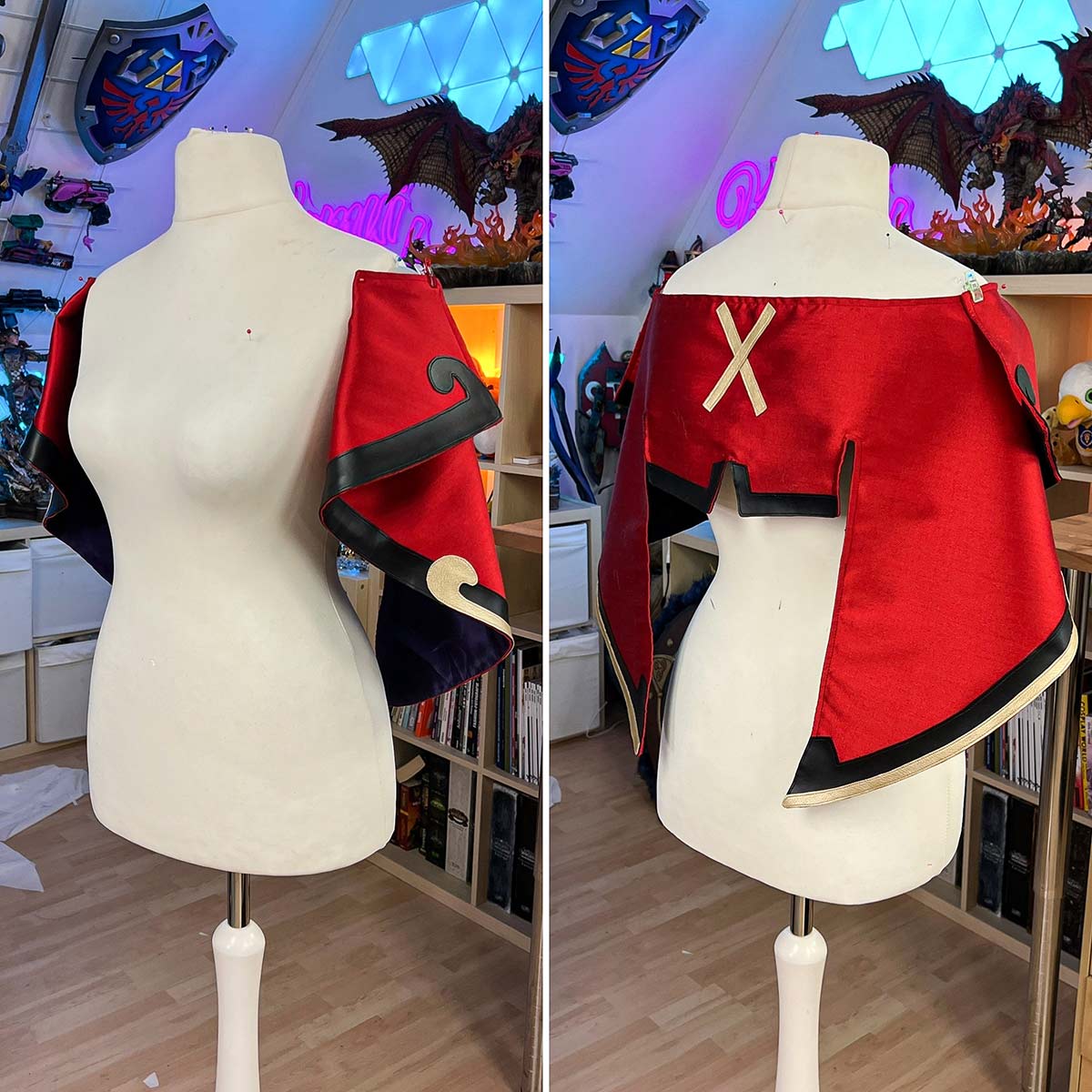
Moving away from synthetic, mass-produced fabrics, Quindt sourced heavy, shimmering silk from a local boutique in Düsseldorf. While online fabric shopping is a modern convenience, Quindt emphasizes the importance of tactile verification in physical stores, noting that the texture of the silk was vital for capturing the "regal warrior" aesthetic of the character.
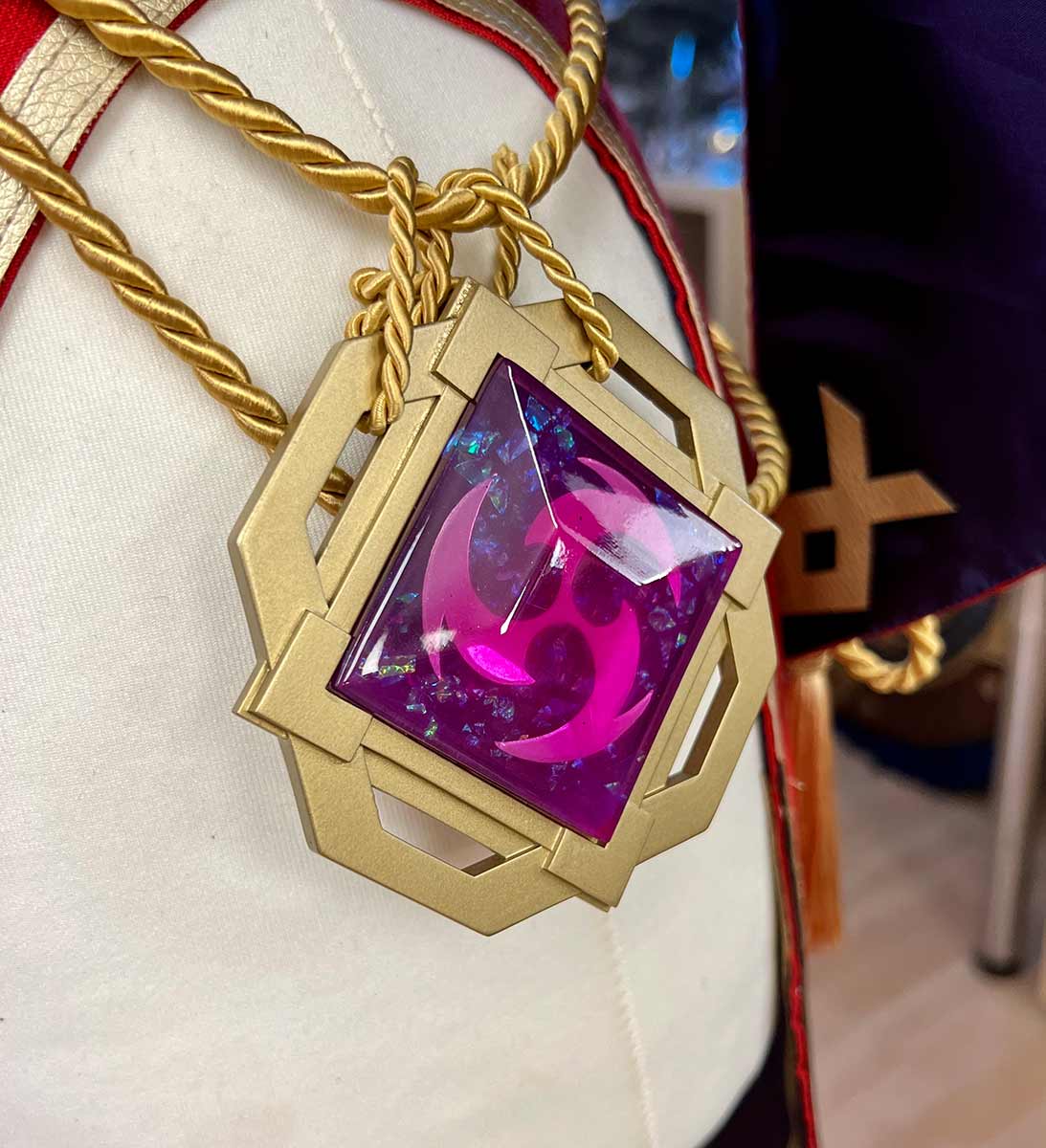
The sewing process was handled by a Brother Innovis 550 SE, though Quindt stresses that the complexity of the project lay in the pattern accuracy rather than the machinery itself. For the cape, she opted for a mix of hand-stitched invisible seams and machine-sewn structural elements, ensuring that the heavy fabric draped with natural elegance.
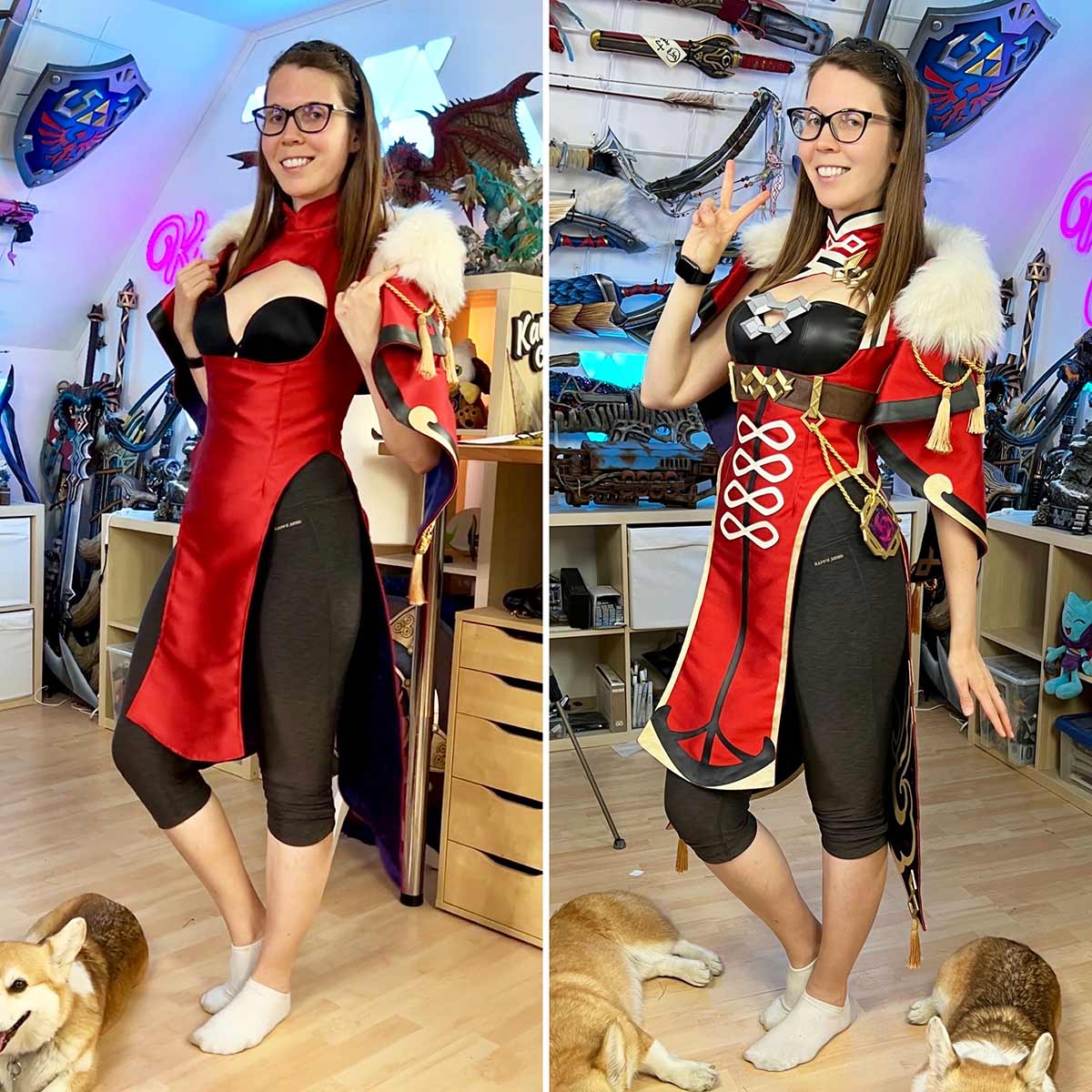
Weeks 6-8: Digital Fabrication and Finishing
The final weeks were dedicated to the "Beidou signature" details. A Flux laser cutter was employed to create precise, geometric gold and black vinyl appliqués. Simultaneously, Benni managed the production of 3D-printed accessories designed by Dangerous Ladies.
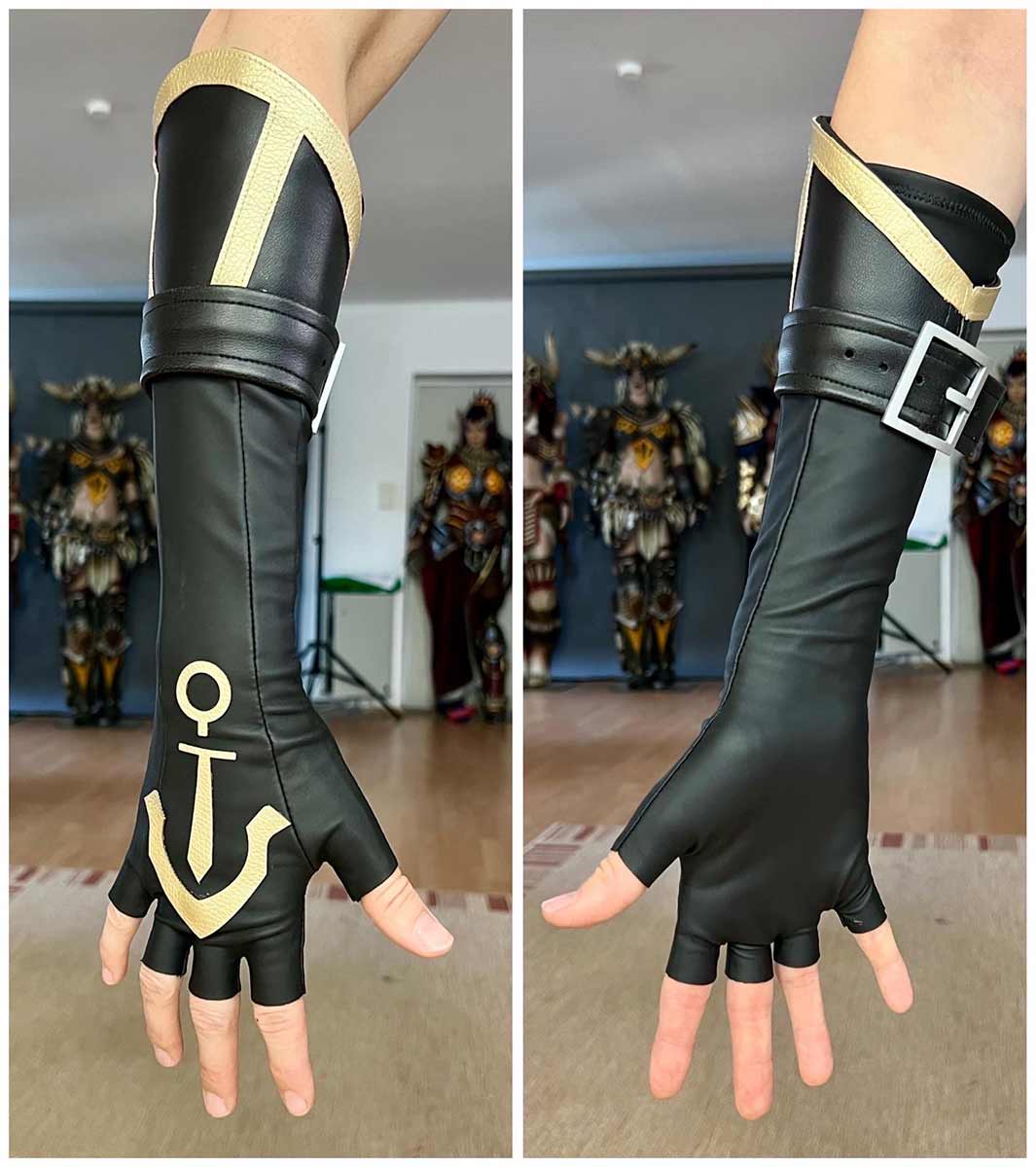
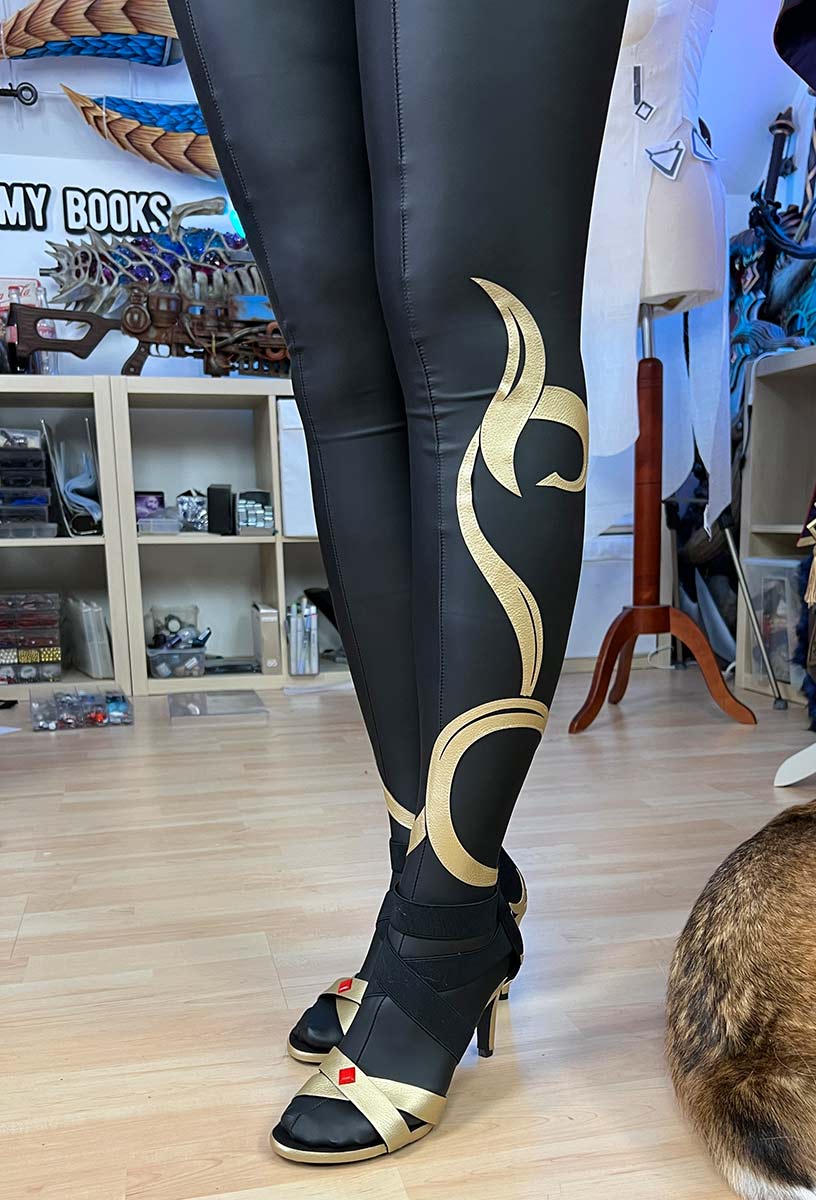
The footwear and gloves were constructed from stretch faux leather (Ultrapreme), chosen specifically for its durability under tension. To solve the common "slipping stocking" issue, Quindt integrated the stockings directly into a pair of skin-toned, shaping leggings, creating a seamless and functional base layer.
The Engineering Behind the Blackcliff Slasher
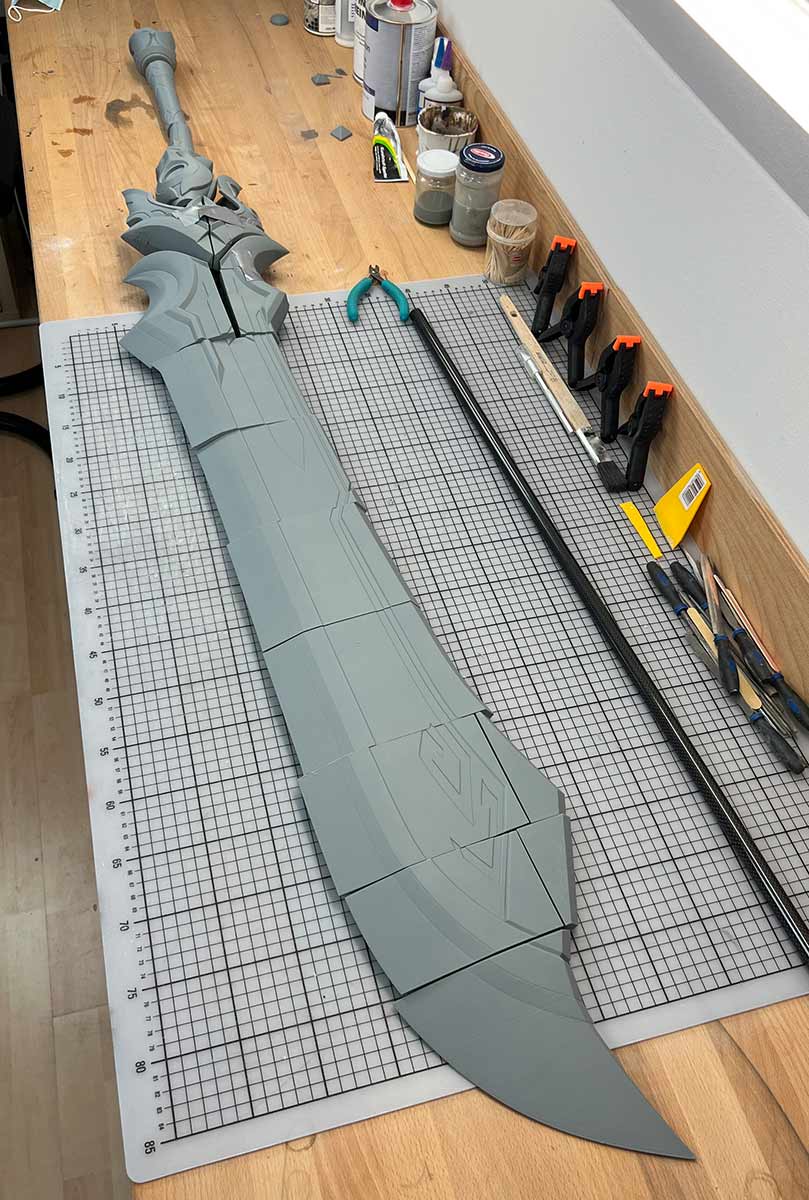
Perhaps the most daunting element of the build was the claymore. The project relied on an open-source 3D model provided by artist Bruneng. The manufacturing process was a test of endurance:
- Printing Phase: Two Zortrax M200 printers operated 24/7 for 14 days.
- Post-Processing: Benni spent three weeks on assembly, sanding, and priming.
- Finishing: Airbrushing and acrylic washes were used to achieve a weathered, battle-worn steel look.
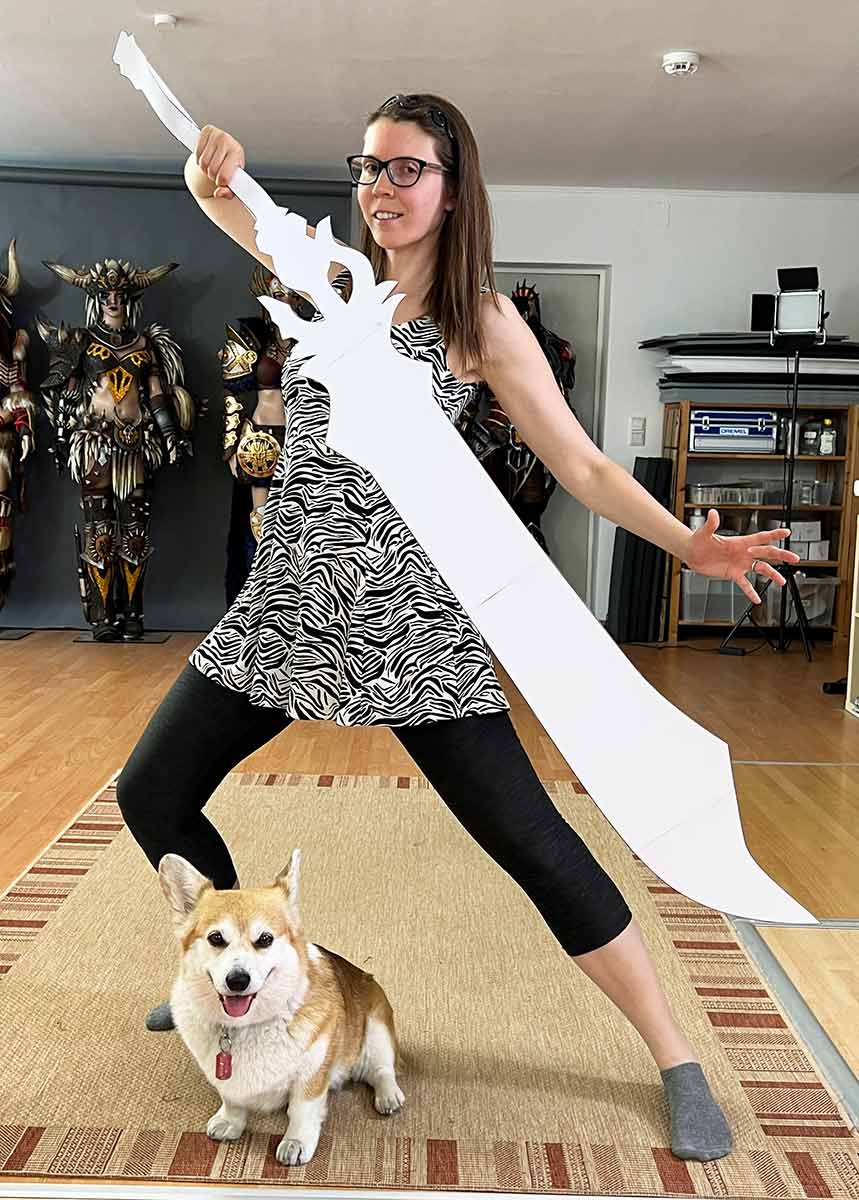
The scale of the prop was determined using a paper dummy prototype to ensure it did not overpower Quindt’s frame, proving that even in fantasy, human ergonomics must dictate design.
Official Responses and Strategic Collaboration
The collaboration with HoYoverse allowed for a unique professional interaction. When faced with the logistical challenge of an eyepatch—which would have severely limited Quindt’s vision in her good eye during crowded convention appearances—the team reached out to the developers.
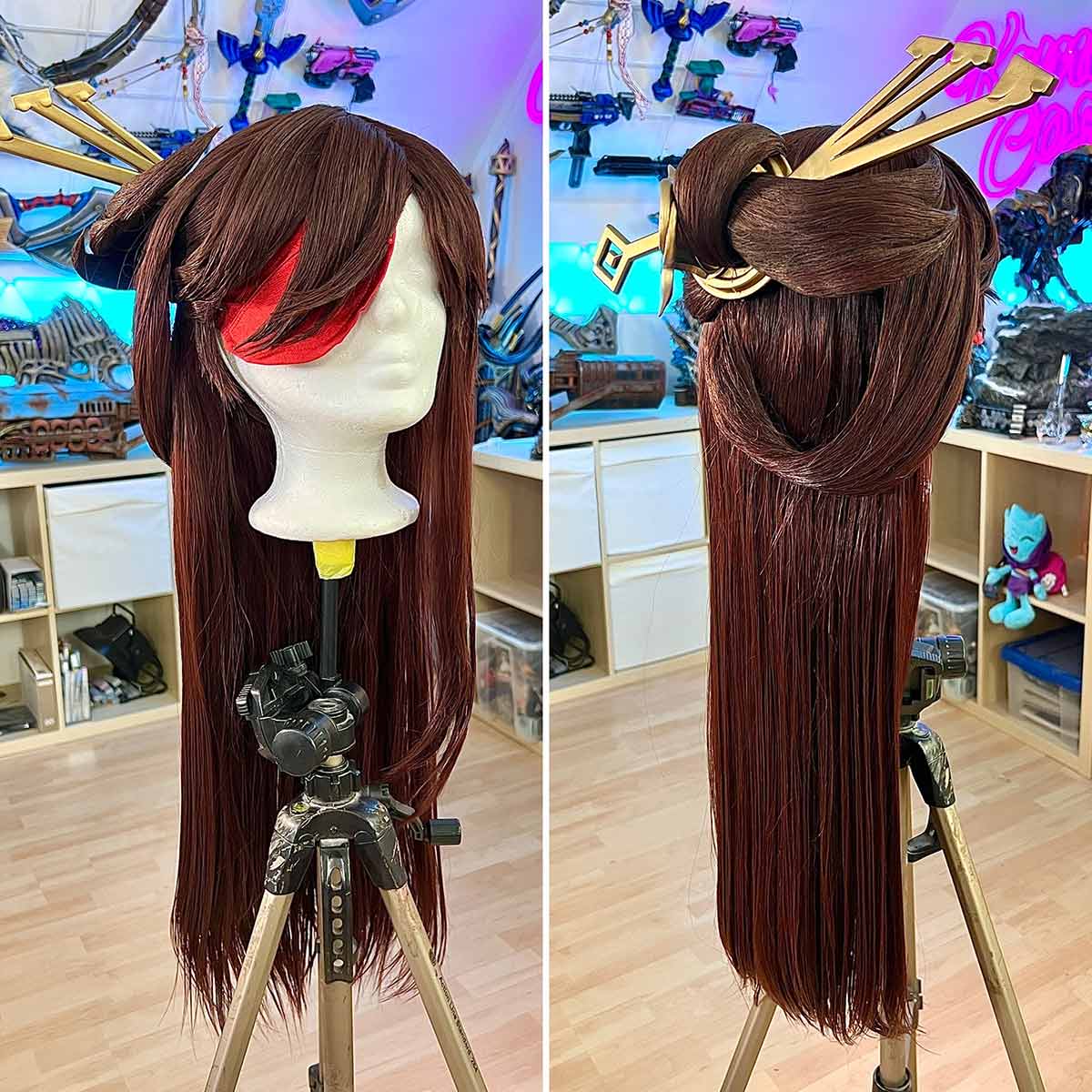
HoYoverse granted permission to "mirror" the character’s design. This professional flexibility allowed Quindt to flip the wig styling, accessories, and eyepatch to her preferred side. This incident highlights the growing maturity of the cosplay industry, where official licensors are increasingly recognizing the health and safety needs of performers.
Furthermore, the wig styling was outsourced to Florence of Bakka Cosplay, a specialist with two decades of experience. This collaborative approach—bringing in experts for specific components—is a hallmark of the high-level professional cosplay circuit.
Implications: The Future of High-End Cosplay
The Beidou project raises a significant question for the community: Is it worth the investment to build from scratch?
The Cost of Excellence
- Time: Over 1,200 hours of combined labor.
- Skill Diversification: The project required proficiency in 3D modeling, laser cutting, sewing, wig styling, and digital photography.
- Technology: The reliance on 3D printing and digital rendering (Unreal Engine backgrounds) signals a shift in the craft. Cosplay is no longer just about fabric; it is about becoming a mini-studio capable of producing film-quality assets.
The Digital Integration
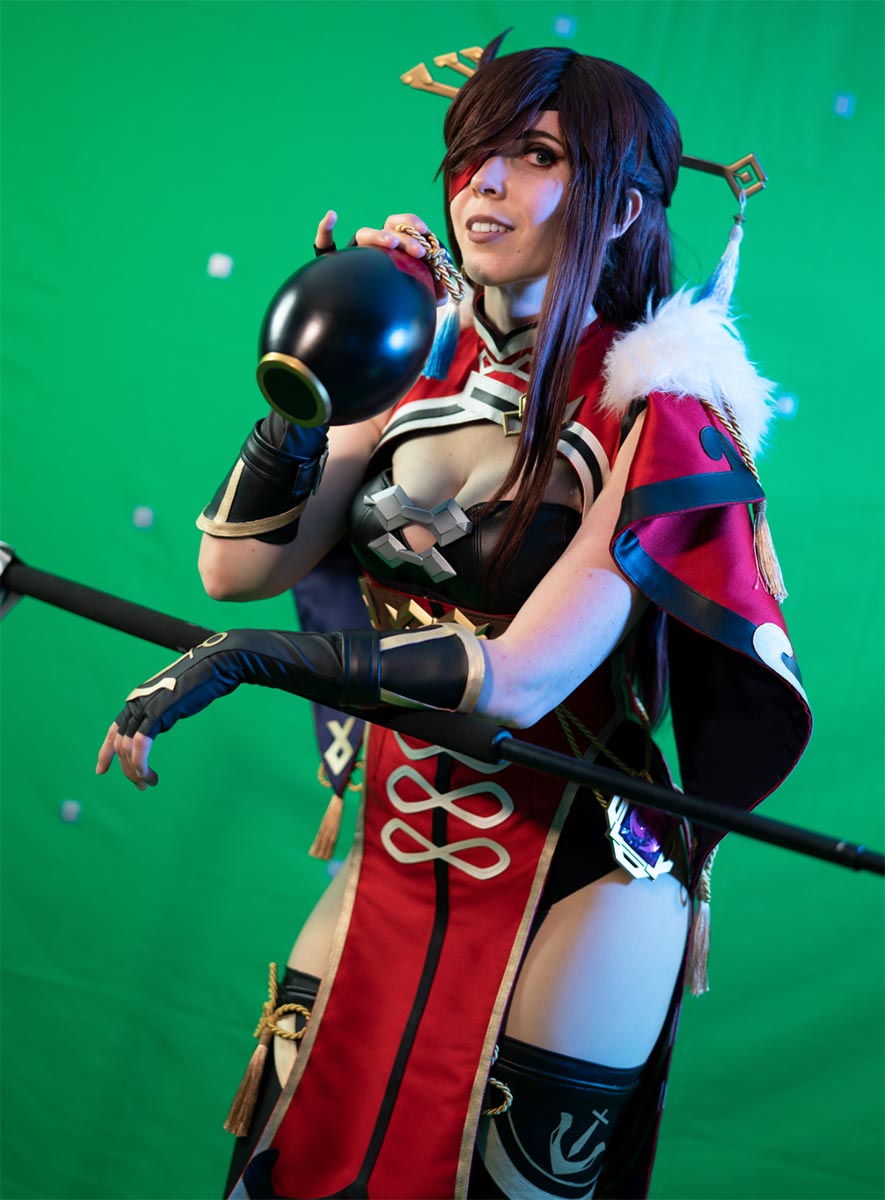
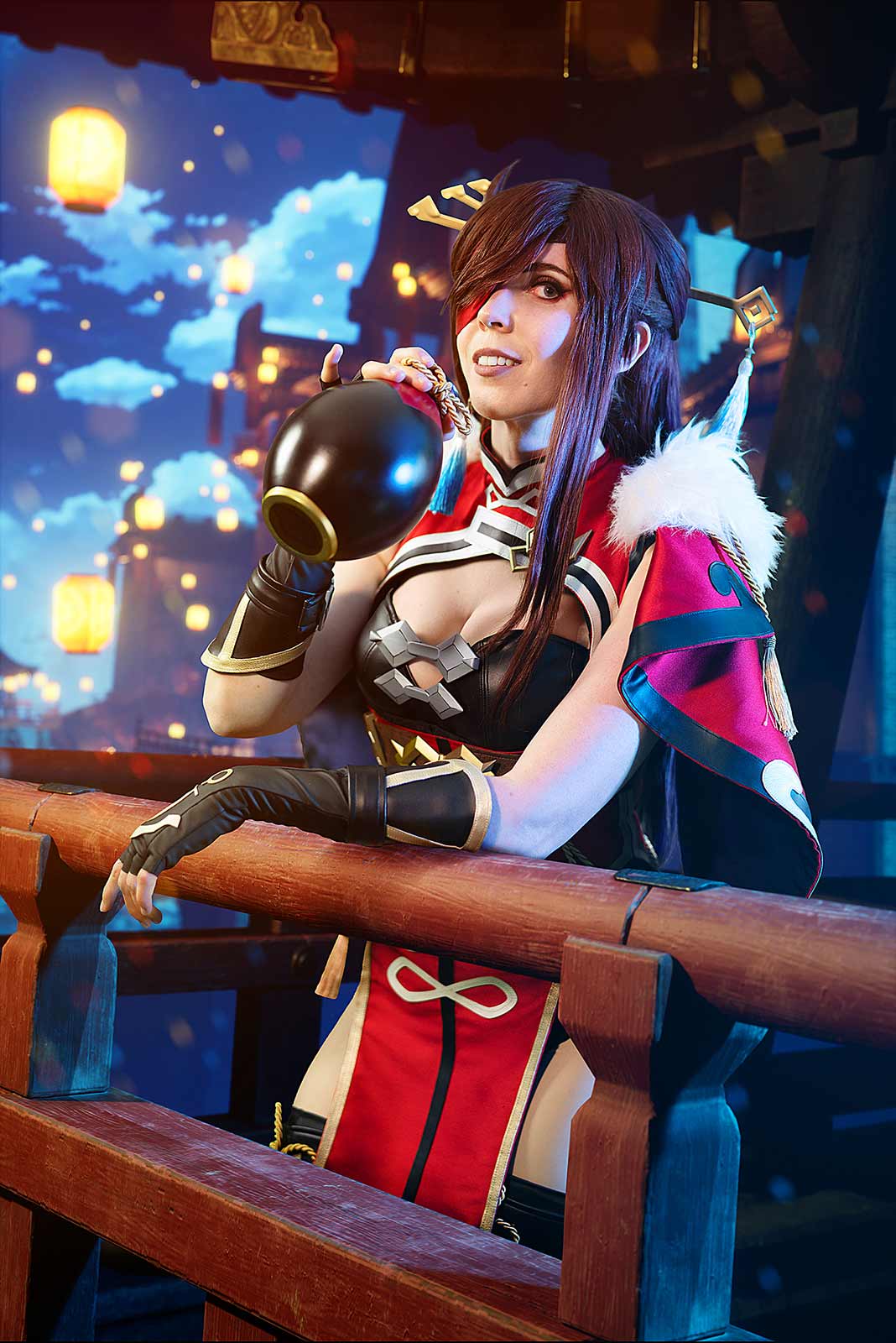
The project’s final showcase involved a green-screen photoshoot, with backgrounds rendered in Unreal Engine and composited in Photoshop. This technique effectively removes the variables of location scouting and weather, allowing the cosplayer to exist in a "perfect" version of Liyue.
Conclusion
The Beidou project stands as a testament to the evolution of cosplay from a fan-led activity to a legitimate creative industry. By combining traditional tailoring with the precision of modern manufacturing, Kamui Cosplay has set a new benchmark for character recreation. Whether one chooses to buy a pre-made costume or spend months at the sewing machine, the takeaway remains clear: the heart of the craft lies in the dedication to the character’s spirit and the willingness to push technical boundaries. As the tools of the trade—from FDM printers to advanced adhesives like Gütermann HT2—become more accessible, the barrier to entry for high-quality craftsmanship is lower than ever, provided one has the patience to master the tools.

 Siti Muinah
 Azzam Bilal Chamdy