

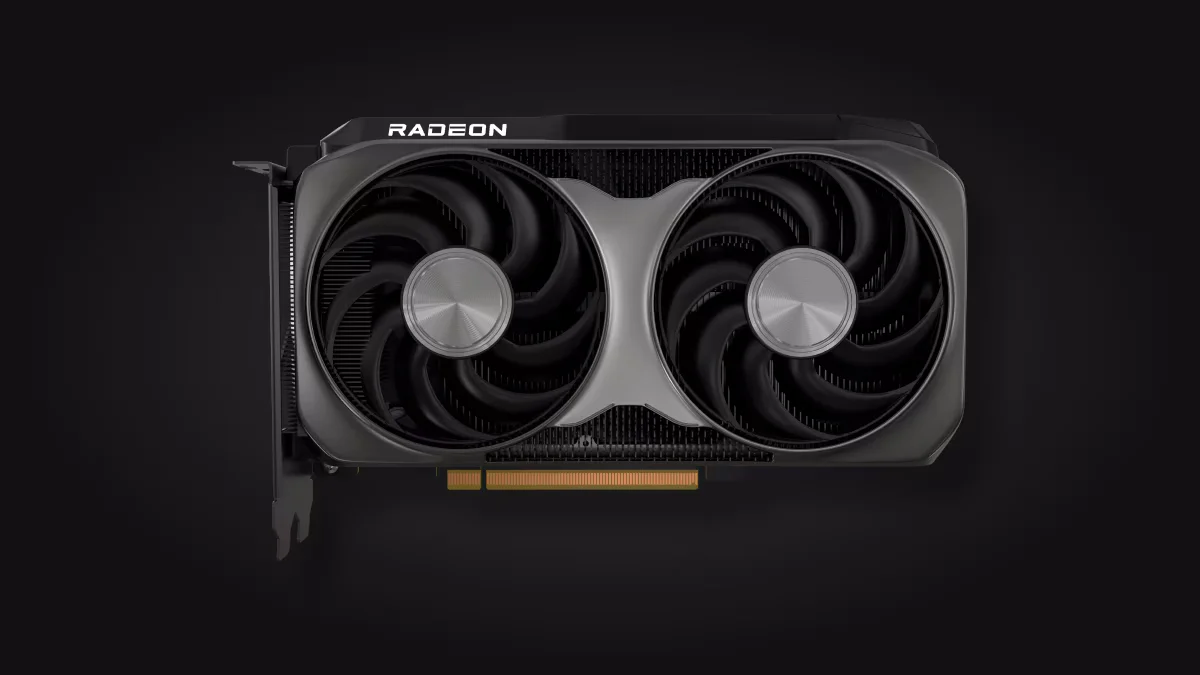
As the graphics card market continues to shift toward a post-pandemic equilibrium, AMD appears to be shoring up the lower end of its RDNA architecture stack. A recent report originating from industry insiders and AIB (Add-in Board) partners suggests that Team Red is preparing to expand its Radeon RX 9000 series with a new entry-level contender: the Radeon RX 9050. Designed to provide a balance between affordability and modern feature sets, the card is poised to target budget-conscious gamers who demand the latest connectivity standards without the premium price tag of flagship silicon.
Main Facts: The Anatomy of the Navi 44
The latest intelligence, first surfaced by VideoCardz, points to a card built upon the Navi 44 GPU architecture. This silicon is expected to be the bedrock of AMD’s entry-level strategy for the current generation.
The primary specifications circulating in these early documents indicate that the RX 9050 will feature 8GB of GDDR6 memory. While 8GB is becoming the bare minimum for modern AAA gaming at 1080p, it remains a sweet spot for the target demographic of this card. Perhaps the most intriguing detail is the stream processor count; the RX 9050 is rumored to sport 2,048 stream processors. Curiously, this is a higher count than the 1,792 stream processors currently linked to the higher-tier RX 9060.
However, AMD appears to be utilizing a "frequency-gating" strategy to maintain product segmentation. With a game clock of 1920MHz and a boost clock of 2600MHz, the RX 9050 runs significantly slower than its sibling. This represents a 20% reduction in game clocks and a 13% reduction in boost clocks compared to the RX 9060, suggesting that the Navi 44 chip is being intentionally under-volted or under-clocked to fit a lower power and performance envelope.
Chronology: How the Leak Unfolded
The rumors regarding the Radeon RX 9000 series have been simmering for months, but the timeline of this specific discovery highlights the intricate nature of hardware development leaks.
- Q1 2026: Initial whispers regarding the Navi 44 GPU architecture began appearing on enthusiast forums, with leakers suggesting that AMD was prioritizing a "smaller, more efficient" chip to compete with entry-level offerings from the competition.
- Early June 2026: Industry analysts noted a shift in AIB partner focus, moving away from high-end refresh cycles toward the development of budget-friendly SKUs.
- Late June 2026: Internal documentation from a third-party AMD manufacturing partner was reportedly leaked. This documentation contained the preliminary spec sheet for a card identified as the "RX 9050," including its PCIe 5.0 interface requirements and power management profiles.
- Present Day: The community is now reconciling the high stream processor count with the lower clock speeds, leading to widespread speculation about whether these specs are final or if the silicon is being "binned" to differentiate performance tiers.
Supporting Data and Technical Specifications
To understand the position of the RX 9050 in the market, one must look at the technical overhead AMD is building into the card.
Power and Efficiency
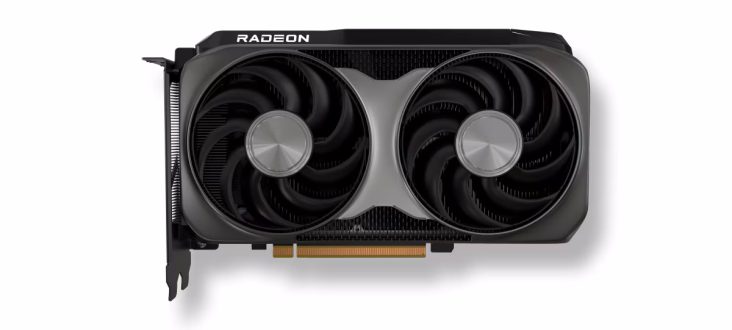
The requirement for a 450W power supply unit (PSU) suggests a modest power draw. While the card will likely require at least one external 6-pin or 8-pin power connector—as its requirements will exceed the 75W provided by a standard PCIe x16 slot—the 450W recommendation is a clear signal that this is not an enthusiast-grade power hog. It is designed to be a "drop-in" upgrade for pre-built PCs and older gaming rigs.
Connectivity Standards
AMD is pushing forward with future-proofing even at the entry level. The RX 9050 is expected to utilize a PCIe 5.0 x16 interface. While current entry-level gaming setups rarely saturate the bandwidth of PCIe 4.0, let alone 5.0, this inclusion ensures the card will remain relevant for several years. Furthermore, the inclusion of one HDMI 2.1b port and dual DisplayPort 2.1a outputs confirms that AMD intends for this card to handle high-refresh-rate 1440p monitors or multi-monitor productivity setups.
Performance Hierarchy
| Feature | Radeon RX 9050 (Rumored) | Radeon RX 9060 |
|---|---|---|
| GPU Architecture | Navi 44 | Navi 44 (High Bin) |
| Stream Processors | 2048 | 1792 |
| Game Clock | 1920 MHz | ~2400 MHz |
| Boost Clock | 2600 MHz | ~3000 MHz |
| VRAM | 8GB GDDR6 | 8GB/12GB GDDR6 |
Official Responses and Corporate Silence
As of this writing, AMD has maintained its traditional "no comment" stance regarding unreleased hardware. This is standard procedure for the company, which prefers to control the narrative through formal events such as Computex or dedicated "Radeon Premiere" livestreams.
Industry analysts suggest that AMD’s silence is a calculated move to avoid cannibalizing the current sales of the RX 9060 XT. If consumers believe a cheaper, slightly lower-performance alternative is just weeks away, they may delay their purchases, potentially hurting quarterly revenue figures. AIB partners, while the source of the leak, are also under strict non-disclosure agreements, meaning official confirmation will likely only come in the form of a press release when the cards begin shipping to regional distributors.
Implications for the Market
The introduction of the RX 9050 could be a transformative move for the budget gaming segment.
Impact on Competitive Pricing
If the rumors regarding the £200–250 price point hold true, the RX 9050 will directly challenge the current dominance of mid-range cards from previous generations. It provides a compelling upgrade path for users still clinging to RX 5000 or 6000 series cards, offering RDNA-era power efficiency and modern encoding/decoding features at a price that doesn’t break the bank.
The Rise of the Entry-Level Workstation
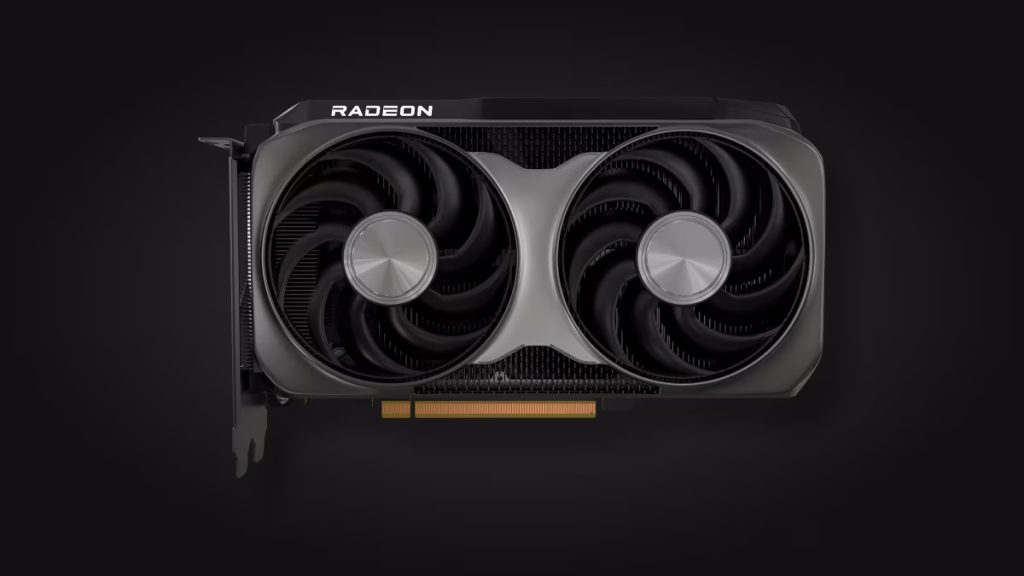
With dual DisplayPort 2.1a outputs and a PCIe 5.0 interface, the RX 9050 isn’t just for gamers. It is likely to find a home in entry-level workstation builds where multiple high-resolution displays are required, but where the heavy computational power of a high-end RTX 5090 is unnecessary.
Future-Proofing for the Masses
The inclusion of PCIe 5.0 and the latest HDMI standards demonstrates that AMD is moving away from "crippled" entry-level cards. By providing the same connectivity suite found on their flagship models, AMD is signaling that the baseline experience for a Radeon user is improving across the board.
Final Thoughts: Is the RX 9050 Worth the Wait?
The leaked specs for the Radeon RX 9050 paint a picture of a card that is optimized for efficiency and long-term utility rather than raw, "brute-force" performance. While the higher stream processor count compared to the 9060 is a point of confusion for many, it likely points to a strategy of utilizing Navi 44 silicon that might have otherwise been discarded, repurposing it for a lower-clocked, higher-volume product.
For the budget-conscious gamer, the RX 9050 looks to be a potential "king of value." As long as the price stays within the sub-£250 bracket, it could easily become the go-to recommendation for builders who prioritize 1080p high-fidelity gaming. We will continue to monitor this story as more benchmarks and official announcements emerge from AMD’s camp. Until then, prospective buyers should look at their current power supply headroom and prepare for a potential Q3 or Q4 launch window.












No comments yet. Be the first to join the conversation!