Nana
Nana
In the hyper-competitive digital landscape of 2026, the mantra for marketing teams is no longer just "be present"—it is "be present, be relevant, and be instantaneous." As the volume of content required to maintain brand visibility continues to climb, businesses are increasingly turning to social media automation to bridge the gap between human creativity and the relentless demand for 24/7 engagement.
Social media automation is the practice of utilizing sophisticated software and AI-driven tools to execute repetitive tasks—such as content scheduling, performance reporting, and community management—without the need for constant manual oversight. For modern enterprises, this shift is not merely a convenience; it is a structural necessity for survival.

The Evolution of Marketing Workflow: Core Facts
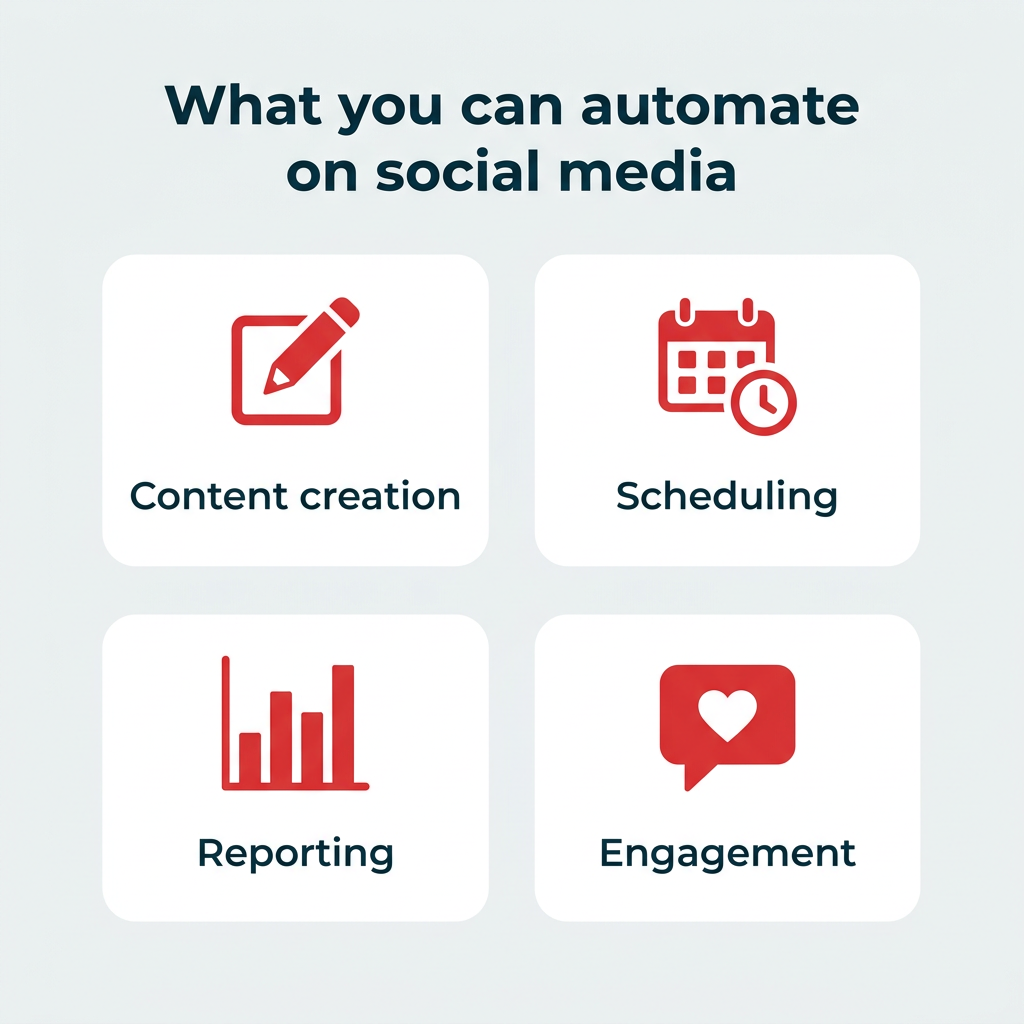
At its foundation, social media automation acts as a force multiplier. By offloading rote tasks, teams can pivot from manual data entry to high-level strategy. The primary functions that benefit from this shift include:
- Unified Scheduling: Managing content across LinkedIn, TikTok, Instagram, and X from a single dashboard.
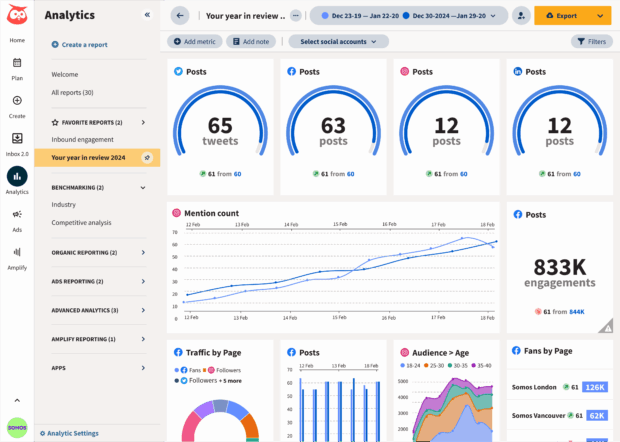
- Automated Analytics: Replacing manual spreadsheet population with real-time, AI-generated reporting.
- Intelligent Engagement: Utilizing chatbots and automated DM workflows to ensure no customer inquiry goes unaddressed, regardless of the hour.
- Social Listening: Deploying algorithms to scan millions of data points, alerting brands to shifts in consumer sentiment or emerging industry trends before they reach a tipping point.
A Chronological Shift: From Manual Posting to Agentic AI
The journey of social media management has been marked by three distinct phases:
- The Manual Era (Pre-2015): Teams logged into individual native apps to post, respond to comments, and manually track likes. This was labor-intensive and prone to human error.
- The Scheduling Era (2015–2022): The rise of centralized platforms allowed teams to queue content. This significantly improved consistency but left the "engagement" and "analysis" portions of the job largely manual.
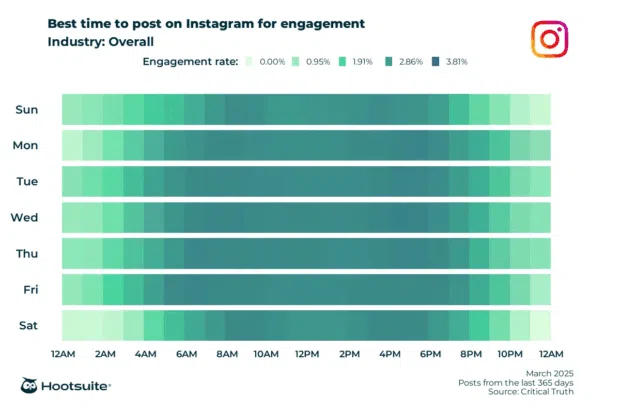
- The Agentic AI Era (2023–Present): We have entered the age of "Agentic AI," where tools don’t just follow instructions; they optimize. Modern AI now suggests the best times to post based on audience behavior, drafts copy in the brand’s specific tone of voice, and even routes complex customer service queries to the appropriate human agent.
Supporting Data: The ROI of Automation
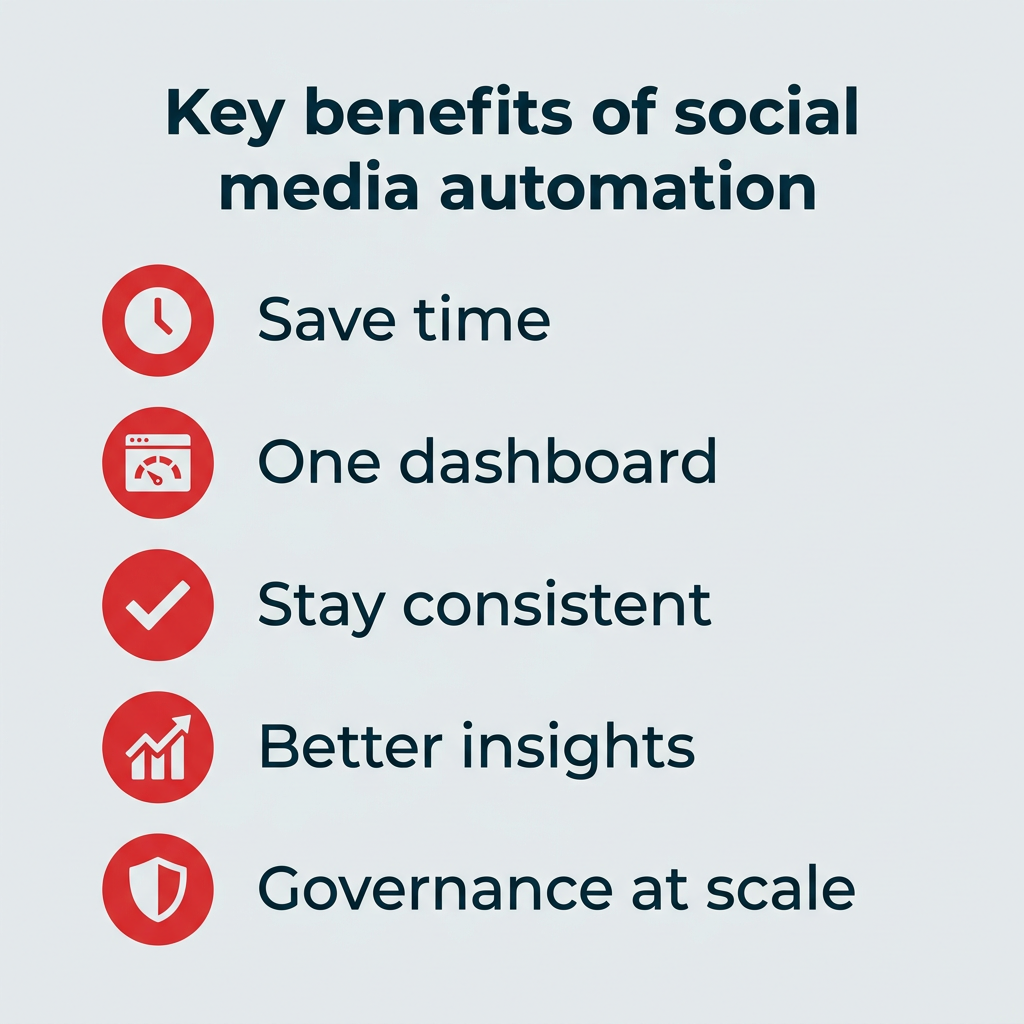
The data supporting the adoption of automation is compelling. Recent industry analysis indicates that marketing teams using robust automation platforms save, on average, 5 to 10 hours per week per person.
Perhaps more importantly, the impact on lead generation is tangible. For instance, teams utilizing advanced DM automation—such as the workflows implemented at Hootsuite—have reported surges in lead conversion by over 300%. Furthermore, Gartner projections suggest that by 2028, 60% of major brands will rely on agentic AI to handle the bulk of one-to-one customer interactions. This is a move toward a "hybrid workforce," where AI handles the speed and volume, while humans manage the nuance and empathy.
The Balancing Act: Official Perspectives and Expert Advice
While the technical capabilities of these tools are impressive, the industry consensus is clear: Automation is a tool, not a replacement for human intellect.
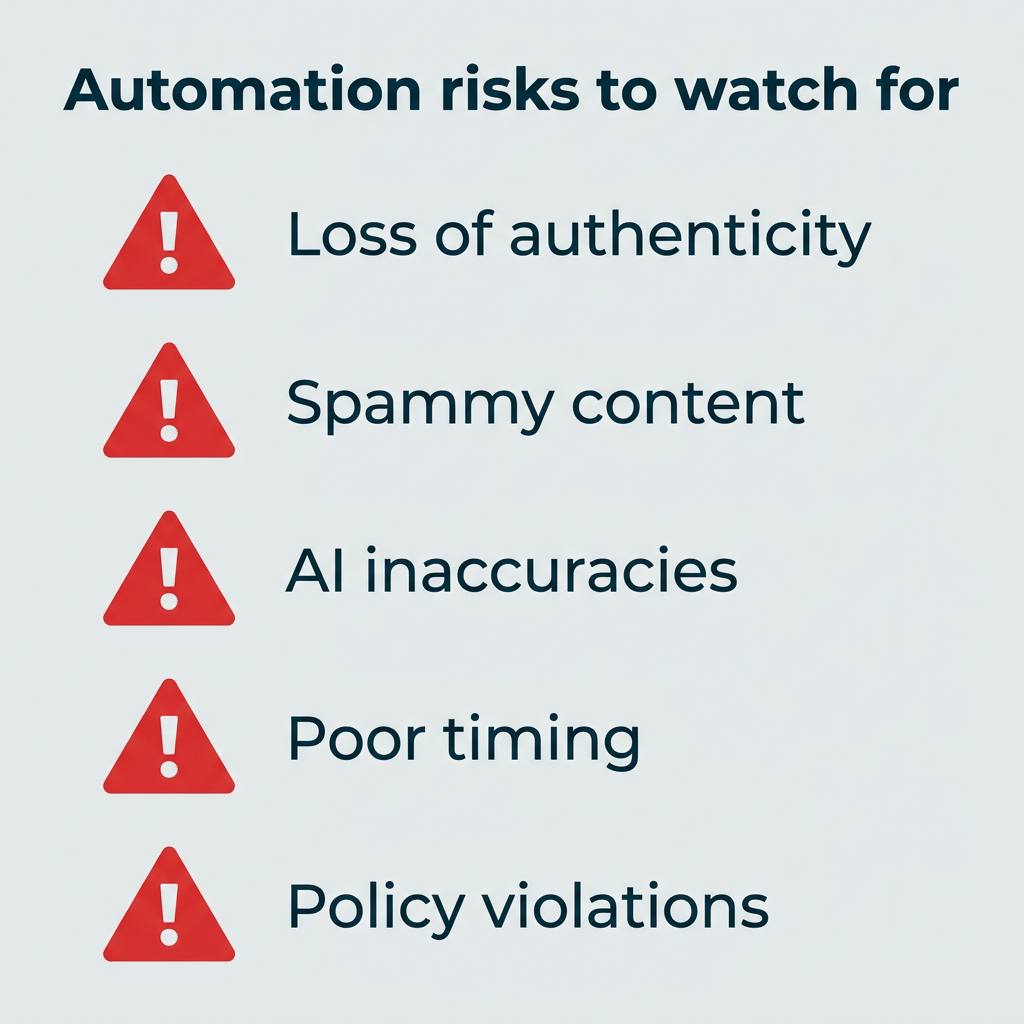
Hannah Macready, a veteran of digital marketing, emphasizes that the most successful brands treat AI as a "creative sidekick." The risks of over-automation—such as sounding robotic or missing the context of a social crisis—are significant. The consensus among professionals is that while you can automate the delivery of a message, you must never automate the intent or ethics behind it.
What Should Never Be Automated?
To maintain brand integrity, certain tasks must remain strictly human:
- Crisis Management: Sensitive PR situations require human judgment and empathy.
- Original Strategy: AI can analyze trends, but it cannot conceptualize the long-term vision of a brand’s soul.
- Deep Relationship Building: High-touch interactions with key influencers or VIP clients require genuine, unscripted human connection.
Implications for Businesses: Scaling Without Burning Out
As businesses look to scale their operations in 2026, the implementation of automation follows a logical, three-step trajectory:
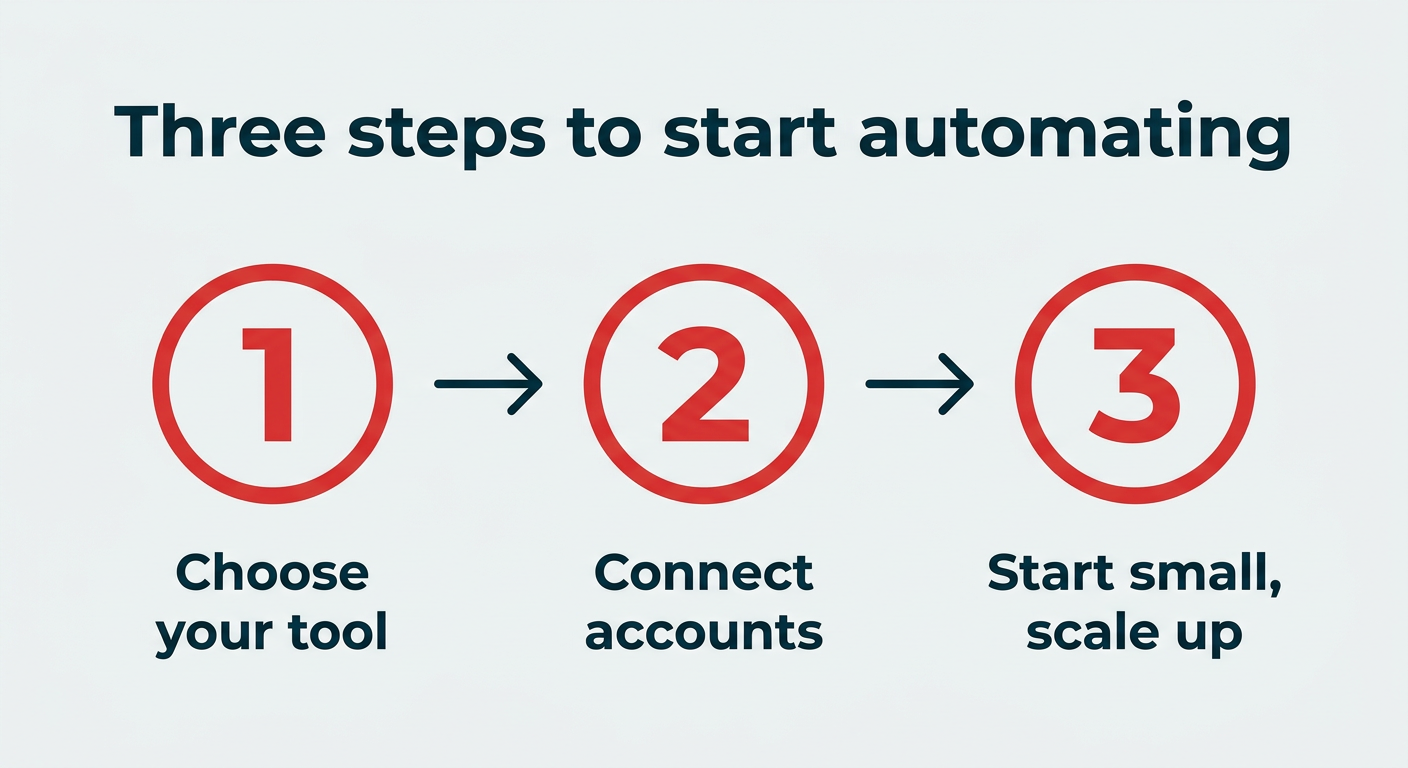
1. Assessment and Tool Selection
Not all tools are built for the same scale. A solo creator managing a boutique Instagram feed requires different features than a global enterprise managing 50 regional accounts. Enterprise-grade platforms must prioritize "governance"—the ability to set approval chains, role-based permissions, and compliance checks to prevent off-brand content from reaching the public.
2. Infrastructure Setup
Once a tool is selected, teams must establish a "Cadence of Automation." This involves syncing all social channels into a unified dashboard, uploading content repositories, and configuring automated triggers (e.g., auto-replying to DMs containing specific keywords like "price" or "support").
3. Iterative Scaling
The most successful teams start with "low-stakes" automation—such as scheduling and reporting. Once the team is comfortable, they layer in AI-assisted content drafting and advanced social listening. This iterative approach ensures that workflows are stress-tested before being fully integrated into the marketing cycle.
Strategic Comparison: Navigating the Marketplace
In 2026, the landscape of tools is crowded. Choosing the right one depends on your specific goals:
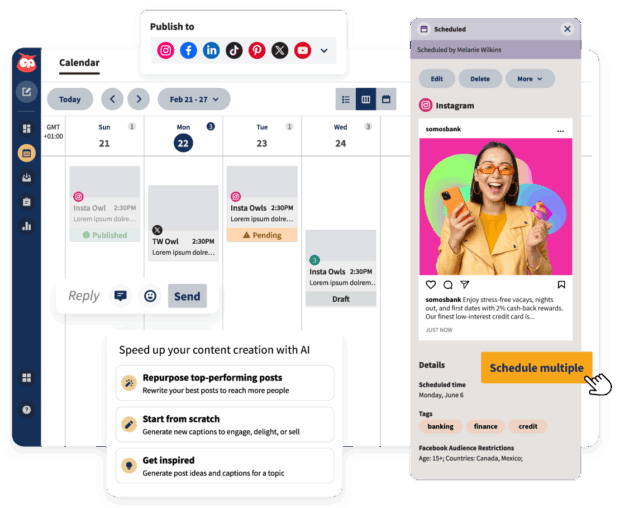
- Hootsuite: The gold standard for medium-to-large teams. It offers a comprehensive suite covering everything from AI content generation to complex, multi-region approval workflows.
- Talkwalker: Essential for brands that prioritize deep sentiment analysis and real-time crisis monitoring across 150 million+ websites.
- Buffer: An excellent, streamlined option for small teams or solopreneurs who need to stay active without the complexity of enterprise tools.
- Agorapulse: A strong contender for teams focused primarily on community management and maintaining a unified social inbox.
- Later: The go-to for visually-focused creators who need a highly aesthetic, drag-and-drop feed planner.
Final Thoughts: The Human-AI Hybrid
The future of social media marketing is not an "either-or" scenario; it is an "and" scenario. By automating the repetitive, data-heavy, and time-consuming aspects of the job, marketing professionals are finally being freed to do what they do best: tell stories, build communities, and craft creative campaigns that resonate on a human level.
As we move further into 2026, the brands that win will be those that strike the perfect balance—using AI to handle the "science" of social media, while keeping their best human talent focused on the "art."
Frequently Asked Questions (FAQ)
Q: Does using a third-party scheduling tool reduce my organic reach?
A: Research consistently shows that scheduling tools do not penalize your reach. In fact, by allowing you to post consistently at optimal times, they often improve your performance compared to manual, sporadic posting.
Q: How can I ensure my AI content doesn’t sound generic?
A: The secret lies in "prompt engineering" and strict editorial oversight. Always treat AI output as a first draft. Refine the tone, inject personal anecdotes, and ensure the content aligns with your unique brand guidelines before clicking "publish."
Q: What are the most important compliance features for enterprises?
A: Large organizations must look for platforms that offer multi-step approval workflows, detailed audit trails (to see who authorized a post), and role-based access control. These features ensure that even with automation, your brand voice remains consistent and protected.
Q: Is it possible for a small business to afford these tools?
A: Yes. The market has become highly competitive, with many providers offering tiered pricing. Most platforms offer a "starter" plan that is accessible for small businesses, allowing you to pay only for the channels and features you currently need, with the ability to scale up as you grow.

 Rifan Muazin
 Pevita Pearce