

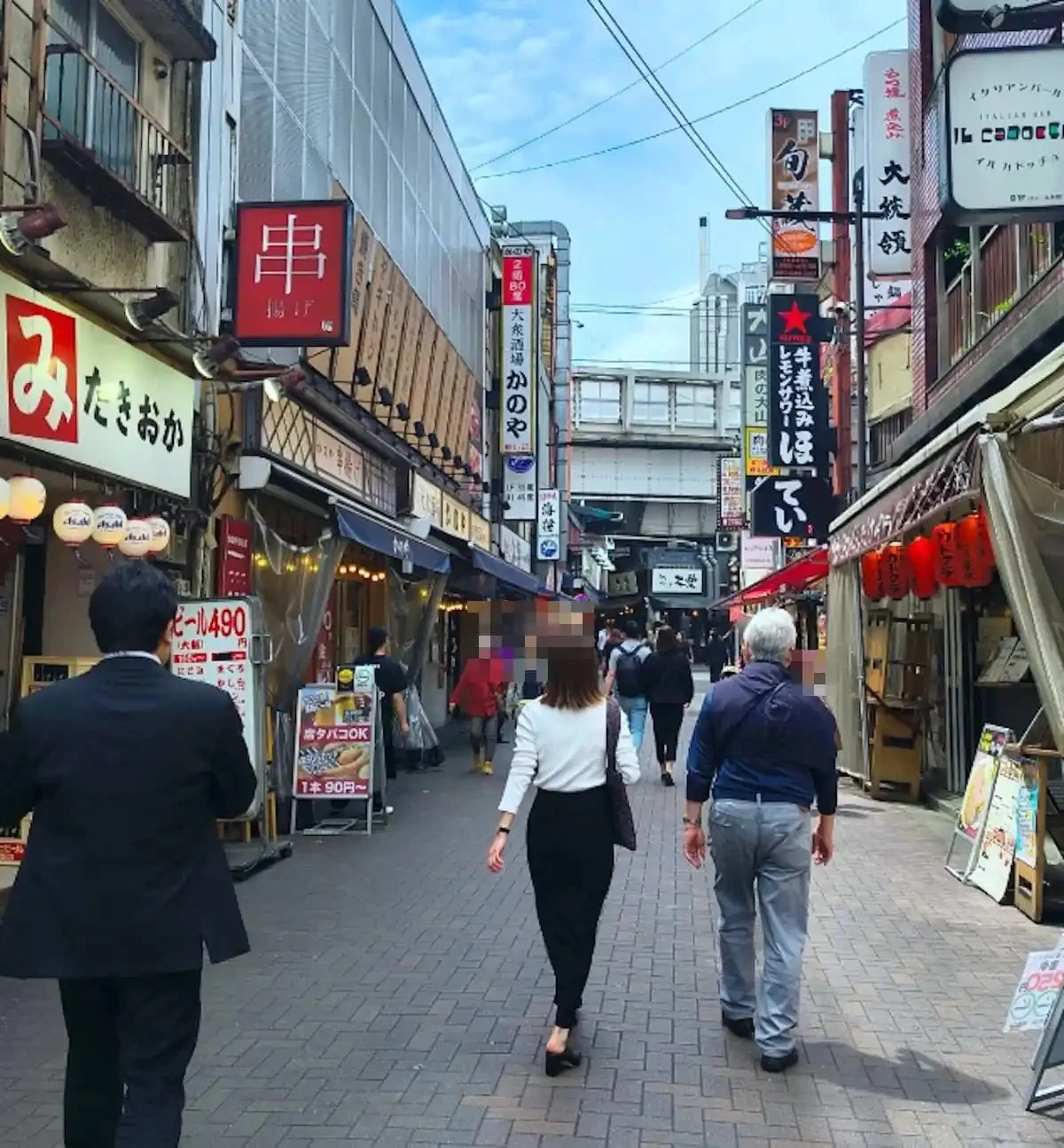
The bustling, labyrinthine alleyways of Tokyo’s Ameya Yokocho—familiarly known to locals and tourists alike as "Ameyoko"—are currently the site of a significant administrative push to reclaim public space. On May 5, 2026, the Tokyo Metropolitan Police launched a targeted enforcement operation in the iconic Ueno shopping district, mandating that izakaya (Japanese-style pubs) remove tables, chairs, and other obstructions that have long encroached upon the neighborhood’s narrow thoroughfares.
While the district’s vibrant, postwar-era charm is built on the foundation of its chaotic, high-energy commerce, the encroachment of street-side dining has become a point of contention for urban planners and safety officials. As Tokyo evolves, the tension between the nostalgic "black market" aesthetic of the mid-20th century and the strict safety mandates of the 21st century has reached a critical boiling point.
![Police cracking down on outdoor seating in Tokyo’s liveliest street market neighborhood[Video]](https://soranews24.com/wp-content/uploads/sites/3/2026/05/ay-0.jpg?w=1000&h=525&crop=1)
The Origins and Evolution of Ameyoko
To understand the current crackdown, one must first appreciate the historical context of Ameyoko. Following the conclusion of World War II, the area surrounding Ueno Station became a hub for black-market trade, where goods—often scarce—were sold in an unregulated, open-air environment. This period cemented the district’s identity as a place of spontaneity, loud vendors, and densely packed storefronts.
In the modern era, the district has transitioned into a legitimate commercial powerhouse, famous for its wholesale candy shops, discount clothing outlets, and, most notably, its rowdy outdoor pubs. For decades, the presence of plastic stools and small tables on the pavement was tolerated as a hallmark of the neighborhood’s "Shitamachi" (downtown) spirit. However, the equilibrium shifted significantly during the COVID-19 pandemic. To comply with social distancing mandates and encourage outdoor dining—which was perceived as safer than cramped, poorly ventilated interiors—many restaurant owners pushed their operations further into the streets.
![Police cracking down on outdoor seating in Tokyo’s liveliest street market neighborhood[Video]](https://soranews24.com/wp-content/uploads/sites/3/2026/05/ay-1.jpg?w=640)
Years after the global health crisis subsided, these temporary extensions have, for many, become permanent fixtures, leading to the current public safety impasse.
Chronology of the Enforcement Action
The police intervention was not an overnight decision but rather the culmination of months of mounting public complaints.
![Police cracking down on outdoor seating in Tokyo’s liveliest street market neighborhood[Video]](https://soranews24.com/wp-content/uploads/sites/3/2026/05/ay-2.jpg?w=640)
- Early 2026: Local residents’ groups, led by community leaders such as Hirohisa Mizutani, begin filing formal grievances with the Ueno Precinct. Concerns center on the inability of pedestrians to navigate the sidewalks and the potential for life-threatening delays for emergency services.
- May 5, 2026: The Tokyo Metropolitan Police escalate their involvement. Approximately two dozen officers from the Ueno Precinct conduct a high-profile sweep of the district. The operation, occurring during the peak of the Golden Week holidays, serves as a stark warning to proprietors.
- May 5–6, 2026: Officers distribute informational fliers detailing the legal ramifications of violating the Road Traffic Act. While most owners comply with verbal warnings, one proprietor’s refusal to remove their furniture results in the immediate confiscation of approximately 30 items.
- May 7, 2026: A follow-up survey of the area reveals a mixed landscape. While primary thoroughfares appear clearer, secondary alleys remain heavily congested, suggesting that the "compliance culture" is unevenly distributed across the district.
The Legal Framework: Road Traffic Act and Safety
The primary legal instrument utilized by the police is the Road Traffic Act. This statute explicitly prohibits the placement of objects on public roads or sidewalks that obstruct the flow of traffic. The rationale is twofold: maintaining pedestrian accessibility and ensuring that emergency vehicles, such as ambulances and fire trucks, can navigate the narrow arteries of the district in the event of an incident.
The Metropolitan Police argue that Ameyoko’s streets, which were never designed for modern high-volume traffic or large-scale outdoor dining, represent a genuine hazard. A fire or medical emergency in the heart of the district could be catastrophically delayed by tables blocking the path of first responders. This "life-safety" argument has provided the police with the legal mandate to move from passive oversight to active enforcement.
![Police cracking down on outdoor seating in Tokyo’s liveliest street market neighborhood[Video]](https://soranews24.com/wp-content/uploads/sites/3/2026/05/ay-3.jpg?w=640)
Supporting Data and Observations
Observations taken in the days following the May 5 sweep illustrate the complexity of the situation. On May 7, a weekday, the foot traffic in Ameyoko was significantly lower than the record-breaking crowds seen during the Golden Week holiday. This naturally reduced the perceived "clutter" of the streets, potentially masking the extent of the violations.
Furthermore, a distinction has emerged regarding where the seating is placed. Many restaurants have moved their tables underneath the eaves and awnings of their own buildings. In some cases, these areas may technically fall within private property lines, placing them outside the jurisdiction of the Road Traffic Act. However, in the secondary, narrower alleys, the seating remains in the middle of the thoroughfare, clearly impeding the movement of shoppers.
![Police cracking down on outdoor seating in Tokyo’s liveliest street market neighborhood[Video]](https://soranews24.com/wp-content/uploads/sites/3/2026/05/ay-4.jpg?w=640)
The challenge for the police is that the definition of a "road" in a historic district like Ameyoko is often blurred by decades of informal use. Establishing the precise boundary between public property and private storefront usage is a logistical nightmare that complicates every police interaction.
Official Responses and Stakeholder Perspectives
The response to the crackdown has been varied.
![Police cracking down on outdoor seating in Tokyo’s liveliest street market neighborhood[Video]](https://soranews24.com/wp-content/uploads/sites/3/2026/05/ay-5.jpg?w=640)
The Police: The Ueno Precinct has maintained a firm, albeit patient, stance. The goal, according to department spokespeople, is not to destroy the unique culture of Ameyoko, but to ensure that it operates within the bounds of the law. They have utilized an approach of "gradual awareness," favoring education and warning over mass punitive measures.
The Residents: Community leaders, including Hirohisa Mizutani, have largely applauded the move. For those living and working in the area, the congestion has become a daily nuisance that compromises their quality of life and safety.
![Police cracking down on outdoor seating in Tokyo’s liveliest street market neighborhood[Video]](https://soranews24.com/wp-content/uploads/sites/3/2026/05/ay-6.jpg?w=640)
The Proprietors: The reaction among business owners is more nuanced. Some, recognizing the safety concerns, have cooperated by pulling their tables back. Others, however, view the crackdown as a threat to their business model. For an izakaya in a competitive, high-density area like Ameyoko, outdoor seating is a key driver of revenue. Without the ability to spill into the street, many fear that their capacity—and thus their profitability—will be slashed.
Future Implications: What Happens Next?
The current situation in Ameyoko serves as a microcosm for a broader struggle in Japanese urban centers: how to preserve the nostalgic, organic feel of historic districts while adhering to modern, rigid safety standards.
![Police cracking down on outdoor seating in Tokyo’s liveliest street market neighborhood[Video]](https://soranews24.com/wp-content/uploads/sites/3/2026/05/ay-7.jpg?w=640)
Potential Outcomes
- Voluntary Compliance: It is possible that the threat of future confiscations will lead to a "self-policing" culture. If owners realize that the police are serious, they may proactively regulate their own seating to avoid further government intervention.
- Formalized Permitting: Some urban analysts suggest that the city could introduce a special permitting system, allowing for outdoor dining in designated "zones" that do not block emergency access. This would allow the district to maintain its atmosphere while satisfying safety requirements.
- Ongoing Enforcement: If the initial warnings prove insufficient, the Tokyo Metropolitan Police may feel compelled to conduct more frequent, aggressive raids. This could lead to a permanent change in the district’s character, potentially sanitizing a space that has thrived on its chaotic, "lawless" charm.
As Japan moves further into the late 2020s, the "Ameyoko model" of informal, street-side commerce will likely face increasing scrutiny. Whether the district can strike a balance between its historic identity and the modern requirements of public safety remains an open question. For now, the tables and chairs of Ueno have been pushed back—but the debate over who owns the streets of Tokyo is only just beginning.












No comments yet. Be the first to join the conversation!